Signs Your ATU Needs Winter Maintenance
Winter in Georgia may not bring prolonged freezing temperatures, but it does introduce conditions that can quietly affect the performance of aerobic treatment units (ATUs). Colder nights, heavier rainfall, saturated soil, and occasional power interruptions all place added stress on wastewater systems. Alternative Septic Management works with Georgia homeowners to help identify these seasonal risks and support reliable ATU performance. In reality, winter-related problems often develop gradually and can be easy to miss until they become more severe. Recognizing early warning signs allows ATU maintenance to be scheduled before minor issues turn into costly repairs.
Why Winter Often Reveals ATU Performance Issues
Seasonal changes affect ATUs differently than warmer months. Cold temperatures can slow down biological treatment within the system, while winter rain increases moisture levels in the surrounding soil. These factors reduce the system’s ability to recover from minor inefficiencies.
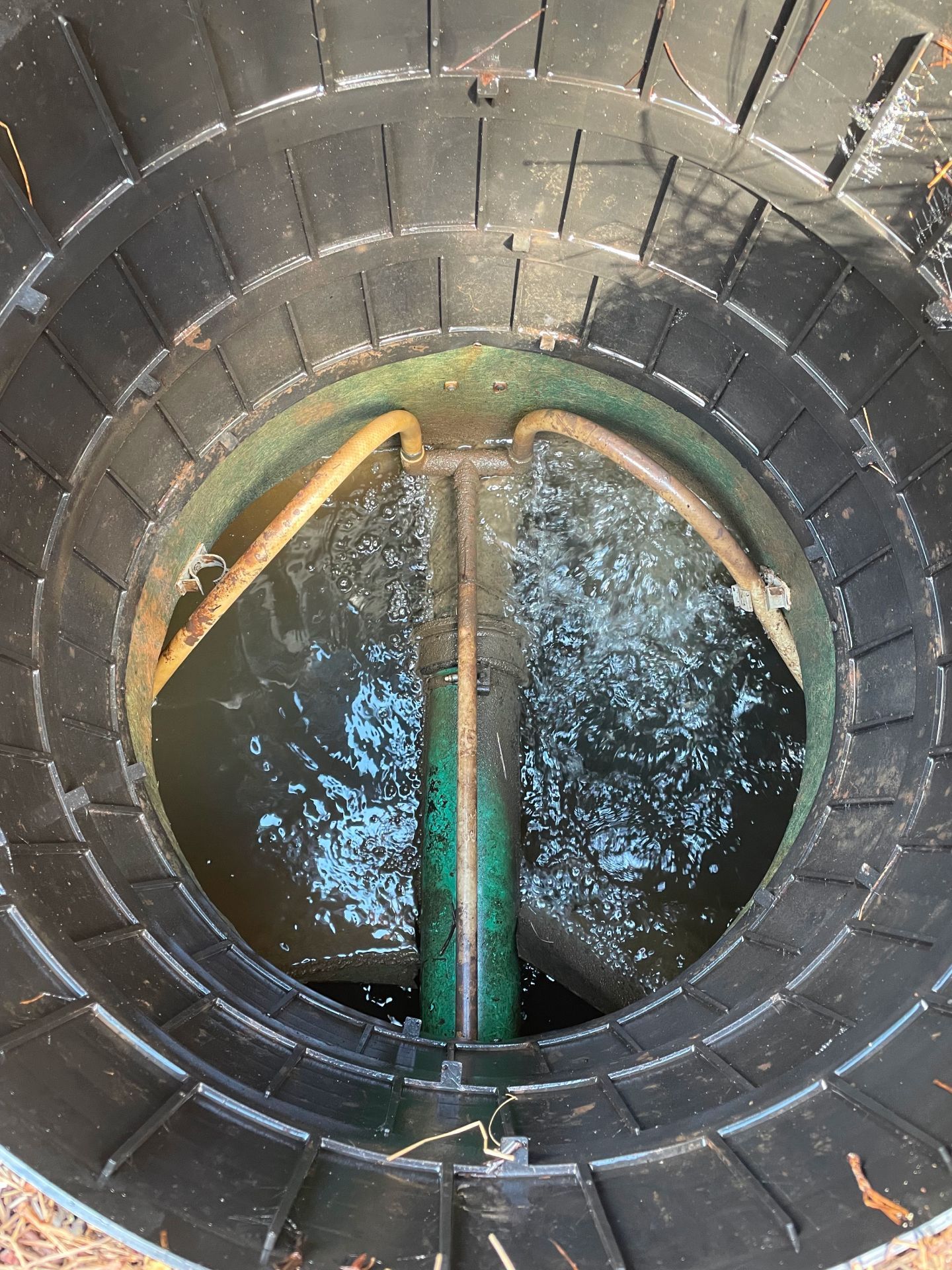
Aerobic treatment units rely on a balance of oxygen, beneficial bacteria, and steady wastewater flow. During winter, that balance becomes more sensitive. A system that performs well during summer may begin to struggle when soil absorption slows and treatment efficiency decreases. Winter is often when underlying weaknesses become noticeable.
Subtle Plumbing Changes Homeowners Should Not Ignore
Some of the earliest signs of winter-related stress appear inside the home. These changes are often dismissed as temporary inconveniences, but they can indicate developing system issues.
Slower Drains Throughout the Home
Slow drains are one of the most common indicators that an ATU may need winter maintenance. Drainage may slow in sinks, tubs, or showers, most noticeably when water is being used in several areas of the home simultaneously.
During winter, bacterial activity slows and saturated soil reduces effluent absorption, which together restrict the movement of wastewater through the system. Addressing slow drains early helps prevent backups and reduces strain on pumps and aerators.
Gurgling Sounds or Air Movement in Pipes
Gurgling or bubbling sounds in plumbing fixtures can indicate airflow restrictions or pressure changes within the system. These noises often appear before more obvious symptoms and should not be ignored.
In winter, ventilation challenges may become more noticeable due to cold air, debris accumulation, or reduced airflow. Persistent plumbing noises are often a sign that the system is under stress and would benefit from professional evaluation.
Odors That Signal Reduced Treatment Efficiency
Odors are another early warning sign that often becomes more noticeable during colder months. Even mild or intermittent odors can indicate changes in treatment efficiency.
Indoor Odors Near Drains or Bathrooms
Sewage odors inside the home may occur when biological treatment slows and gases are not fully processed. Cold weather can reduce the system’s ability to break down waste efficiently, allowing odors to surface through drains.
These odors may come and go, which makes them easy to dismiss. However, recurring odors usually signal that the system is struggling to maintain balance.
Outdoor Odors Near the Tank or Drain Field
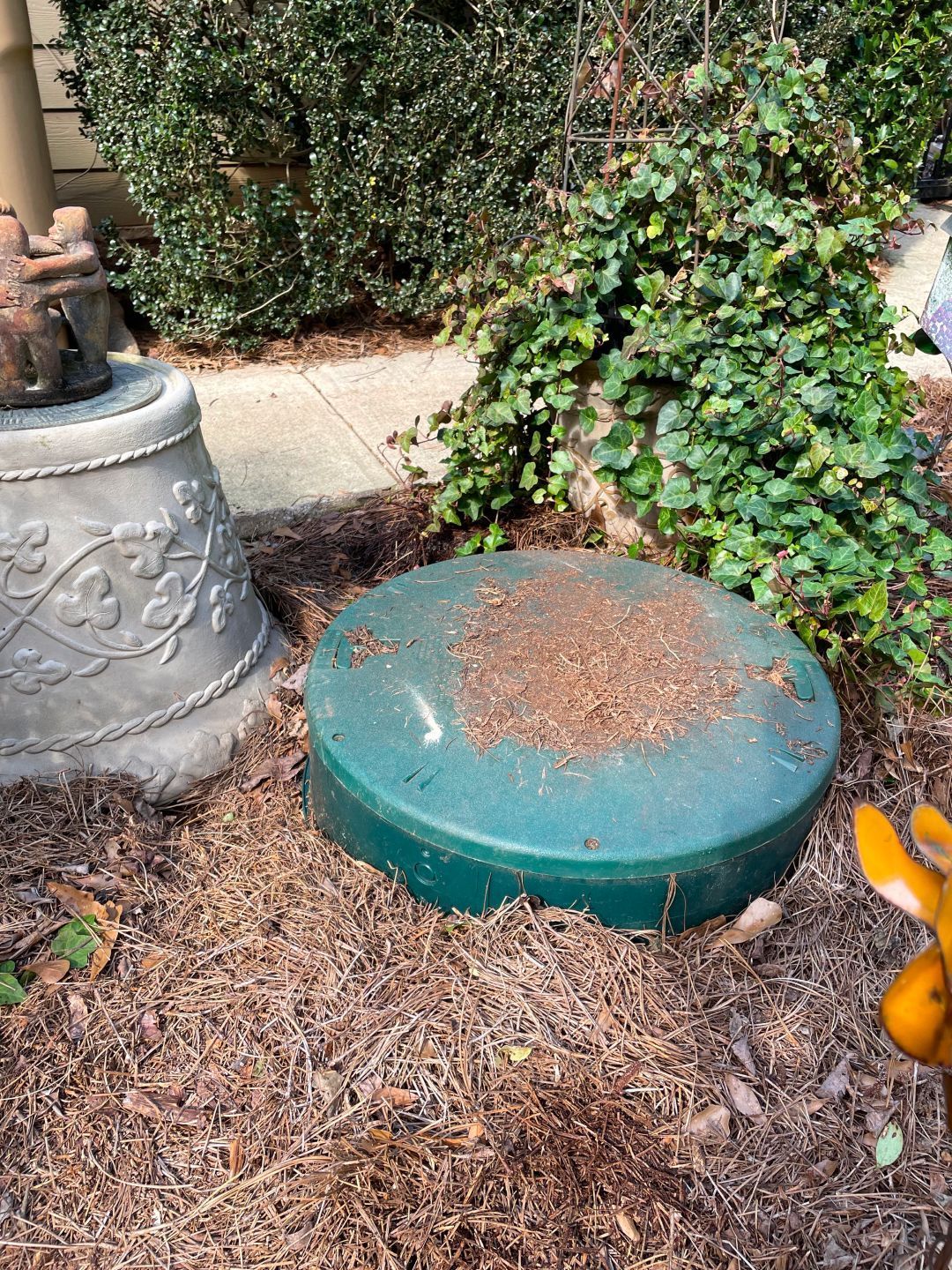
Odors outside the home, especially near the tank or drain field, may indicate that treated wastewater is not dispersing properly. Cold temperatures and wet soil can cause gases or partially treated effluent to linger near the surface.
Outdoor odors during winter should always be investigated, even if there are no visible signs of backup.
Alarm Warnings and Electrical Irregularities
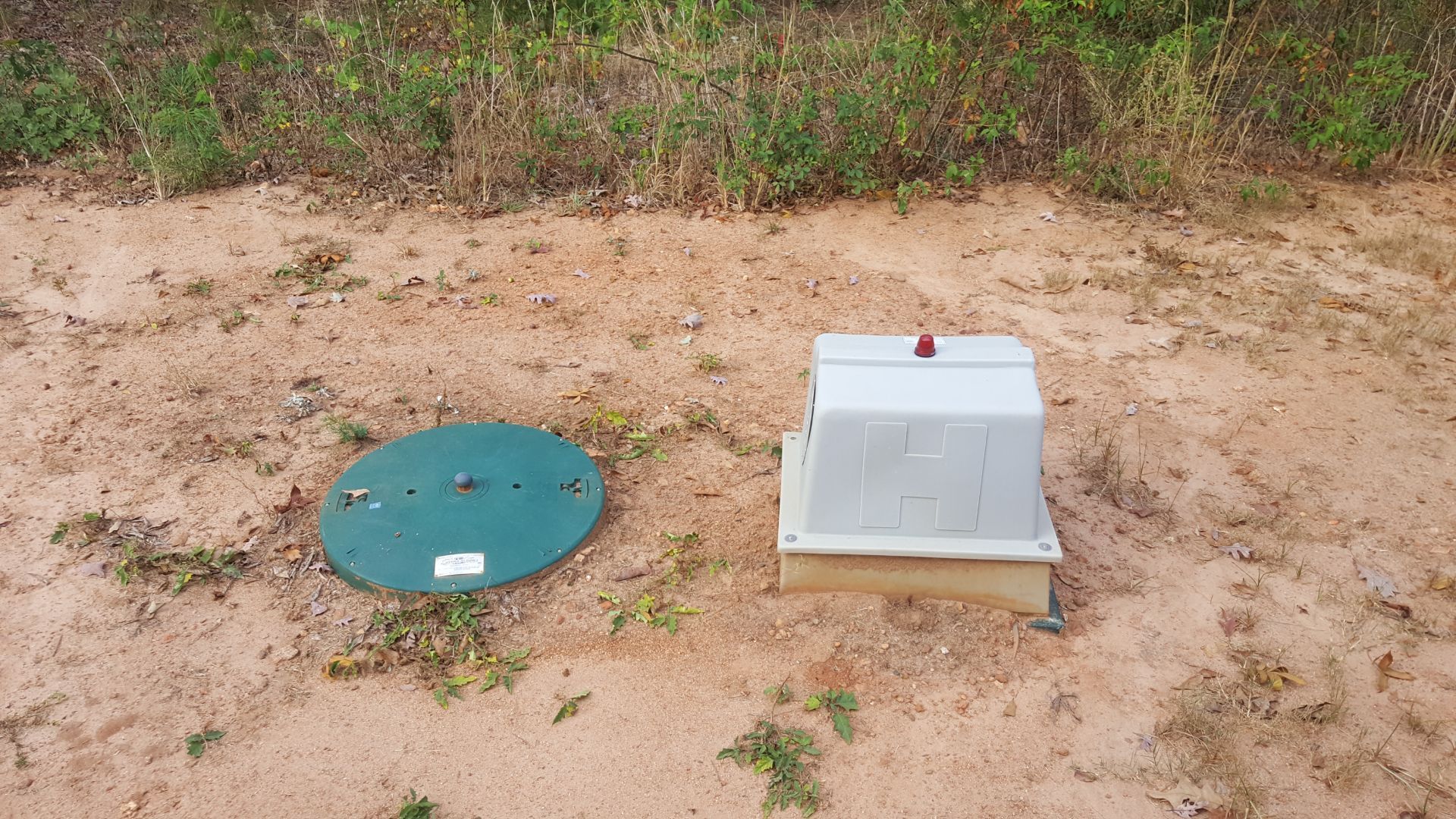
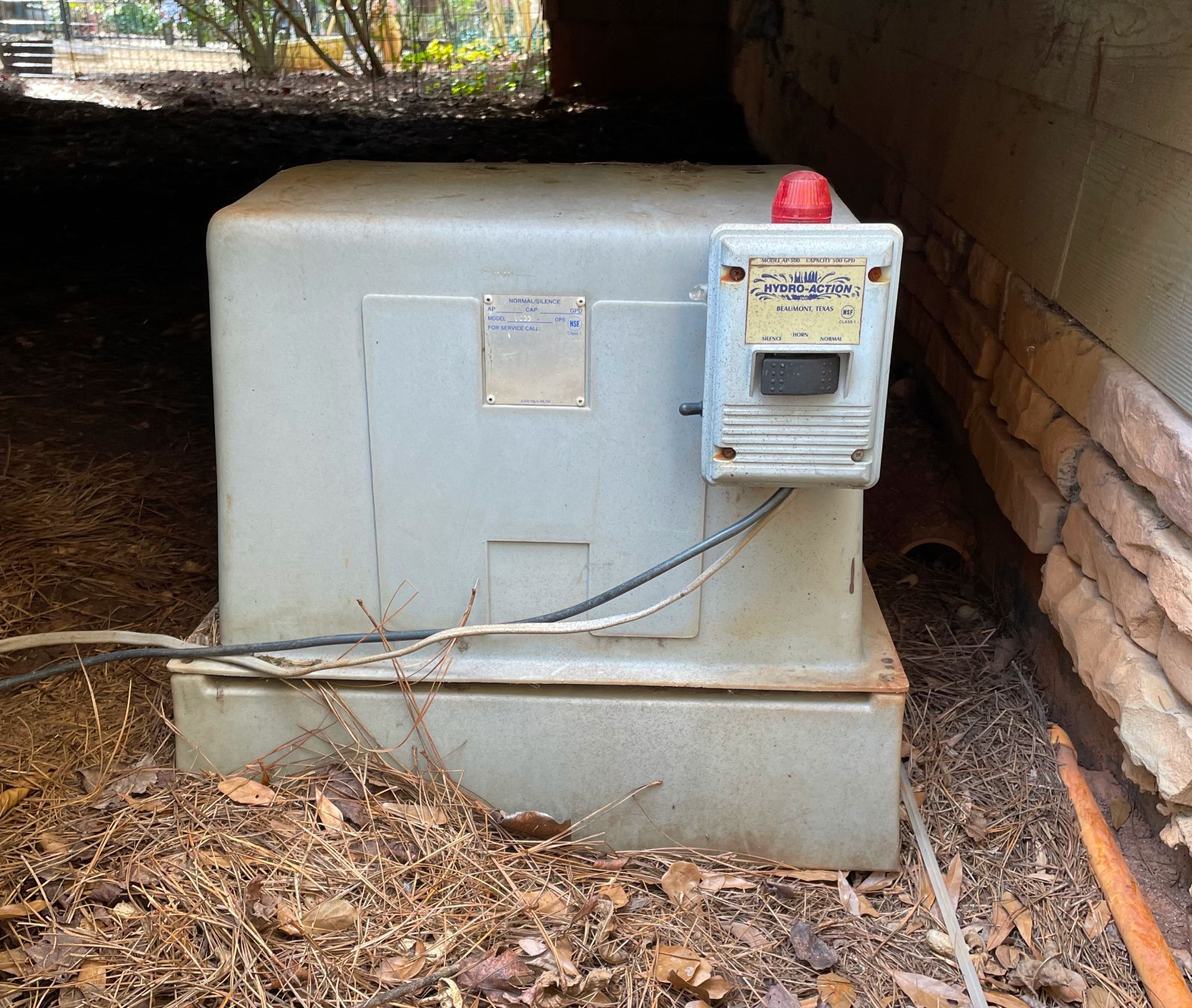
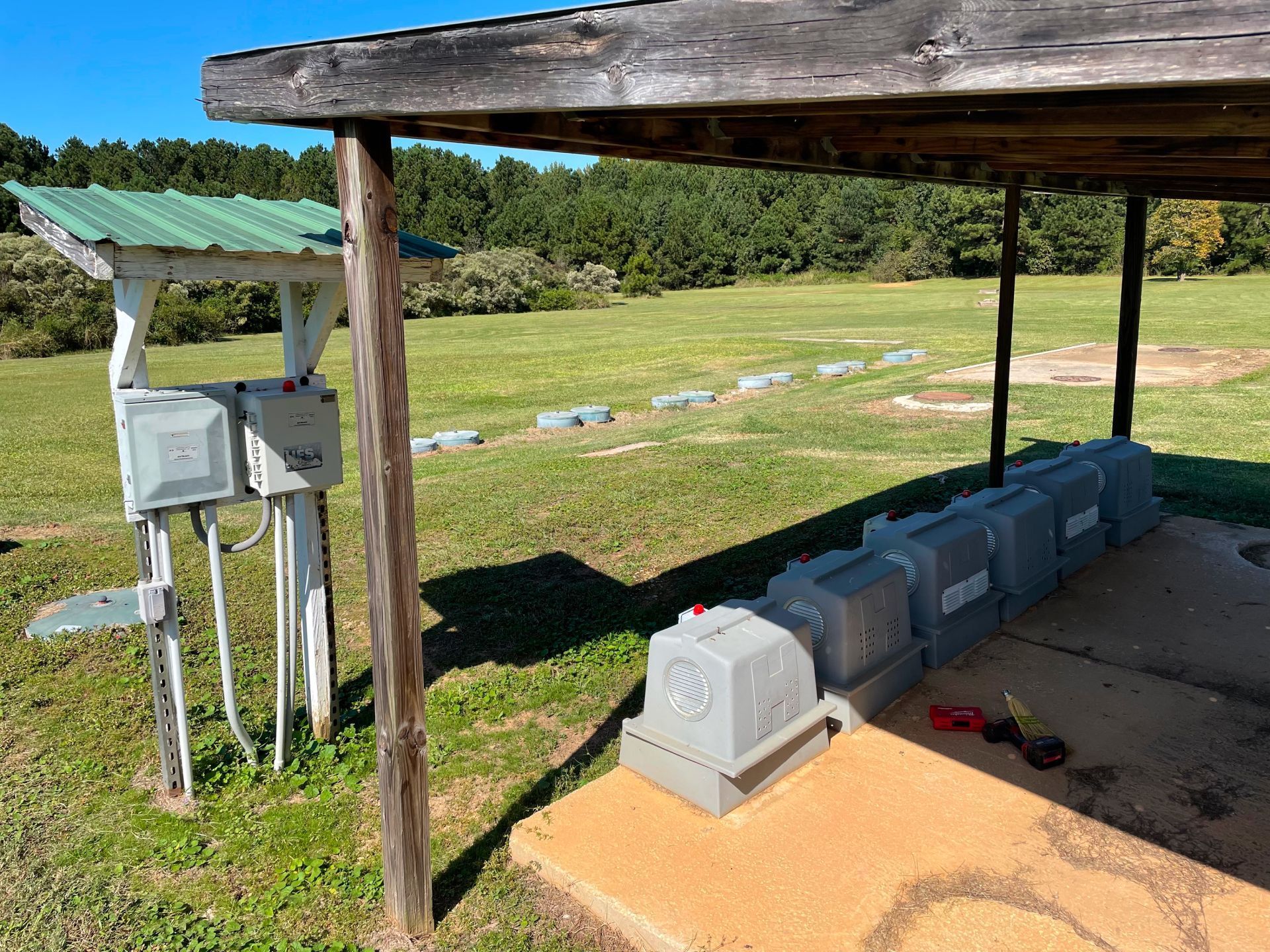
ATU alarms and electrical components play a critical role during winter. Seasonal conditions can trigger warnings or expose issues that were not noticeable earlier in the year.
High Water Level Alarms
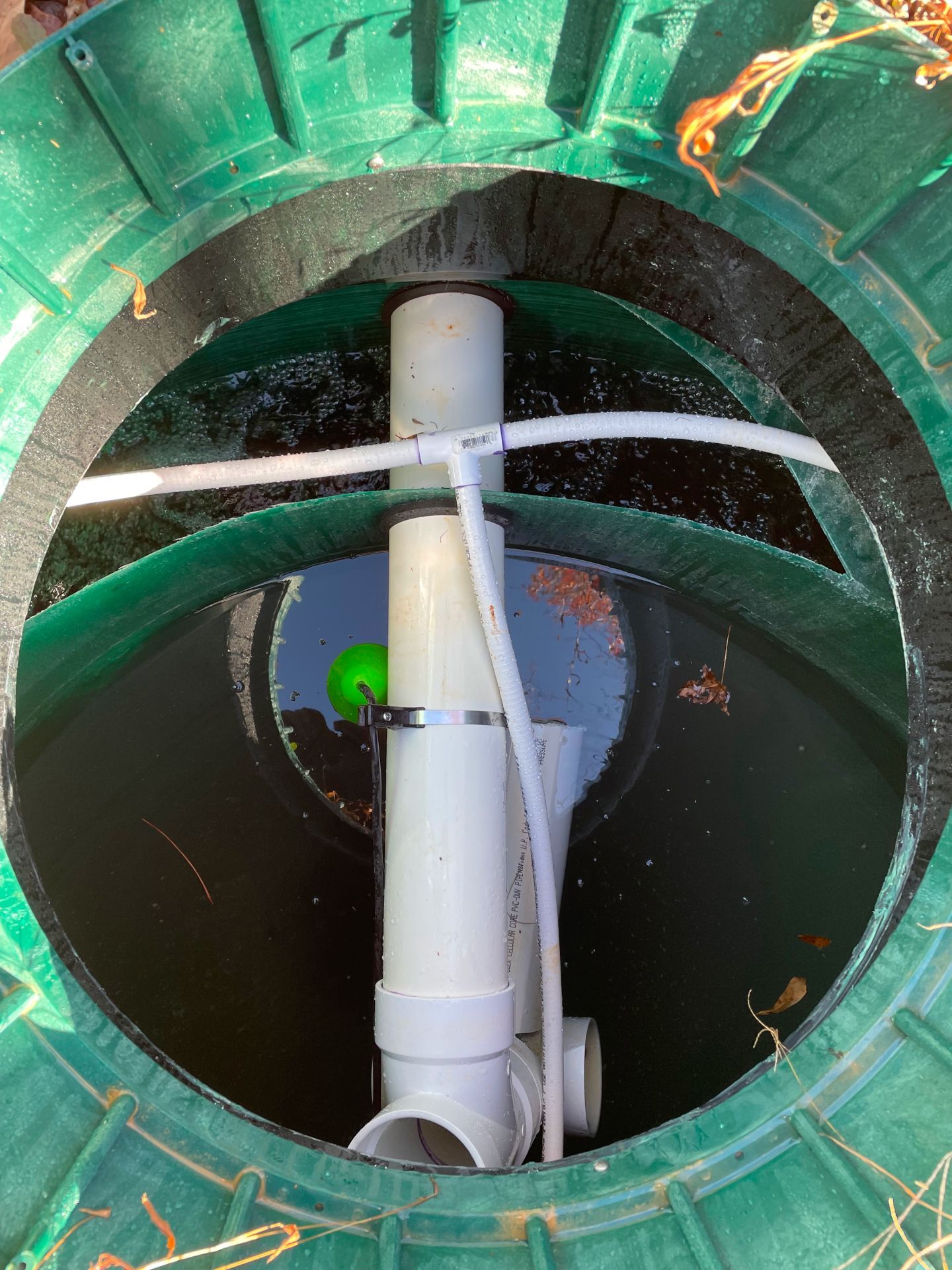
High water level alarms often activate during winter due to restricted drainage or increased rainfall. Even when no backup is visible, elevated water levels place additional strain on pumps and aerators.
Ignoring alarm warnings can allow small issues to develop into overflows or equipment damage, while timely service helps protect system components and restore proper operation.
Issues Following Power Interruptions
Winter storms can cause brief power outages that interrupt aeration and pumping cycles. If components do not restart correctly, treatment efficiency may decline and solids can accumulate inside the tank.
Electrical irregularities following power interruptions are a strong indicator that winter maintenance is needed to ensure system controls and alarms are functioning properly.
Changes Around the Drain Field Area
Outdoor signs are often overlooked during winter, but they provide valuable clues about system health.
Standing Water or Persistently Soft Ground
Standing water or unusually soft soil near the drain field suggests that treated wastewater is not being absorbed efficiently. Cold, saturated soil limits dispersion and increases the risk of surface discharge.
These conditions may appear gradually and worsen over time if not handled promptly.
Unusual Grass Growth During Cold Months
Grass that remains greener or grows faster over the drain field during winter can indicate uneven effluent distribution or excess moisture. Subtle visual changes often serve as early warning signs of more serious problems.
Why Early Winter Maintenance Prevents Larger Problems
Scheduling maintenance at the first sign of trouble allows technicians to stabilize system performance before winter conditions intensify. Early service helps restore proper flow, supports biological balance, and reduces stress on mechanical components.
Preventive winter maintenance also minimizes the likelihood of emergency repairs during colder, wetter months when access and service can be more challenging.
When to Schedule Winter Maintenance With Alternative Septic Management
If you notice slow drains, odors, alarms, plumbing noises, or changes around your drain field, winter is the time to schedule maintenance. Even without obvious symptoms, seasonal inspections provide peace of mind and help prevent unexpected system failures.
Alternative Septic Management works with homeowners across Georgia to identify early warning signs and provide proactive winter care for aerobic treatment units. Call or text 404-788-3474 or visit the website to schedule an inspection or maintenance and keep your ATU operating reliably throughout the season.