How Winter Water Use Affects ATU Performance
Winter brings noticeable changes to daily routines for many Georgia households. Colder temperatures, shorter days, and more time spent indoors all influence how water is used throughout the home. For homeowners with aerobic treatment units (ATUs), these seasonal shifts can subtly affect system performance, especially when combined with winter environmental conditions. Alternative Septic Management works with Georgia homeowners to help explain how winter water-use patterns interact with ATU operation, making it easier to recognize seasonal changes, avoid unnecessary strain, and support reliable wastewater treatment throughout the season.
Why Winter Water Use Looks Different for Many Households
During winter, household water use often becomes more concentrated. Families may spend more time at home, leading to increased use of showers, sinks, toilets, and appliances throughout the day. Holiday gatherings and visiting guests can further increase demand over short periods.
Unlike summer, when water use may be spread more evenly across outdoor activities and daily routines, winter water use tends to occur in clusters. These changes are not inherently problematic, but they do alter how wastewater enters the system. For ATUs, the timing and distribution of flow matter just as much as the total volume of water used.
How Aerobic Treatment Units Respond to Changes in Water Flow
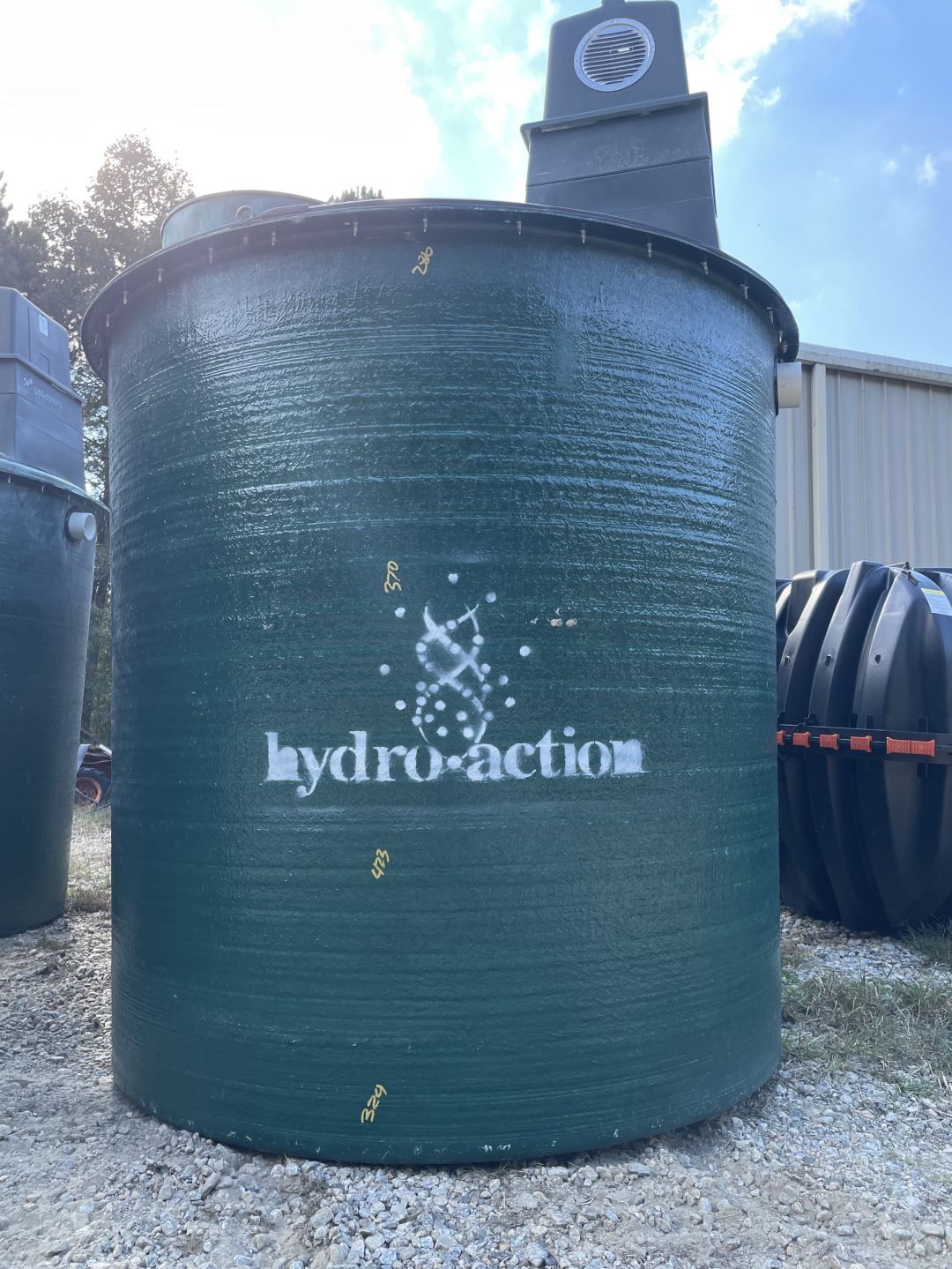
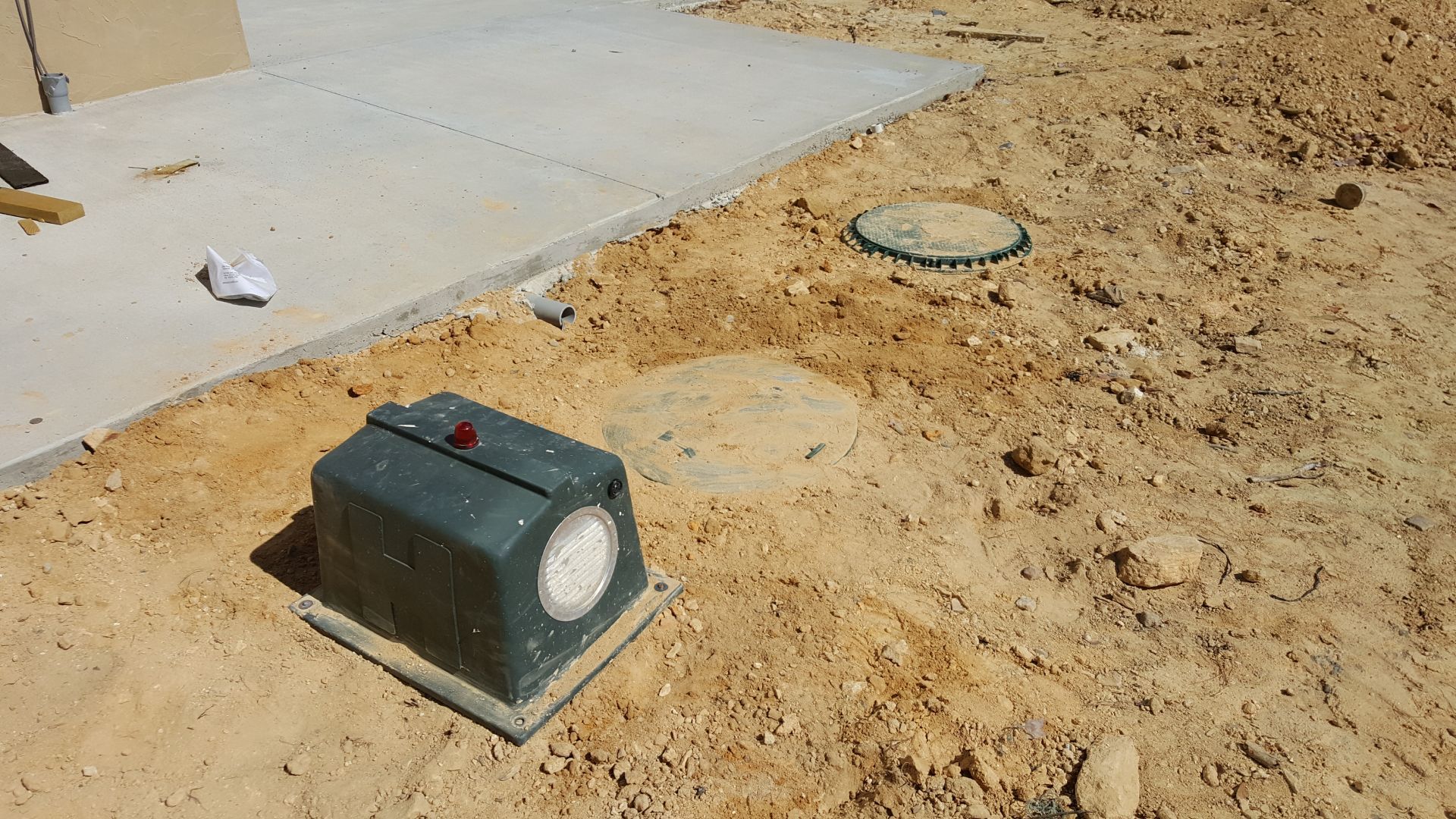
Aerobic treatment units are designed to treat wastewater continuously using oxygen and beneficial bacteria. They perform best when wastewater enters the system at a steady, predictable rate. This allows biological treatment processes to remain balanced and efficient.
The Importance of Steady Wastewater Flow
Consistent water flow supports stable oxygen levels and allows bacteria adequate time to break down waste. When water use is evenly distributed throughout the day, the system can process wastewater gradually and recover between cycles. This steady rhythm helps maintain treatment efficiency and reduces unnecessary stress on pumps and aeration components.
How Concentrated Water Use Affects Treatment Efficiency
When larger volumes of water enter the system over a short period, treatment conditions can temporarily shift. Sudden increases in flow may dilute bacteria inside the treatment tank or move wastewater through the system more quickly than intended. While ATUs are designed to handle everyday household use, repeated concentrated flow during winter can make treatment efficiency more sensitive to other seasonal factors.
Common Winter Water Use Patterns That Influence ATU Performance
Seasonal habits play a key role in how water flows through an ATU during the winter months.
Increased Indoor Activity and Winter Routines
Winter schedules often involve more frequent indoor water use. Additional showers, handwashing, dishwashing, and laundry loads can occur closer together throughout the day. These patterns are common during colder months and are often amplified by family gatherings or school breaks, when more people are using the system at the same time.
How Winter Conditions Amplify the Effects of Water Use
Environmental conditions unique to winter can intensify the impact of water use patterns.
Cold Temperatures and Slower Biological Processing
Although winter temperatures in Georgia rarely stop biological treatment altogether, they can slow the rate at which bacteria process wastewater. When biological activity slows, the system becomes more sensitive to changes in flow. Concentrated water use that may not cause issues in warmer months can have a greater effect when treatment speed is reduced.
Saturated Soil and Reduced Drain Field Recovery
Winter rainfall often leaves soil saturated for extended periods. When the drain field cannot efficiently absorb treated wastewater, the system has less opportunity to recover between usage cycles. Combined with increased indoor water use, saturated soil can place additional strain on the system, even when no immediate warning signs are present.
Why ATU Performance May Seem Inconsistent During Winter
Homeowners may notice that their ATU behaves differently during winter, even when household habits have not changed significantly. Slower drainage, longer recovery times, or subtle performance changes can result from the combined effects of colder temperatures, wet soil, and winter water-use patterns.
These changes do not necessarily indicate a system failure. Instead, they reflect how winter conditions reduce the system’s flexibility. Awareness of these cold-weather influences helps homeowners distinguish between normal winter behavior and issues that may require attention.
Supporting Balanced ATU Operation During Winter
Maintaining balanced ATU operation during winter begins with understanding how the system responds to seasonal changes. Observing how the system behaves, noting changes in drainage or odors, and recognizing shifts in performance allow homeowners to stay informed without overreacting to temporary fluctuations.
Seasonal awareness also helps homeowners make informed decisions about when to schedule service or request a professional evaluation, especially if winter conditions persist or water use increases unexpectedly.
The Value of Winter Evaluations for Changing Water Use Patterns
Winter evaluations provide an opportunity to assess how water use patterns and winter conditions are affecting ATU performance. These inspections help identify whether the system is processing wastewater as expected and whether environmental factors are creating additional strain.
These evaluations are not about responding to emergencies. Instead, they offer insight into system behavior under winter conditions and help support reliable operation through the remainder of the season.
Supporting Winter ATU Performance With Alternative Septic Management
Winter water use patterns and environmental conditions can quietly influence how an ATU performs. Understanding these interactions helps homeowners protect system reliability and avoid unnecessary stress during colder months.
Alternative Septic Management works with homeowners across Georgia to evaluate ATU performance during winter, accounting for seasonal water-use patterns, soil conditions, and treatment behavior. If you have noticed changes in how your system operates or want to better understand its winter performance, now is a good time to
schedule a winter evaluation. Call or text 404-788-3474 or visit the website to learn more about winter ATU care and support reliable system operation throughout the season.