A Homebuyer's Guide to Alternative Septic Systems in Georgia
Buying a home is one of the biggest decisions most people will ever make. In many parts of Georgia, that process comes with a detail that catches buyers off guard: the property is served by an alternative septic system rather than public sewer. These systems perform well when they are properly maintained, but many buyers, real estate agents, and general home inspectors are not fully familiar with how they work, what they require, or what to look for before closing. Alternative Septic Management is here to help bridge that gap.
Whether you are actively searching for a home or just starting to think about it, here is what you should know going in.
What Makes an Alternative Septic System Different from a Conventional One
A conventional septic system works through a relatively simple anaerobic process. Wastewater from the home flows into a tank, where solids settle, and the liquid portion filters into a drain field. There are no moving parts, no electrical components, and no active treatment process happening inside the tank.
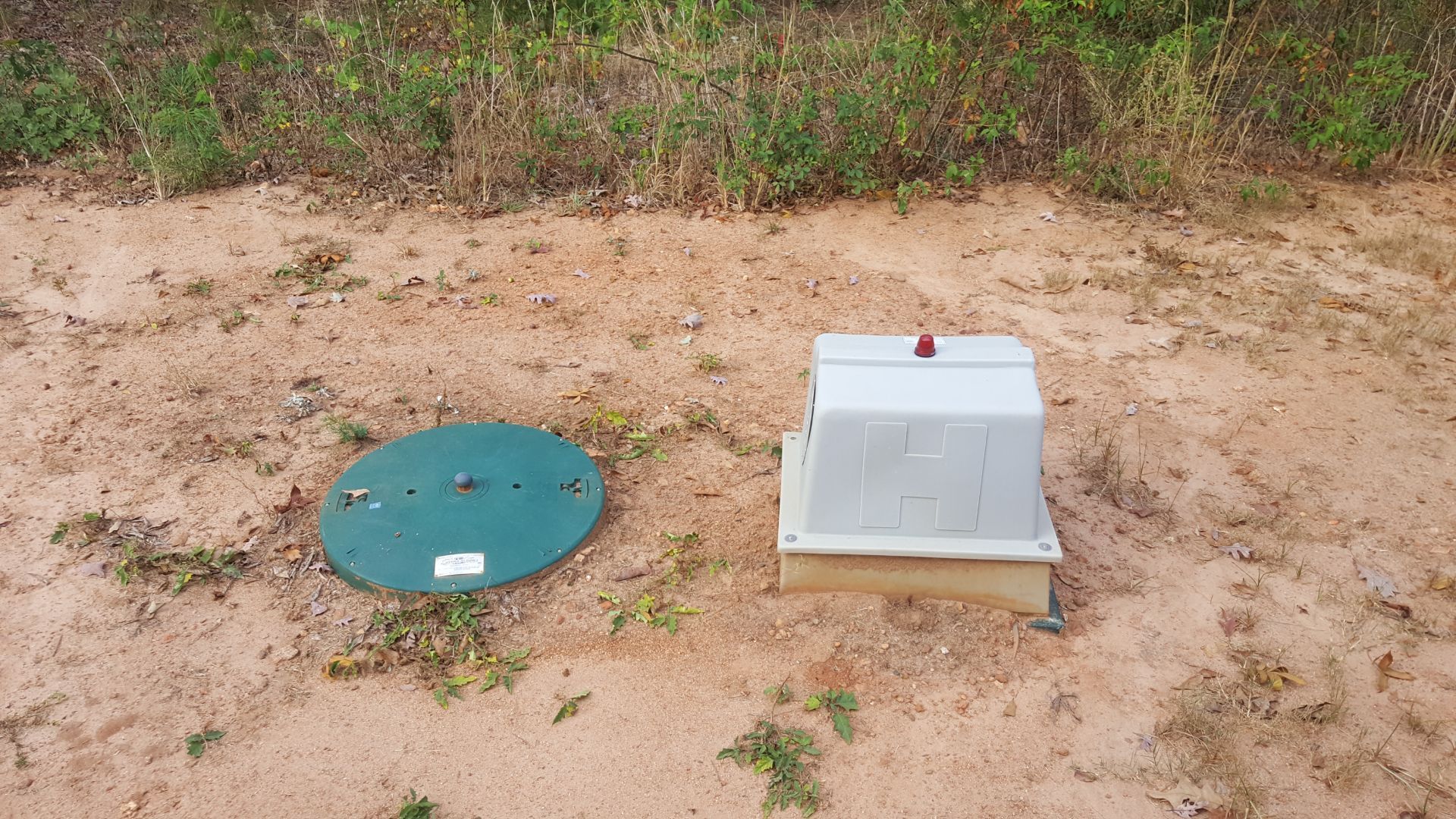
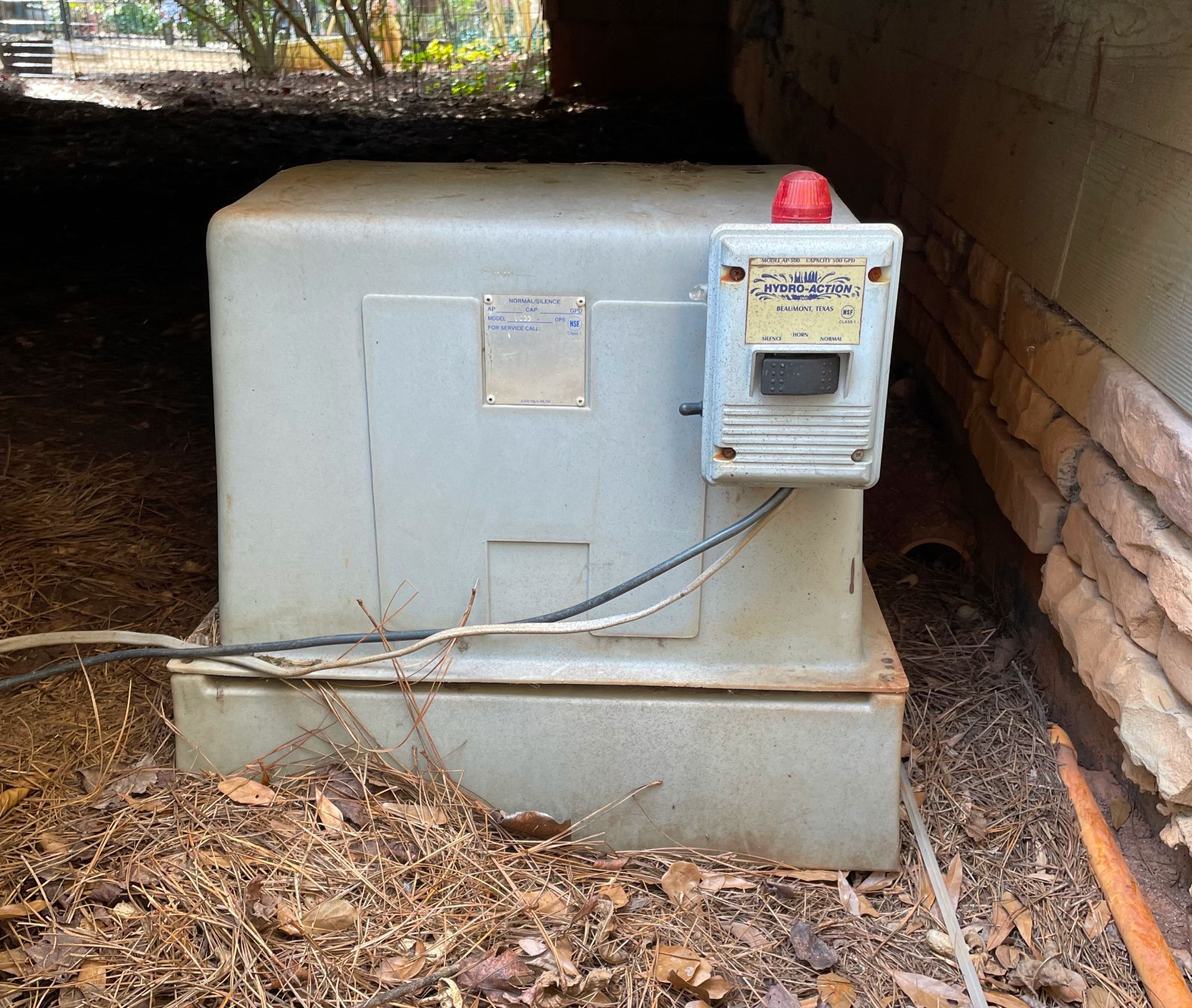
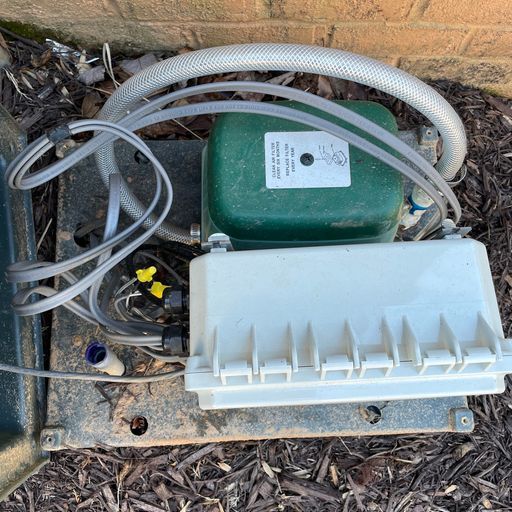
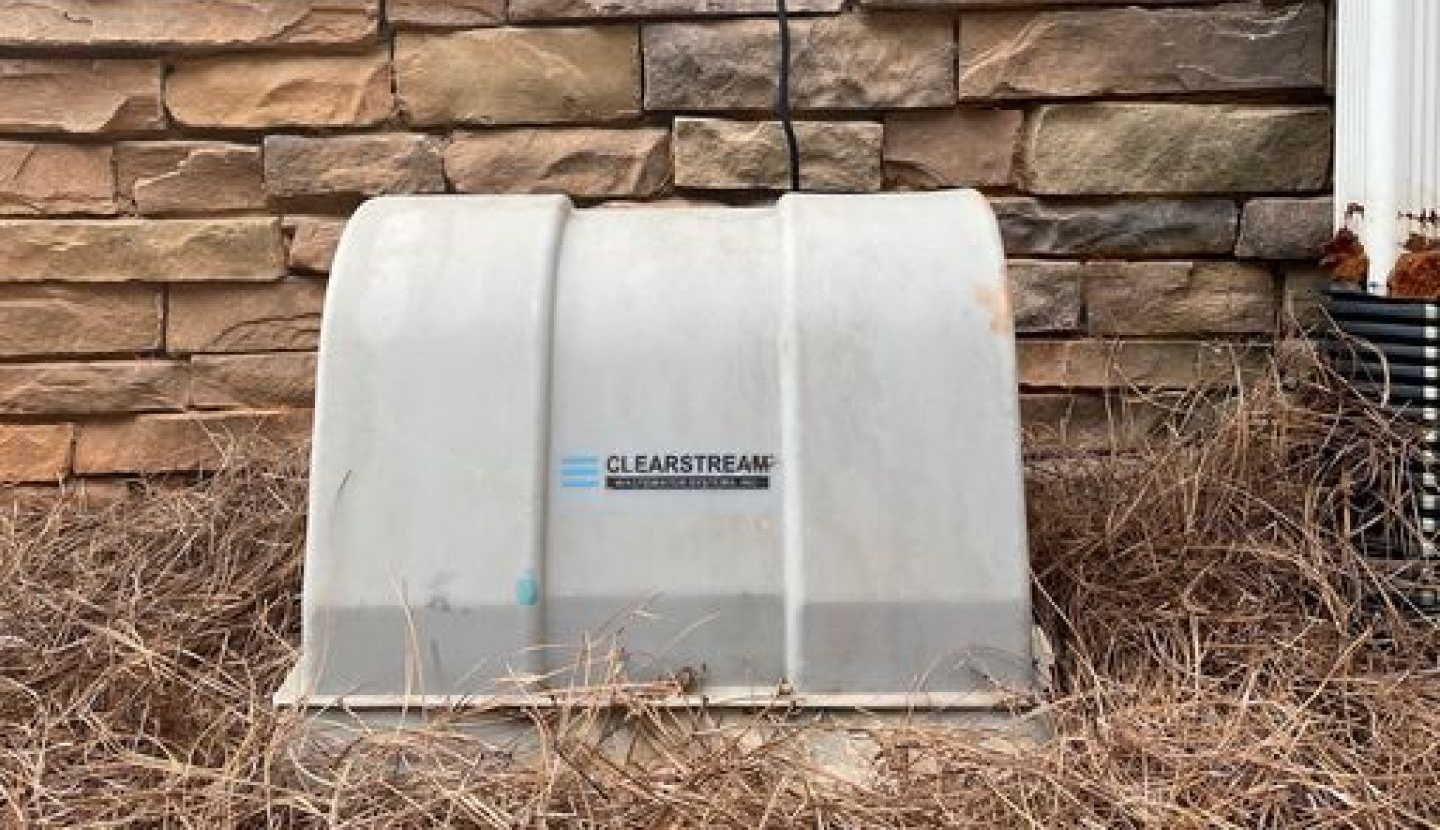
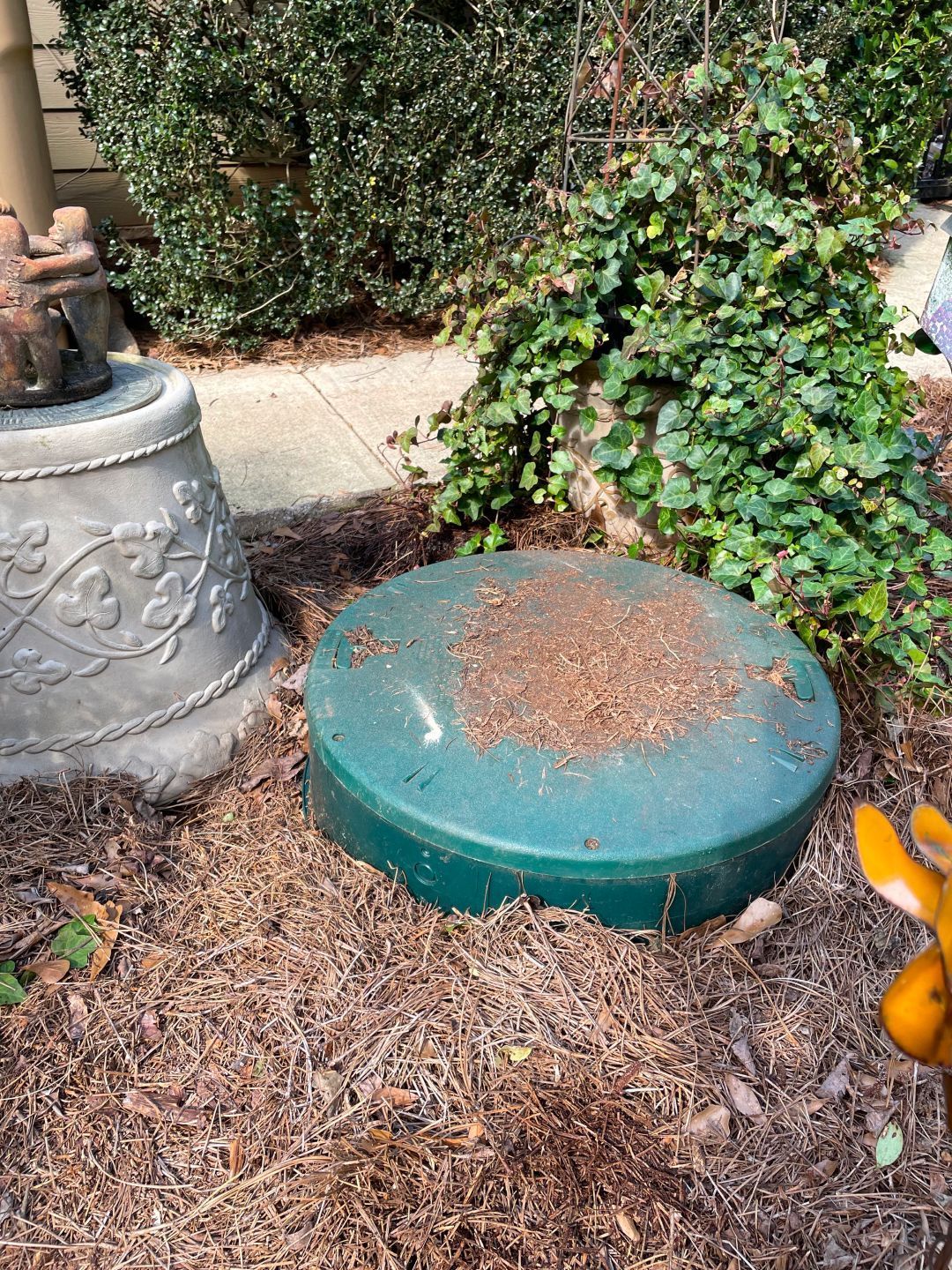
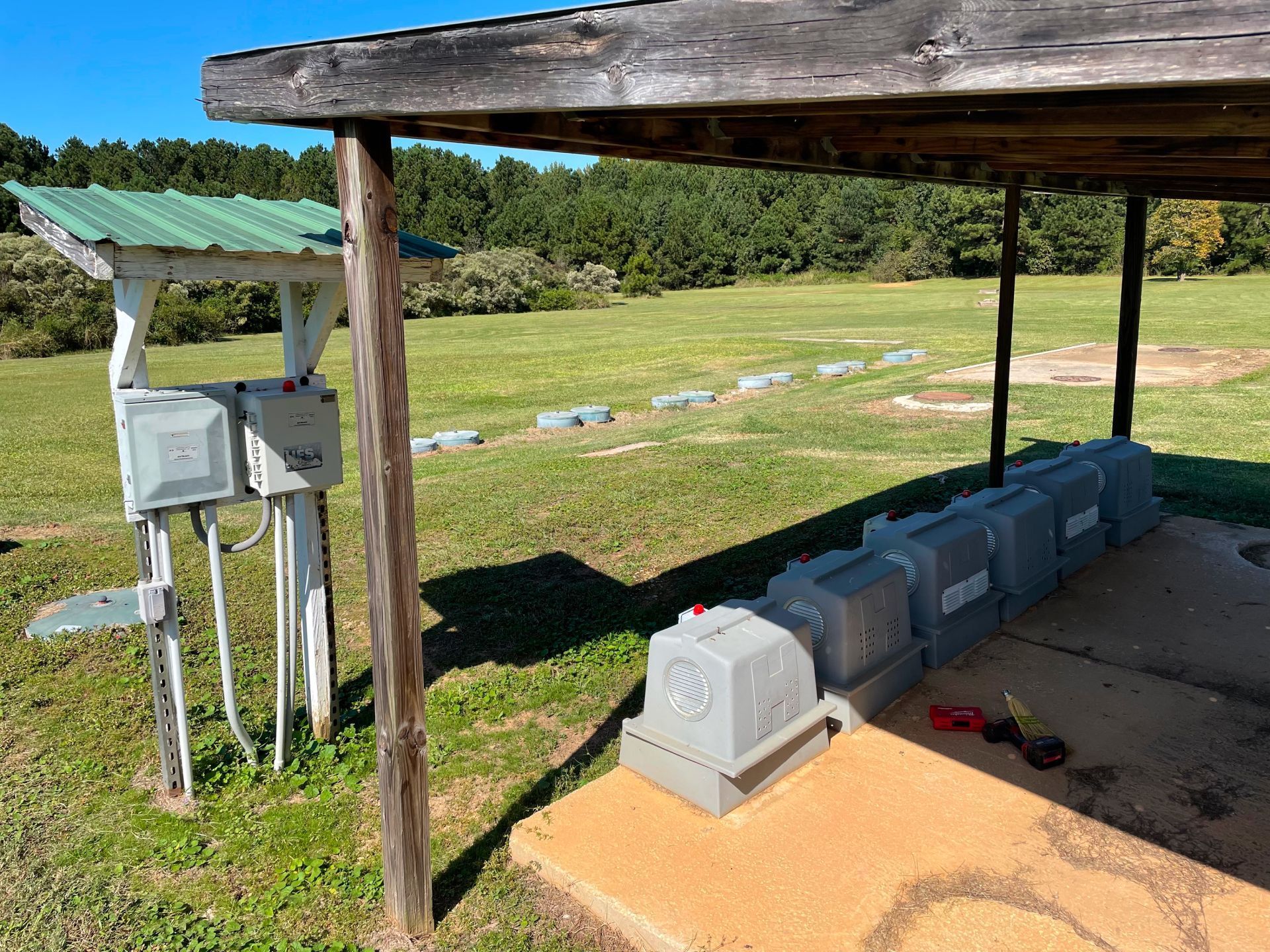
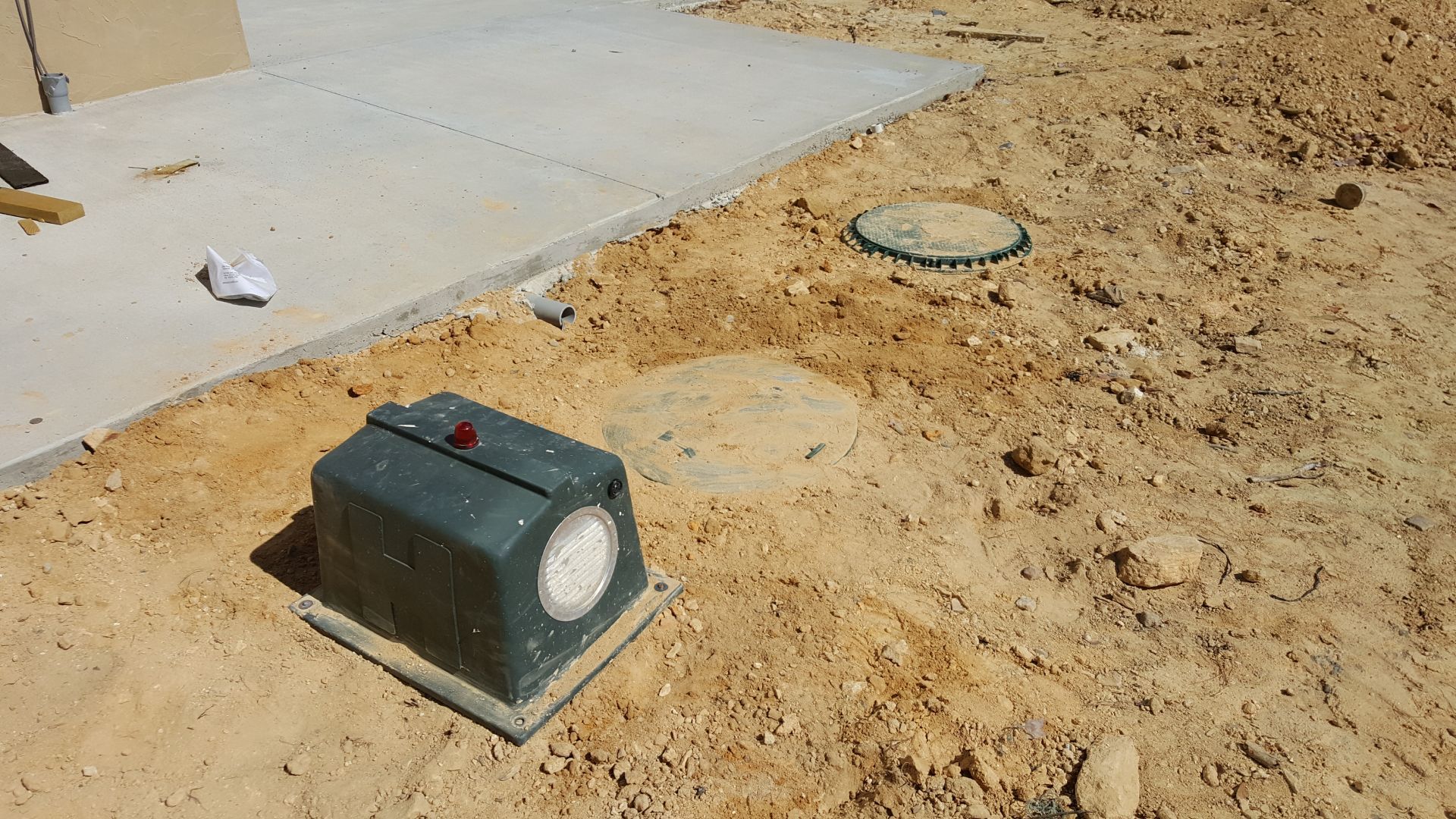
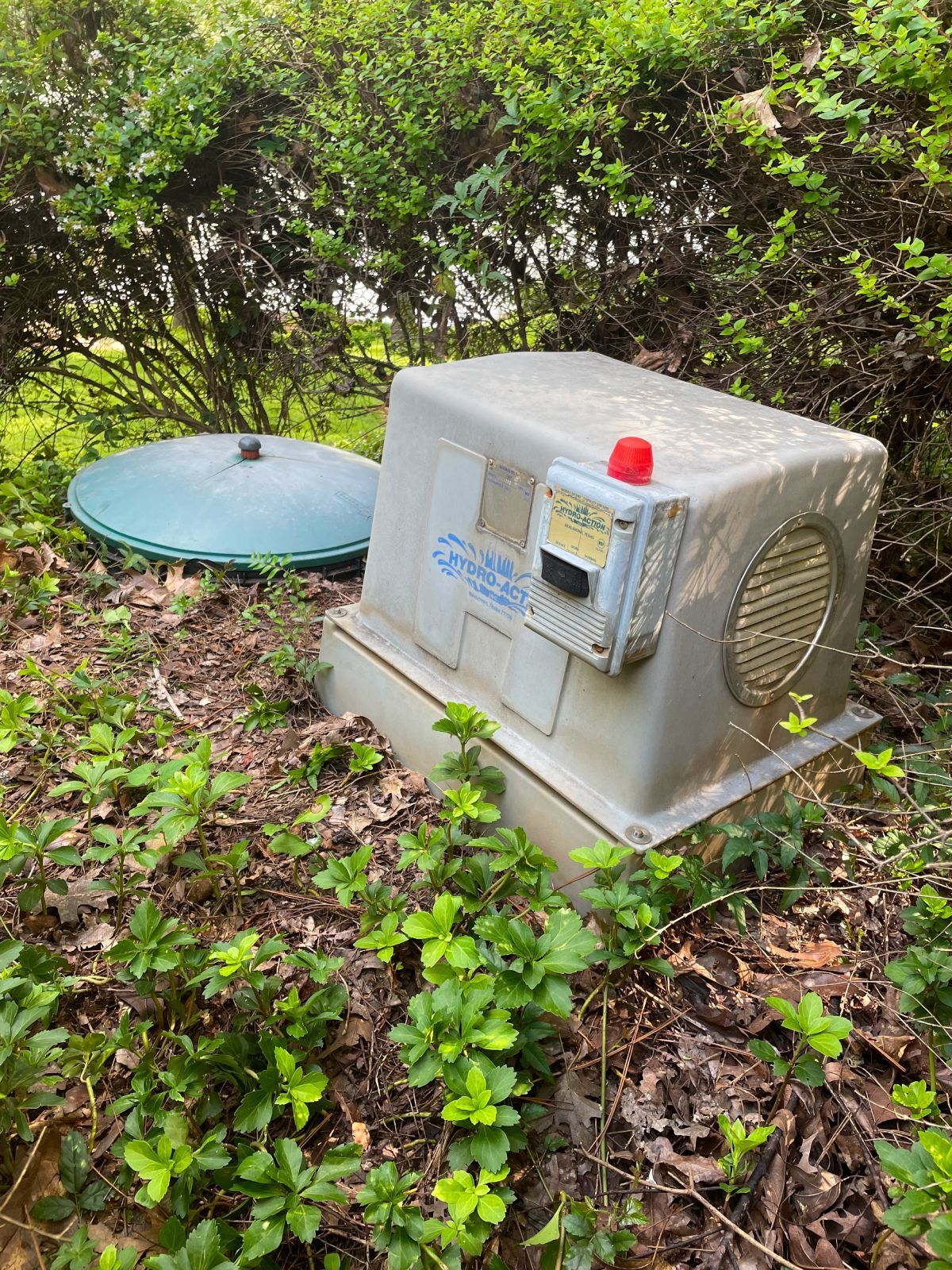
An aerobic treatment unit, or ATU, works differently. It introduces oxygen into the treatment process, which activates aerobic bacteria that break down wastewater more thoroughly and more quickly than a conventional system does. The result is a higher-quality effluent before it ever reaches the drain field. To do that, an ATU relies on working mechanical and electrical components, including an air compressor, a pump, a control panel, and an alarm system. Those components require regular attention to keep the system running the way it should.
Why ATU Properties Are Common Across Georgia
Certain soil types, lot sizes, and site conditions make conventional septic systems impractical or code-prohibited on some Georgia properties. In those cases, an aerobic treatment unit is often the approved solution. This is one reason ATUs appear frequently in rural and semi-rural areas across Georgia. An ATU is not a warning sign. It is simply a different type of system with different maintenance needs, and knowing that going in puts you in a much better position as a buyer.
Georgia's Maintenance Requirements for ATU Properties
Georgia requires that properties with aerobic treatment units have a certified service and maintenance arrangement in place for the first three years after the system is initially installed. During that period, the system must be inspected at least every six months by a certified provider. After that initial three-year window, property owners can continue with a service contract or shift to as-needed service, though manufacturers and regulators alike strongly recommend annual contracts. Systems left without regular service will eventually fail, and the repair costs that follow are far higher than the cost of routine maintenance. As a buyer, understanding this ongoing responsibility before you close is the kind of preparation that saves you from surprises later.
What Buyers Should Ask Before Making an Offer
Once you know a property has an ATU, the next step is asking the right questions. Not all sellers will have complete records, but a well-maintained system will have documentation to back it up, and that documentation tells you a great deal.
Service History and Compliance Records
Ask whether the system has an active service contract and whether it is current. Request records of past inspections, any repairs that have been made, and documentation showing the system has met Georgia's compliance requirements. A system with a clean, consistent service history is a solid indicator that the previous owner took it seriously. A system with no records, a lapsed contract, or a history of recurring issues calls for a closer look before you commit.
If the records are incomplete or missing entirely, that does not automatically mean the system has been neglected. But it does mean you need a certified inspection before moving forward, not after.
The Case for a Dedicated Pre-Purchase ATU Inspection
A standard home inspection covers a lot of ground, but it typically does not include a thorough aerobic treatment unit inspection. Most general home inspectors are not certified to assess ATU components in depth, and a surface-level look at the system may miss problems that are already developing.
Before closing on a property with an ATU, we recommend scheduling a dedicated septic inspection with a certified provider. This type of inspection examines the pump, air compressor, aerator, control panel, alarm system, dispersal components, and drain field condition in a way a general inspection simply does not. What that inspection turns up can give you important information for negotiating repairs, adjusting the offer, or simply confirming that the system is in good shape and ready for a new owner.
What a Certified ATU Inspection Actually Covers
If you have never had an ATU inspected before, it helps to understand what a certified technician is actually evaluating. This is not a quick visual check of the tank lid. It is a systematic review of every component that keeps the system functioning.
Key Components a Certified Specialist Evaluates
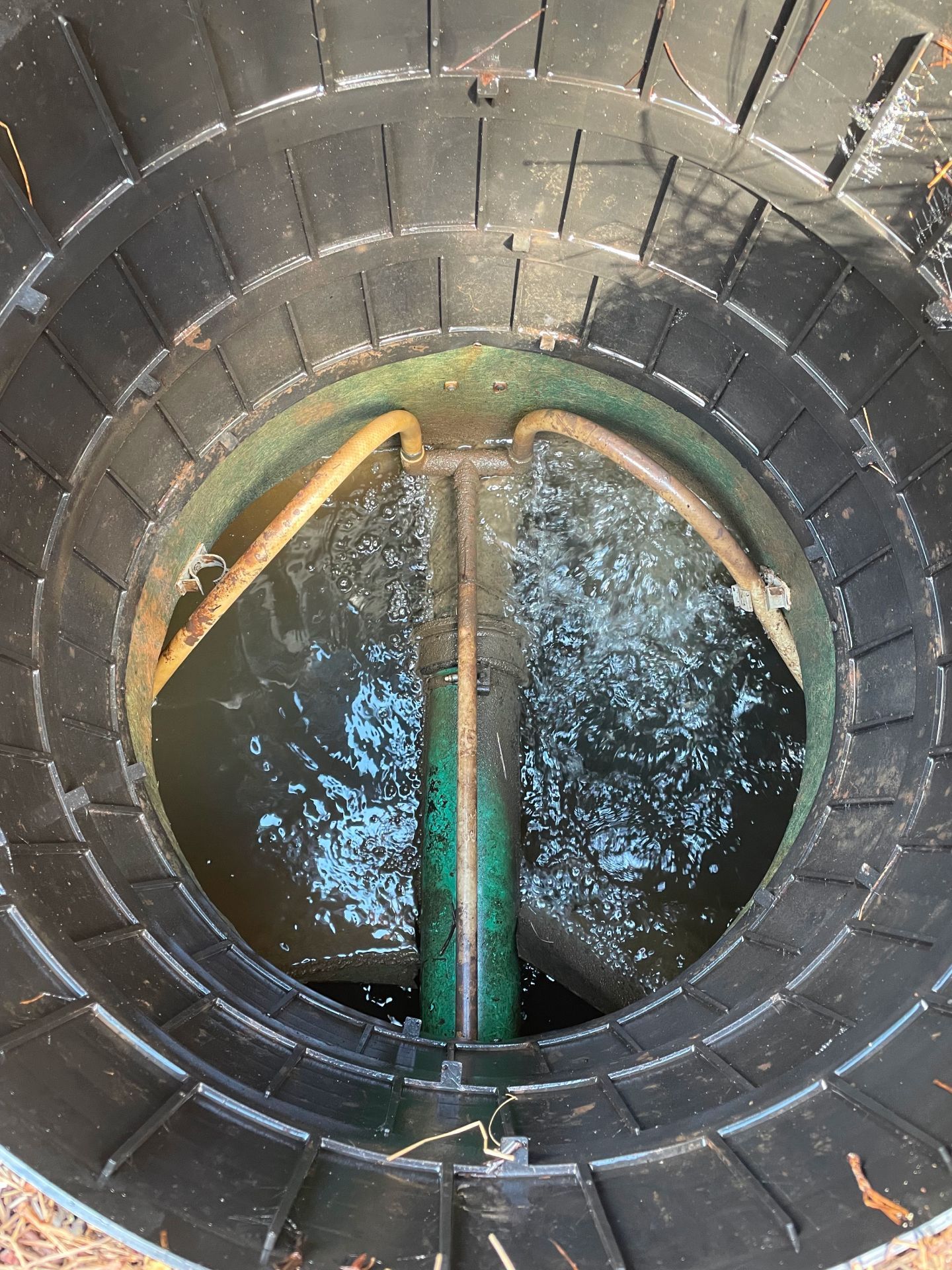
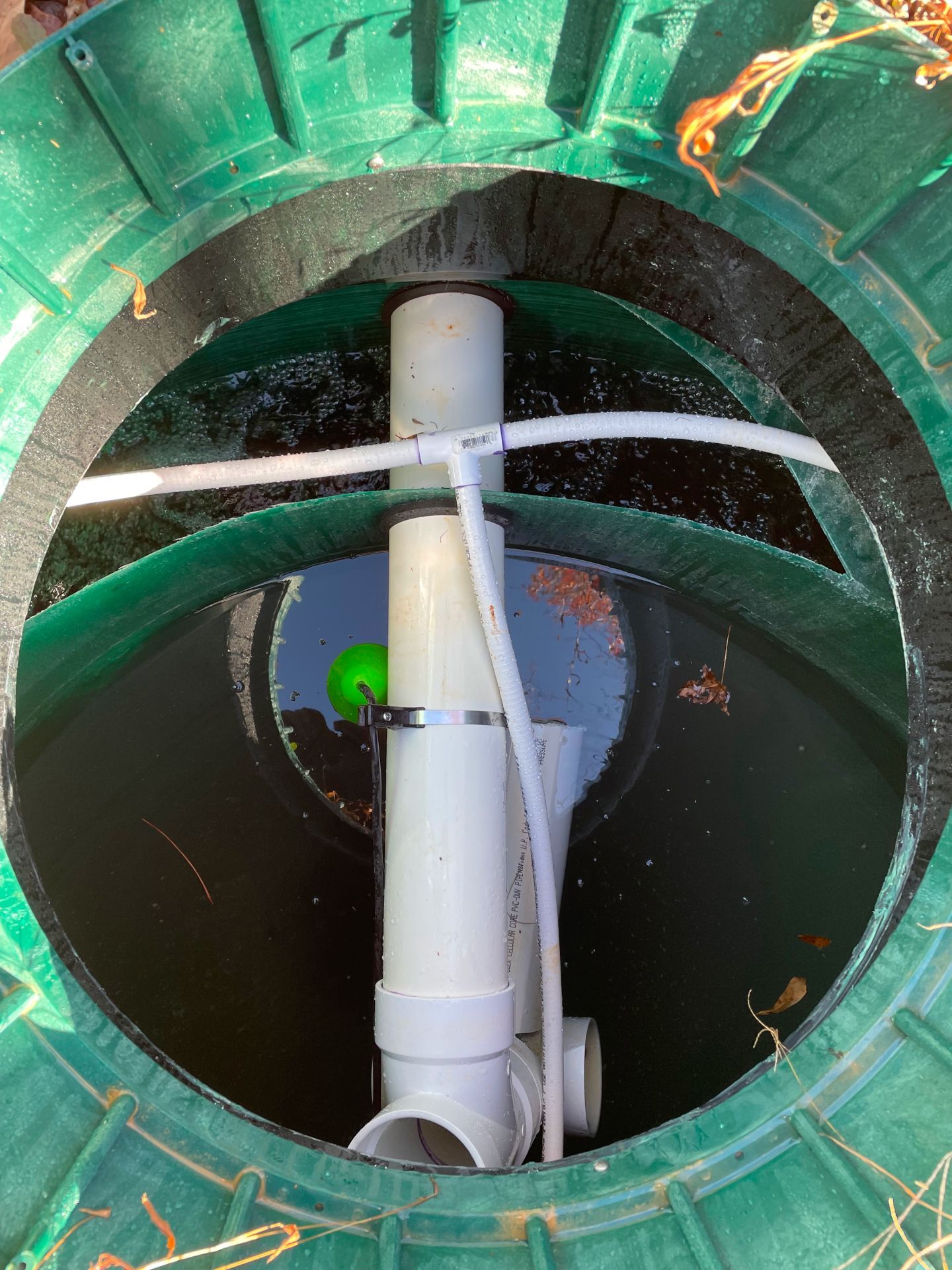
A thorough pre-purchase ATU inspection will cover the air compressor and pump to confirm they are operating correctly, the control panel and alarm system to verify they are functional and connected, the treatment chambers to check for signs of buildup, imbalance, or bacterial stress, and the drain field to assess absorption capacity and look for any signs of saturation or surface problems. A certified ATU specialist in Georgia has completed advanced training beyond standard septic licensing, which is exactly why requesting a certified provider specifically, rather than a general inspector, gives you a more complete picture of what you are buying.
Red Flags to Discuss With Your Inspector
Some findings from an inspection are easy to resolve. Others point to more significant issues. A few things to pay attention to: an air compressor that is not running or cycling correctly, an alarm system that is non-functional or has been disconnected, evidence of effluent surfacing near the drain field, missing or expired service documentation, and signs of root intrusion into the tanks or lines. Your inspector can walk you through what each finding means and what it would take to address it. Some repairs are straightforward. Others indicate long-term neglect, and knowing that before you close gives you options.
Owning and Maintaining an ATU After You Move In
If you have worked through the questions and the inspection and are confident in the property, the next step is to set yourself up as a responsible ATU owner from day one.
For most Georgia homeowners, that means establishing or transferring an active service contract with a certified provider. Annual service visits typically include checking and cleaning filters, inspecting mechanical and electrical components, evaluating the drain field, and confirming the system is treating wastewater effectively. Staying consistent with that schedule protects the system, keeps you in compliance with Georgia regulations, and supports your property's long-term value.
If you are purchasing a property and need to establish a new service relationship, or if you have recently moved in and are not sure where things stand with your system, we are glad to help. Alternative Septic Management works with homeowners across Georgia, including new buyers who are just getting familiar with their ATU, to make sure they have the support and information they need.
To schedule a pre-purchase inspection or ask about service contract options, call or text 404-788-3474 or visit the website to connect with our team.