What to Expect During a Routine ATU Inspection
Routine inspections help ensure that aerobic treatment units (ATUs) operate reliably over time. While many homeowners may only think about their septic system when a problem occurs, most changes in system performance happen gradually and may not be immediately noticeable. Regular inspections provide an opportunity to understand how the system is functioning and to identify potential concerns before they develop into more significant issues.
Alternative Septic Management works with homeowners across Georgia to evaluate ATU performance and help identify early indicators of change, supporting consistent wastewater treatment and long-term system reliability.
Why Schedule a Routine ATU Inspection
ATUs are designed to treat wastewater continuously, using a combination of oxygen, beneficial bacteria, and controlled flow. When all of these elements remain balanced, the system can operate efficiently with minimal disruption. Over time, however, normal wear, environmental conditions, and changing household water use can affect how the system performs.
Routine inspections help bring these changes to light. Rather than waiting for alarms, odors, or backups, inspections allow homeowners to better understand how their system is operating under current conditions. This proactive approach helps reduce uncertainty and supports more predictable performance throughout the year.
Understanding the Purpose of an ATU Inspection
An ATU inspection is not limited to identifying problems. It is also an opportunity to evaluate how the system is functioning as a whole. Each component of the system contributes to treatment, and inspections provide a clearer picture of how those components are working together.
This includes understanding how wastewater is moving through the system, how well biological treatment is being maintained, and how external conditions may be influencing performance. By looking at the system as a whole, inspections help show what’s working well and what might need a closer look.
Key Areas Commonly Reviewed During an ATU Inspection
While the exact process can vary, routine inspections generally involve reviewing several core aspects of system performance. These observations help build a complete understanding of how the ATU is operating.
Overall System Condition and Accessibility
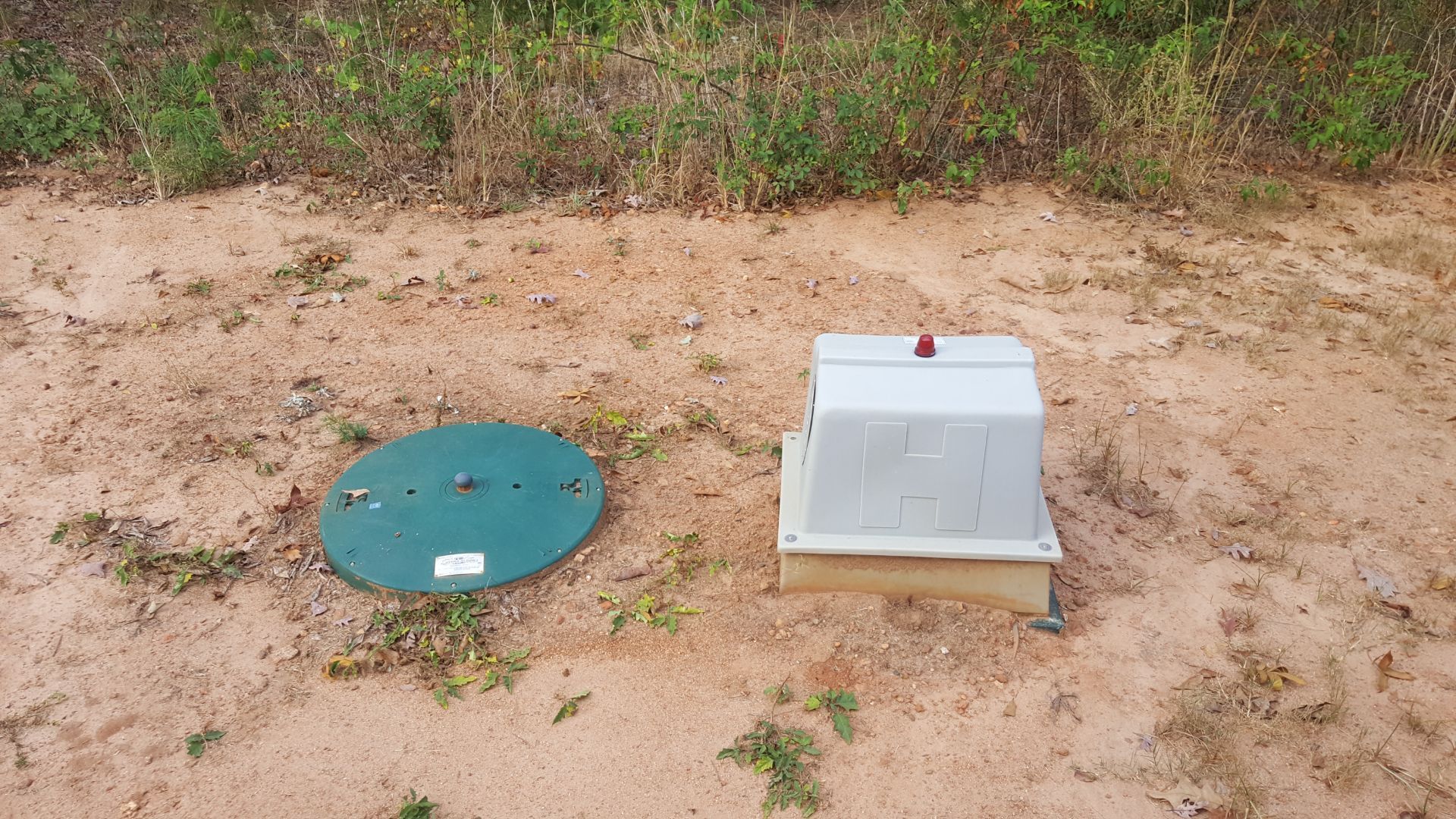
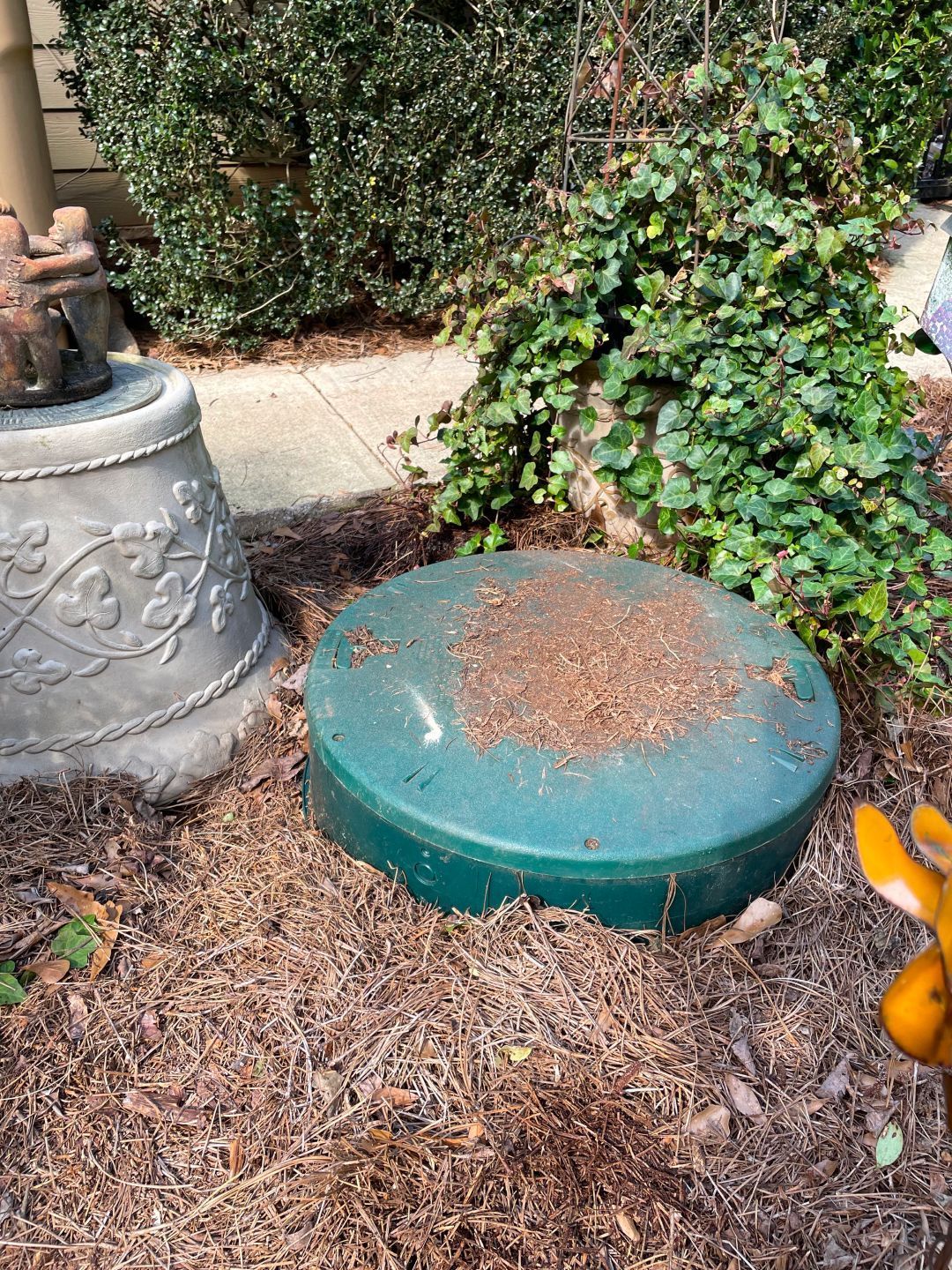
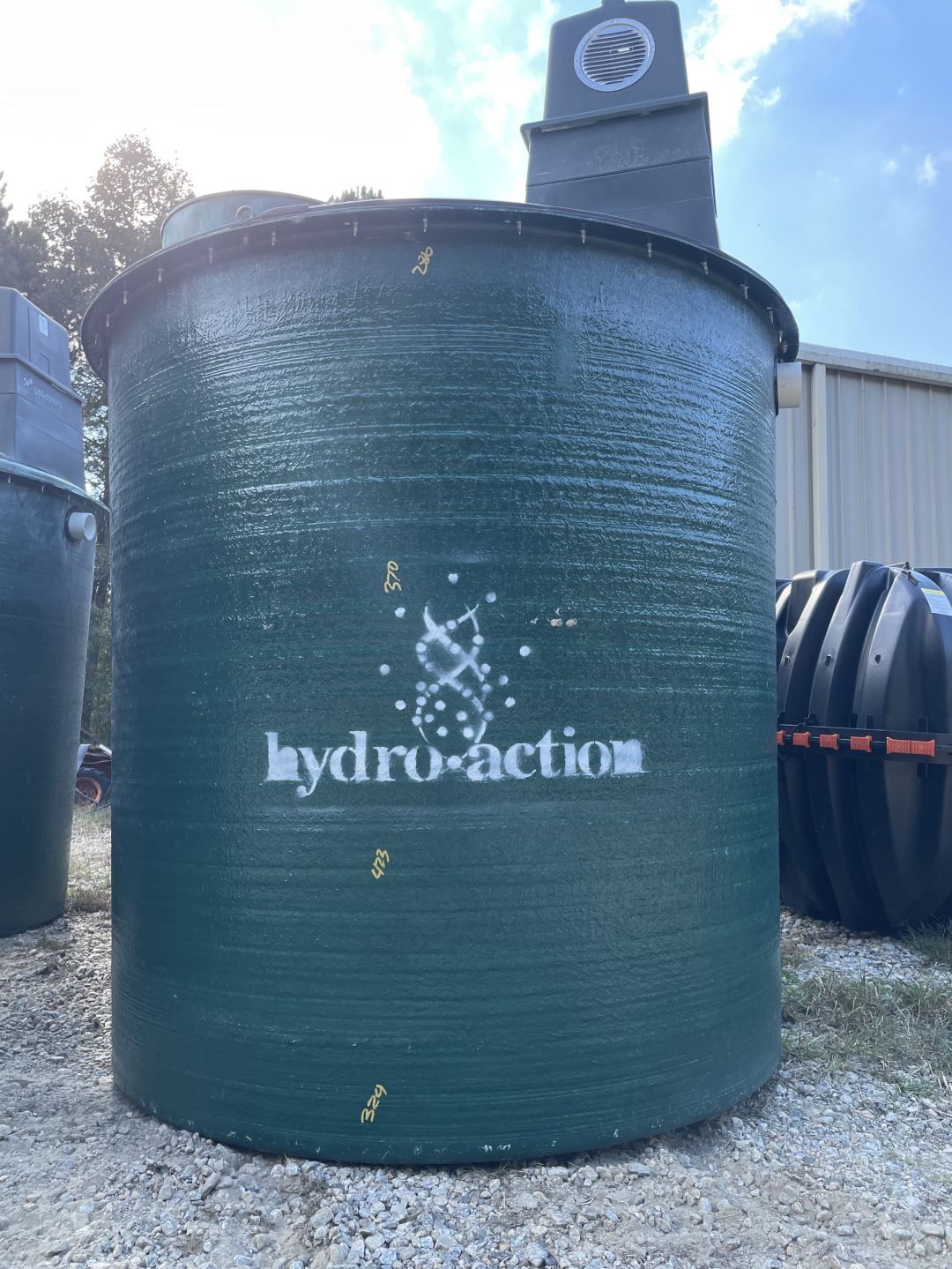
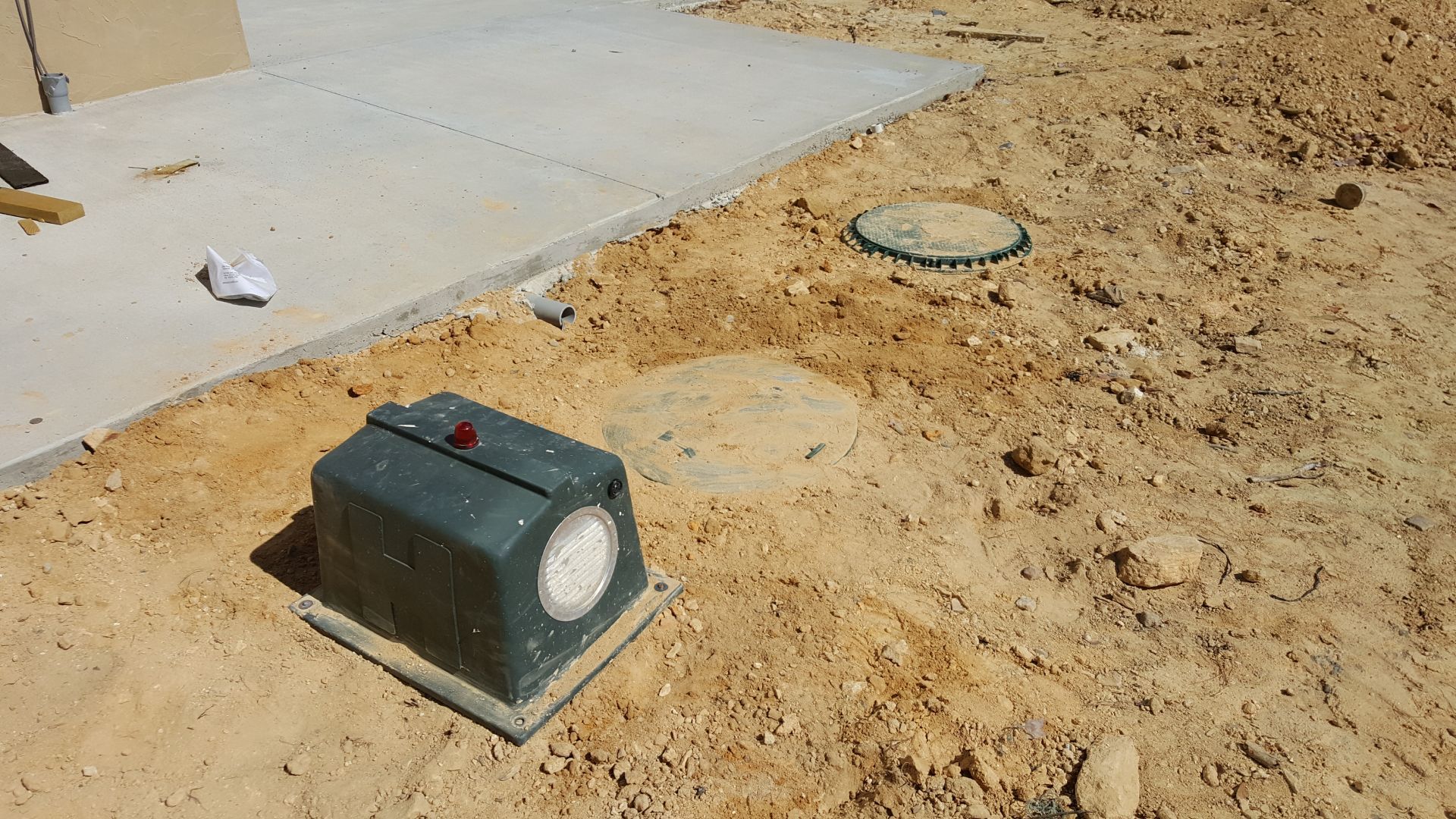
The general condition of the system is an important starting point. This often includes checking the tank area, access points, and the surrounding environment. Conditions around the system, such as soil stability, moisture levels, and site access, can influence both performance and maintenance.
Changes in the surrounding area, including landscaping, grading, or drainage patterns, may also affect how the system operates over time. Observing these factors helps provide context for how the system interacts with its environment.
Aeration and Biological Treatment Activity
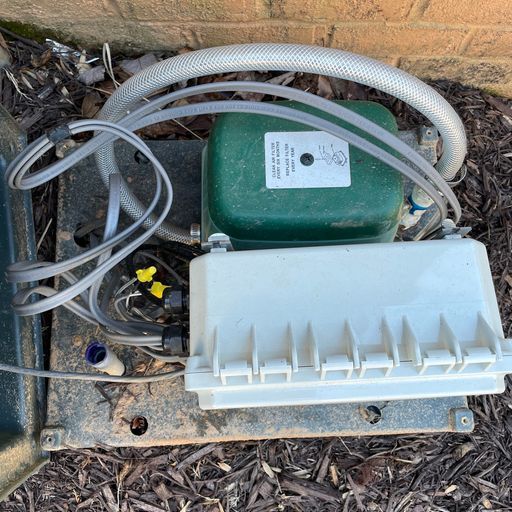
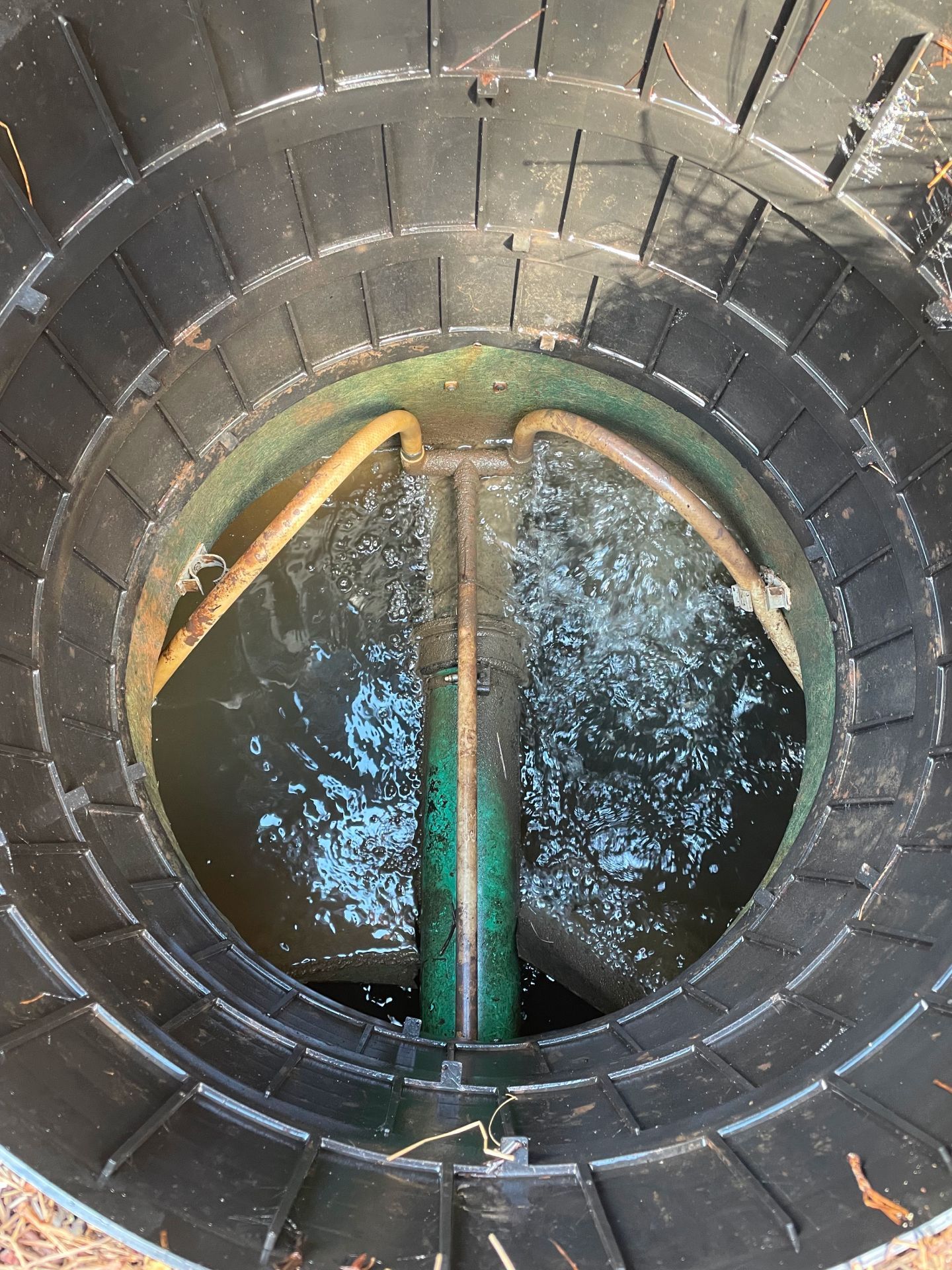
Aeration is central to how ATUs function. Oxygen supports the bacteria that break down waste, and consistent aeration helps maintain stable treatment conditions. During an inspection, attention is often given to how effectively this process appears to be functioning.
Because biological treatment is influenced by temperature, water use, and system balance, inspections can help identify whether conditions remain supportive of effective treatment. This is especially relevant during seasonal transitions, when environmental factors may shift.
Water Levels and Wastewater Movement
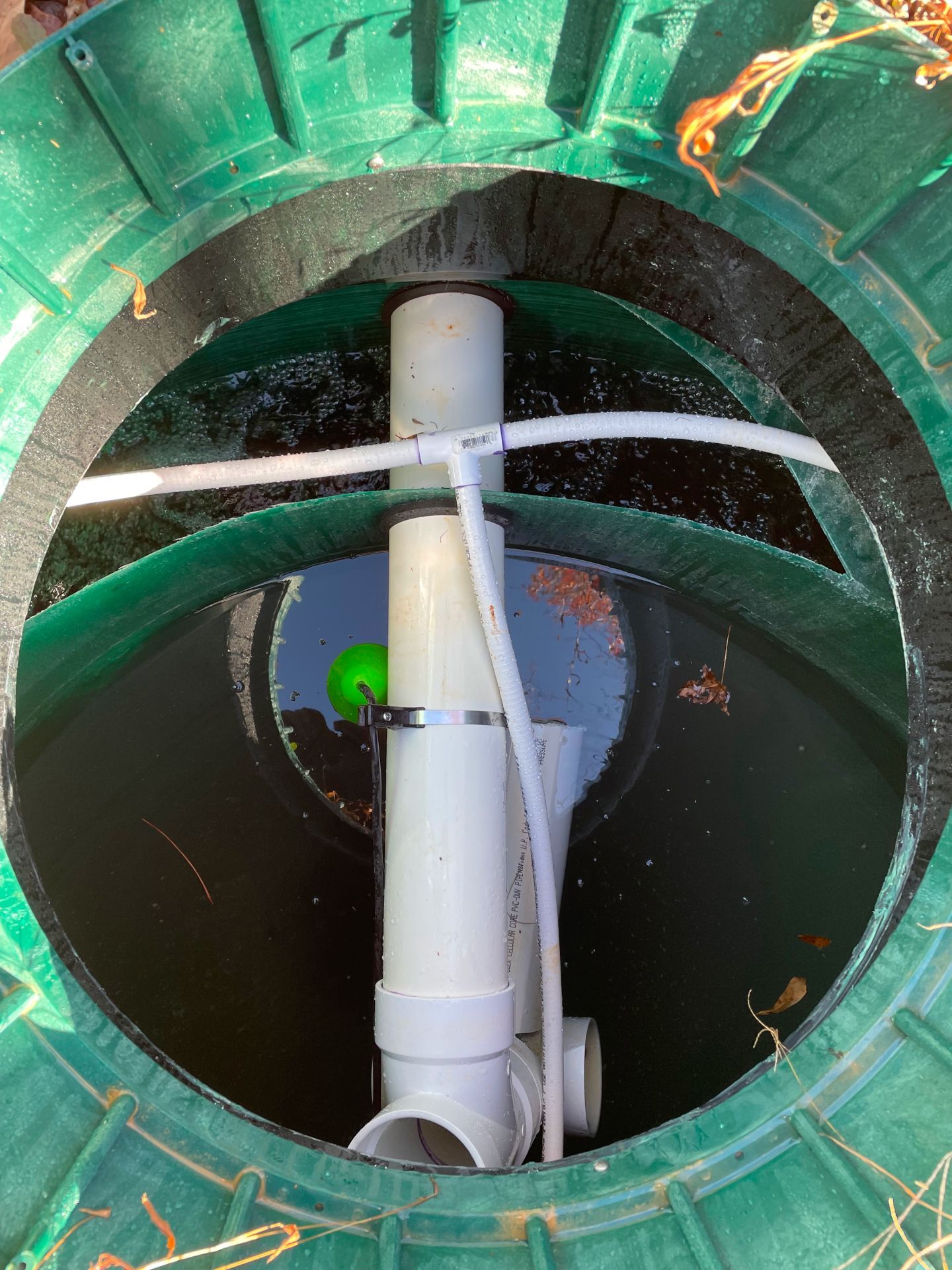
Water levels within the system can provide insight into how wastewater is moving through each stage of treatment. Balanced water levels often indicate that flow and drainage are occurring as expected, while changes may suggest that external conditions or internal processes are influencing performance.
Watching how wastewater moves through the system helps show whether treatment and dispersal are working as they should. This is particularly important during periods of increased rainfall or changes in household water use.
Electrical Components and System Alerts
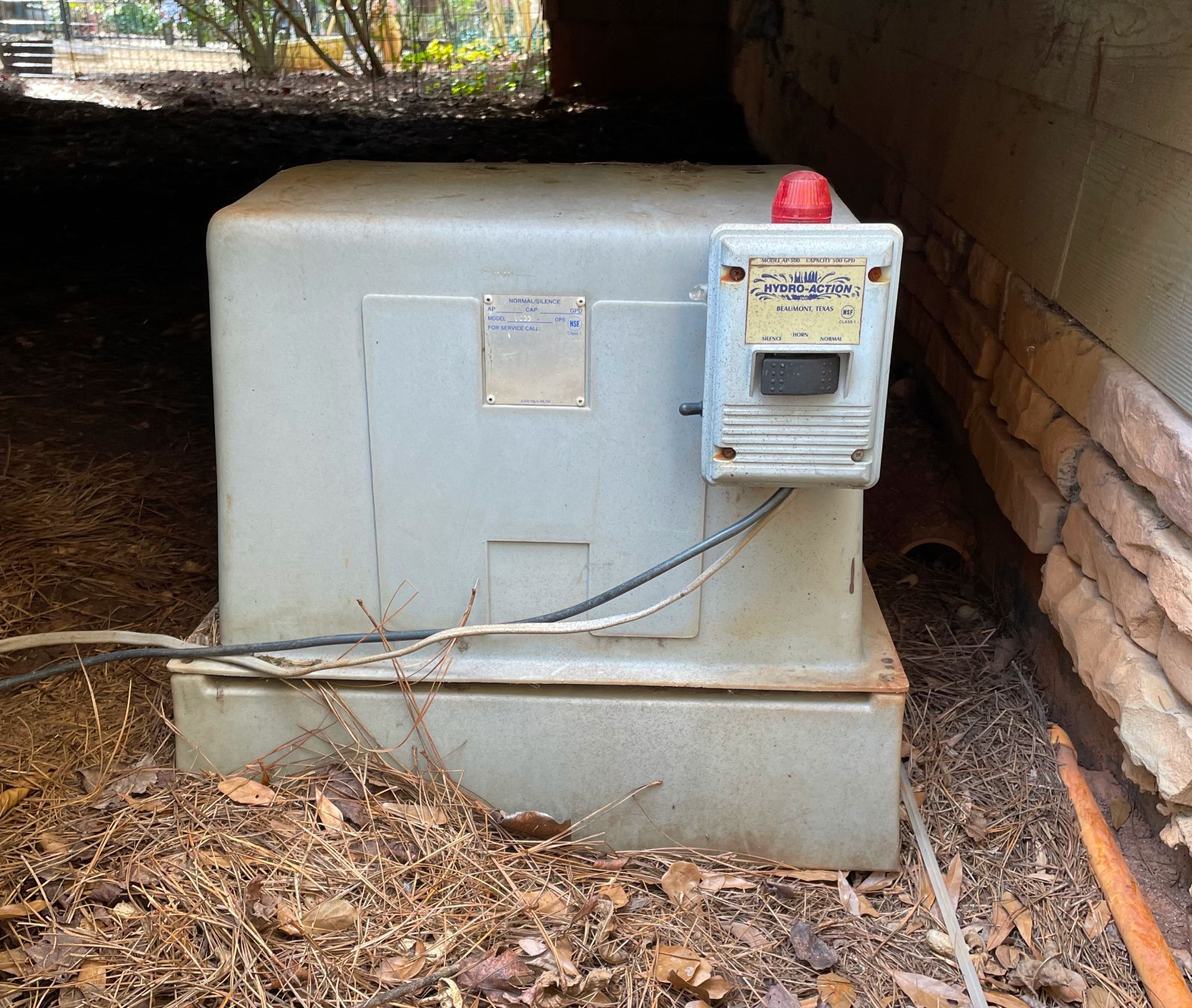
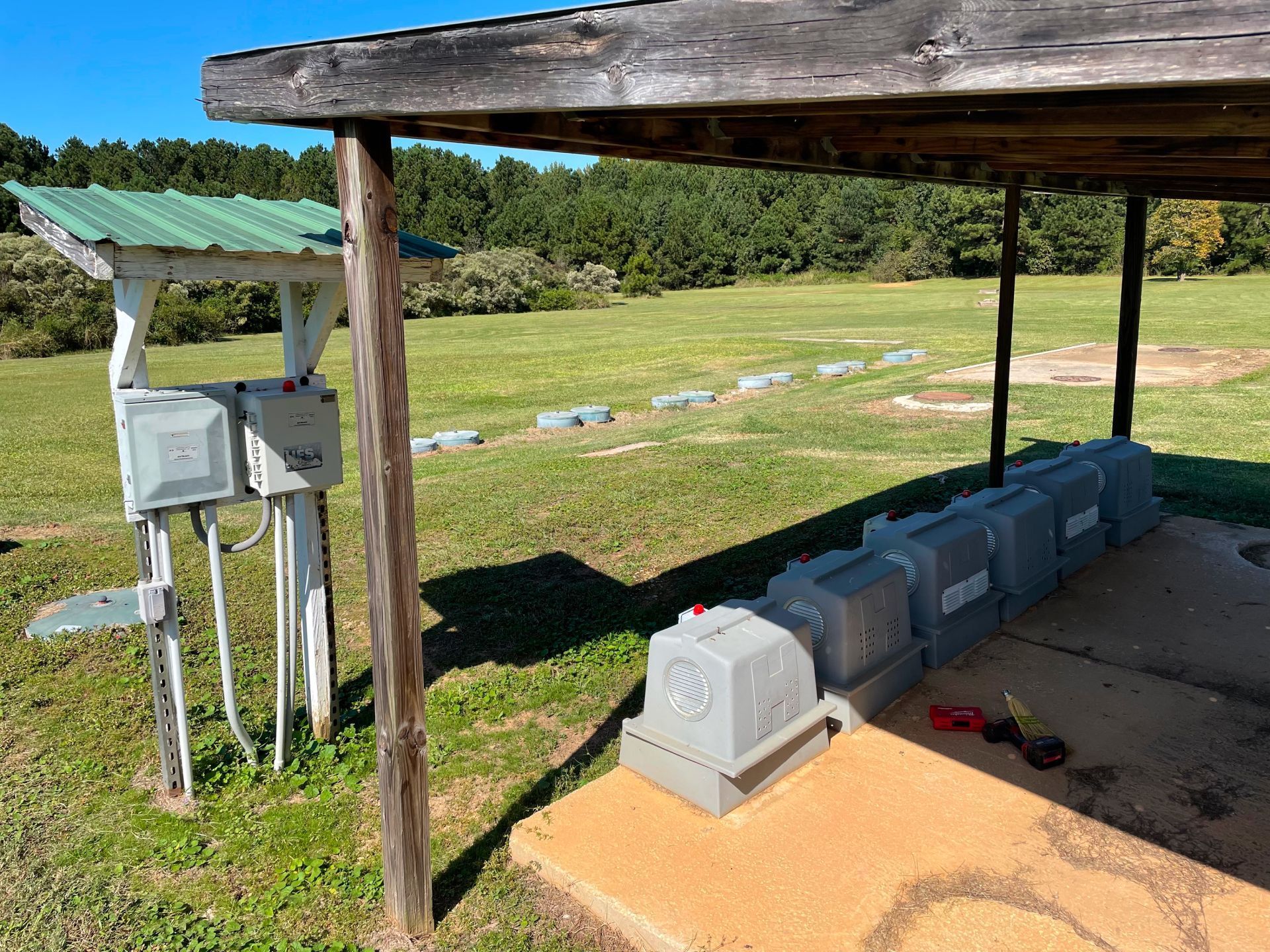
ATUs rely on electrical components to support aeration, pumping, and system monitoring. Control panels and alarms are designed to provide feedback about system conditions. During an inspection, these components may be reviewed to confirm that they are responsive and functioning as intended.
While alarms are often associated with noticeable issues, inspections provide an opportunity to evaluate how these systems operate under normal conditions. This helps ensure alerts function properly if needed in the future.
How Environmental Conditions Influence Inspection Observations
ATU performance is closely connected to environmental conditions. Factors such as rainfall, soil saturation, temperature, and seasonal changes can all influence how the system behaves. With that in mind, inspection findings are often evaluated based on current conditions.
For example, wet soil may affect how quickly treated wastewater is absorbed in the drain field, while colder temperatures can influence biological activity within the tank. These conditions do not necessarily indicate a problem, but they do affect how the system operates.
Understanding how environmental factors contribute to system behavior helps provide a more accurate interpretation of inspection findings. It also helps homeowners better understand how seasonal changes influence performance throughout the year.
What Homeowners May Notice Before or After an Inspection
In many cases, homeowners may observe subtle changes in system behavior that lead them to consider an inspection. These changes are often gradual and may not immediately suggest a specific issue.
Common observations can include slower drainage when multiple fixtures are used, mild or intermittent odors, or changes in soil conditions around the drain field. In some cases, these changes may reflect normal seasonal variation. In others, they may indicate that the system would benefit from further evaluation.
After an inspection, homeowners often have a clearer understanding of whether these observations are part of normal system behavior or indicate conditions that may need to be monitored more closely.
How Often to Schedule an ATU Inspection
Inspection frequency can vary depending on several factors, including system age, household size, and environmental conditions. Systems that experience higher usage or are located in areas with challenging soil conditions may benefit from more frequent evaluation.
Rather than following a fixed schedule in all cases, it is often helpful to consider how the system is being used and how it responds to seasonal changes. Regular inspections provide a consistent point of reference, making it easier to identify changes over time.
The Value of Routine Monitoring and Preventive Care
Routine inspections are one part of a broader approach to maintaining ATU performance. Monitoring how the system behaves throughout the year, along with periodic evaluation, helps support long-term reliability.
Preventive care focuses on maintaining balance within the system rather than reacting to unexpected issues. By understanding how treatment, flow, and environmental conditions interact, homeowners can make informed decisions about system care.
This approach helps reduce the likelihood of sudden disruptions and supports more consistent performance across changing conditions.
Working With Alternative Septic Management for Routine ATU Inspections
Routine ATU inspections provide valuable insight into how a system is performing and how it responds to environmental and usage changes. Understanding these factors helps homeowners maintain confidence in their system and address concerns promptly.
Alternative Septic Management works with homeowners across Georgia to provide ATU inspections and ongoing support. By evaluating system performance and considering the conditions that affect it, they help homeowners maintain reliable wastewater treatment year-round.
If it has been some time since your last inspection or if you have noticed changes in system behavior, scheduling an evaluation can provide helpful clarity. Call or text 404-788-3474 or visit the website to schedule an appointment and learn more about routine ATU inspections and ongoing system care.