The Impact of Cold Weather on ATU Bacteria and Treatment Performance
Cold weather in Georgia rarely brings long stretches of freezing temperatures, but it does affect how aerobic treatment units (ATUs) operate. Many homeowners assume that if there are no alarms or backups, the system must be working the same way it does in warmer months. In reality, colder nights and lower soil temperatures can affect the bacteria in the unit and the efficiency of treatment. When you understand what changes in winter, it becomes easier to spot regular seasonal shifts, avoid unnecessary strain on the system, and stay ahead of issues that tend to show up when conditions are cold and wet.
Alternative Septic Management works with Georgia homeowners to inspect ATU performance during winter conditions and explain how temperature, moisture, and household water use can affect treatment.
Why Biological Treatment Is Central to ATU Function
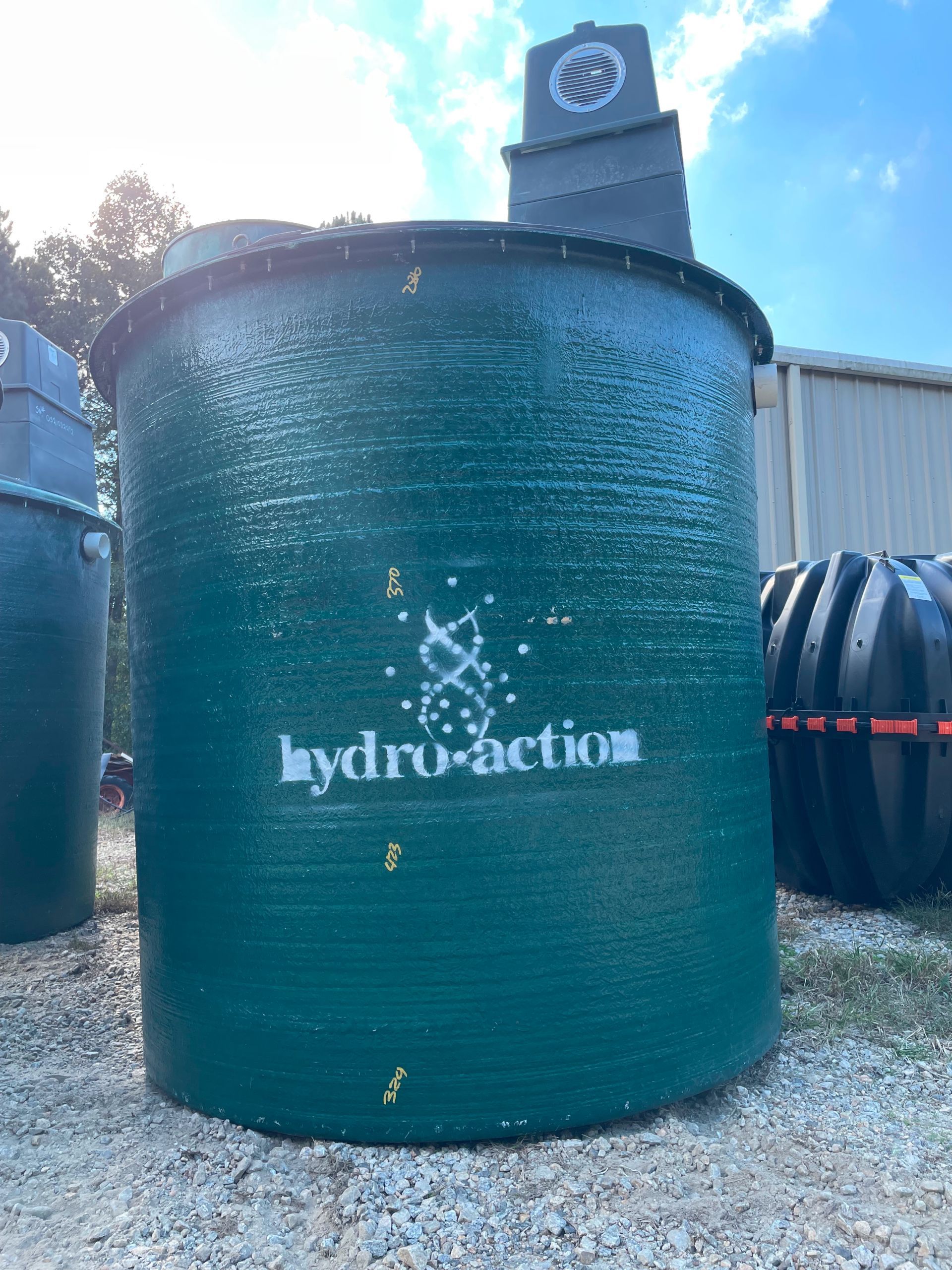
ATUs treat wastewater using oxygen and naturally occurring beneficial bacteria. The bacteria do most of the work. They break down organic material so wastewater can move through the system as treated wastewater before it reaches the drain field. Aeration supports the biological process by maintaining oxygen availability, which helps bacteria remain active and effective.
When the biological side of an ATU is stable, the system tends to operate more consistently. When that balance is disrupted, you may see slower treatment, changes in odor control, or stress on mechanical components as the system tries to keep up. Cold weather does not shut bacteria down, but it can slow their activity and make the system more sensitive to other seasonal factors.
What Changes Inside an ATU When Temperatures Drop
Winter affects the internal environment of an ATU in quiet ways. The unit may still run, the aerator may still sound normal, and the household may not notice anything unusual. At the same time, the biological process can be moving more slowly than in spring or summer.
Slower Bacterial Activity in Cooler Conditions
Bacteria remain active in winter, but cooler temperatures generally reduce the speed at which they break down waste. Think of it like your system shifting into a lower gear. Treatment still happens, but it can take longer for wastewater to reach the same level of processing it would in warmer conditions.
When treatment slows, the system can become less forgiving of sudden changes in flow. Larger bursts of water, higher indoor activity, or extended wet soil conditions can have a bigger impact because the bacteria are already working at a slower pace.
Oxygen Levels and Aeration Performance in Cold Weather
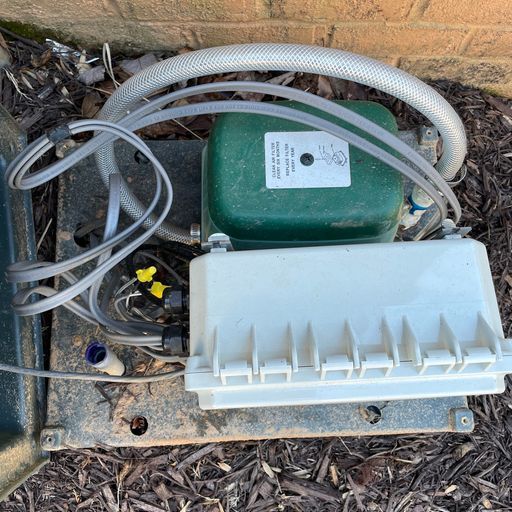
Aeration is always crucial in an ATU, but it becomes especially important when bacterial activity slows. Oxygen supports the bacteria, and steady aeration helps maintain a stable treatment environment.
Winter weather typically does not significantly change oxygen demand, but it can expose issues that were easy to miss during warmer months. If an aerator is aging, running inconsistently, or not delivering the oxygen it should, the system may struggle more in winter because bacteria are already operating more slowly. That combination can affect treatment quality and lead to more noticeable symptoms later in the season.
The Relationship Between Temperature and Treatment Efficiency
In practical terms, colder weather can affect treatment efficiency by changing how quickly waste breaks down. That does not mean the system stops working. It means the system may need more time to process what it receives, and steady operating conditions become more critical.
Extended Processing Time for Waste Breakdown
When temperatures drop, wastewater and the tank contents can remain cooler for longer. Cooler tank conditions can lead to longer processing time for organic material. If water use patterns are steady and the drain field is dispersing properly, the system often adjusts without noticeable issues. If winter conditions add stress, such as saturated soil or increased household water use, slower processing can strain the system.
This is also why sudden spikes in water use can feel different in winter. If the system is already processing more slowly, a concentrated increase in flow can reduce the time bacteria have to do their job before wastewater moves through the next stages of the system.
External Winter Conditions That Influence Internal Treatment
Cold weather is only one part of the winter picture. In Georgia, winter is often wetter, and what happens outside the tank can influence what happens inside it.
Saturated Soil and Reduced System Recovery
During winter, soil can remain saturated after rainfall for longer periods. When soil stays wet, the drain field may absorb treated wastewater more slowly. That reduced absorption can limit the system’s ability to recover between usage cycles. Wastewater may remain in the system longer, internal levels may stay elevated, and mechanical components may have to work harder to maintain normal function.
This can also affect the biological process. Stable treatment depends on a predictable flow and balanced conditions. When drainage slows and water levels stay higher, the overall system can become more sensitive to changes in household water use, power interruptions, or equipment wear.
Signs Biological Treatment May Be Slowing During Winter
Many winter-related performance changes are subtle at first. Homeowners may not see a dramatic problem, but they may notice small shifts that are worth paying attention to.
One example is odor changes. Mild odors near the tank area or around the drain field can indicate that treatment is not keeping pace the way it does in warmer months. Another is slower drainage inside the home, mainly when multiple fixtures are used close together. In some cases, alarms may activate if internal levels rise due to slower dispersal or equipment issues.
These signs do not necessarily indicate that the system is failing. They often mean the system is under seasonal stress and may benefit from evaluation before a minor issue becomes a larger one.
Supporting Stable Biological Treatment During Cold Weather
The most helpful approach during winter is awareness. When homeowners understand that bacteria work more slowly in cold conditions, it becomes easier to interpret what the system is doing. A few key habits support stability.
First, it helps to avoid concentrated water use when possible. Spreading out laundry, dishwashing, and showers can reduce peak flow, giving bacteria more time to process waste. Second, it is essential to be careful about what goes down drains. ATUs depend on a healthy treatment environment, and excessive grease, food waste, or non-flushable items can interfere with flow and filtration.
Finally, paying attention to changes in the yard around the drain field can be helpful. Persistently soft ground, standing moisture, or unusual vegetation changes can indicate that winter soil conditions are limiting absorption, which can influence internal system performance.
Professional Inspection During Winter Conditions
Winter is a practical time to schedule an evaluation because it provides a real-world picture of how an ATU is handling colder, wetter conditions. A seasonal inspection can help confirm that aeration is stable, system controls are functioning correctly, and treatment conditions remain balanced.
Alternative Septic Management works with homeowners across Georgia to assess ATU operation during winter, explain what is normal for the season, and identify concerns that may affect long-term performance. This kind of assessment is especially helpful when the system has not been inspected recently, when homeowners notice performance changes, or when winter weather has been consistently wet.
Maintaining Reliable ATU Performance Through Georgia Winters
Cold weather does not usually create sudden, dramatic changes in ATU function. Instead, it tends to slow treatment, reduce recovery time, and make the system more sensitive to other seasonal stressors. When homeowners understand the role bacteria play in treatment, and how winter conditions affect that process, they are better prepared to support stable operation.
Alternative Septic Management supports Georgia homeowners with ATU inspections and maintenance designed to keep systems operating reliably throughout winter. If you have questions about winter ATU function or want to schedule an inspection, call or text 404-788-3474 or visit the website to schedule service.