Understanding Hydraulic Loading in Aerobic Treatment Units
Aerobic treatment units (ATUs) are designed to treat wastewater steadily and consistently. When everything is working as expected, water flows into the system at a manageable rate, treatment occurs efficiently, and the drain field absorbs treated effluent without added strain. One key factor that influences this balance is hydraulic loading.
Hydraulic loading refers to the amount of water entering the system and how quickly it moves through each stage of treatment. It is not just about total daily water use. The timing and distribution of that water play an important role in how well the system performs. Alternative Septic Management works with homeowners across Georgia to evaluate ATU performance, including how flow patterns can influence treatment and overall system stability.
What Hydraulic Loading Means in an ATU System
Hydraulic loading describes the volume of wastewater entering an ATU and the rate at which it flows through the system. A home may use a consistent amount of water each day, but if that water enters the system in large bursts rather than being spread out, the system may respond differently.
ATUs are designed to handle everyday household water use, but they perform best when that use is distributed evenly. When water enters the system at a steady pace, treatment processes can remain balanced, and each stage of the system has time to function as intended.
When flow becomes uneven, even without increasing total water use, it can influence how wastewater is treated and how effectively it moves through the system.
How Aerobic Treatment Units Are Designed to Handle Flow
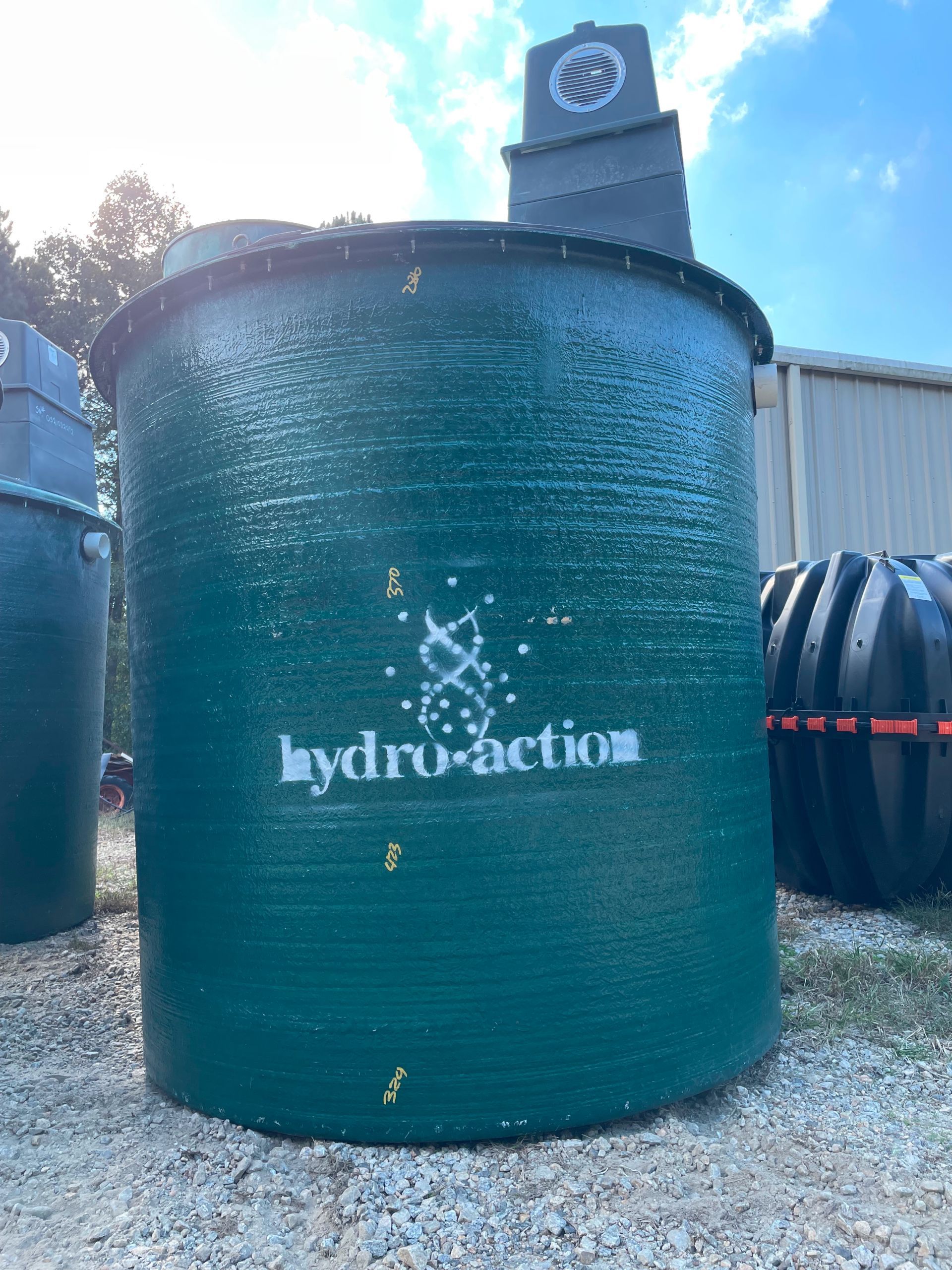
ATUs treat wastewater in stages. Inside the tank, oxygen supports beneficial bacteria that break down waste. After treatment, effluent moves to the drain field, where it is absorbed into the surrounding soil.
Each stage depends on timing. Wastewater needs enough time in the treatment tank for biological processes to occur, and the drain field needs time to absorb and disperse treated water between cycles. When the flow remains steady, these stages stay in balance.
If large volumes of water enter the system all at once, the timing between stages can shift. Wastewater may move through the system more quickly, and the drain field may not have enough time to recover before receiving additional flow.
How Hydraulic Loading Influences Treatment Performance
Hydraulic loading can affect multiple aspects of system operation, particularly during periods of concentrated water inflow.
The Impact of Sudden High Water Volumes
When several water-using activities occur simultaneously, a large volume of wastewater can enter the system in a short period. This can temporarily change internal conditions and reduce the system’s ability to process wastewater at its usual rate.
Although the system may recover, repeated high-volume events can increase overall strain and make performance less consistent.
Dilution of Beneficial Bacteria
ATUs rely on a stable population of bacteria to treat wastewater. When a surge of water enters the system, it can dilute the concentration of these bacteria, making it more difficult for them to break down waste efficiently.
This does not stop treatment, but it can reduce how effectively the system processes wastewater during and after periods of heavy flow.
Reduced Contact Time Within the System
Treatment depends on contact time; the amount of time wastewater remains in the system while biological processes occur. When flow increases suddenly, wastewater may move through the system more quickly than intended.
Shorter contact time can affect how thoroughly wastewater is treated before it reaches the next stage, especially if these conditions occur frequently.
Common Household Patterns That Influence Hydraulic Loading
Many everyday habits influence how water flows into an ATU. These patterns are often normal but can affect system performance when they occur in concentrated periods.
Concentrated Water Use During Busy Periods
Morning and evening routines often involve multiple water-using activities happening close together. Showers, dishwashing, and laundry may all take place within a short window of time. This creates temporary spikes in flow that can affect how wastewater moves through the system.
Appliance Use and Water Timing
Appliances such as washing machines and dishwashers can add significant volumes of water to the system. Running multiple loads back-to-back or using several appliances at once can increase hydraulic loading, even if total daily water use remains unchanged.
How Hydraulic Loading Affects the Drain Field
The drain field plays a critical role in the final stage of wastewater treatment. After wastewater is treated in the ATU, it must be absorbed into the surrounding soil at a steady rate.
When hydraulic loading increases, the drain field may receive more water than it can absorb at once. This can slow down dispersal and limit the system’s ability to recover between cycles.
Over time, repeated periods of high flow can affect how evenly wastewater is distributed and how well the soil is able to perform its filtering role. Even in systems that are otherwise functioning properly, uneven loading can create temporary imbalances.
Recognizing When Hydraulic Loading May Be Affecting Your System
Hydraulic loading does not always lead to immediate or obvious problems. In many cases, the effects are gradual and may appear as subtle changes in system behavior.
Homeowners may notice slower drainage when multiple fixtures are used at the same time or mild changes in how the system responds during busy periods. In some cases, damp areas near the drain field may take longer to dry after heavy use or rainfall.
These observations do not necessarily indicate a malfunction, but they can suggest that flow patterns are influencing system performance. Recognizing these patterns can help determine when further evaluation may be helpful.
Supporting Balanced Flow in Everyday Use
Maintaining balanced hydraulic loading does not require major changes. It often begins with awareness of how water is used throughout the day.
Spreading out water use rather than concentrating it into short periods gives the system more time to process wastewater and recover between cycles. This helps maintain stable conditions within the treatment tank and supports consistent absorption in the drain field.
Being mindful of how and when appliances are used can also help reduce sudden increases in flow. These small adjustments can contribute to more predictable system performance over time.
The Role of Professional Evaluation in Understanding System Flow
While daily habits influence hydraulic loading, inspections provide a broader view of how the system is responding to those patterns. Evaluations can help determine whether flow, treatment, and drainage are working together as expected.
Alternative Septic Management works with homeowners across Georgia to assess ATU performance, including how hydraulic loading may be affecting system balance. By considering water use patterns alongside environmental conditions, inspections help provide a clearer understanding of overall system behavior.
Supporting Long-Term ATU Performance With Alternative Septic Management
Hydraulic loading is a key factor in how an ATU operates, but it is often overlooked because it is not always visible. Understanding how water moves through the system and how timing affects treatment helps homeowners maintain more consistent performance.
Alternative Septic Management provides inspections and ongoing support for ATU systems across Georgia, helping homeowners better understand how their systems respond to daily use. If you have noticed changes in drainage, system behavior, or water flow patterns, scheduling an evaluation can help provide clarity and support reliable operation.
Call or text 404-788-3474 or visit the website to learn more about ATU inspections and system care.