How Georgia's Summer Heat Affects Your ATU
When summer arrives in Georgia, most homeowners shift their attention to keeping the house cool, maintaining the yard, and making plans for the months ahead. The septic system is rarely at the top of that list, and honestly, that makes sense. When everything is working the way it should, it is easy to forget there is a complex system quietly treating wastewater underground every single day.
But summer in Georgia is not a quiet season for aerobic treatment units. The heat, the humidity, the extended dry spells, and the changes in how much water a household uses can all add up to real stress on an ATU. Understanding what is happening to your system during these months and knowing what to watch for are among the simplest ways to avoid a costly surprise when temperatures are at their peak.
We work with Georgia homeowners and property owners throughout the year, and summer consistently brings a specific set of concerns worth paying attention to before the heat settles in.
Why Summer Creates Unique Pressure on Aerobic Treatment Units
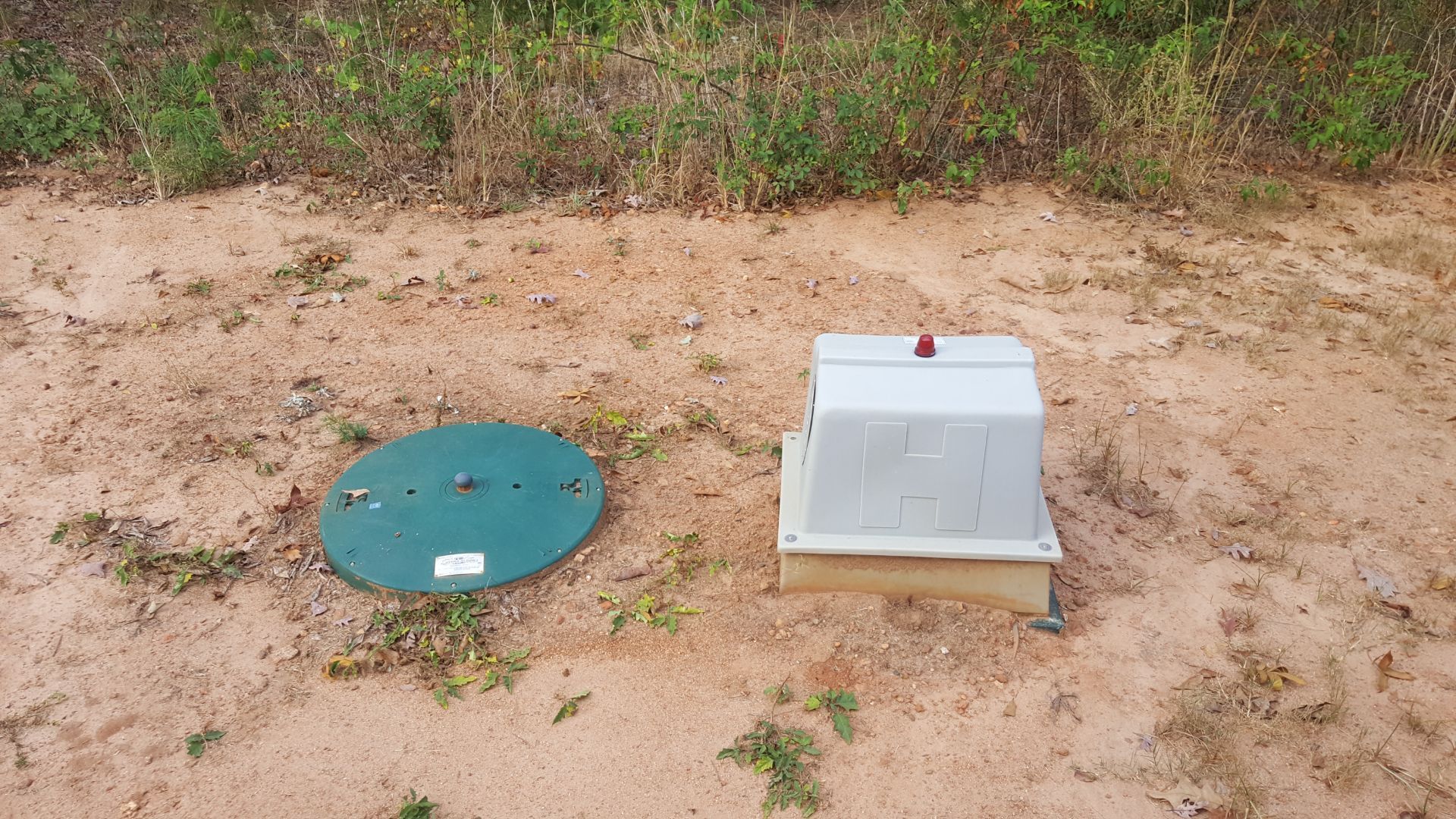
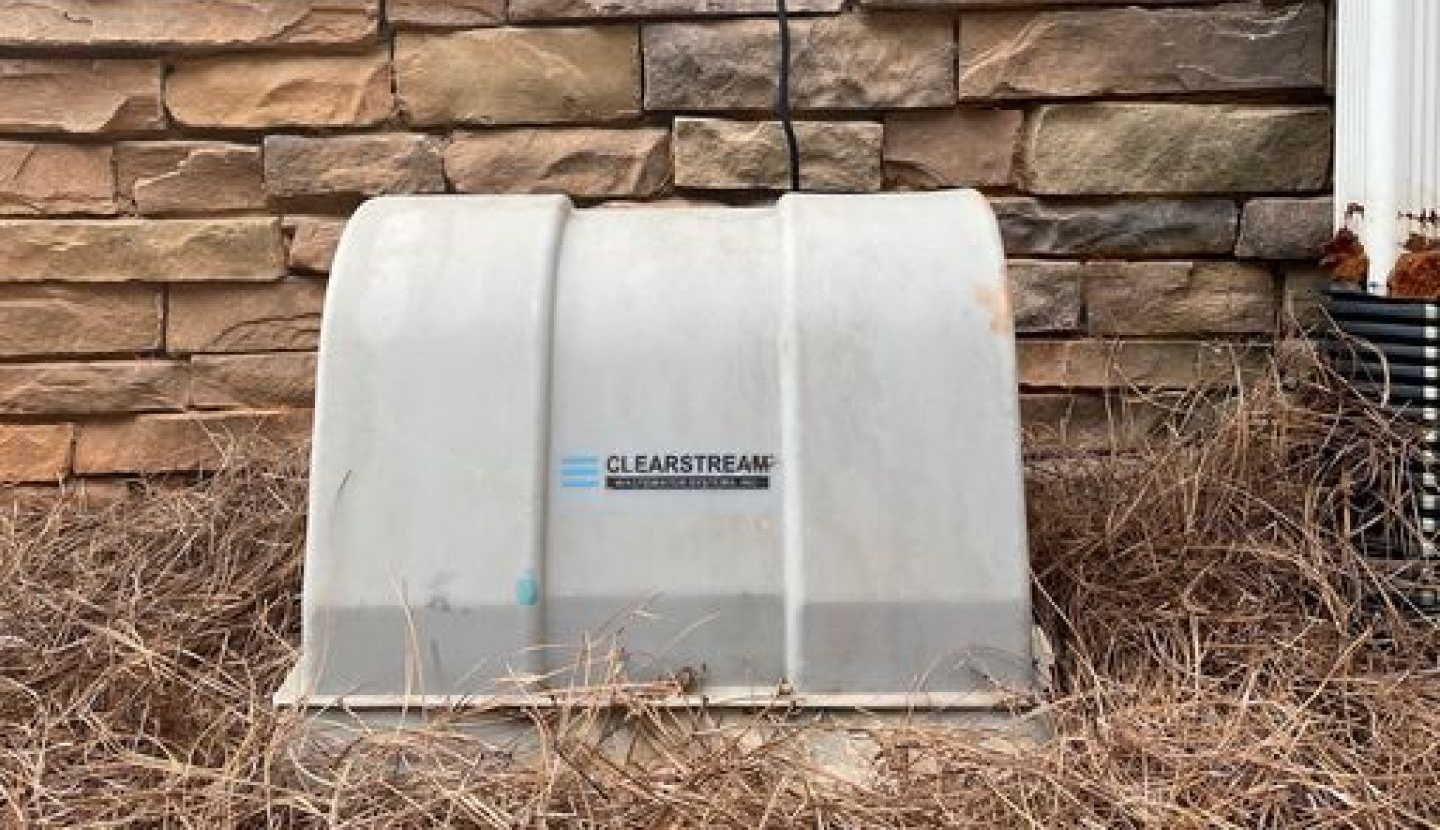
An aerobic treatment unit is not a passive system. It relies on oxygen, active bacteria, functioning pumps, and consistent operating conditions to effectively treat household wastewater. When any of those elements are disrupted, the system has to work harder to keep up, and in some cases, it cannot keep up at all.
Summer disrupts several of those conditions simultaneously, which is what makes it one of the more demanding seasons for ATU performance.
Heat, Drought, and the Strain on Biological Treatment
The aerobic bacteria living inside your ATU are what make the treatment process work. They break down waste, process organic material, and help ensure that what leaves your system is properly treated before it reaches the drain field. Those bacteria are sensitive to their environment, and extreme heat can interfere with their activity.
When temperatures climb and stay elevated for extended periods, the biological treatment process inside the tank can become less efficient. That means the system may struggle to keep pace with normal household output, even without any mechanical failure involved.
Georgia's summers also bring extended dry periods between rain, which affects the drain field and further strains the system's biological processes. For homeowners in Walton, Newton, and Morgan Counties, the red clay soils common throughout this region are particularly vulnerable to drought. When the ground dries out and hardens, it loses much of its ability to absorb and filter treated effluent the way it should. The drain field becomes less effective, and the system has nowhere for treated water to go at the rate it normally would.
The situation can actually worsen when summer storms finally arrive. After a long dry stretch, hardened soil does not absorb water quickly. When heavy rain falls on already-stressed soil, it can quickly become oversaturated, putting additional pressure on a drain field already struggling to do its job.
Increased Household Load During Summer Months
Beyond the environmental stress, summer simply means more activity in most homes. Kids are out of school. Families host guests. Outdoor entertaining picks up. Laundry runs more frequently. People are showering and washing up more after time spent outside.
All of that adds up to more water moving through the system each day, and for an ATU already managing heat-related strain, an increase in daily load can push it past a comfortable operating threshold. Many systems are sized for a household's typical daily water use, not for peak summer conditions with a full house and a busy weekend of gatherings.
Understanding the connection between everyday summer habits and what the system experiences underground helps homeowners make smarter decisions during the hottest months of the year.
Warning Signs That Your ATU Is Under Stress
One of the most practical things a homeowner can do is know what to look and listen for. An ATU under stress usually gives signals before a full problem develops. Catching those signs early makes a real difference in what kind of service is needed and what it costs.
Odors, Slow Drains, and Alarm Activations
Three of the most common early warning signs tend to appear around the same time, and all of them deserve a prompt response rather than a wait-and-see approach.
Persistent odors near the tank or the drain field are often among the first things homeowners notice. A faint smell after heavy rain is not unusual, but a consistent, unpleasant odor during dry summer weather typically signals that the treatment process is not keeping up. Heat accelerates odor development, so what might have been barely noticeable in cooler months can become difficult to ignore in July.
Slow drains inside the home, particularly in sinks, showers, or toilets that previously drained without issue, can indicate that the system is struggling to move water efficiently. This is one of the earlier visible signs that something is not right, and it is worth taking seriously rather than attributing it to a simple plumbing issue.
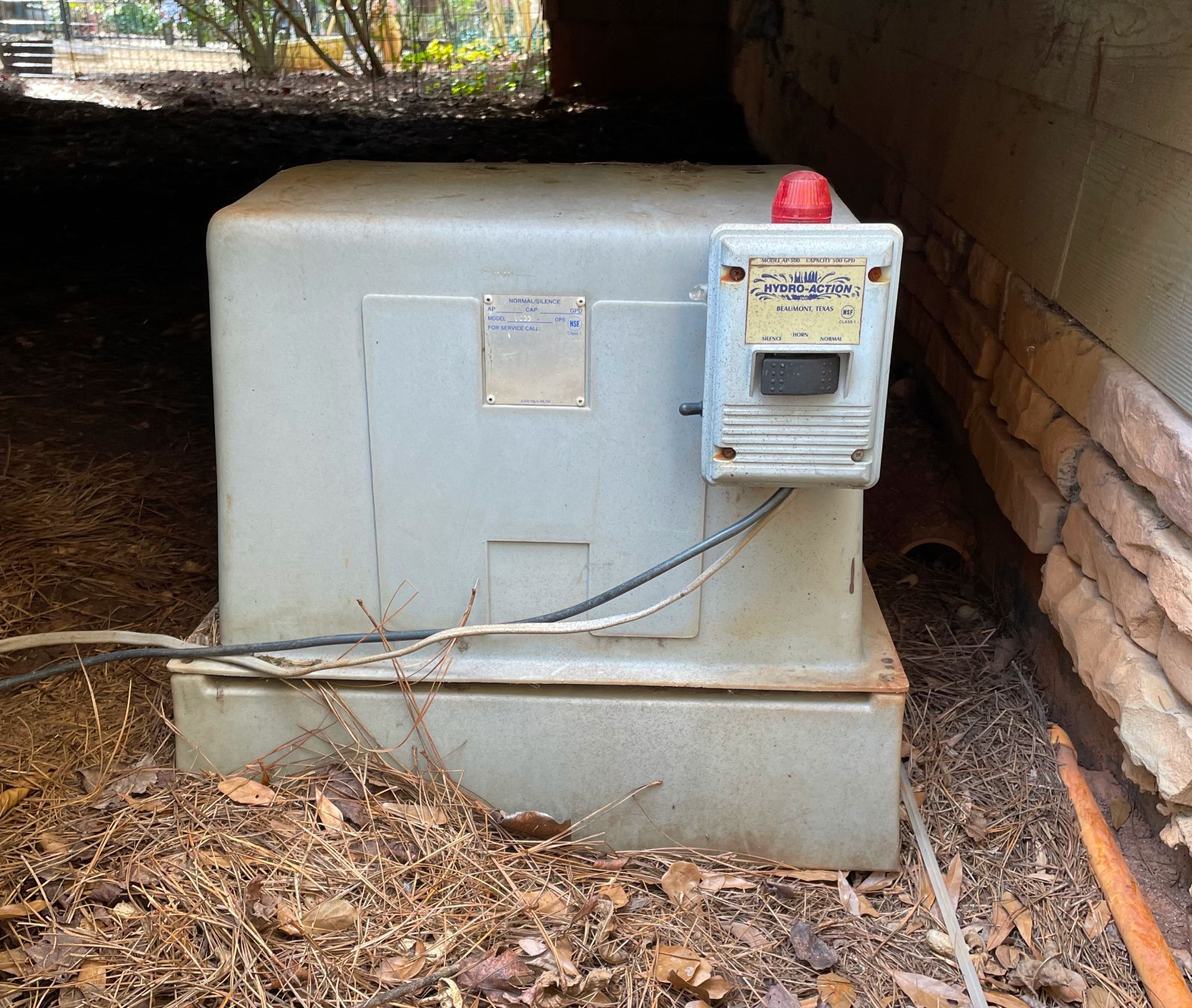
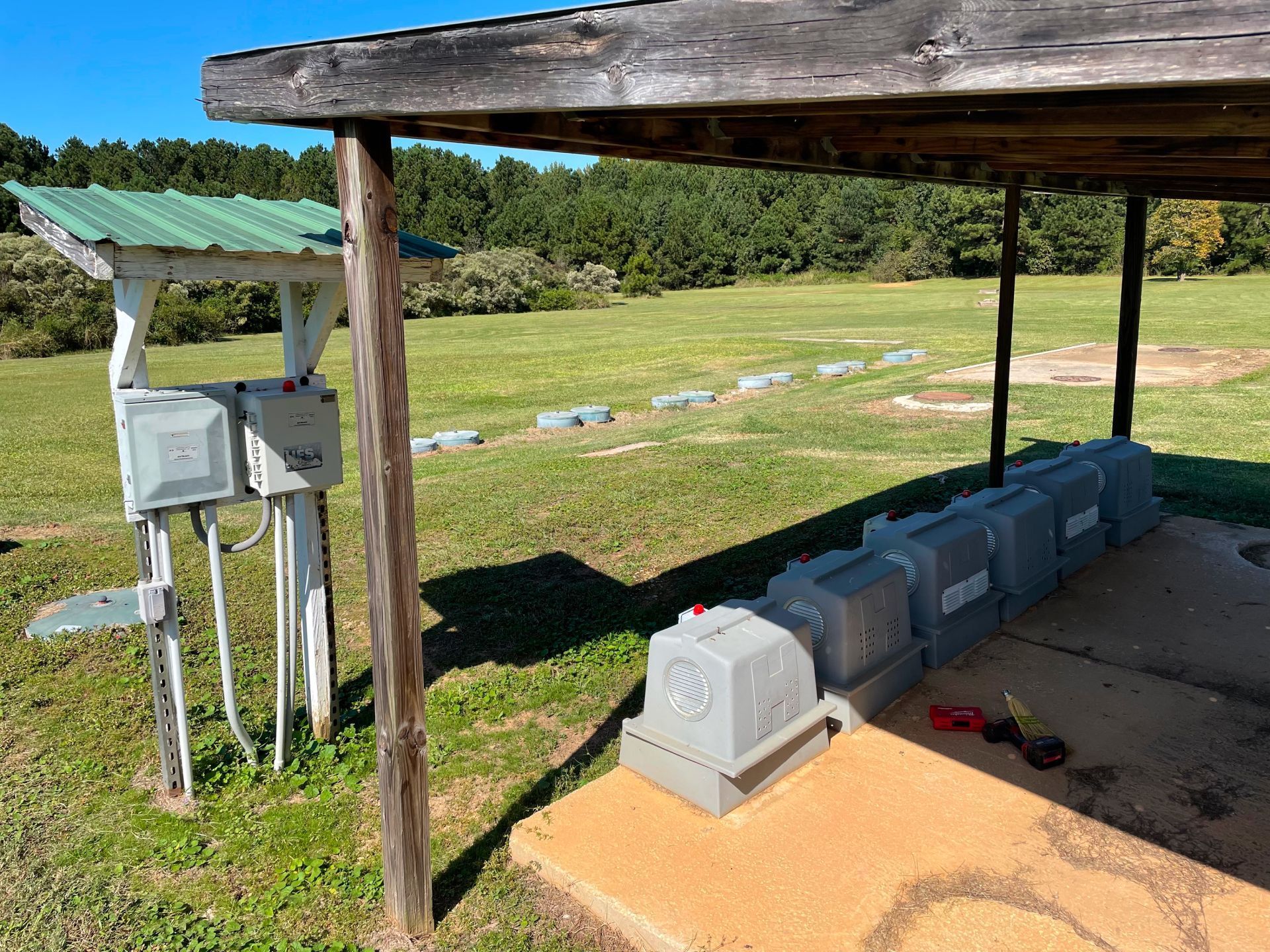
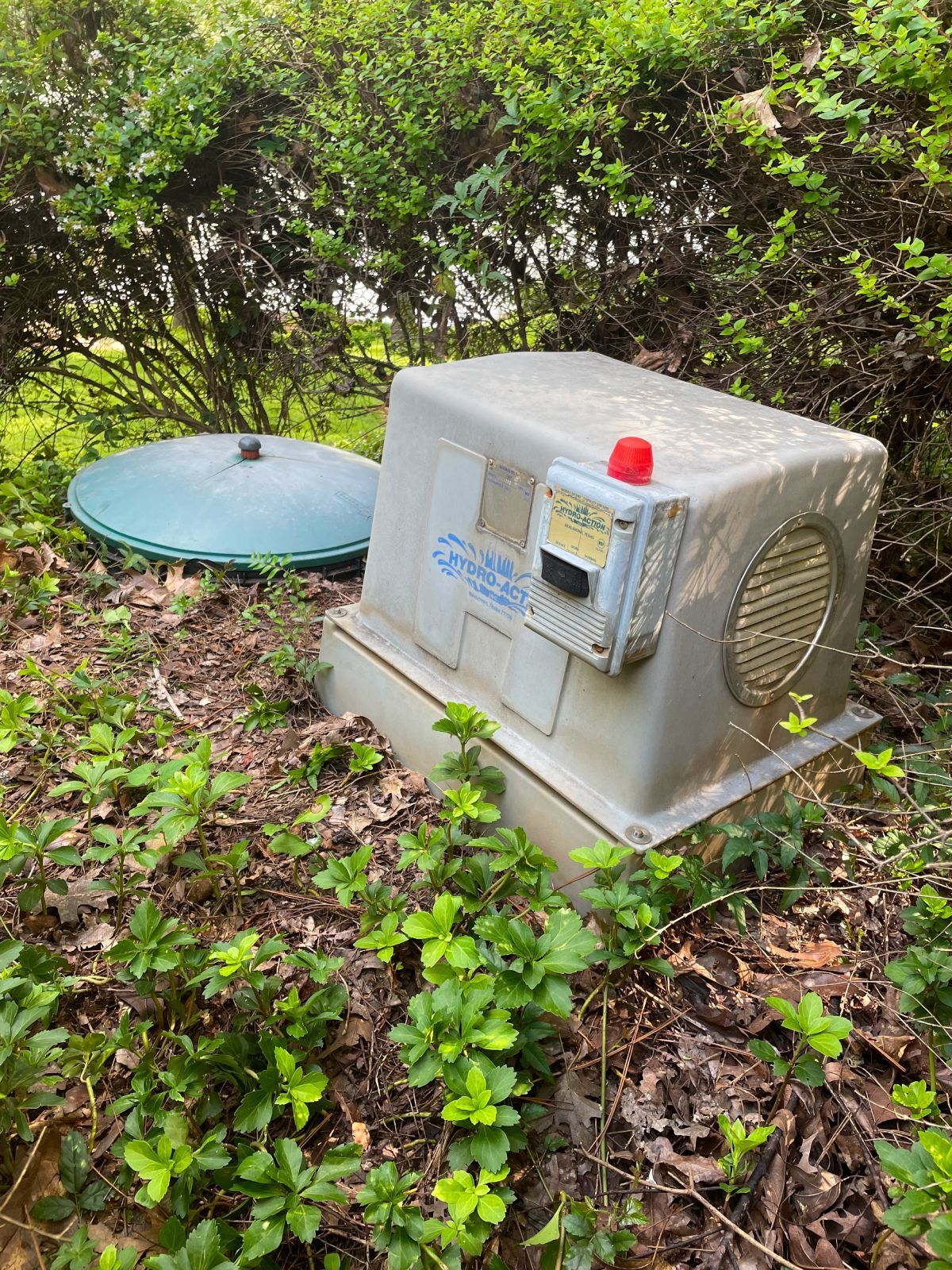
Alarm activations or indicator lights on your ATU control panel are the system's way of telling you directly that something needs attention. High water levels, pump strain, or aeration issues can all trigger these alerts during summer. We always recommend against resetting an alarm without first understanding what caused it. A reset does not resolve the underlying issue, and ignoring what triggered the alarm can allow a manageable problem to grow into a significant repair.
Standing Water or Unusual Growth Near the Drain Field
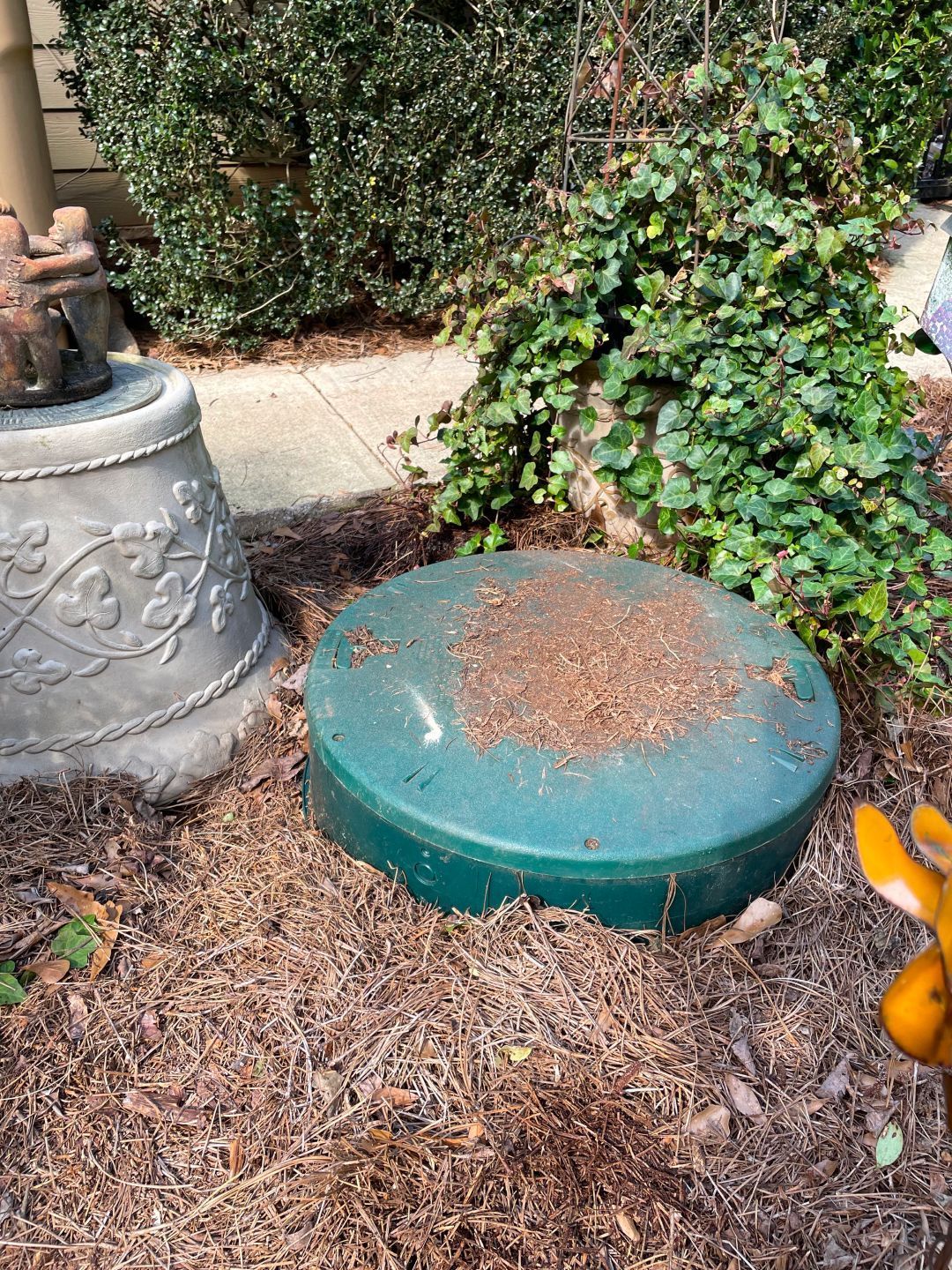
During a dry Georgia summer, finding soggy ground or an unusually lush, green patch of grass near your drain field is not a good sign. It can be tempting to chalk it up to a quirk of the lawn, but this kind of visual signal near the drain field almost always indicates that treated water is surfacing rather than properly absorbing into the soil.
This is one of the more visible signs that the drain field is under stress and that the system needs professional attention. Left unaddressed, it can develop into a more serious and expensive situation.
What We Recommend Before the Heat Peaks
The most cost-effective approach to summer ATU care is a proactive one. Scheduling a pre-summer inspection before temperatures peak allows our technicians to identify and address potential problems before they become a problem during the months when your system is working hardest.
Pre-Summer Inspections and Component Checks
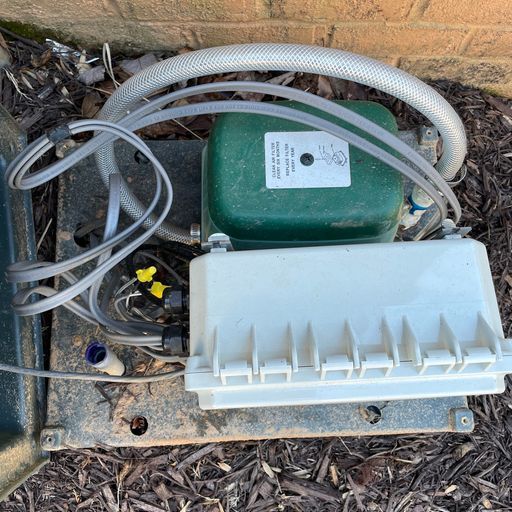
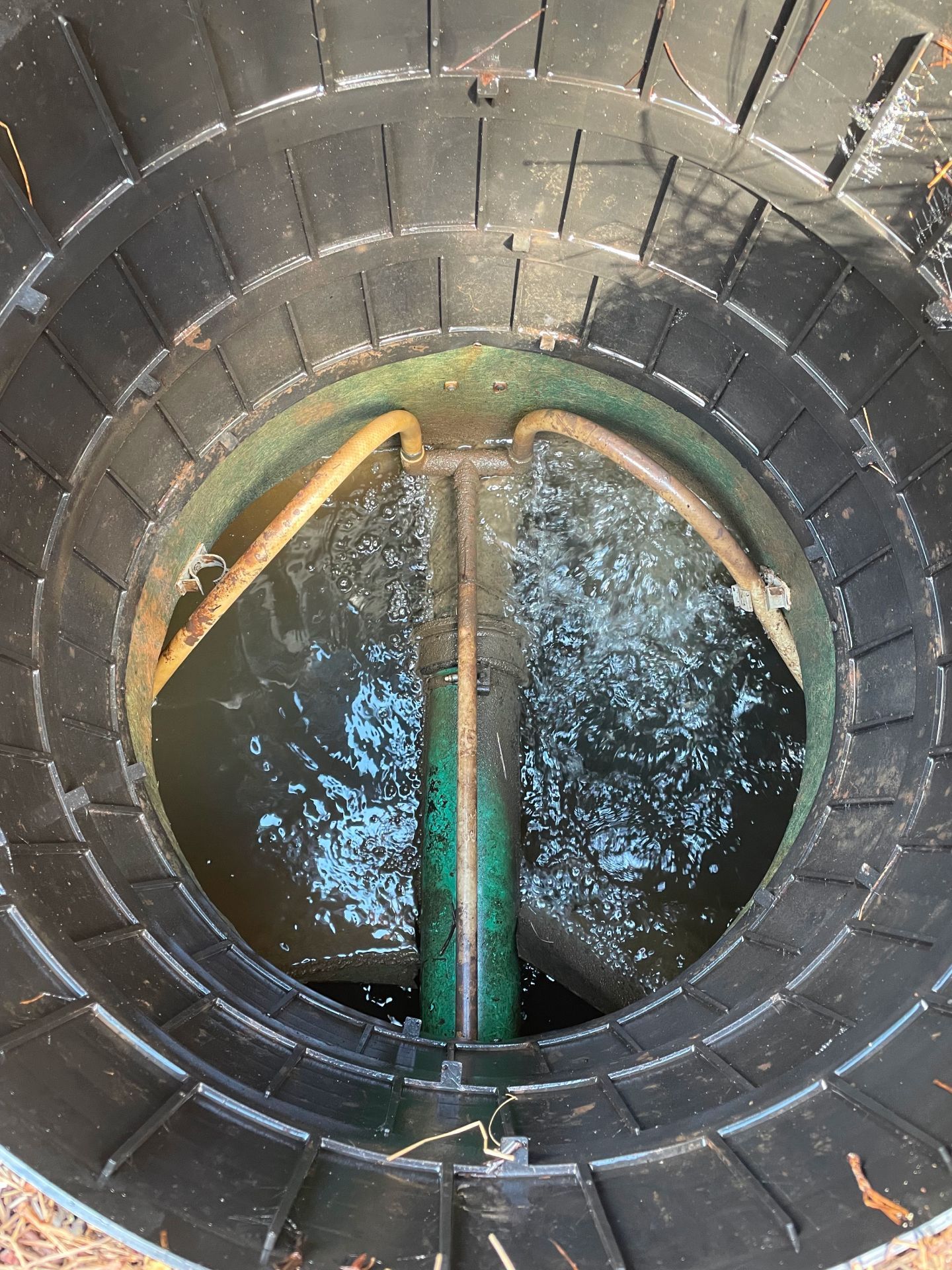
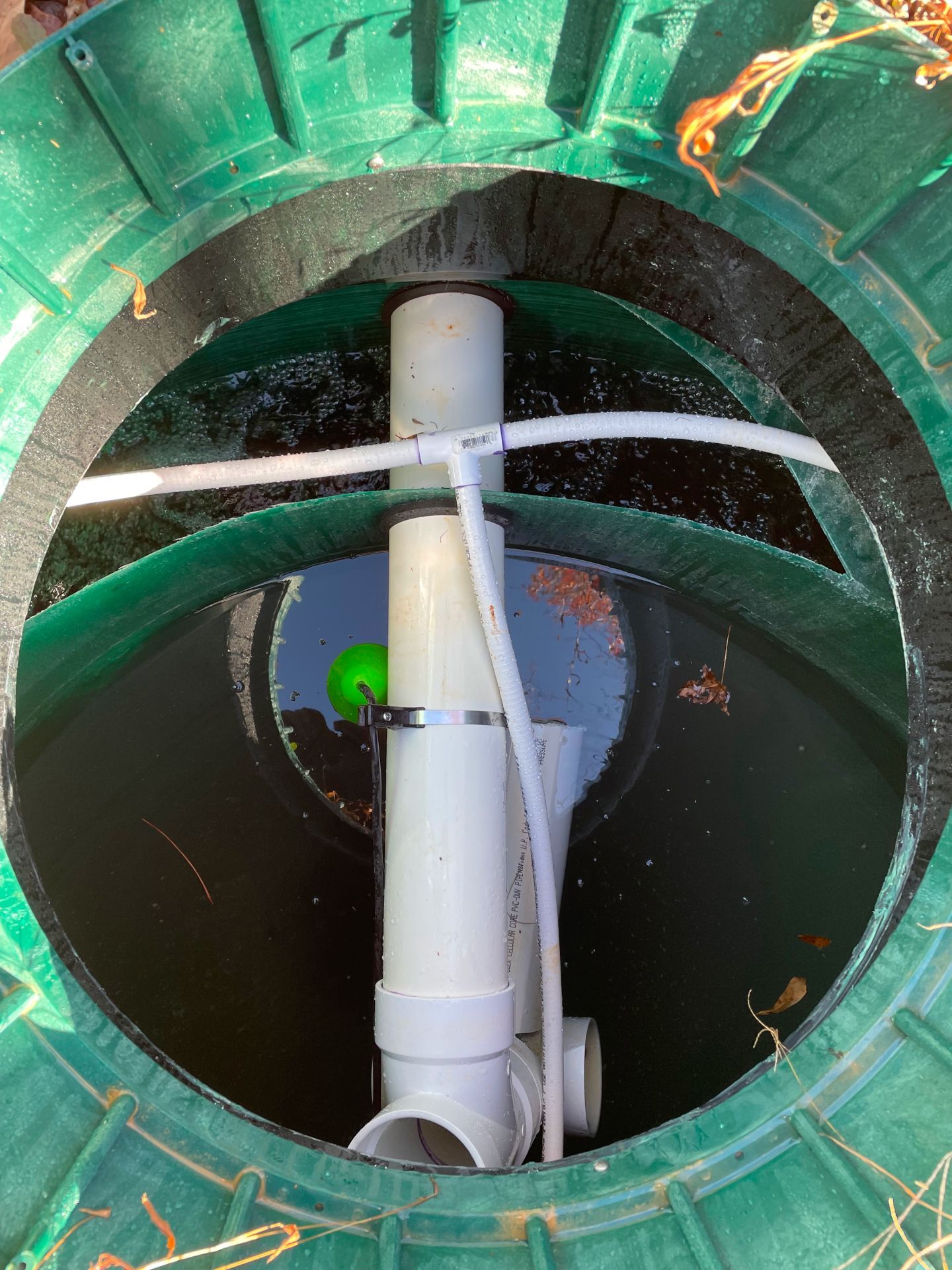
A thorough pre-summer inspection covers the components most vulnerable to heat-related stress: the pump, air compressor, aerator, and control panel, as well as a review of the drain field's current condition. These are the parts of the system that take the most strain during summer, and catching a developing issue in May is far less disruptive and far less expensive than an emergency call in the middle of August.
Beyond professional service, a few practical habits can make a significant difference during the summer months. Staggering laundry loads throughout the day rather than running multiple cycles back-to-back reduces the volume of water entering the system at any one time. Avoiding running the dishwasher, washing machine, and other high-water appliances simultaneously gives the system time to process between uses. It is also worth reminding guests about what should and should not go down the drains, since summer gatherings often mean more people using the system who may not be familiar with the limitations of a septic-based home.
Serving Georgia Homeowners Through Every Season
We have been serving Georgia homeowners and property owners since 2009, and summer consistently reminds us why proactive care matters so much. We understand the specific challenges that come with Georgia's climate, from the heavy clay soils throughout the Monroe area and surrounding counties to the weather patterns that bring intense heat followed by sudden, heavy rain.
Our team serves homeowners throughout Walton, Newton, and Morgan Counties, the Athens area, and Metro Atlanta, and we bring that local knowledge to every inspection and service call. We know what these systems face in this region, and we are committed to helping property owners protect their investment with honest, reliable service and straightforward recommendations.
Summer does not have to be a stressful season for your ATU. With the right care and a little attention to the warning signs, your system can handle what Georgia throws at it.
If it has been a while since your last inspection, or if you have noticed any of the warning signs described here, now is a good time to reach out. Call or text Alternative Septic Management at 404-788-3474 or visit the website to schedule your pre-summer inspection or ask about our ongoing maintenance options. We are here to help you keep your system running reliably all summer long.