A Hydro-Action System Service Visit From Start to Finish
Many Hydro-Action system owners have never seen what actually happens during a service visit. These systems are more involved than a standard septic tank, and most of that work takes place out of sight, inside tanks and chambers that property owners rarely have reason to open.
This guide walks through the general steps of a service visit, from what to prepare beforehand to what happens once the technician leaves. Every system and every appointment differs somewhat, so this is just to give you a clearer sense of what to expect before your next visit.
Why These Visits Cover More Ground
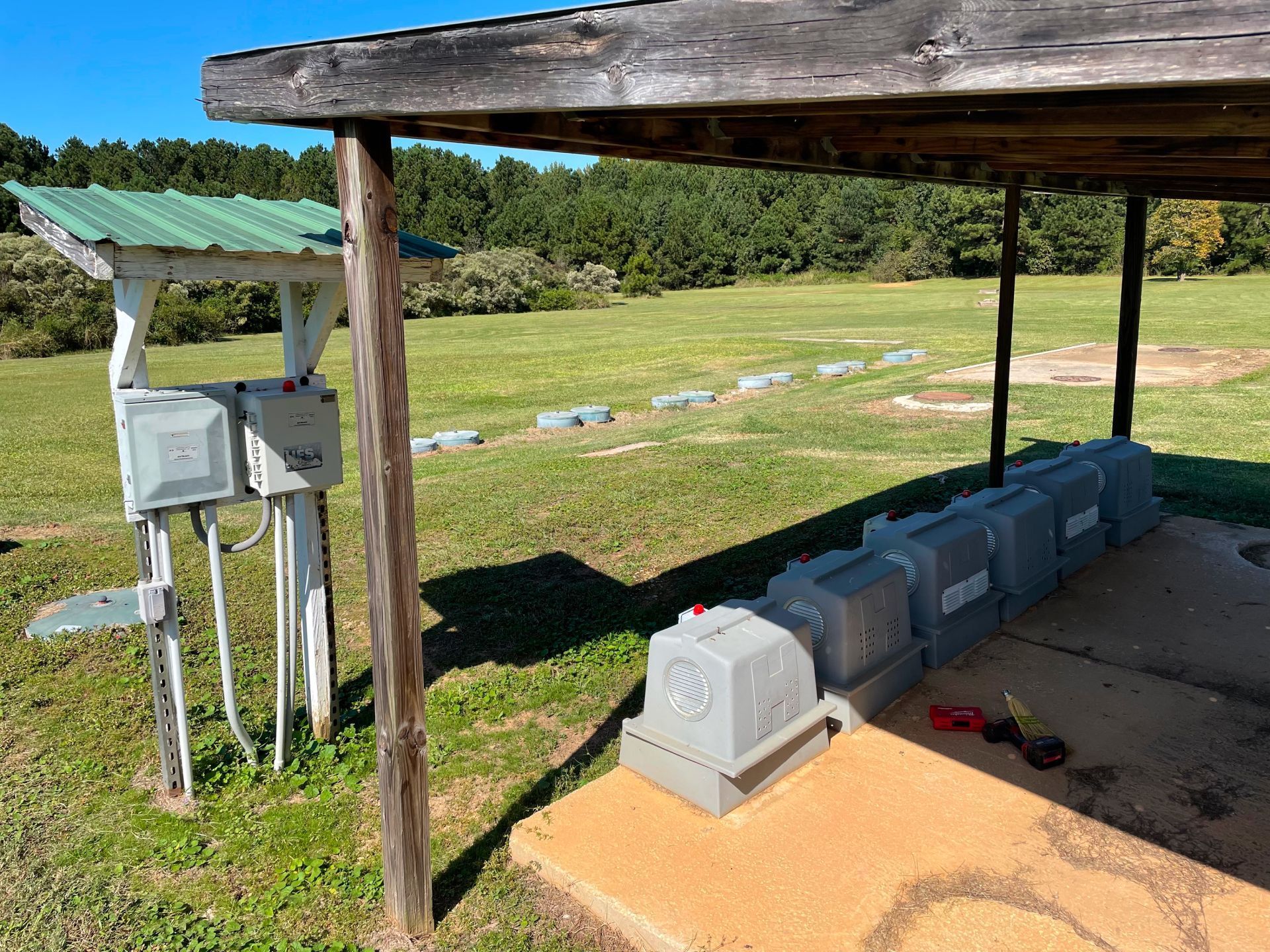
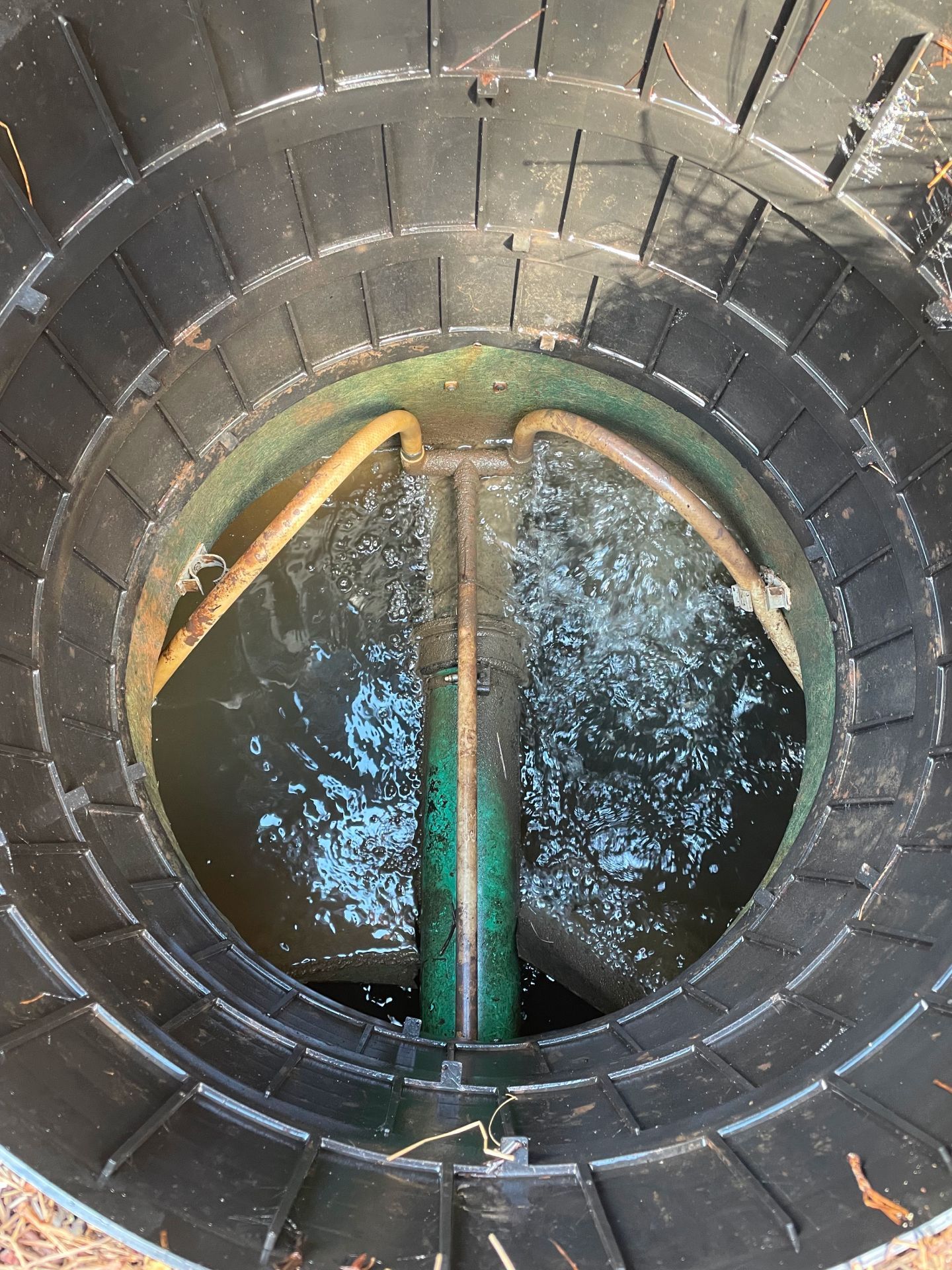
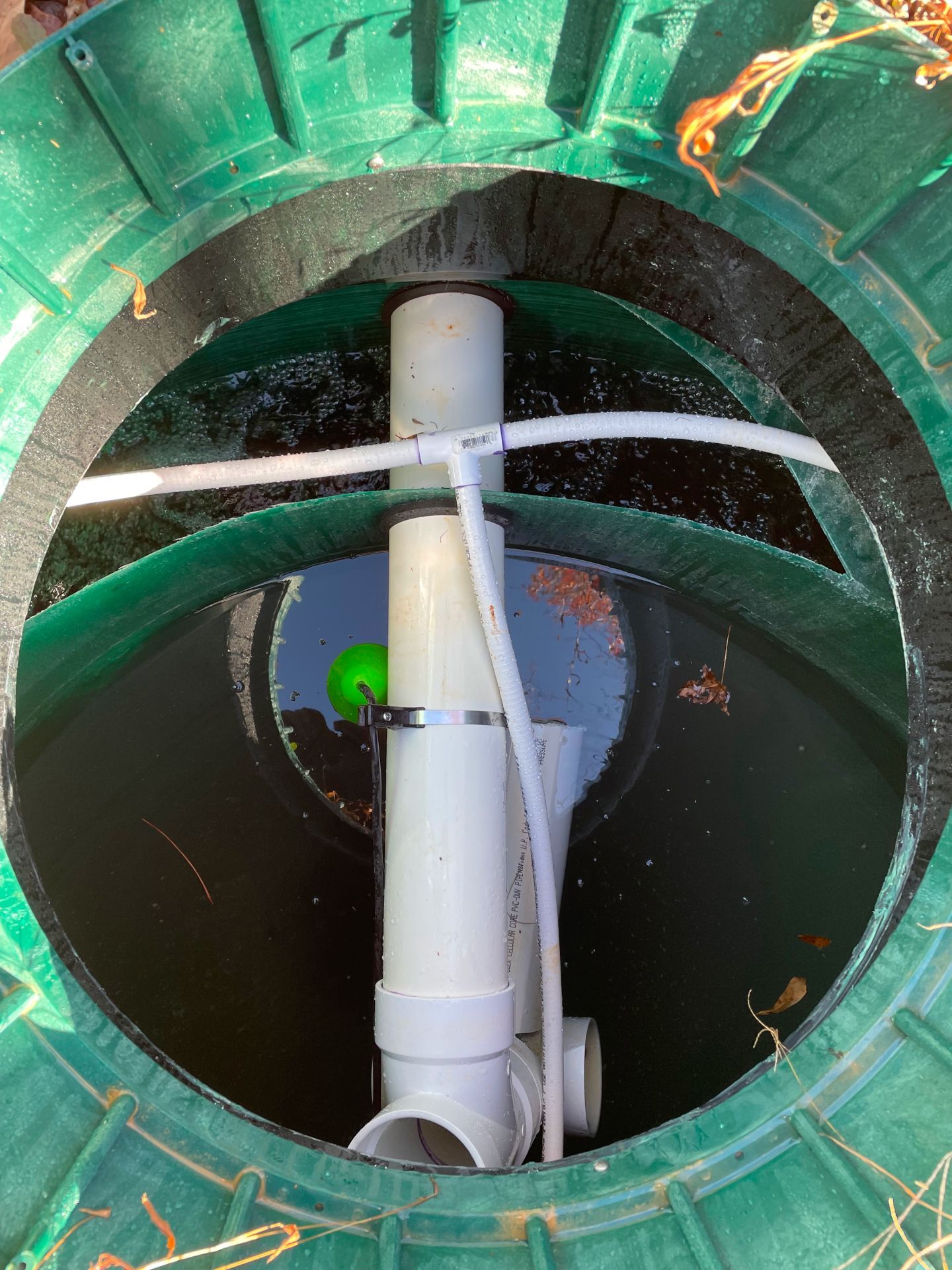
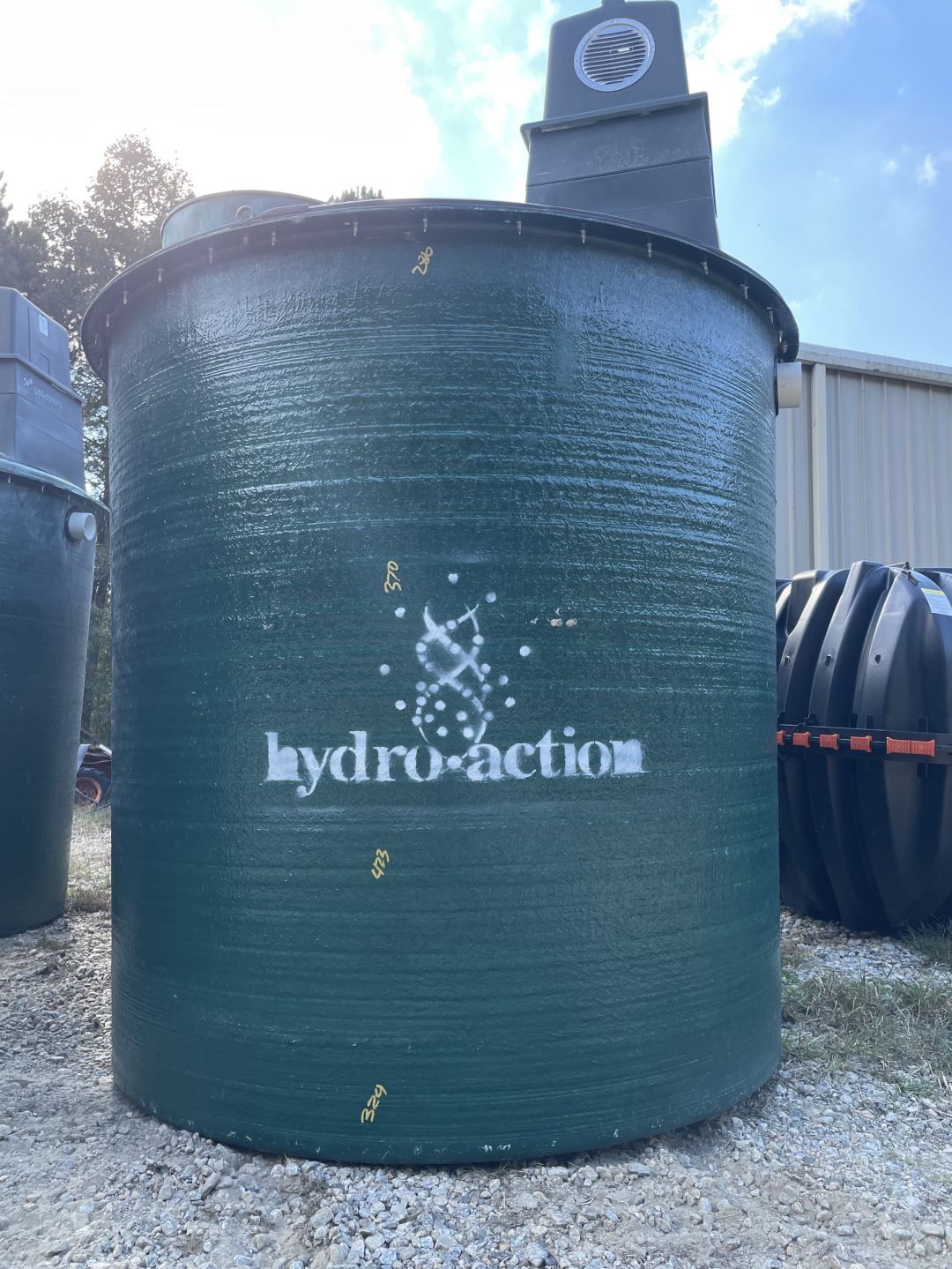
Hydro-Action systems rely on several components working together to treat wastewater, including a pretreatment tank, an aeration chamber, an air compressor, a pump, a clarification chamber, and, in many cases, a disinfection stage. Because more is happening beneath the surface than with a conventional septic tank, a service visit naturally covers more ground as well.
Understanding that a service visit addresses multiple components helps set accurate expectations. It also explains why Hydro-Action service calls for a technician trained specifically on these systems, which is the kind of service we specialize in.
Before the Service Visit
Making Sure Your Service Arrangement Is Current
Georgia requires that any property with an aerobic treatment unit (ATU) have a service and maintenance arrangement in place starting immediately after installation. For the first three years, that means the system and its components must be checked at least once every six months.
Once that initial three-year period ends, property owners have some flexibility. Some continue with an annual service contract, while others move to as-needed service. Either way, the work needs to come from a company qualified to handle ATUs specifically, since a standard septic license does not automatically cover Hydro-Action systems.
Knowing where your system falls in that timeline can help clarify what your upcoming visit is for. An early appointment within the three-year window is likely part of the required schedule, while a visit afterward may fall under an ongoing contract or a service call scheduled due to a last-minute issue.
Preparing for Your Appointment
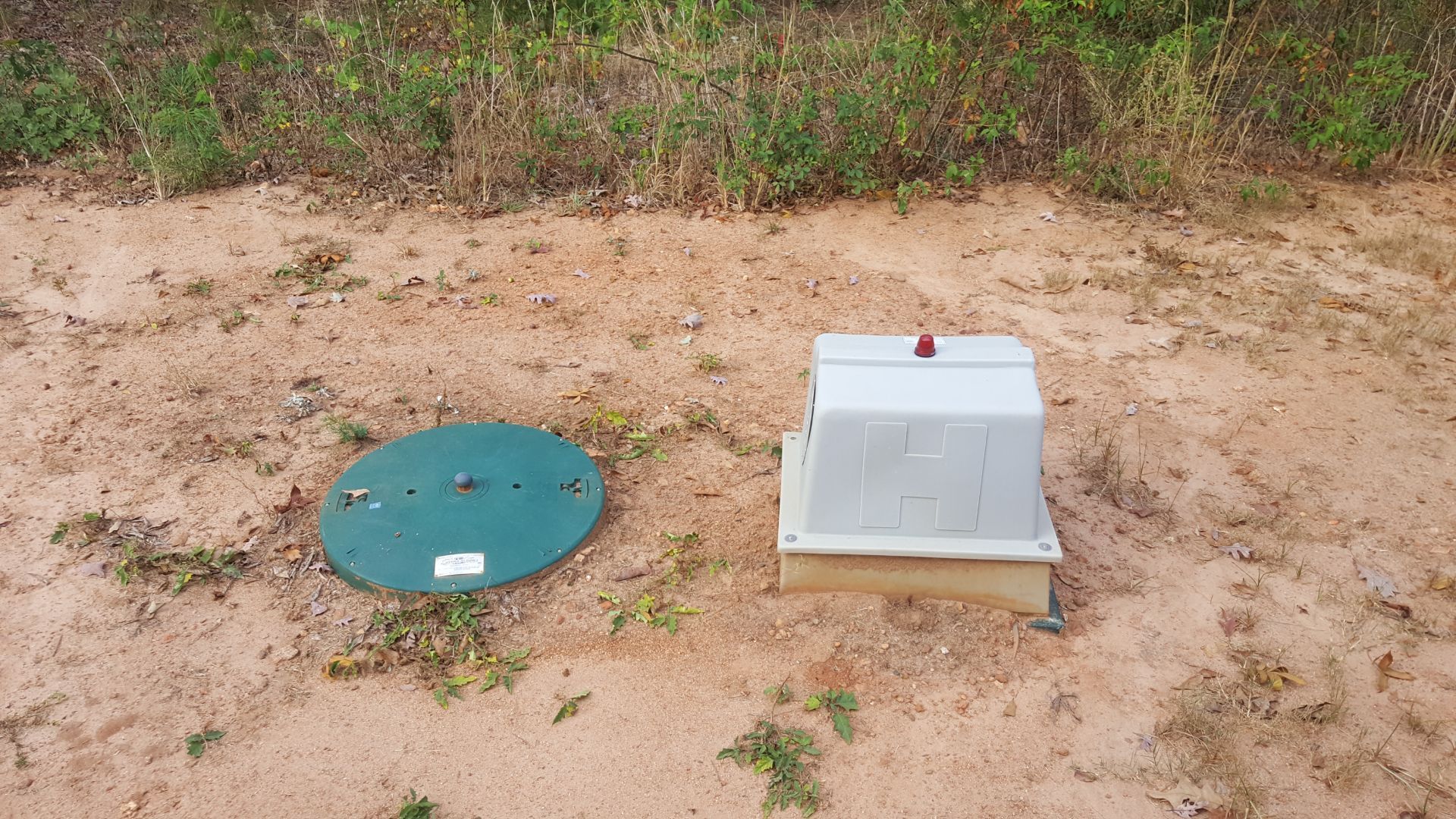
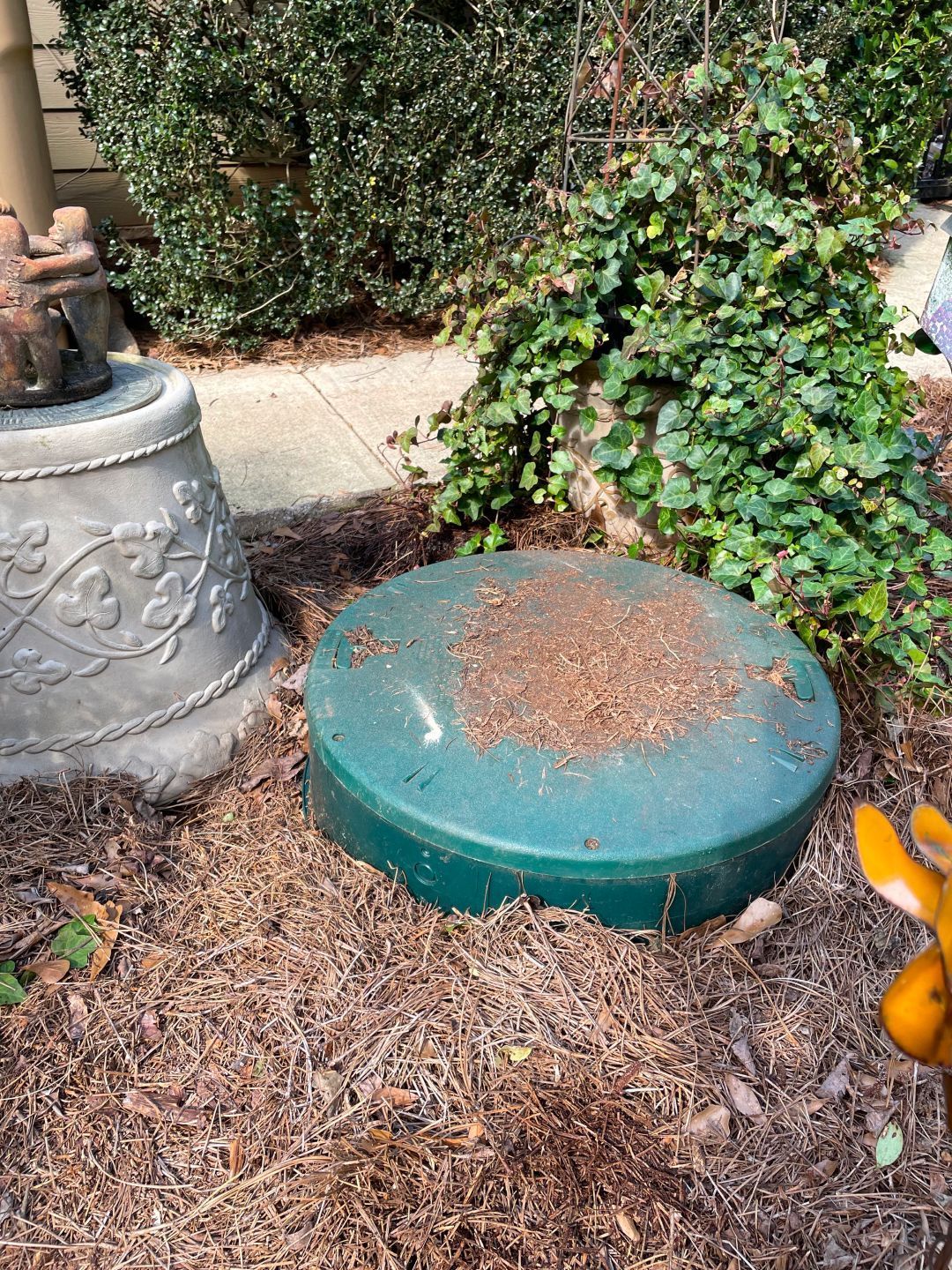
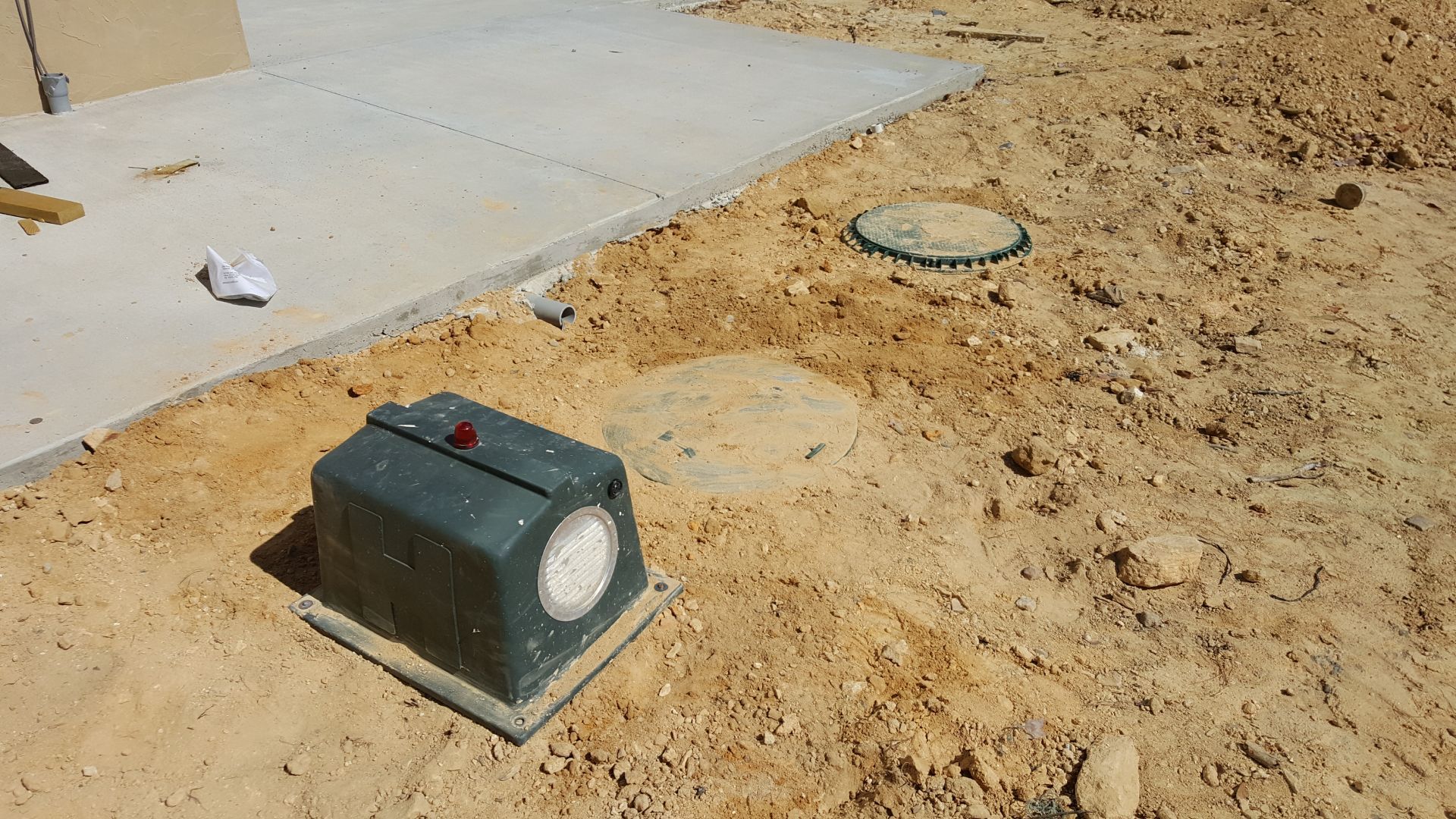
A few simple steps help a service visit go smoothly. If you still have paperwork from your system's installation, including manufacturer information or warranty details, having it available is useful. It also helps to confirm that the technician has clear access to your system, including any lids, access panels, or outdoor equipment that furniture, landscaping, or a parked vehicle might otherwise block.
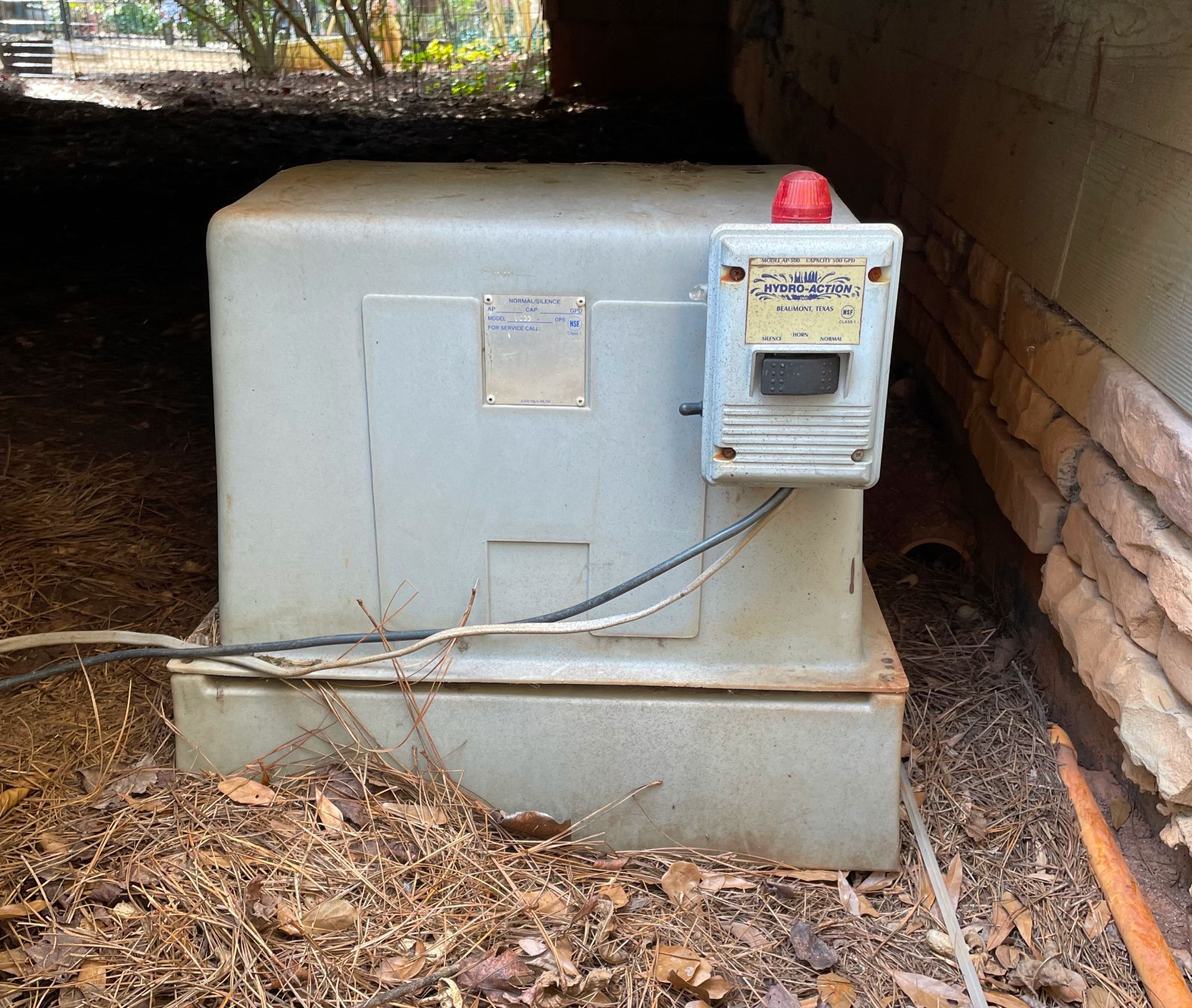
If you have noticed anything unusual since your last visit, such as an odor, an unfamiliar sound, or an alarm activation, it helps to note when it happened and how long it lasted. Details like these give a technician a clearer starting point once they arrive.
During the Service Visit
Working Through the System's Components
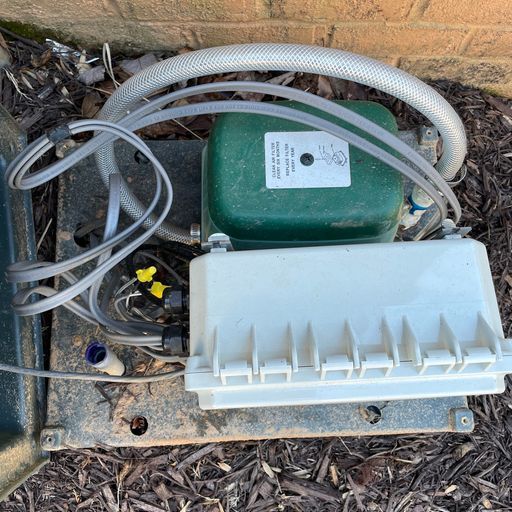
A service visit generally involves working through the system's main components in turn. This typically includes checking the air compressor and confirming that aeration is functioning properly, since oxygen supports the bacteria responsible for treatment.
Attention then usually turns to the pump, which plays a central role in moving wastewater through each stage of treatment. The clarification chamber is evaluated as well, along with the disinfection stage if your system includes one, such as a UV unit or chlorination component.
Because usage varies from property to property, the order and depth of each check can vary, as well. What stays consistent is that a technician trained specifically on Hydro-Action systems knows what each component should look and sound like under normal operation and recognizes when a small change calls for a closer inspection.
Looking at the System as a Whole
Beyond checking individual parts, a service visit also involves stepping back to assess how the system is functioning overall. Hydro-Action systems operate as a connected process, with each stage feeding into the next, so a change in one component can surface as a symptom elsewhere entirely.
This is part of why we believe Hydro-Action service benefits from a technician who understands how the components interact, rather than checking each part separately. Assessing overall flow and condition confirms that the system is working as designed, not simply that each piece is running.
After the Service Visit
Documentation and What It Supports
Once the visit is complete, the findings are documented. This record serves two purposes. First, it supports Georgia's ATU compliance requirements, giving you a clear record that your system has been serviced on schedule. Second, it establishes a reference point over time, making it easier to identify gradual changes in system performance from one visit to the next.
If anything is identified during the visit that needs attention, it is typically discussed with you directly, along with any recommended next steps. Clear communication about what was found and what it means for your system is part of a thorough service visit.
There is a practical advantage to working with the same provider across multiple visits. A technician who has serviced your system before has a better sense of what is normal for your specific setup, which makes it easier to catch small deviations before they become larger issues. Consistency gives every future visit a clearer baseline to work from.
When You Can Expect Your Next Visit
If you are still within your first three years of ownership, plan on a visit at least every six months. After that period, your next visit depends on whether you have an annual service contract in place or are handling service on an as-needed basis.
Every Hydro-Action system operates somewhat differently, and the best way to know exactly what your next visit will involve is to speak with a technician familiar with your setup. If you have questions about scheduling a service visit or want to confirm your system's status with Georgia's requirements, call or text us at 404-788-3474 or
visit the website to get started.