What Causes Odor in an Aerobic Treatment Unit and How to Fix It
At Alternative Septic Management, odor is a common reason homeowners contact us about their aerobic treatment unit. A slight odor now and then is not unusual, but a strong or persistent odor is typically a sign that something needs attention.
Why a Properly Functioning ATU Shouldn't Have a Strong Odor
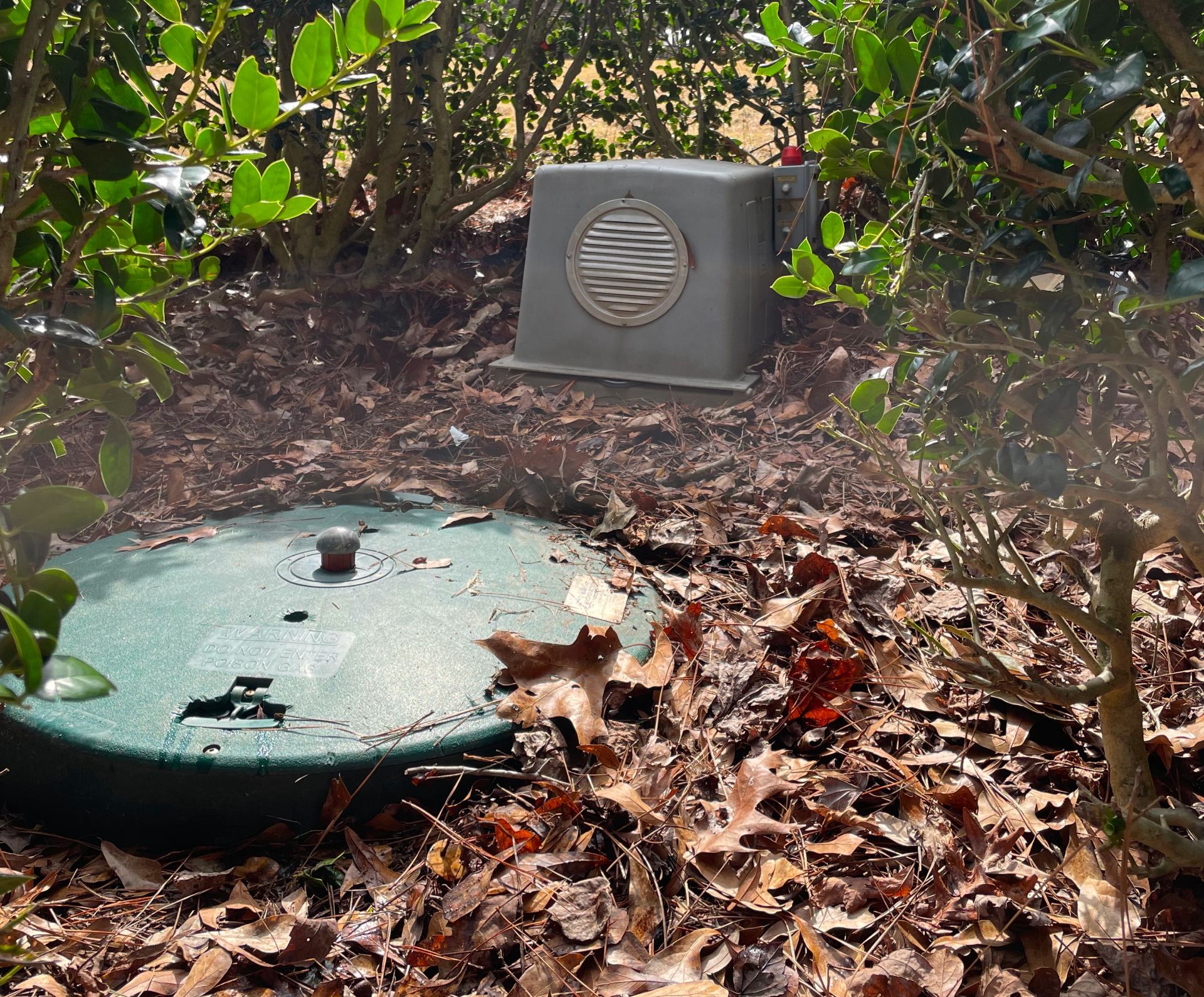
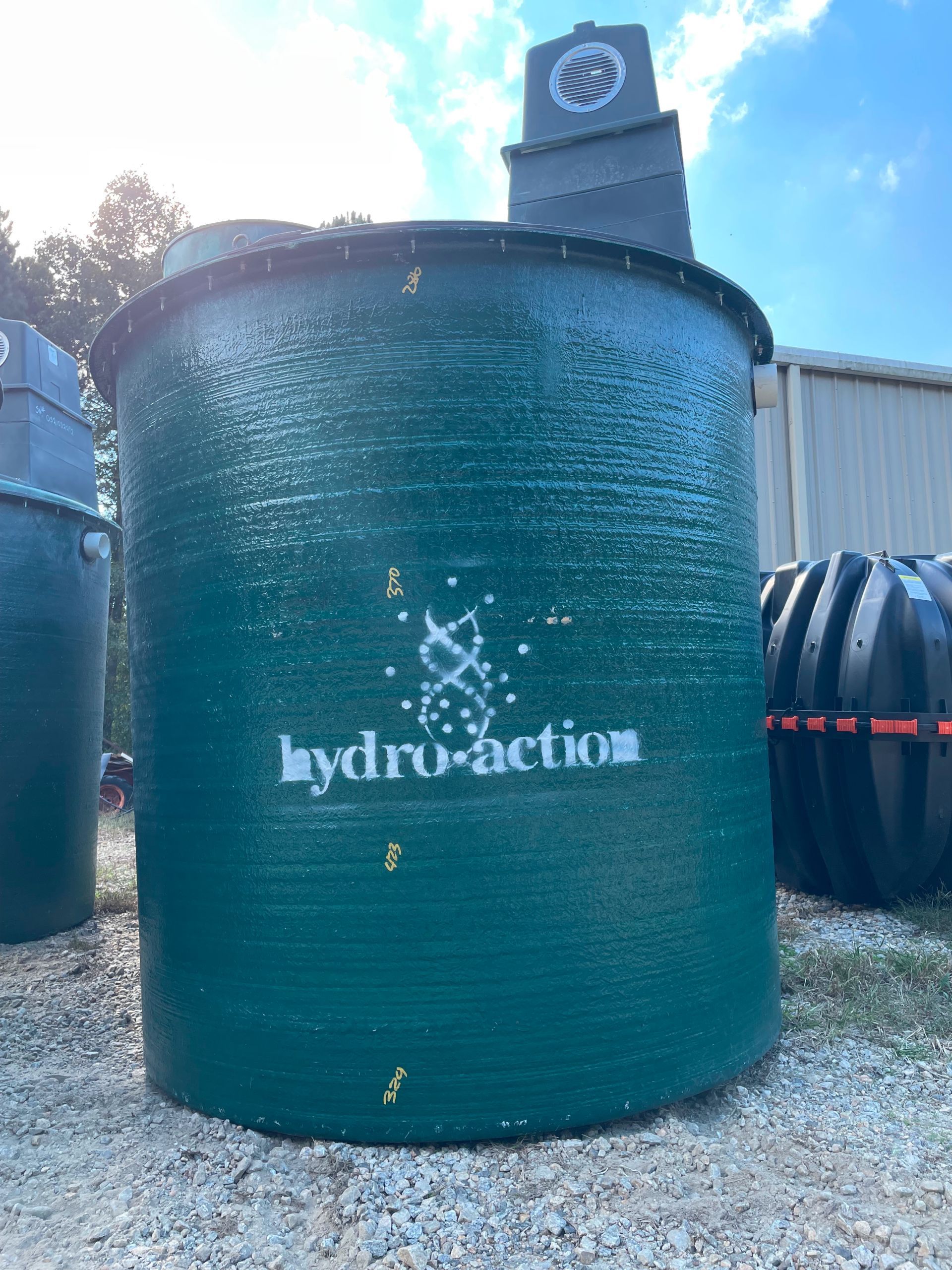
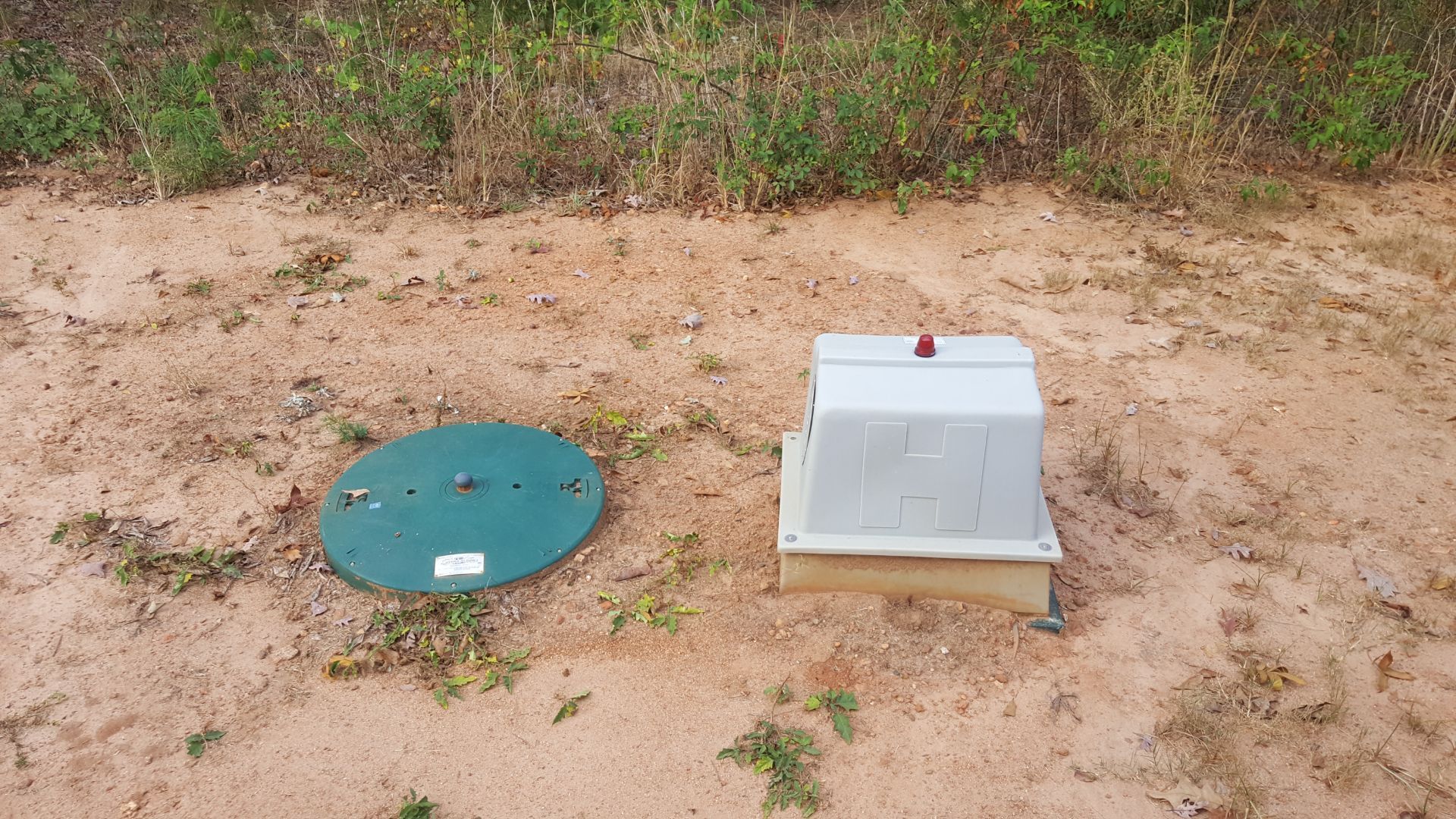
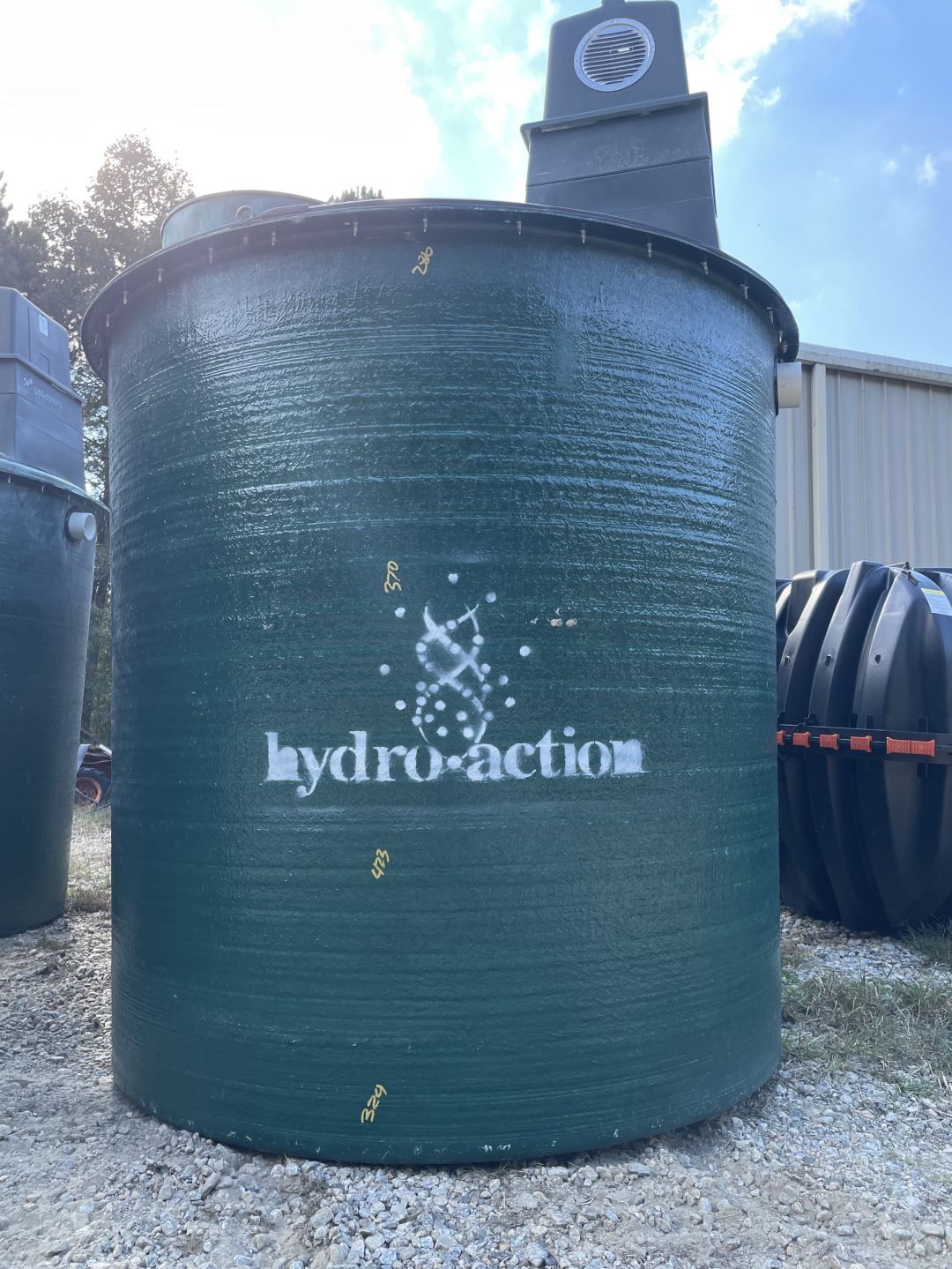
Aerobic treatment units are designed to break down waste more thoroughly than a traditional septic system. The aeration process introduces oxygen into the system, supporting the bacteria responsible for treatment and helping the system produce cleaner results with less odor along the way. A well-running ATU should not have a strong, persistent smell.
This is part of why ongoing odor should not be ignored. It is a sign that one part of the system is not working the way it should, and figuring out which part is the key to resolving it.
Common Causes of Odor in an Aerobic Treatment Unit
There are several reasons an ATU may start to produce a noticeable odor. Some are easier to spot than others, but all of them should be inspected carefully.
Reduced Oxygen in the Aeration Chamber
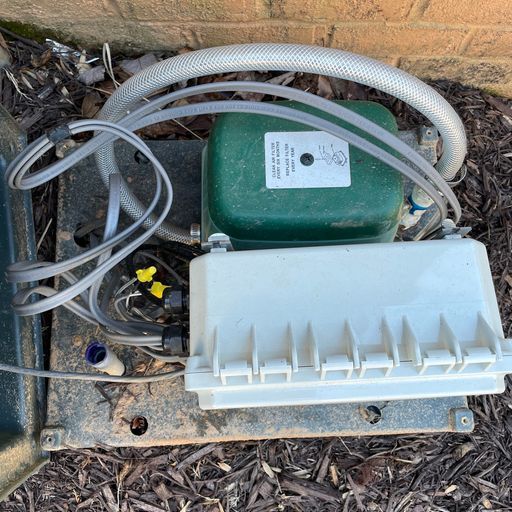
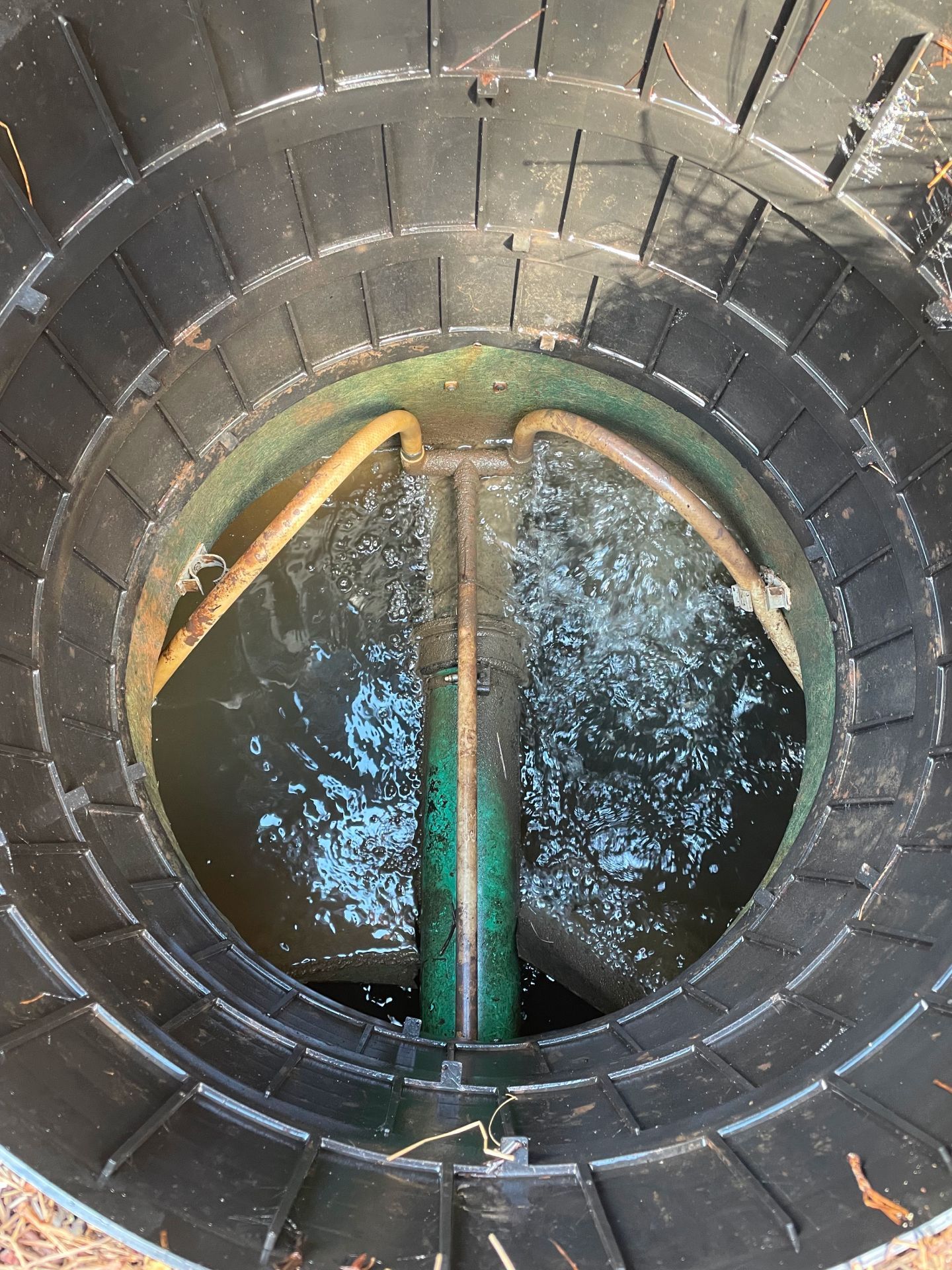
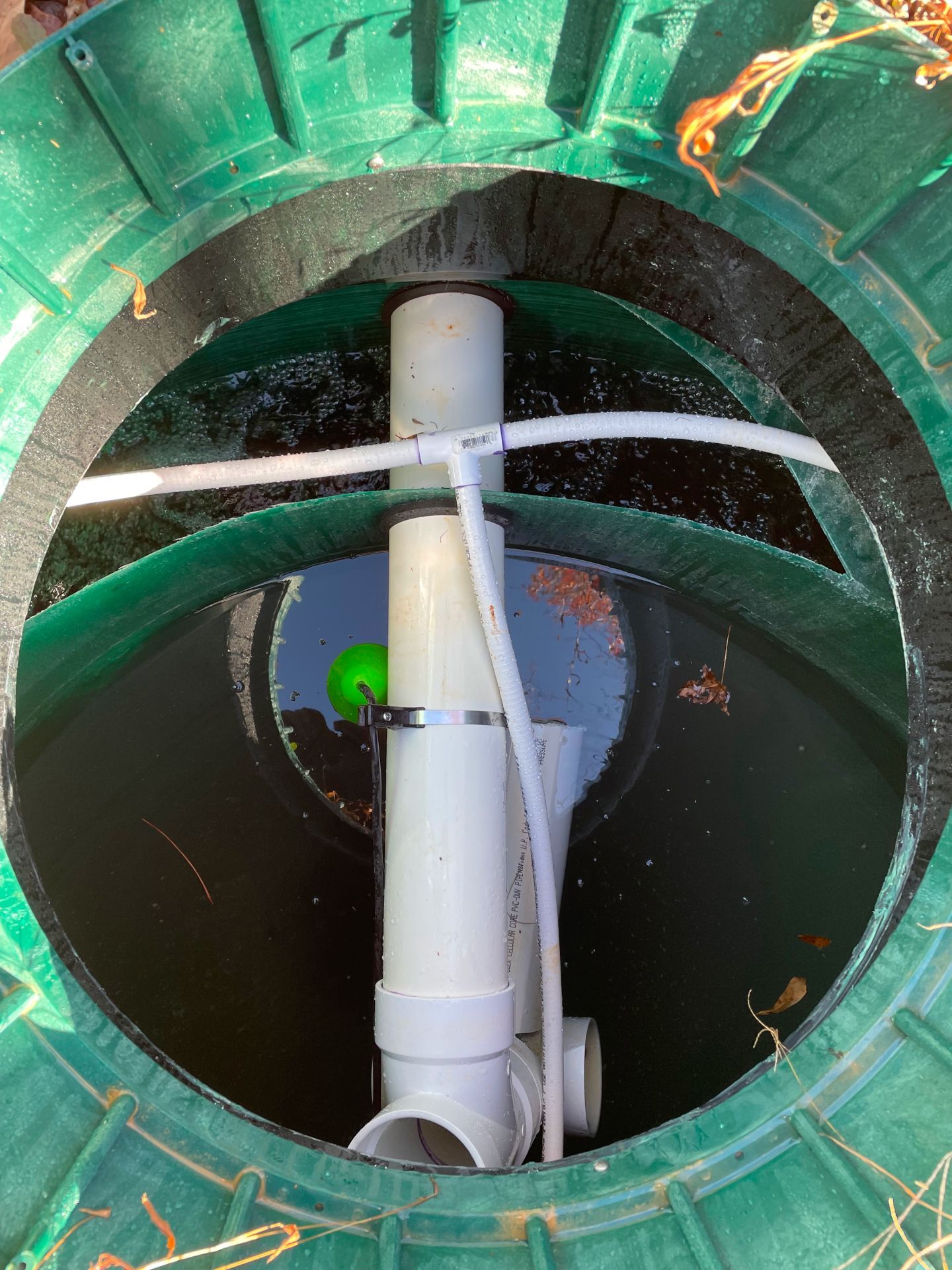
The aeration chamber relies on a steady oxygen supply to support the bacteria that treat wastewater. When oxygen levels drop, often due to an air compressor not performing as it should, the system can shift toward conditions that produce a stronger odor. This shift occurs because bacteria active in low-oxygen environments tend to produce more noticeable byproducts than the aerobic bacteria the system is designed to rely on.
An Overloaded or Overworked System
Every ATU is designed to handle a certain amount of wastewater at a time. When water use increases significantly, whether from guests, laundry, or other household activity, or when waste enters the system faster than it can be processed, the balance of the system can be thrown off. This added strain can lead to odor as the system struggles to keep up. Businesses with higher or more variable water use can run into this issue as well, since commercial properties often place different demands on a system than a typical household.
A Buildup of Solids or Sludge
Solids that are not broken down or removed as expected can accumulate over time. This buildup can be prevented through routine maintenance, as regular service helps ensure that solids are managed as the system was designed to handle them. Left unaddressed, this buildup is a common contributor to odor, and it can also affect how efficiently the rest of the system processes incoming waste.
Ventilation or Venting Issues
Sometimes odor is less about the treatment process itself and more about how the system vents. If venting is blocked, damaged, or not functioning properly, gases that would normally be released away from the home can end up noticeable in areas where they should not be. This is one reason odor can sometimes point to an issue that has little to do with the treatment chambers themselves. A vent that has shifted, become obstructed by debris, or was not installed at the right height can all play a role here.
An Aging or Underperforming Component
Pumps, compressors, and other components of an ATU wear out over time. As these components near the end of their service life, they may not support the treatment process as effectively as they once did. In these cases, odor is often a symptom of a component issue rather than the root cause. Replacing or repairing the affected part usually resolves the odor as well, since the underlying treatment process returns to functioning as intended.
What Homeowners Can Do When They Notice an Odor
Start With a Few Simple Checks
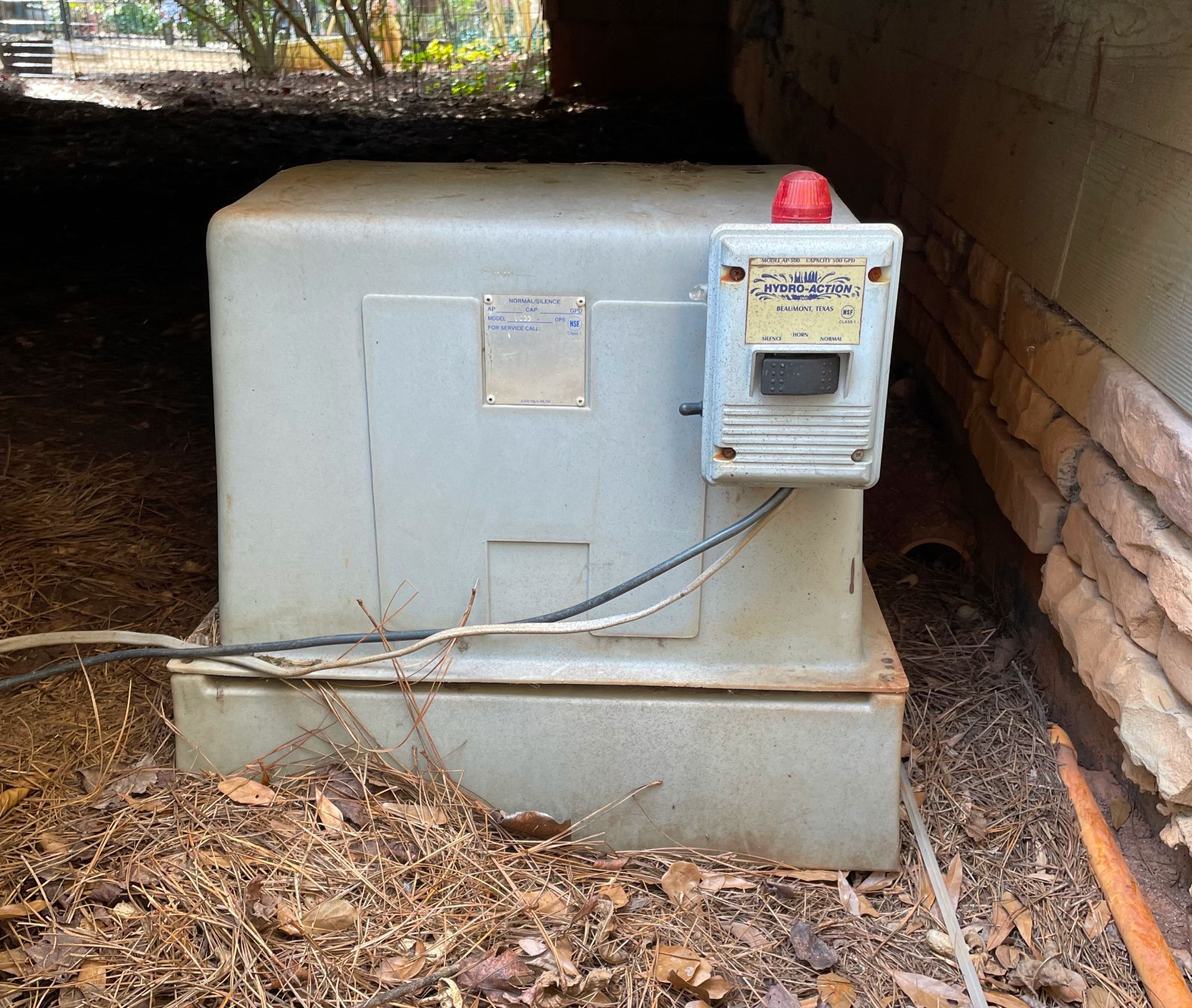
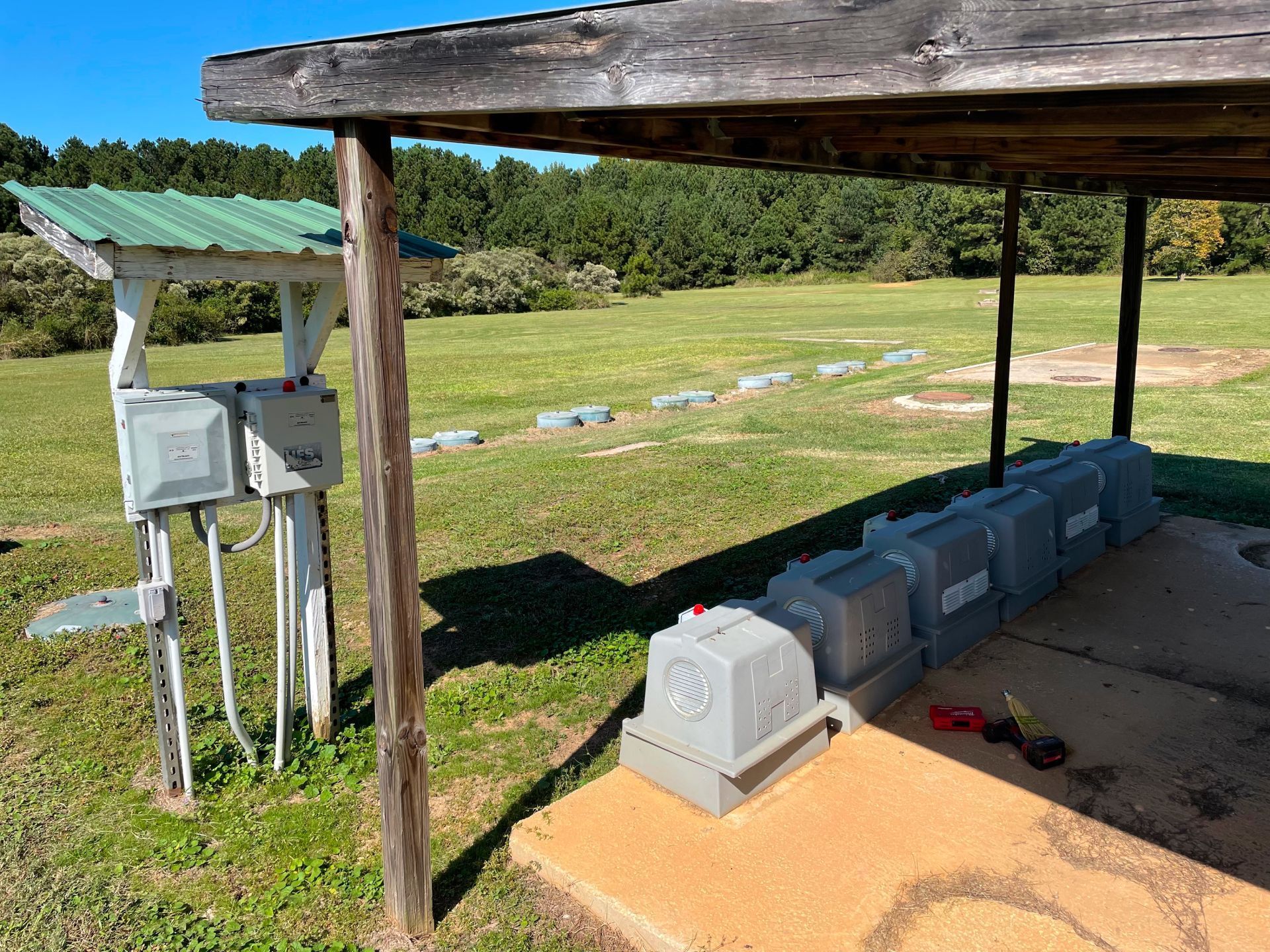
If you notice an odor, it can help to think through a few basic questions. Has anything changed recently, such as water use, weather, or household activity? Is there an alarm or warning light on your system's control panel? Has the odor been occurring steadily, or did it appear suddenly? These details can help narrow down the likely cause once a technician takes a closer look.
Know When to Call for Service
Persistent odor is generally a sign that a professional should take a look at the system. The cause is not always obvious from the surface, and a technician familiar with ATUs and hydro-action systems can identify the source more accurately than guesswork at home. Trying to address odor without first understanding its cause can mask a symptom without resolving the underlying issue, often leading to the odor returning before long.
How Regular Maintenance Helps Prevent Odor Issues
Many of the causes covered above can be caught early through routine maintenance. Component checks on the air compressor and pump, along with regular inspections of the aeration and clarification chambers, help confirm that each part of the system is doing its job before a noticeable problem develops.
This is part of why the State of Georgia requires ATU owners to maintain a service agreement, with system checks at least every six months during the first three years after installation. These visits are designed to catch small issues, including early signs of reduced aeration or solids buildup, before they become more noticeable, such as odor.
How We Help Homeowners Address ATU Odor
Diagnosing and resolving odor is part of the maintenance and repair work we do regularly at Alternative Septic Management. Our team is trained specifically in ATUs and hydro-action systems, which means we know how to trace odor back to its actual source, whether that is the aeration chamber, a worn component, a venting issue, or something else entirely.
Rather than guessing at a fix, we walk through the system methodically to identify what is actually happening and explain it in plain terms, so you understand both the cause and the solution.
Ready to Schedule an Inspection?
If you have noticed an odor coming from your ATU, or it has been a while since your last maintenance visit, give us a call or text 404-788-3474 or
visit our website to schedule service.