Why Your Hydro-Action System Needs a Certified Technician Every Time
If you have a Hydro-Action aerobic treatment unit on your property, you already know you are working with a more advanced system than a conventional septic tank. What some homeowners do not fully realize is that the complexity behind that performance creates a real and specific need for certified service, not just any licensed septic company. At Alternative Septic Management, we want Georgia property owners to understand why this distinction is so important and what it means for the long-term health of their systems.
What Makes a Hydro-Action System Different
Aerobic Treatment, Not Just Waste Storage
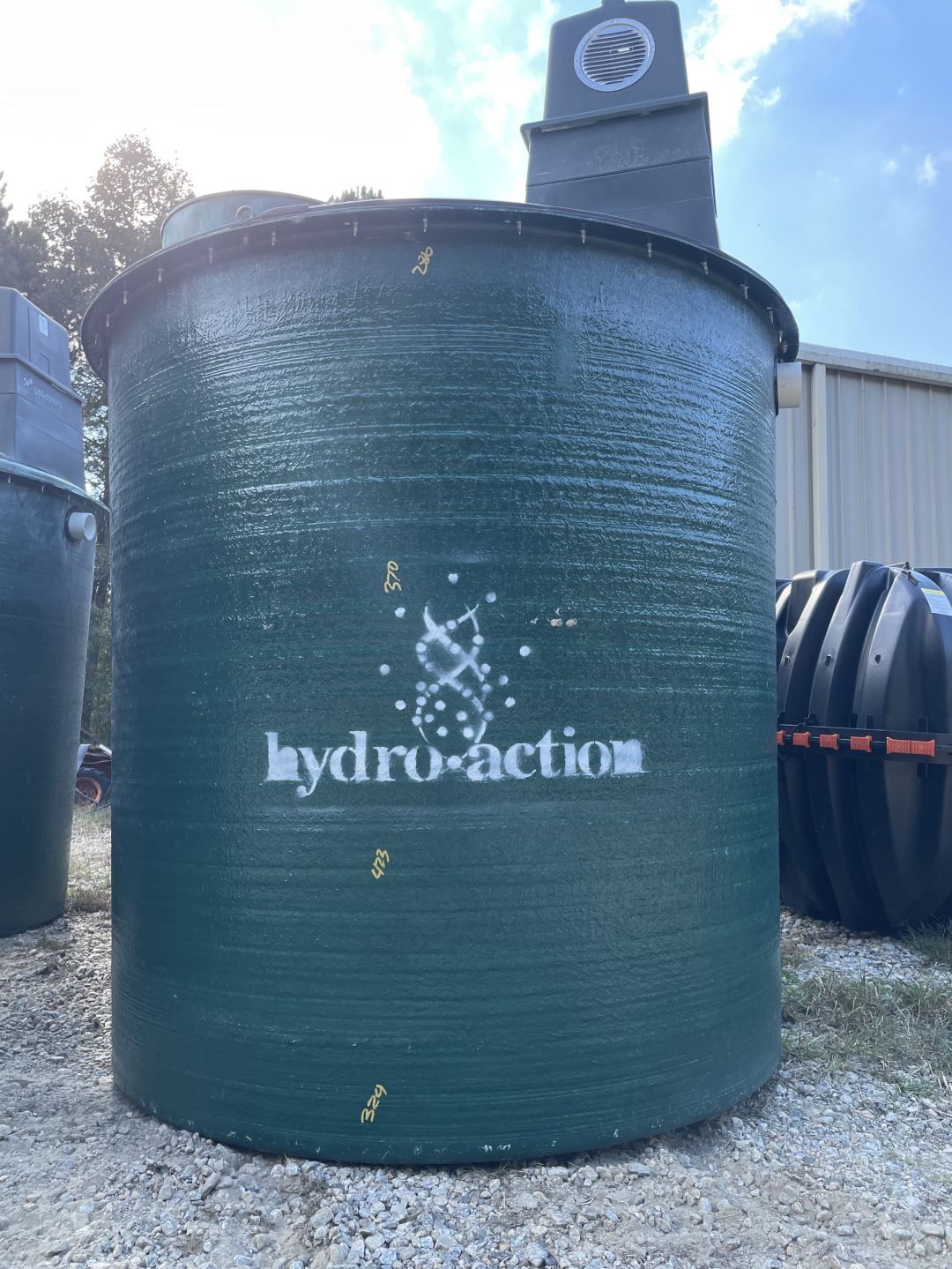
A conventional septic tank holds and partially breaks down waste through anaerobic bacterial processes. A Hydro-Action aerobic treatment unit does something far more involved. It actively introduces oxygen into the treatment process, supporting aerobic bacteria that break down wastewater at a significantly higher level before it ever reaches the drain field.
The result is a cleaner, higher-quality effluent and a reduced impact on the surrounding soil and water table. These systems are a genuine upgrade and are often installed in situations where a conventional system is not suitable for the land, lot size, or regulatory environment.
That higher performance, though, comes from a carefully engineered process that depends on multiple components working together correctly at all times.
Precision Components That Work Together
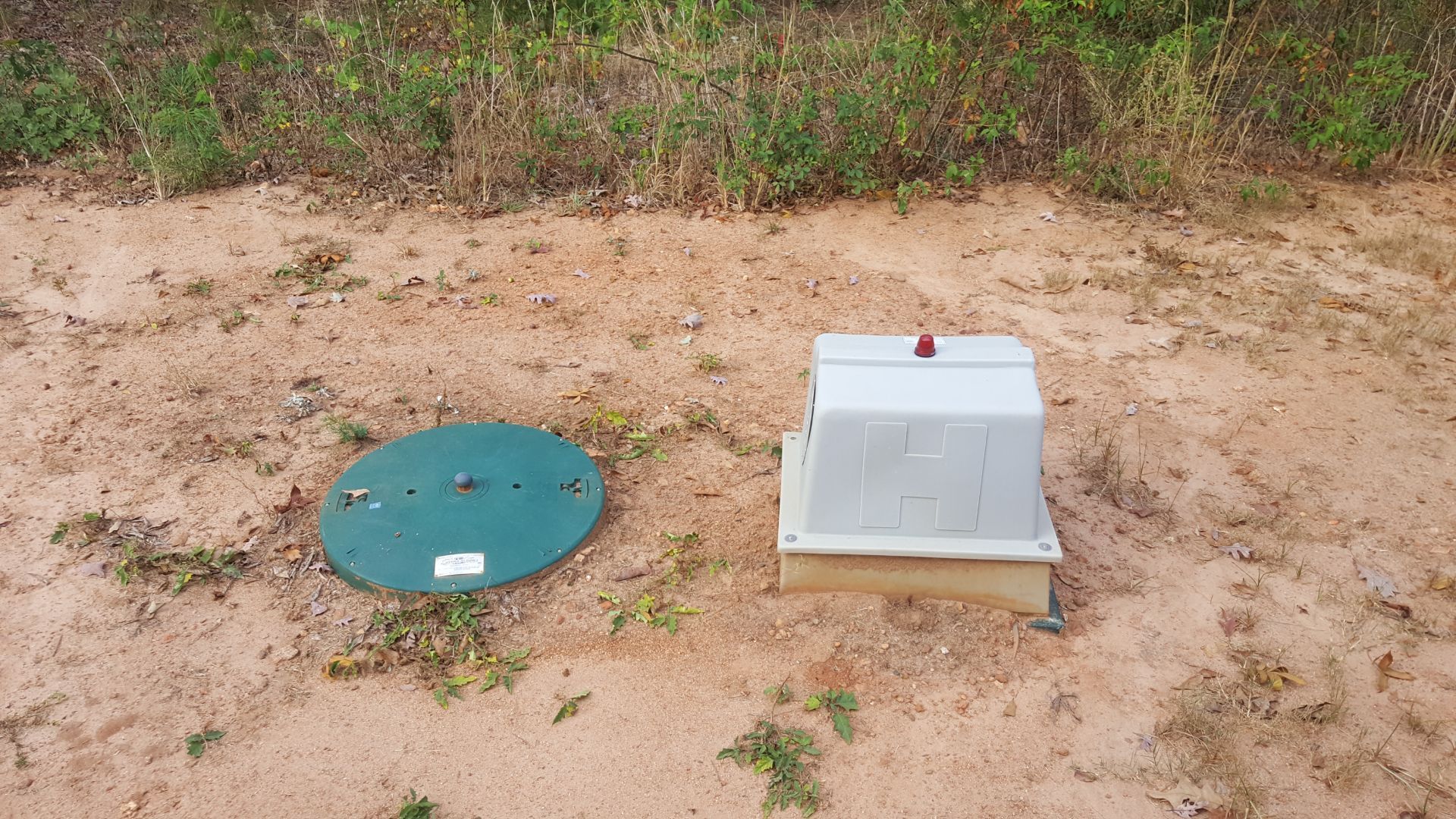
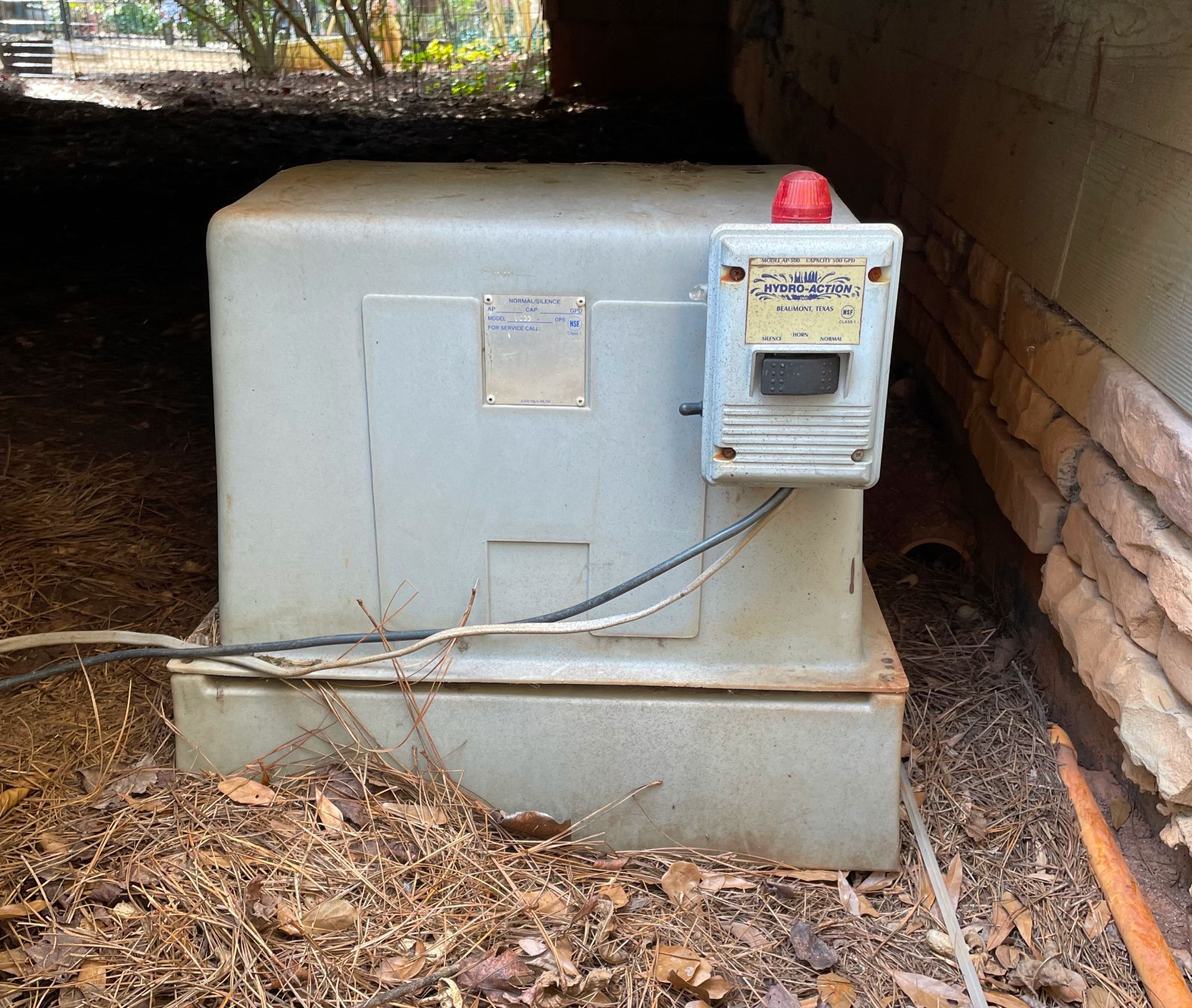
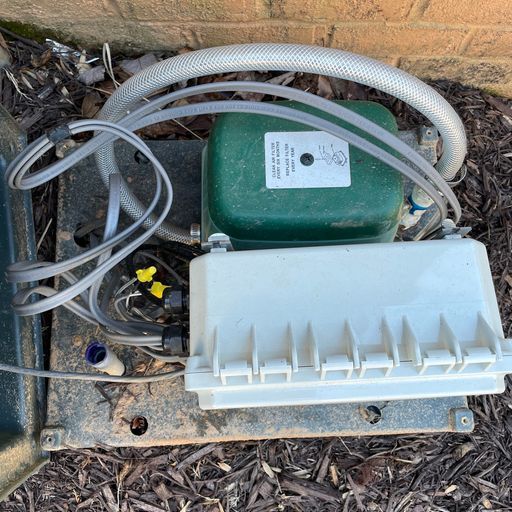
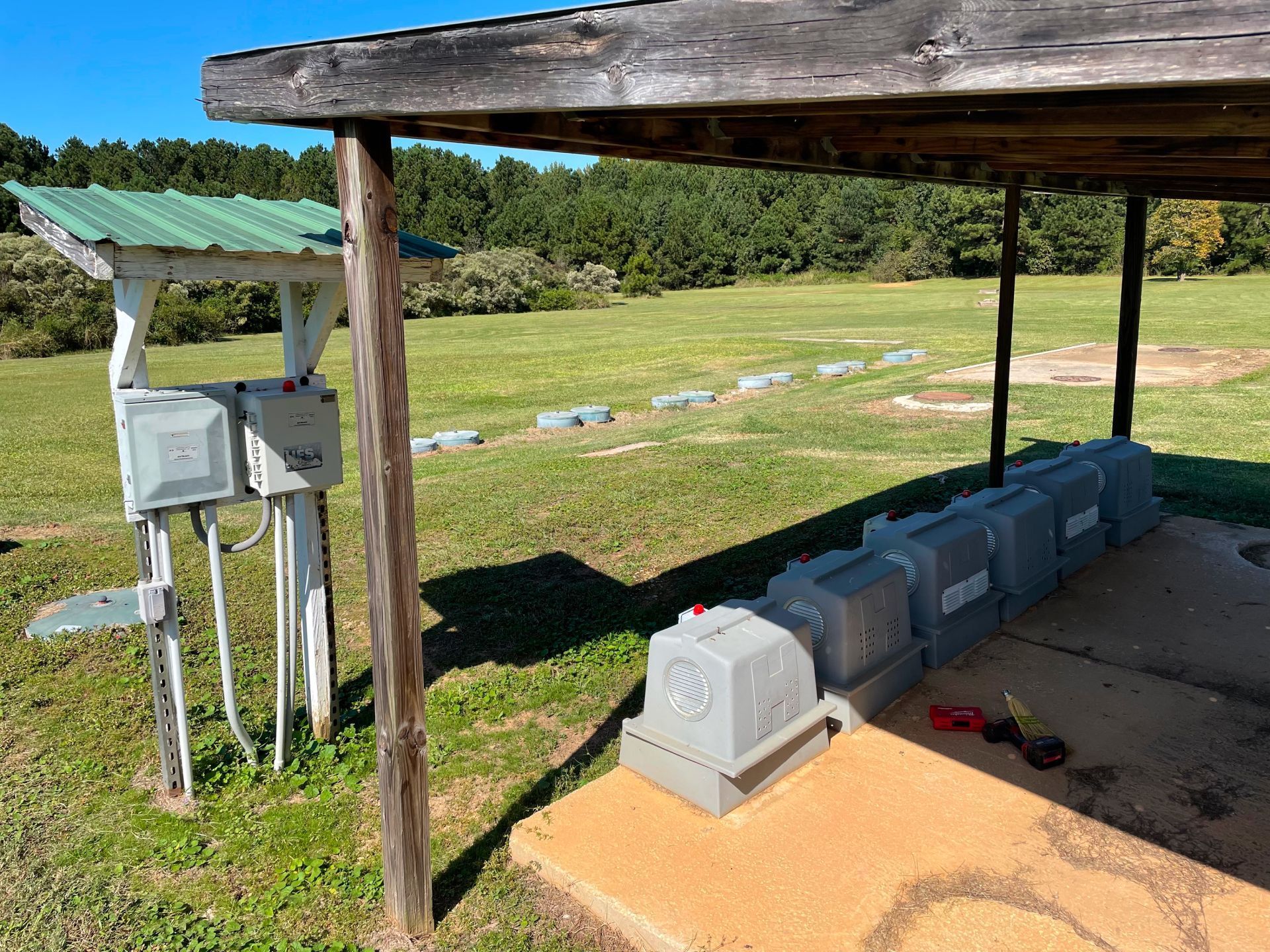
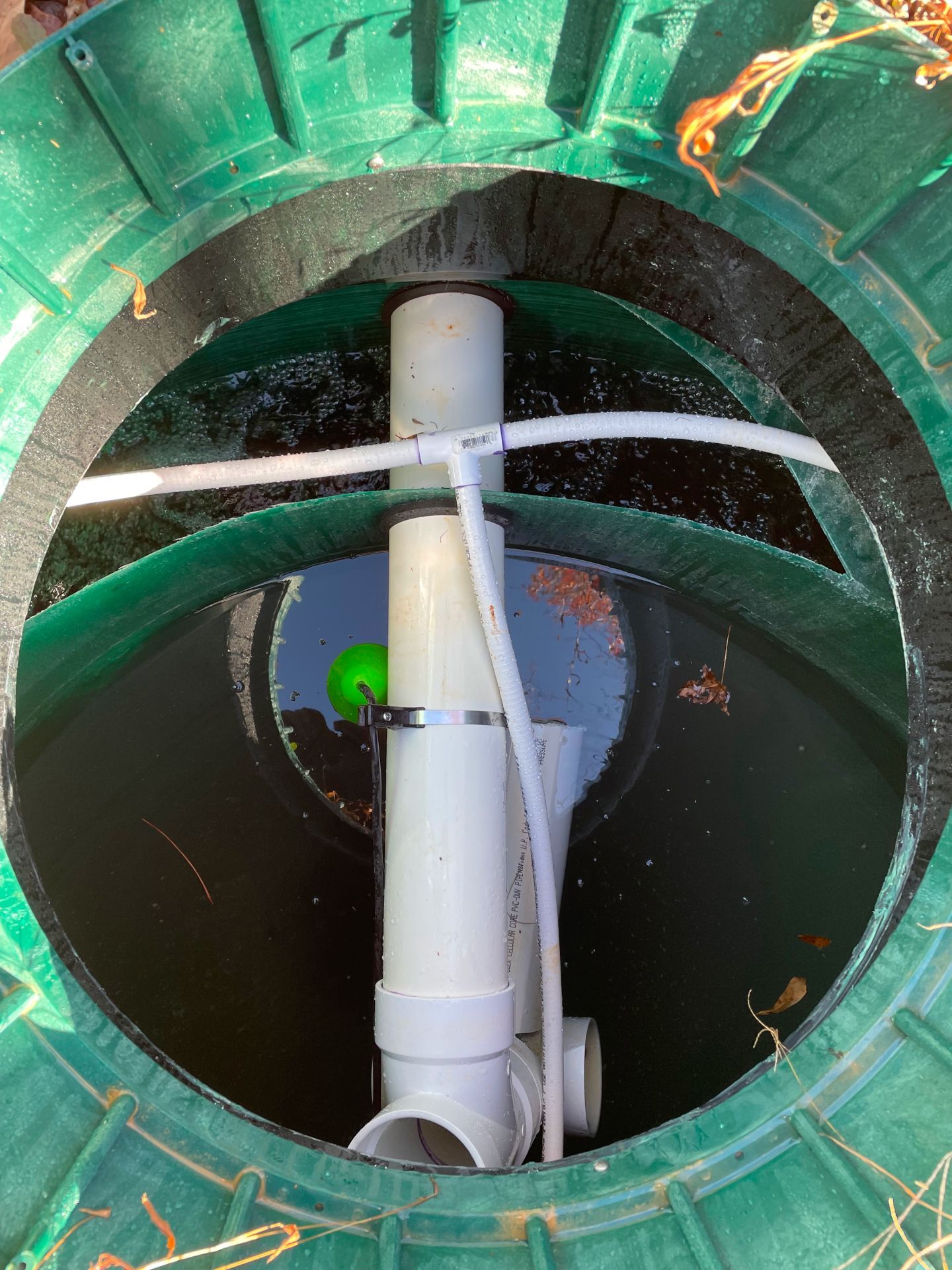
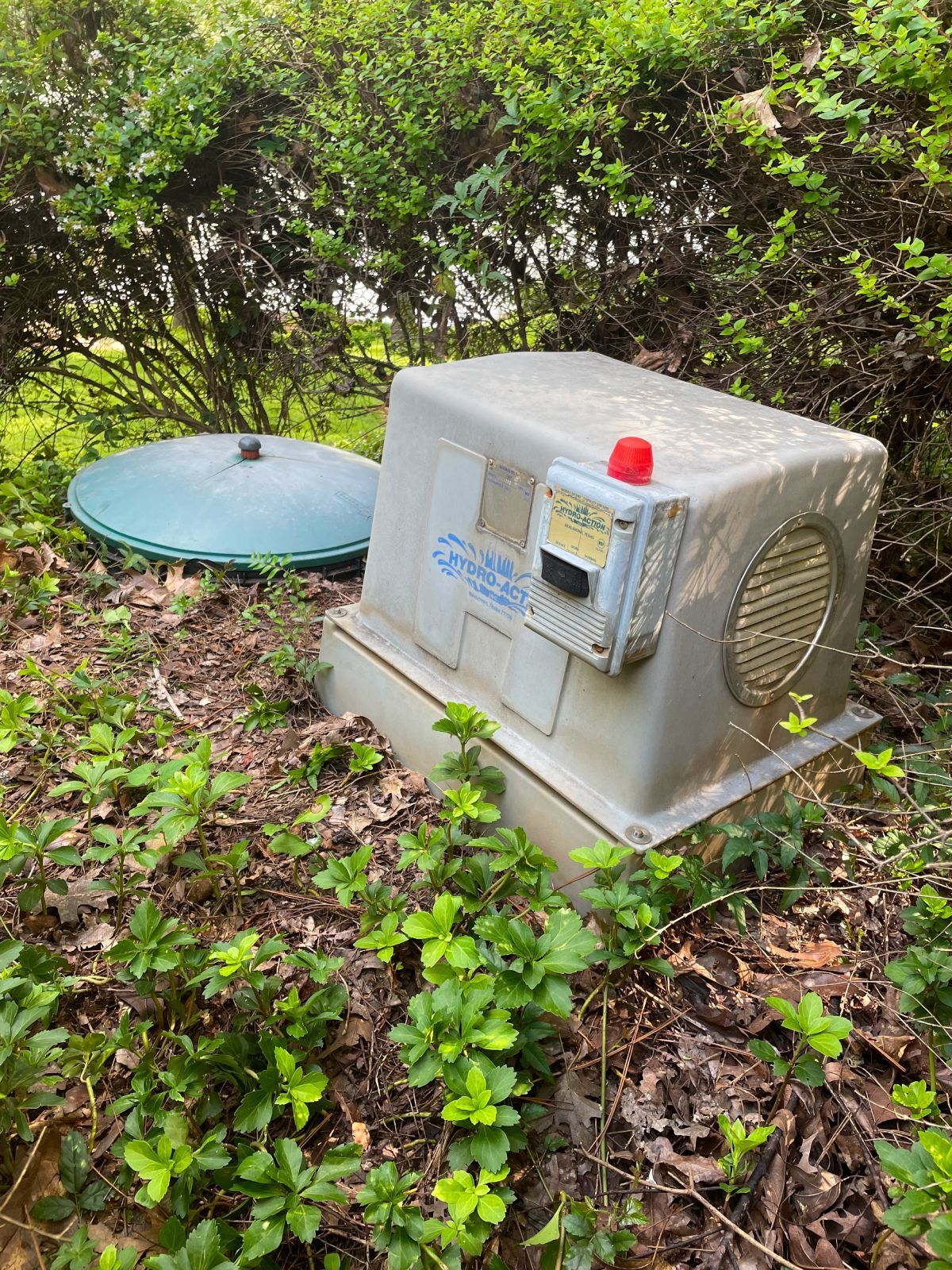
A Hydro-Action system includes several integrated components: a pretreatment tank, an aeration chamber, an air compressor, a pump, a clarification chamber, and, in many cases, a disinfection stage such as a UV treatment or chlorination unit. Each stage feeds into the next.
When one component starts to underperform, the effects do not stay contained. A failing air compressor affects bacterial activity in the aeration chamber. A pump issue can disrupt flow throughout the system entirely. A chlorination problem can affect effluent quality before it reaches the drain field. This is not a system where a general inspection and a visual check will catch every issue. Proper service requires someone who understands each component, how they interact, and what the actual warning signs look like from the inside.
What Georgia Requires for ATU Service
The State's Three-Year Service Mandate
Georgia has specific requirements in place for properties with aerobic treatment units. After installation, property owners must maintain a service and maintenance arrangement for the first three years, with the system and all component parts inspected at least once every six months. This is not optional. It is a state-mandated requirement tied to the installation of these systems.
After that initial three-year period, property owners can continue service on an as-needed basis or choose to maintain an ongoing service contract with a certified provider. Either way, the service must be performed by a company qualified to handle ATUs specifically.
Certification Beyond a Standard Septic License
Here is something many Georgia property owners do not know: holding a septic installation license does not automatically qualify a company to service aerobic treatment units. ATU service requires additional state and manufacturer training, and only a small percentage of licensed septic companies have completed it.
That gap is significant. When a property owner calls any available septic company without checking for ATU certification, they may be inviting someone onto their property who lacks the specific knowledge required for their system. The work may look thorough on the surface, while critical details go unnoticed beneath the surface.
Why Hydro-Action Specifically Requires Trained Hands
Manufacturer Knowledge and System Familiarity
Hydro-Action systems are engineered to specific specifications, and servicing them correctly requires understanding those specifications at the manufacturer's level. A technician with Hydro-Action training knows what normal operation looks and sounds like, what component wear patterns to watch for, and how to diagnose issues specific to these units.
That kind of familiarity cannot be substituted with general septic experience. A technician who has serviced conventional tanks for years may still not recognize the early signs of aerator wear in a Hydro-Action unit, or know how to calibrate a chlorination component within the system's specific parameters.
What Can Go Wrong Without Proper Service
When a Hydro-Action system is serviced by someone without proper training, the consequences can be costly and slow to show up. Bacterial populations in the aeration chamber can become imbalanced without anyone catching it, reducing treatment quality over time. An air compressor issue can go unaddressed until the aerobic process is compromised entirely. Effluent quality problems that could have been caught early instead reach the drain field, where the damage is far more expensive to correct.
Drain field repairs and replacements are among the highest costs a property owner can face. Consistent, certified service is one of the most practical ways to reduce that risk.
Alternative Septic Management's Dedicated Focus
We are Georgia's only 100% dedicated Hydro-Action septic experts. That is not a general claim about experience. It reflects a specific commitment to this system type, backed by completed state and manufacturer training and the licensing and certification required to service ATUs in Georgia.
Our services include septic inspections, septic repairs, air compressor maintenance, pump maintenance, and full Hydro-Action system service for residential and commercial properties. We serve property owners across North Georgia and the greater Atlanta area.
Because we specialize in alternative and aerobic systems, our technicians bring a depth of Hydro-Action knowledge that sets us apart from general septic providers. That specialization is what Georgia property owners with Hydro-Action units can count on when they call us.
What a Certified Service Visit Actually Looks Like
When our team services a Hydro-Action system, we go through each component methodically. We check the air compressor and aeration function, inspect pump performance, evaluate the clarification chamber, review the disinfection stage, and assess overall system flow and condition. We document what we find, address any issues, and communicate clearly with the property owner about the state of their system.
That kind of thorough, documented service also creates a record over time, which is helpful for Georgia's compliance requirements and for tracking any gradual changes in system performance before they become serious problems.
Continuity helps, too. When the same certified provider services a system over multiple visits, they build familiarity with how that specific unit operates. Small deviations from baseline are easier to catch when you know what normal looks like for that installation.
Choosing the Right Service Partner in Georgia
When you are considering a septic service company for your Hydro-Action system, a few questions go a long way. Ask directly whether the company holds certification for aerobic treatment unit service. Ask whether they have specific experience with Hydro-Action systems, not just ATUs in general. Ask whether their technicians have completed manufacturer training.
A company that can answer those questions clearly and specifically is a company you can trust with your system.
At Alternative Septic Management, those answers are straightforward. We have completed the training, hold the certification, and specialize in Hydro-Action systems.
If you have questions about your system, need to schedule a service visit, or want to set up an ongoing maintenance plan, we are ready to help. Call or text us at 404-788-3474 or
visit the website to schedule your service today.