How to Prepare Your ATU for Holiday Water Use Before Guests Arrive
A house full of holiday guests changes how a household uses water. Showers, dishwashing, and laundry happen more often, and sometimes all at once. For homeowners with an aerobic treatment unit (ATU), a little planning before guests arrive can help the system handle the extra activity.
At Alternative Septic Management, we are a family-owned company that has served Georgia since 2009, and we are Georgia’s only 100% dedicated Hydro-Action experts. This guide covers what to check beforehand, how to manage water use while guests are staying, and what to watch for afterward. Of course, every system and household is different, so please consider this a general overview.
How Holiday Hosting Changes Water Use
An ATU treats wastewater in stages, using oxygen and aerobic bacteria to break down waste. That process depends on wastewater moving through the system at a steady pace, which is why the timing of water use can be just as important as the total amount. A household may use the same amount of water each day, but the system can respond differently when that water arrives in short bursts.
Holiday hosting can create exactly those bursts. When several people shower in the morning, the dishwasher runs after a meal, and laundry is going at the same time, a large volume of wastewater can enter the system in a short period. That can temporarily reduce how quickly the system processes it, dilute the beneficial bacteria, and shorten contact time within the system. The drain field may also receive more water than it can absorb at once.
A system may recover when it has time between heavy-use periods, and much of the preparation below is aimed at creating that time. For homeowners across Georgia and the greater Metro Atlanta area with an alternative septic system, that preparation starts well before the first guest arrives.
Before Guests Arrive
Confirm Your Service Is Up to Date
Georgia requires that properties with an ATU have a service and maintenance arrangement in place for the first three years after installation, with the system and its components checked at least once every six months. After that period, service can continue on an as-needed basis, or the property owner can choose an annual service contract.
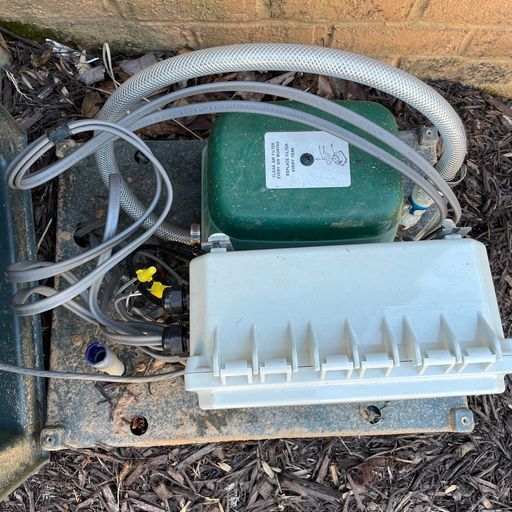
A routine service visit typically covers the air compressor, pump, clarification chamber, any disinfection stage, the control panel, and the alarm. If a visit is due or you have noticed changes in how the system behaves, scheduling ahead of the holidays leaves time to address any issues before the extra demand begins.
Check the Control Panel and Keep Access Areas Clear
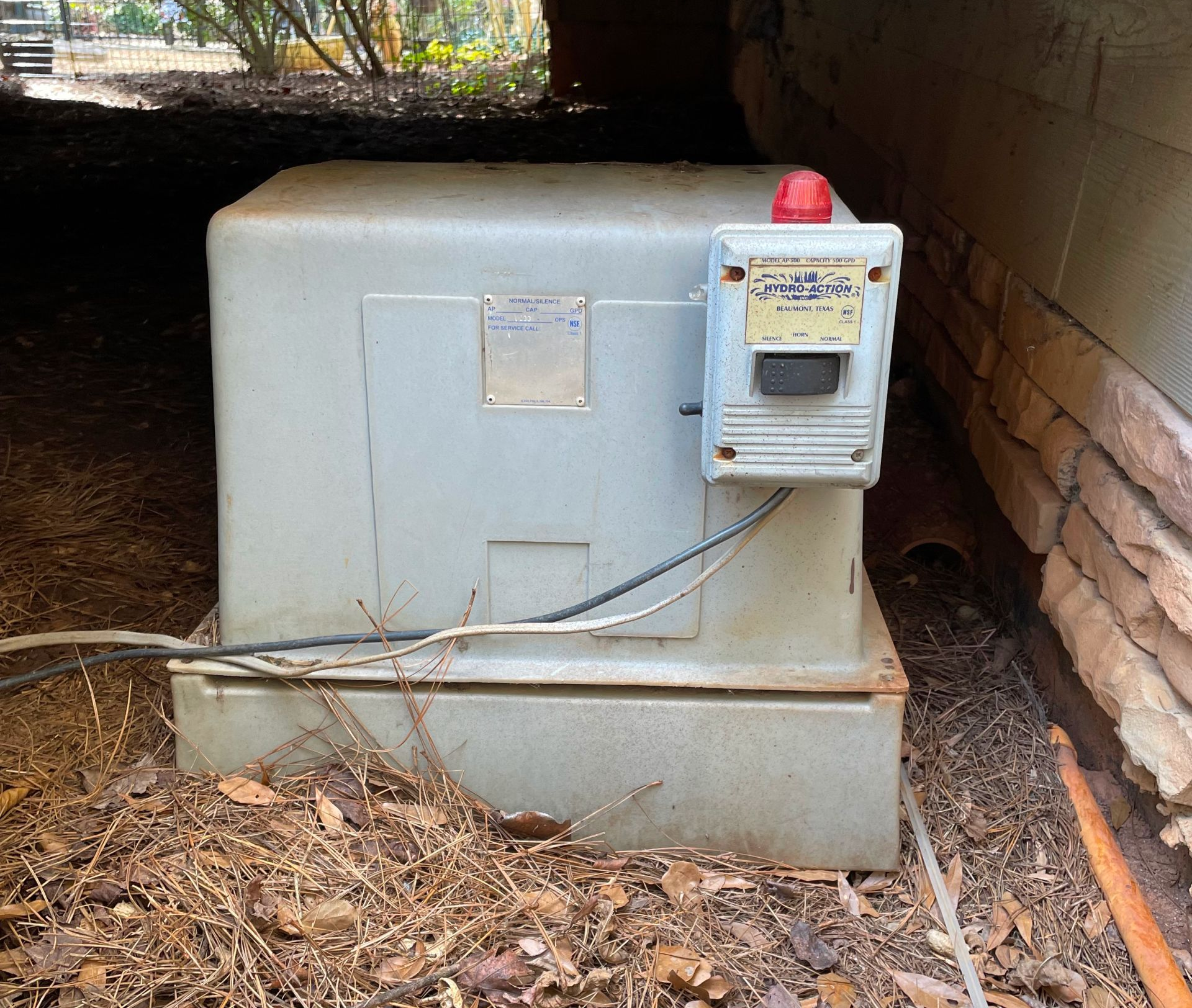
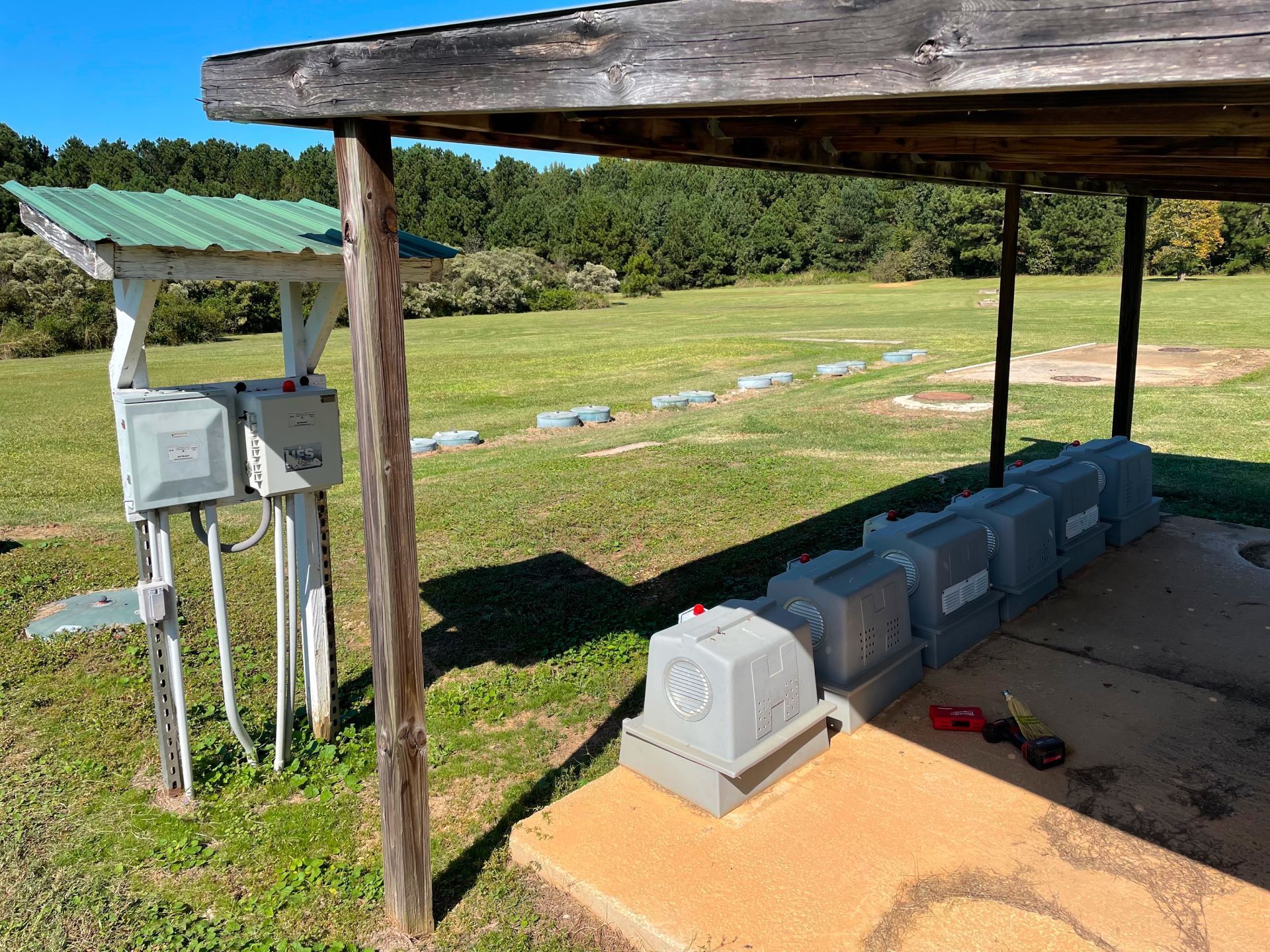
A visual check of the control panel is a good first step. Indicator lights typically show green during normal operation, while red or yellow lights may signal a problem. If an audible alarm is sounding, identify the cause and address it promptly rather than waiting for it to resolve on its own. Anything involving electrical components, a continuous alarm, or a cause you cannot identify is best left to a technician.
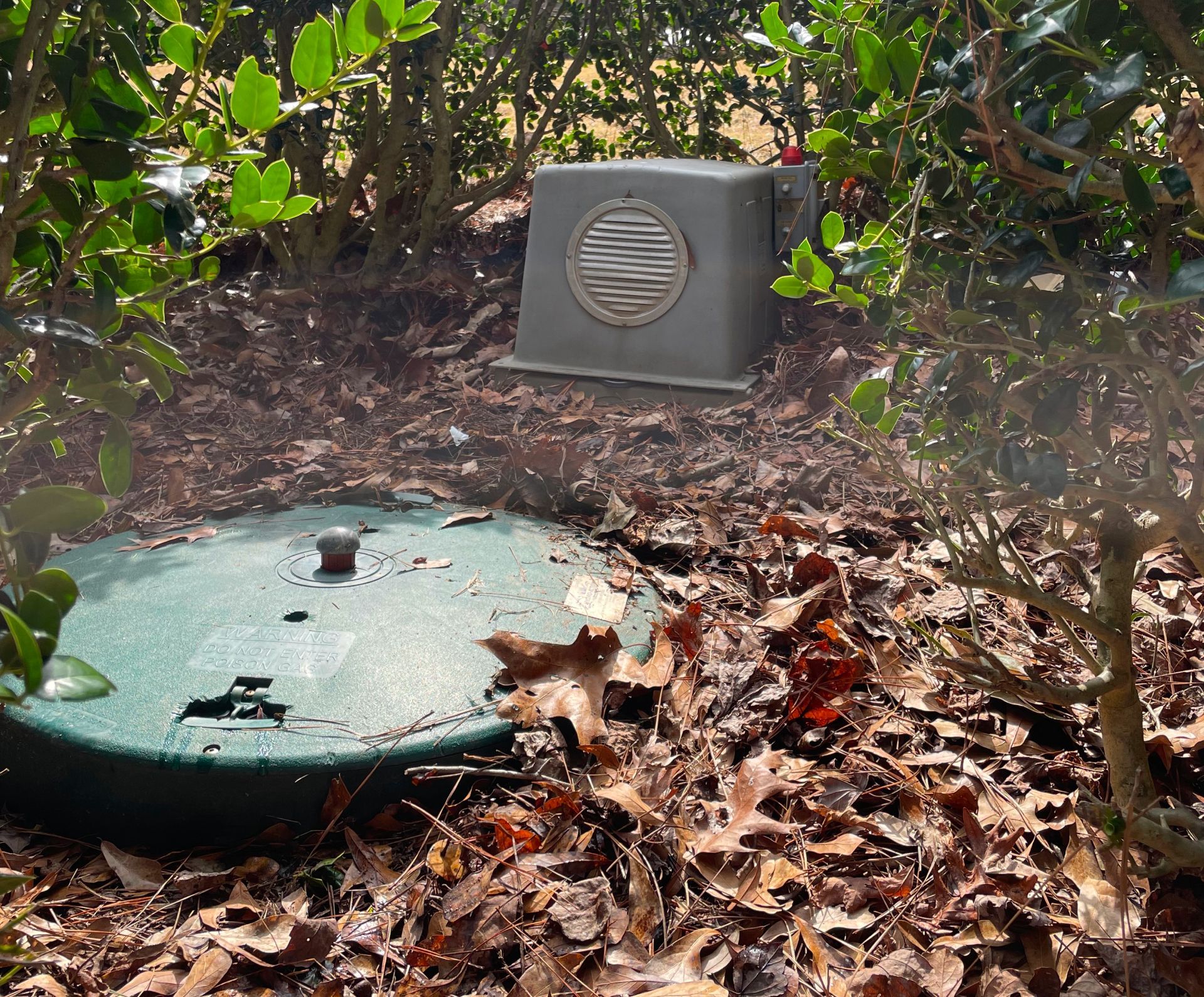
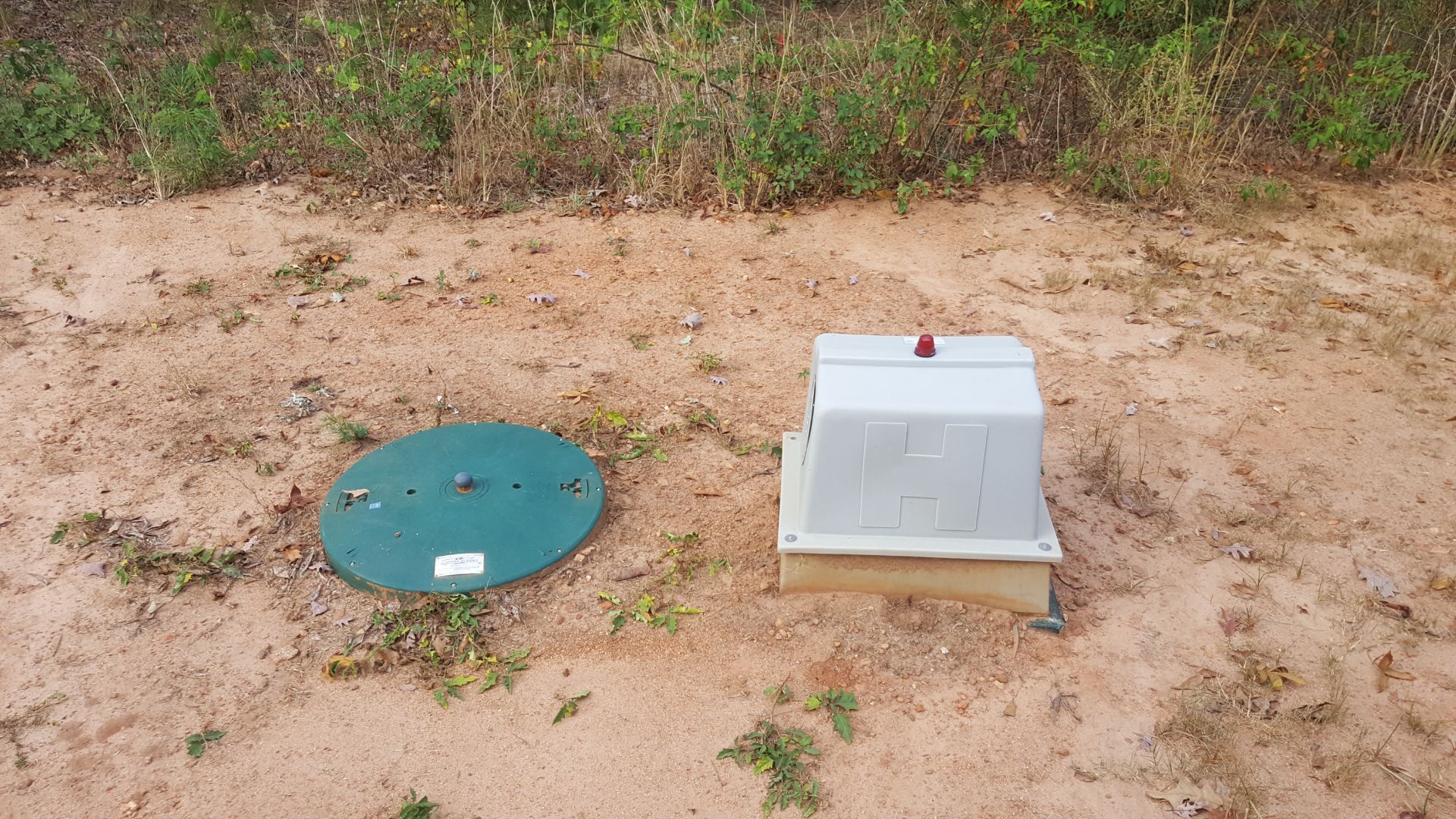
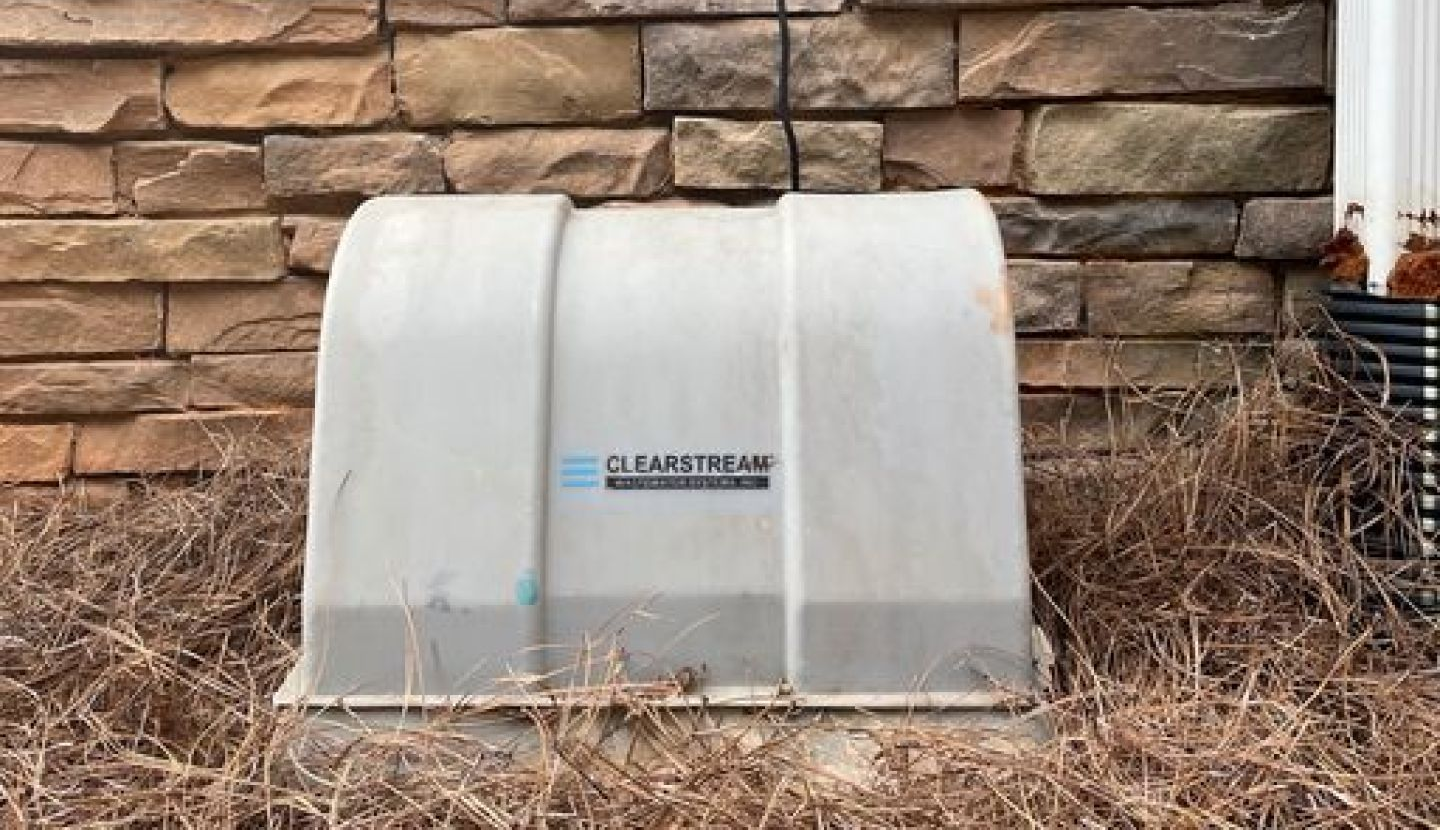
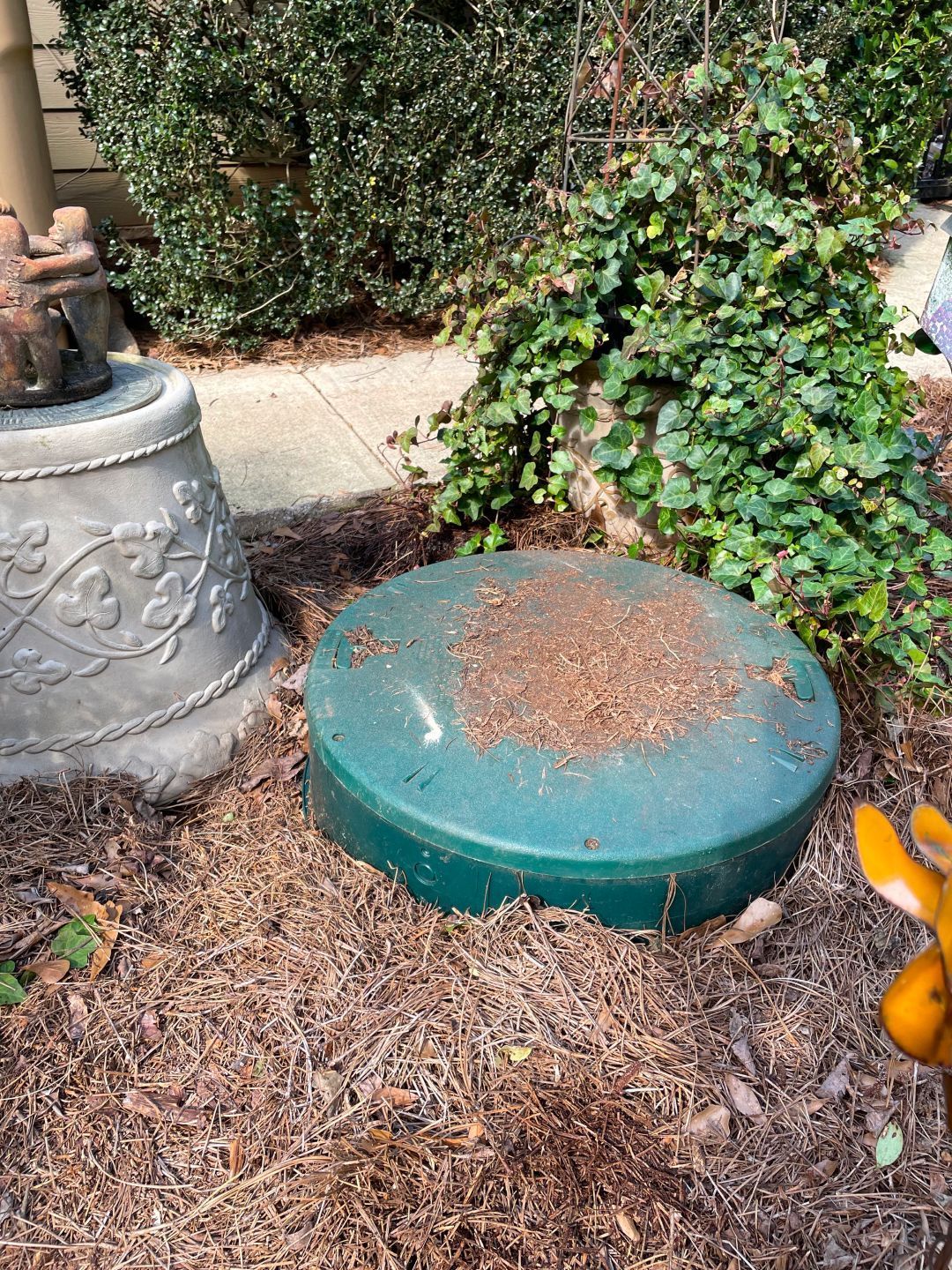
It also helps to look at the area around the system. Keep lids, vents, and other access points clear of leaves and yard debris, so a technician has unobstructed access if service is needed during the holiday season.
Note Anything Unusual and Address It First
If you have noticed an odor, an unfamiliar sound, or an alarm since your last visit, write down when it happened and how long it lasted. Details like these give a technician a clearer starting point and can make diagnosis more efficient.
An alarm, in particular, should not be ignored. It signals that something in the system has changed, and it is generally easier to address before a full house arrives than in the middle of a holiday gathering. If something seems off, call us before your guests arrive so we can help determine whether the system needs attention.
While Guests Are Staying
Spreading Out Water Use
The most practical step during a visit is spacing out water-heavy tasks. Spreading water use across the day and the week, rather than concentrating it in short windows, gives the system more time to process wastewater and recover between uses. This is the central idea behind hydraulic loading, which focuses on how and when water reaches the system, not just how much.
In a busy household, that might mean staggering showers through the morning, not running the dishwasher at the same time as laundry, and spreading laundry across several days instead of running multiple loads back-to-back. Back-to-back loads, in particular, can increase the volume entering the system at one time. No single schedule works for every household, but the goal is the same: avoiding large volumes of water in a short period.
What Goes Down the Drain During Gatherings
Holiday cooking and cleanup should also be considered. Keeping grease and food solids out of the drains helps protect the bacteria the system depends on, and the same applies to harsh household chemicals. Bleach and disinfecting cleaners, chemical drain cleaners, antibacterial soaps, and strong dishwasher detergents are among the everyday products that can harm the bacterial environment, and heavy cleaning before or after a gathering can mean more of them than usual end up in the system.
Septic-safe products used in moderation are a better choice for cleanup. Unused medications should be taken to a pharmacy or another disposal option rather than put down the drain.
What to Watch for After Guests Leave
Once guests have left, pay attention to how the system behaves over the following days. Possible signs of strain include slower drainage when several fixtures are used together, mild or intermittent odors, and damp areas near the drain field that take longer than expected to dry. These observations do not necessarily indicate a malfunction, and in some cases, they reflect normal variation, but they should be noted.
Weather can add to the picture. Georgia winters often bring steady rain for days or weeks, and saturated soil absorbs less, slowing the movement of treated water and reducing the system’s ability to recover between uses. Because holiday hosting can fall during that season, ground that stays soft after the rain stops, or unusually green grass over the drain field, are signs to watch. If the signs persist, schedule an evaluation so a technician can inspect the system and the drain field.
Next Steps Before Guests Arrive
A short checklist can help you cover the essentials before the first guest walks in:
- Confirm your service arrangement or annual contract is current.
- Check the control panel lights and make sure no alarms are active.
- Keep lids, vents, and access points clear of leaves and debris.
- Plan to space out laundry, showers, and dishwashing.
- Keep grease, food solids, and harsh chemicals out of the drains.
If a visit is due, or if something about your system seems different, we are glad to help. Based in Monroe, GA, we work with property owners throughout Georgia, including the greater Metro Atlanta area, and our team has completed the state and manufacturer training required to service ATUs. Text or call us at 404-788-3474, or
visit the website to get started.