Why the Air Compressor in Your ATU Needs Regular Inspections
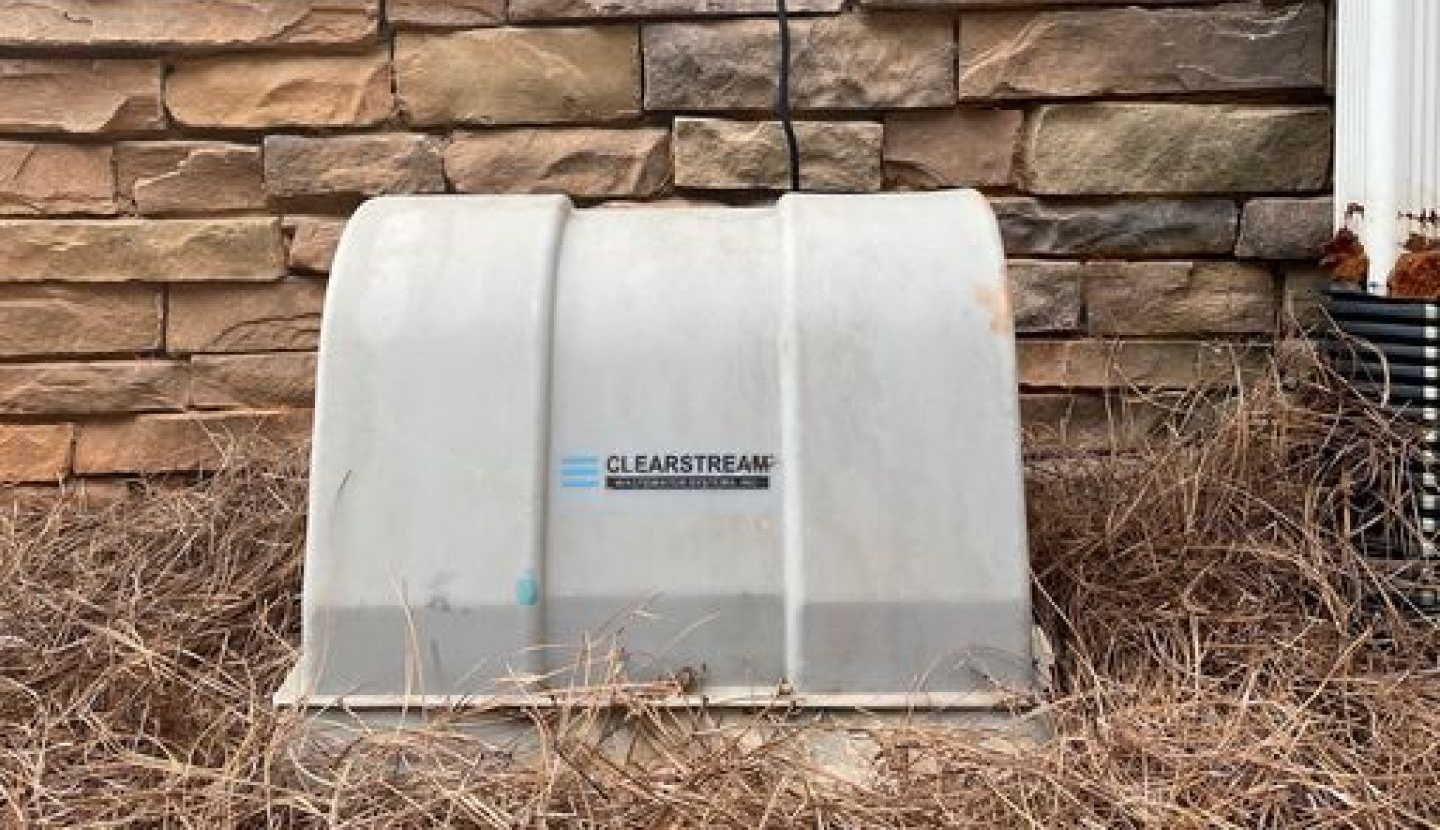
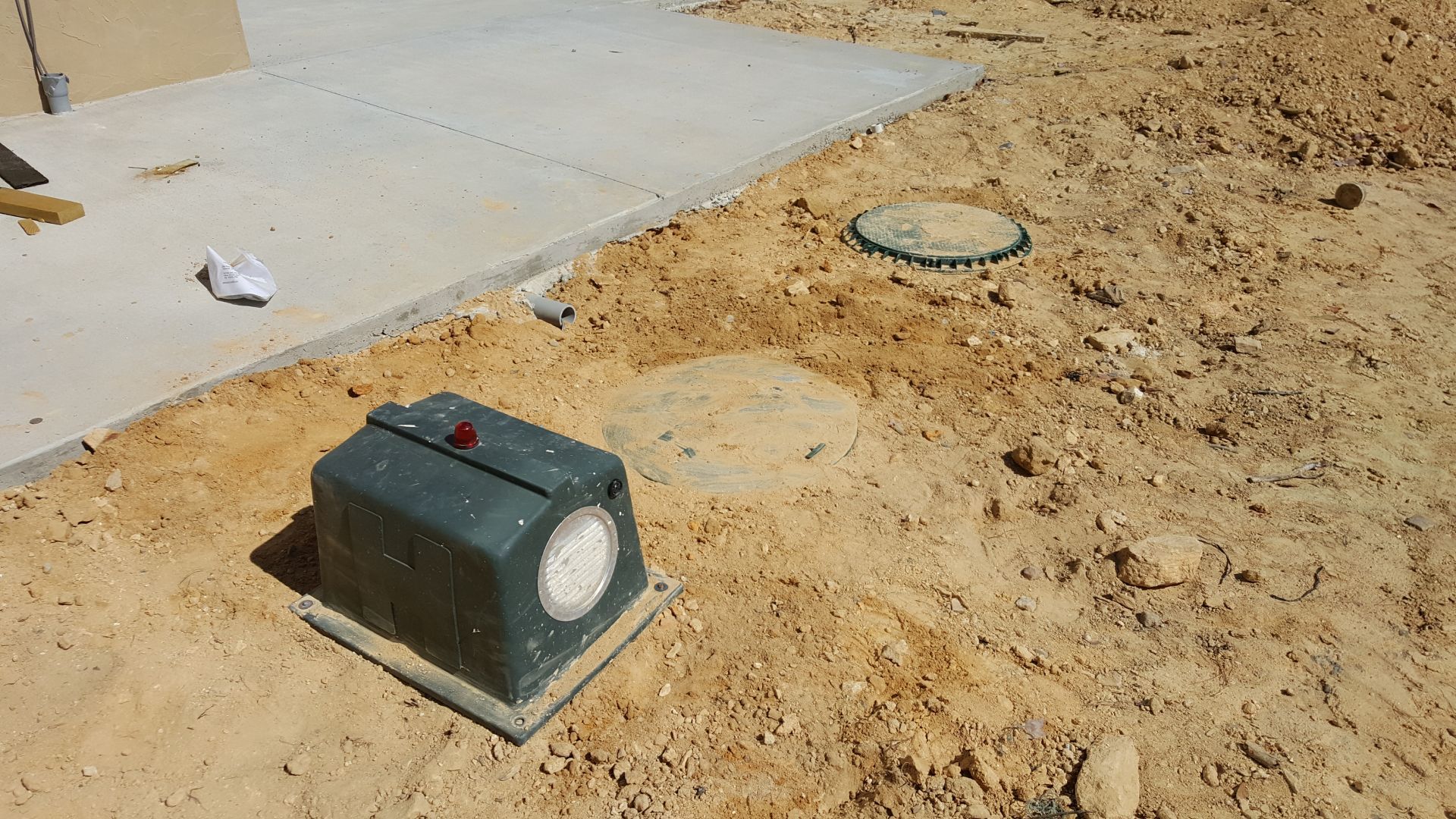
When homeowners think about their aerobic treatment unit, the air compressor isn't usually the first thing that comes to mind. It is often tucked out of sight and does its job quietly. But this little piece of equipment plays a big role in how well your whole system works. At Alternative Septic Management, we often get questions about ATU components, and the air compressor is one we like to discuss because understanding it can help homeowners catch small issues before they become bigger ones.
How an Air Compressor Fits Into the Aerobic Treatment Process
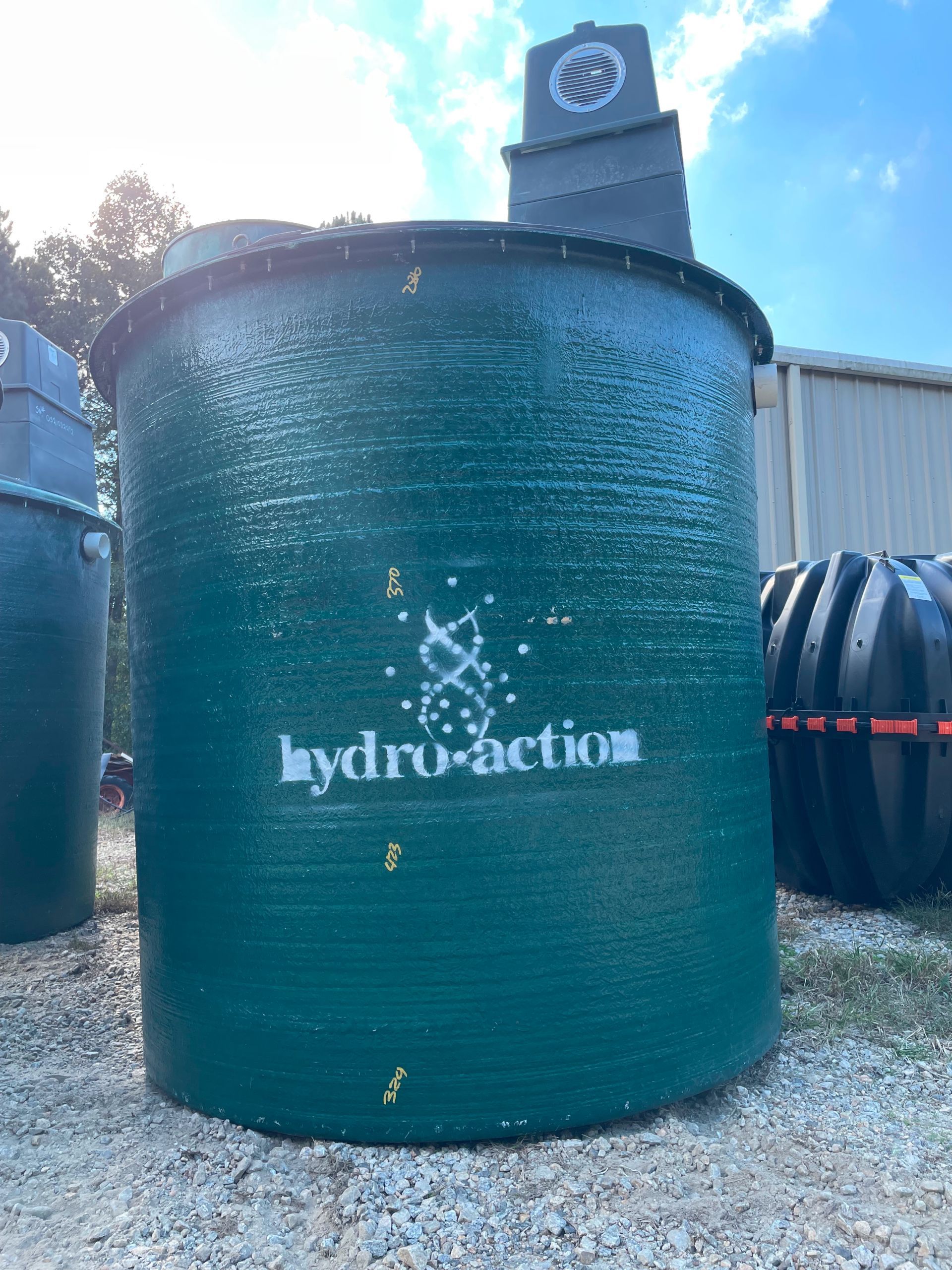
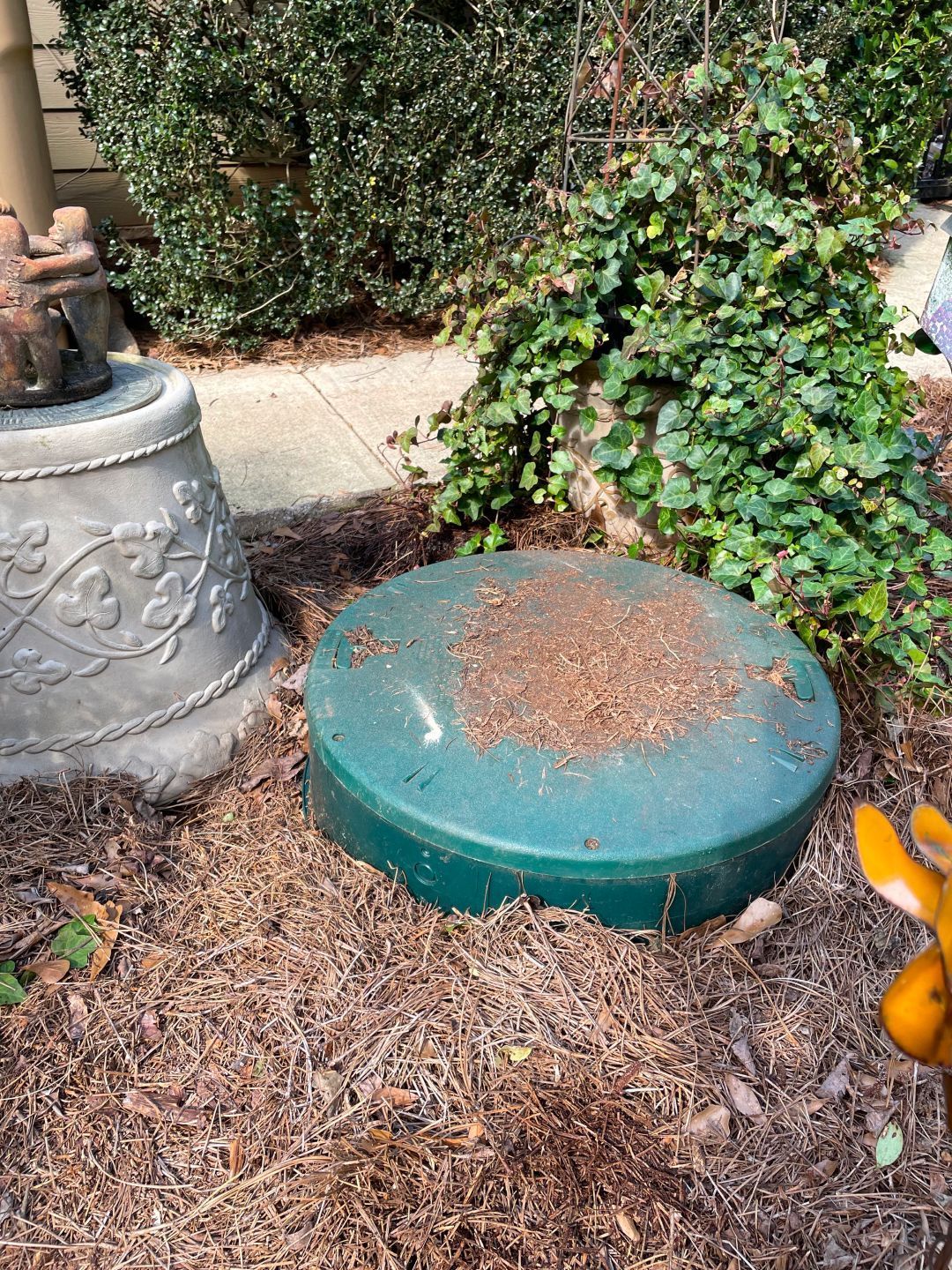
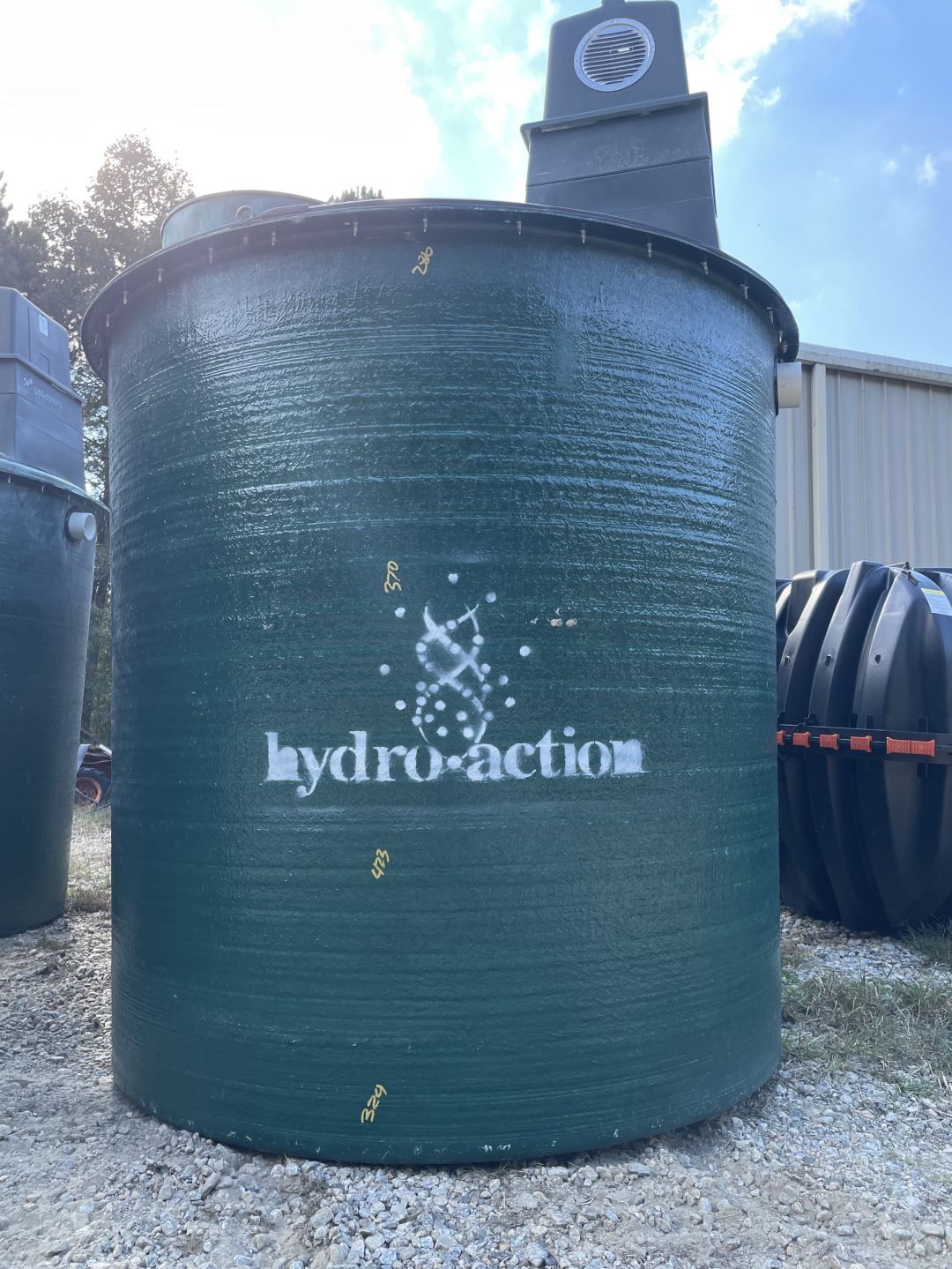
An aerobic treatment unit, often part of a hydro-action septic system, treats wastewater in stages. The process starts in a pre-treatment tank, where solid materials settle and begin to break down into effluent. From there, the effluent enters the aeration chamber, where the air compressor comes in.
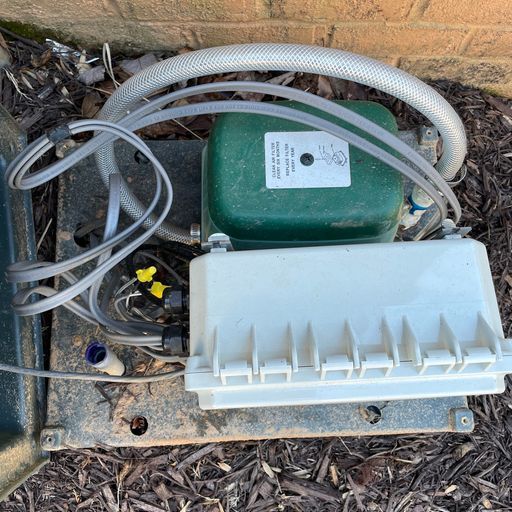
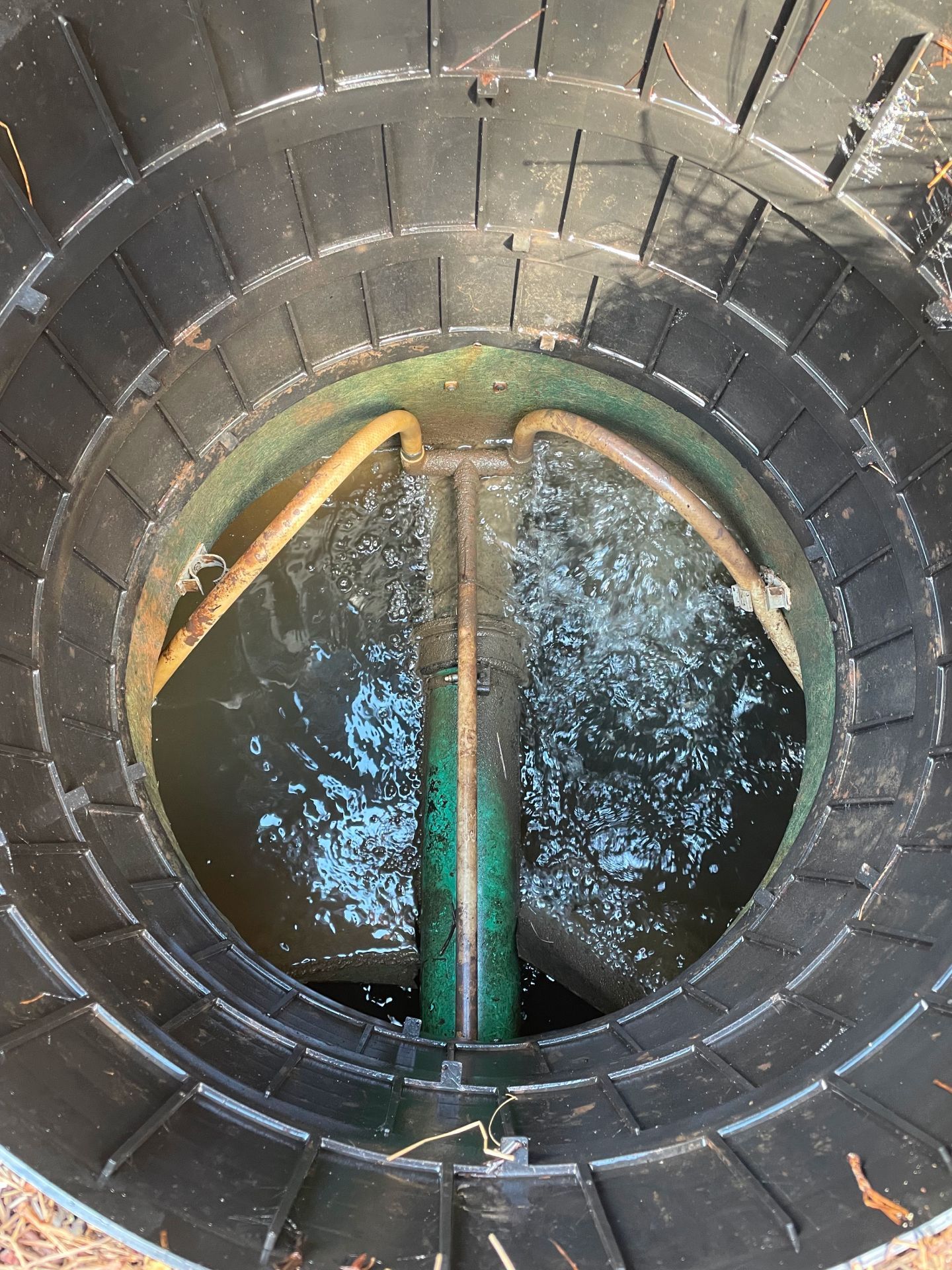
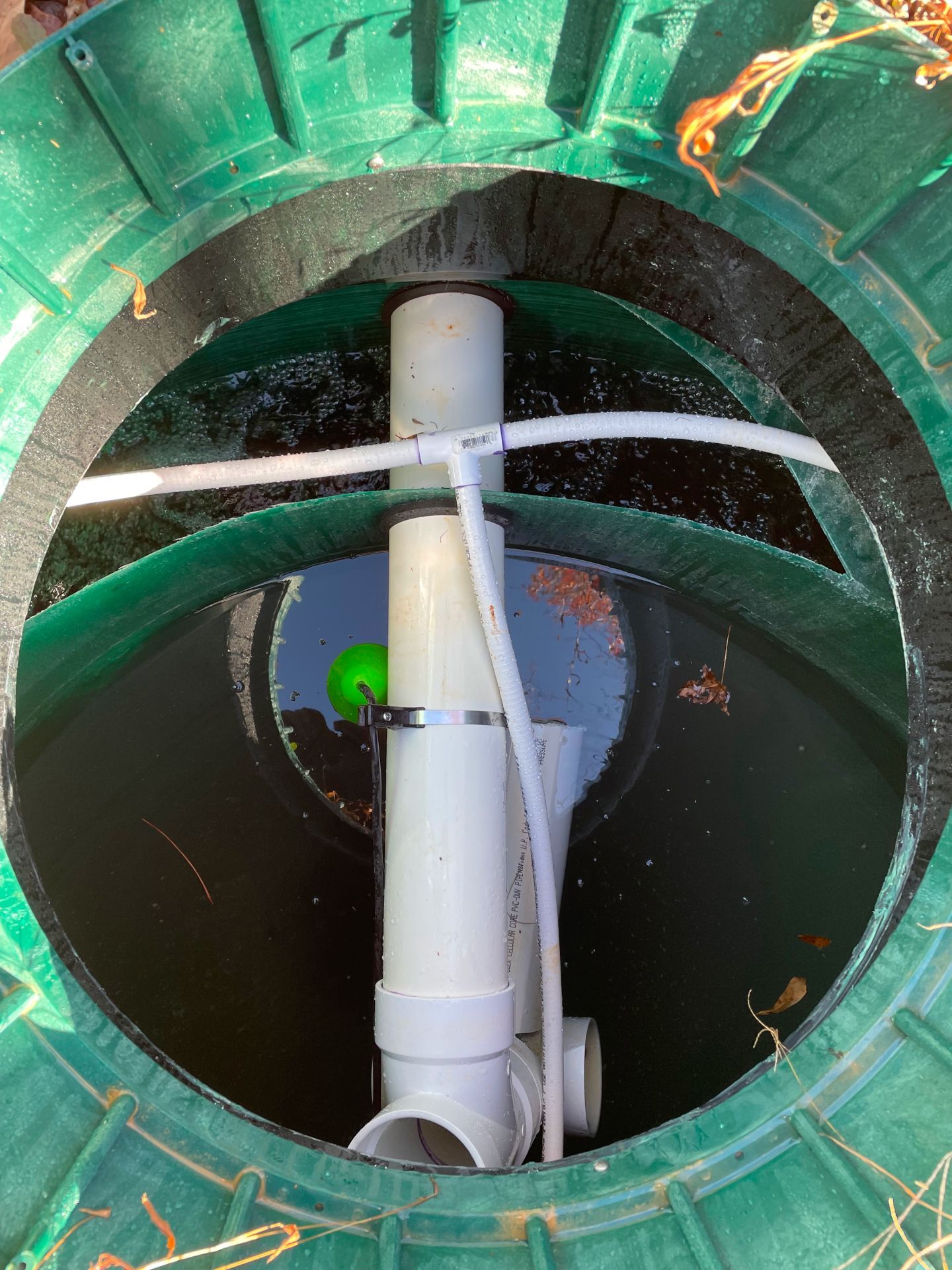
In the aeration chamber, the compressor works alongside a pump to introduce oxygen into the wastewater. This step speeds up and strengthens the treatment process compared to a traditional septic system, which relies on anaerobic conditions instead. Once the aeration stage completes its job, the effluent enters the clarification chamber, where solids are removed before any final treatment stages, such as disinfection.
In short, the compressor is the piece of equipment responsible for getting oxygen into the system at exactly the right time. Without it, the aeration chamber would not function as intended, and the entire treatment process would lose the efficiency that makes ATUs a strong choice for homeowners and business owners seeking a more advanced wastewater solution.
It helps to think of the compressor as the system's steady source of breath. The bacteria responsible for breaking down waste in an ATU depend on a continuous oxygen supply, and the compressor runs more or less constantly to provide it. That means its condition has a direct, ongoing effect on how well the system performs, not just on the day of an inspection but every day in between.
The Importance of Oxygen for a Healthy ATU
It is easy to think of an ATU as just a tank, but what is actually happening inside is a living process, and oxygen is central to it.
Supporting Aerobic Bacteria
Aerobic treatment relies on bacteria that need oxygen to survive and do their work. These bacteria break down organic material in the wastewater, and they simply cannot function the way they are meant to without a steady oxygen supply. The air compressor is what keeps that oxygen flowing, which means it is directly tied to how effectively your system treats waste day to day.
When oxygen levels in the aeration chamber drop, even temporarily, the bacteria population can struggle to keep pace with incoming waste. This does not always show up right away, which is one reason a compressor issue can go unrecognized longer than homeowners might expect.
Producing Higher Quality Effluent
When the aeration stage works as intended, the effluent entering the clarification chamber is in better shape. That is important for the rest of the treatment process and for reducing the system's overall impact on the surrounding soil and water table. A compressor that is not performing well can cause the aeration stage to fall short, which can affect everything downstream, including how the drain field handles the effluent it receives. This is part of why hydro-action and other aerobic systems are often chosen by property owners who want a more environmentally conscious wastewater solution. Still, that advantage only holds up when each component, including the compressor, continues to do its part.
Common Signs an Air Compressor May Need Service
Most homeowners are not expected to diagnose mechanical issues on their own, but knowing what to watch for can help you decide when it is time to call for service.
Unusual Sounds or Vibration
Compressors typically run with a fairly consistent sound. If you notice new noises, rattling, or vibrations that were not there before, you should have the unit checked. Changes in sound are often among the earliest signs that something is working harder than it should, and catching this early can prevent a minor adjustment from becoming a larger repair.
Reduced Air Flow or System Alarms
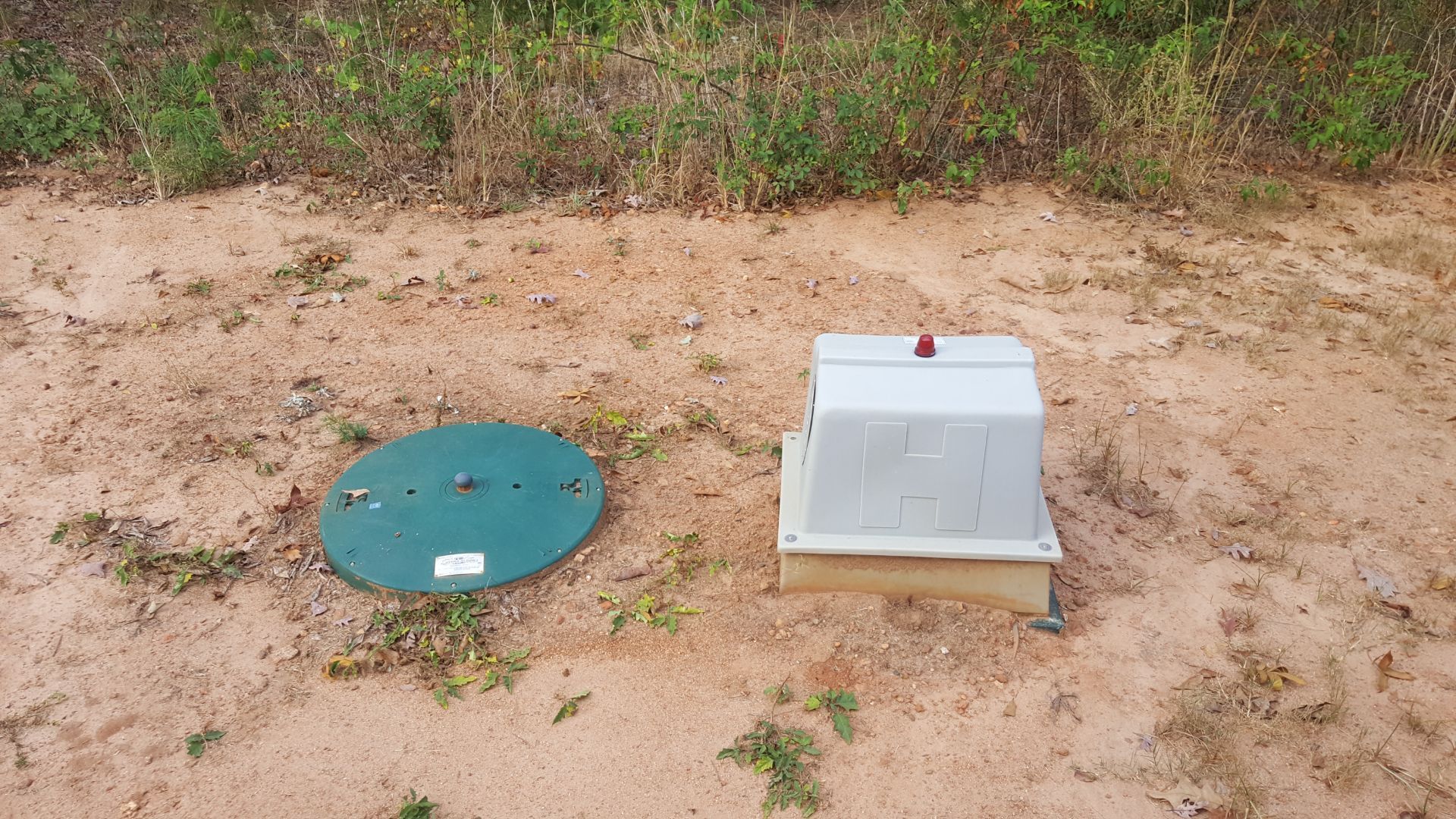
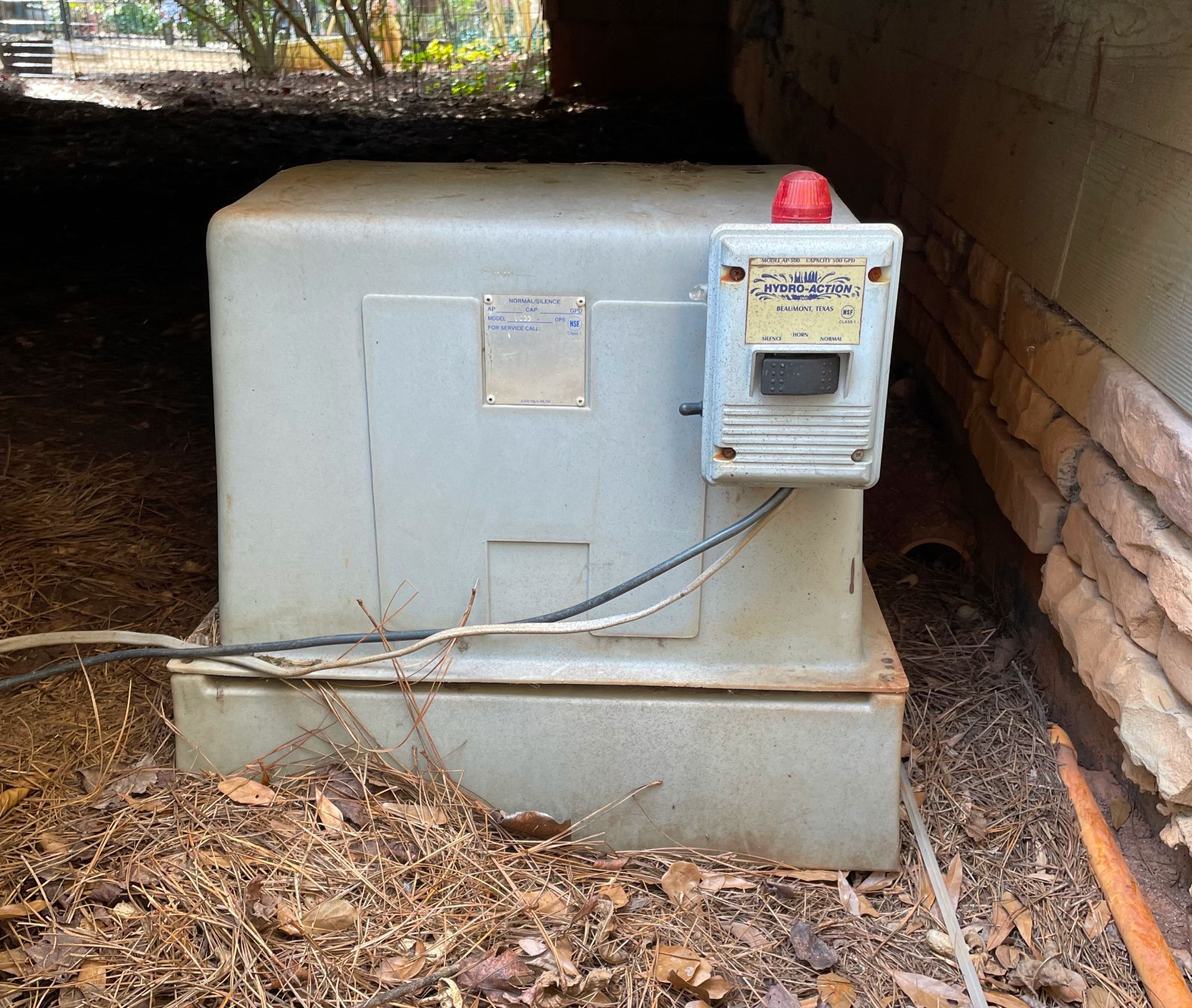
Many ATUs include alarm systems designed to alert homeowners to a problem with aeration or other components. If you notice an alarm or sense changes, such as unusual odors around the system, these can indicate reduced airflow reaching the aeration chamber. Odor, in particular, is often one of the more noticeable signs for homeowners, since a properly aerated system typically produces far less odor than one with low oxygen levels.
Age and Wear Over Time
Like any mechanical equipment that runs continuously, air compressors experience wear over the years. Parts can loosen, seals can degrade, and performance can gradually decline even without an obvious failure. This is part of why regular checks are important, rather than waiting for a clear sign of trouble. A compressor nearing the end of its service life may still appear to run normally while quietly losing efficiency beneath the surface.
Why Regular Attention Protects the Whole System
Because the air compressor supports such an early and important stage of treatment, ongoing issues here do not stay isolated. Reduced aeration can affect the clarity of the effluent, placing greater strain on later stages of the system, potentially affecting drain field performance over time. A drain field that receives lower-quality effluent over an extended period may experience effects that cost far more to address than the original compressor issue would have.
This is also part of why the State of Georgia requires ATU owners to have a service and maintenance arrangement in place, with system checks at least every six months during the first three years after installation. Component checks during these visits, including the air compressor, help confirm that the system continues to operate the way it was designed to. After that initial three-year period, many property owners continue with regular maintenance on an as-needed basis or keep a service agreement in place, since consistent attention is often the most reliable way to avoid larger issues down the road.
How We Help Keep Your ATU's Air Compressor Running Smoothly
Air compressor maintenance is one of the core services we offer at Alternative Septic Management. Our team has completed the state and manufacturer training required to work on ATUs and other advanced septic systems, including hydro-action systems specifically. That training means we know what a properly functioning compressor should look and sound like, and we know what to check when something seems off.
Whether you need a routine check as part of your required maintenance schedule or you have noticed one of the signs mentioned above, we are glad to take a look and help you understand exactly what your system needs. We work with residential and commercial properties throughout Monroe and the wider Metro Atlanta area.
A well-maintained air compressor supports a well-maintained ATU, which means fewer surprises and more reliable performance over the life of your system. Most homeowners do not think much about this small piece of equipment until something changes, but a little attention now can go a long way toward avoiding bigger repairs later.
Ready to Schedule an Inspection?
If you have questions about your air compressor or it has been a while since your last maintenance visit, call or text 404-788-3474 or
visit the website to schedule service.