What to Expect During Your First Year of ATU Ownership in Georgia
At Alternative Septic Management, we work with many new ATU owners navigating their first year of ownership without a clear picture of what to expect. An aerobic treatment unit is not a set-it-and-forget-it system, and the first year comes with specific requirements and a learning curve that is much easier to manage when you know what is ahead. This post covers what Georgia requires, what your system needs, and what to pay attention to as you settle into ownership.
Why the First Year of ATU Ownership Is Different
A conventional septic system requires relatively little attention once it is installed and functioning. An aerobic treatment unit is a different type of system, one with mechanical components, a living bacterial environment, and state-mandated service requirements that begin the day installation is complete.
For new ATU owners, this can come as a surprise. The first year is not just about getting used to having the system. It is about understanding how it works, what it needs, and how to recognize when something is off. The good news is that the structure Georgia puts in place for new ATU owners is actually designed to make that easier, not harder.
Understanding Georgia's Three-Year Service Requirement
What the Requirement Actually Means
Georgia requires that properties with aerobic treatment units have a service and maintenance arrangement in place beginning immediately after installation. During the first three years, the system must be checked at least once every six months by a certified company. That means a minimum of two service visits per year for the first three years, for a total of at least six visits before the mandatory period ends.
This is not optional, and it is not something that gets set up later. The arrangement needs to be in place from the start, which is one of the first things new ATU owners should confirm after installation is complete.
Why This Requirement Exists
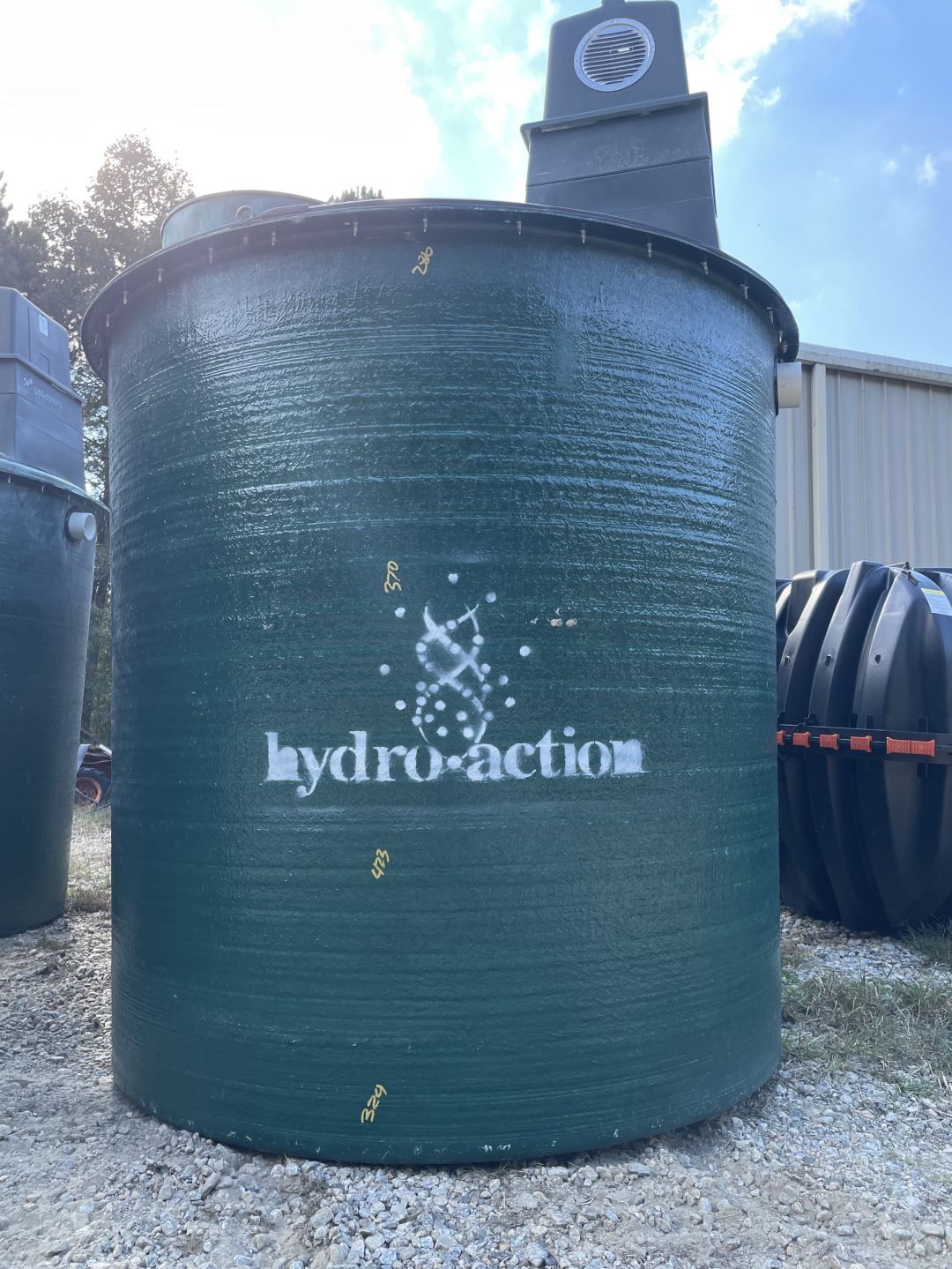
ATUs are more mechanically complex than conventional septic systems. They include components such as air compressors, pumps, and control panels that need to be checked regularly to ensure they are functioning as intended. The bacterial environment inside the system also requires attention in ways that a conventional system does not.
The six-month inspection requirement exists because catching a small issue early, before it affects system performance or leads to a more significant repair, is far better than discovering a problem after it has had time to develop. For new owners especially, these early visits also provide an opportunity to understand the system and ask questions while a trained technician is on site.
What Happens After Three Years
Once the initial three-year period ends, the mandatory service schedule no longer applies in the same way. Ongoing maintenance can be handled as needed, or owners can choose to continue with an annual service contract. Most ATU manufacturers and Georgia regulators recommend keeping up with regular maintenance even after the three-year requirement ends, and for good reason. Systems that go without consistent attention are more likely to experience component wear and performance issues over time. The three-year requirement establishes a good habit. Continuing it is simply a sound plan to protect the investment.
What Your First Service Visits Will Cover
What Technicians Check During Routine Visits
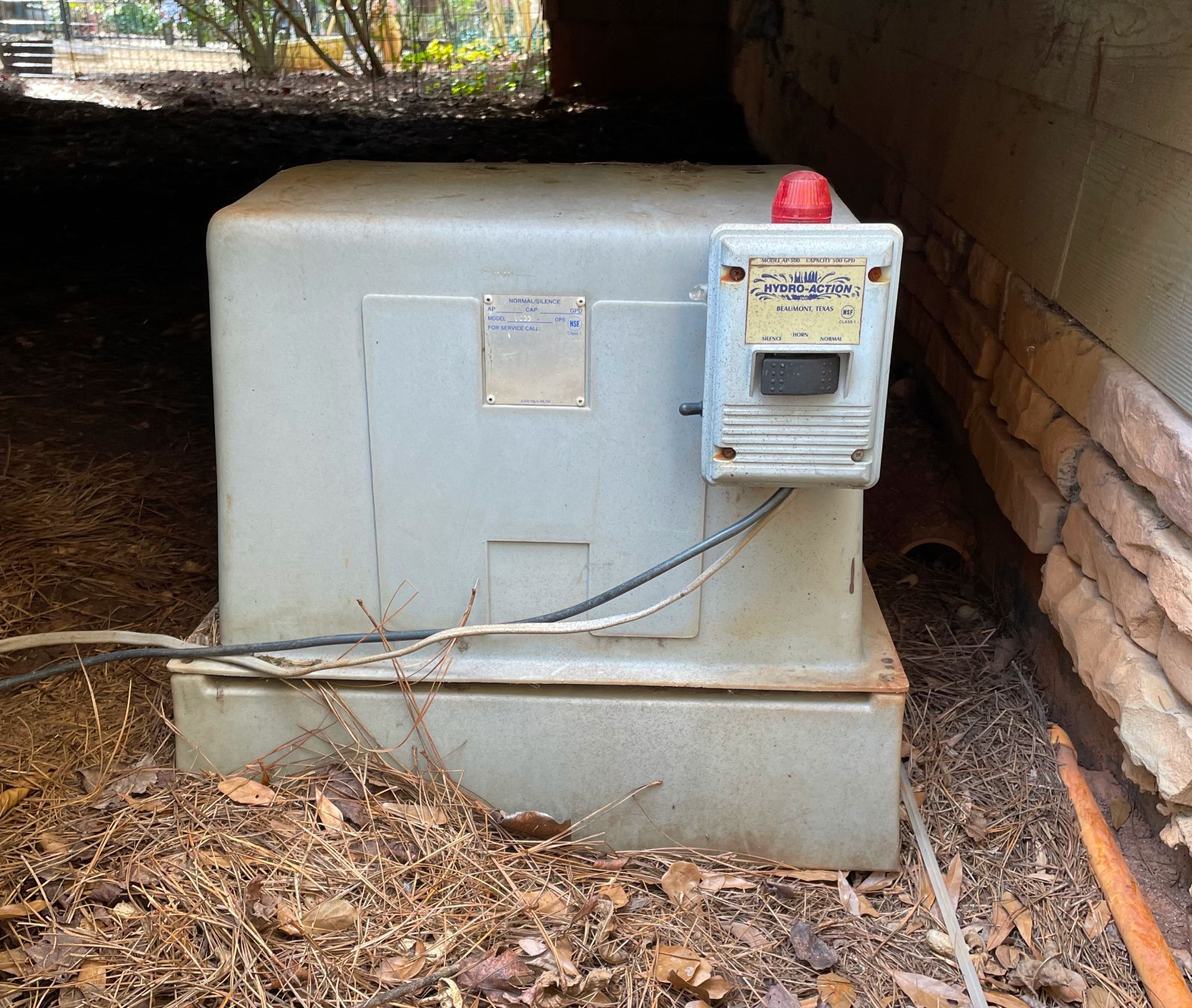
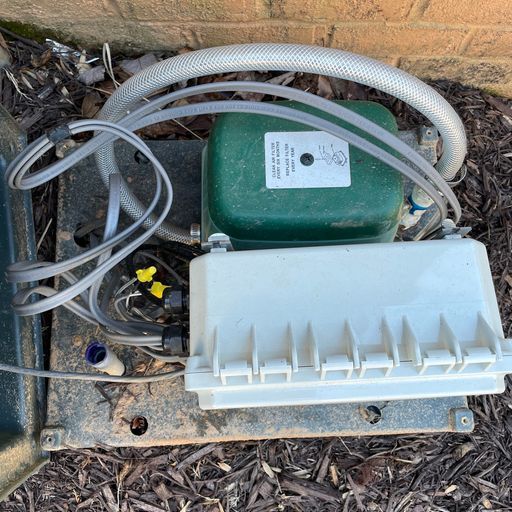
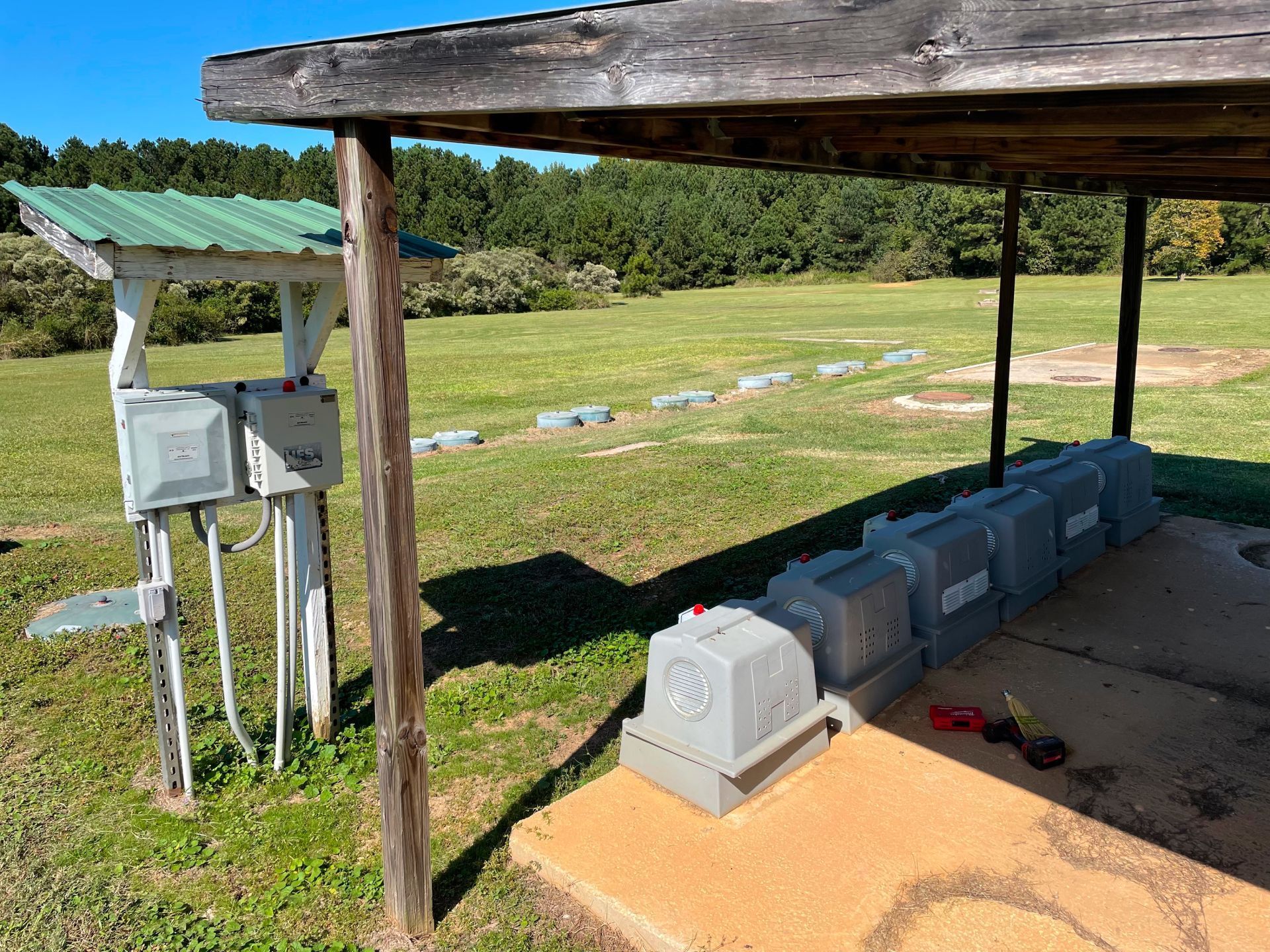
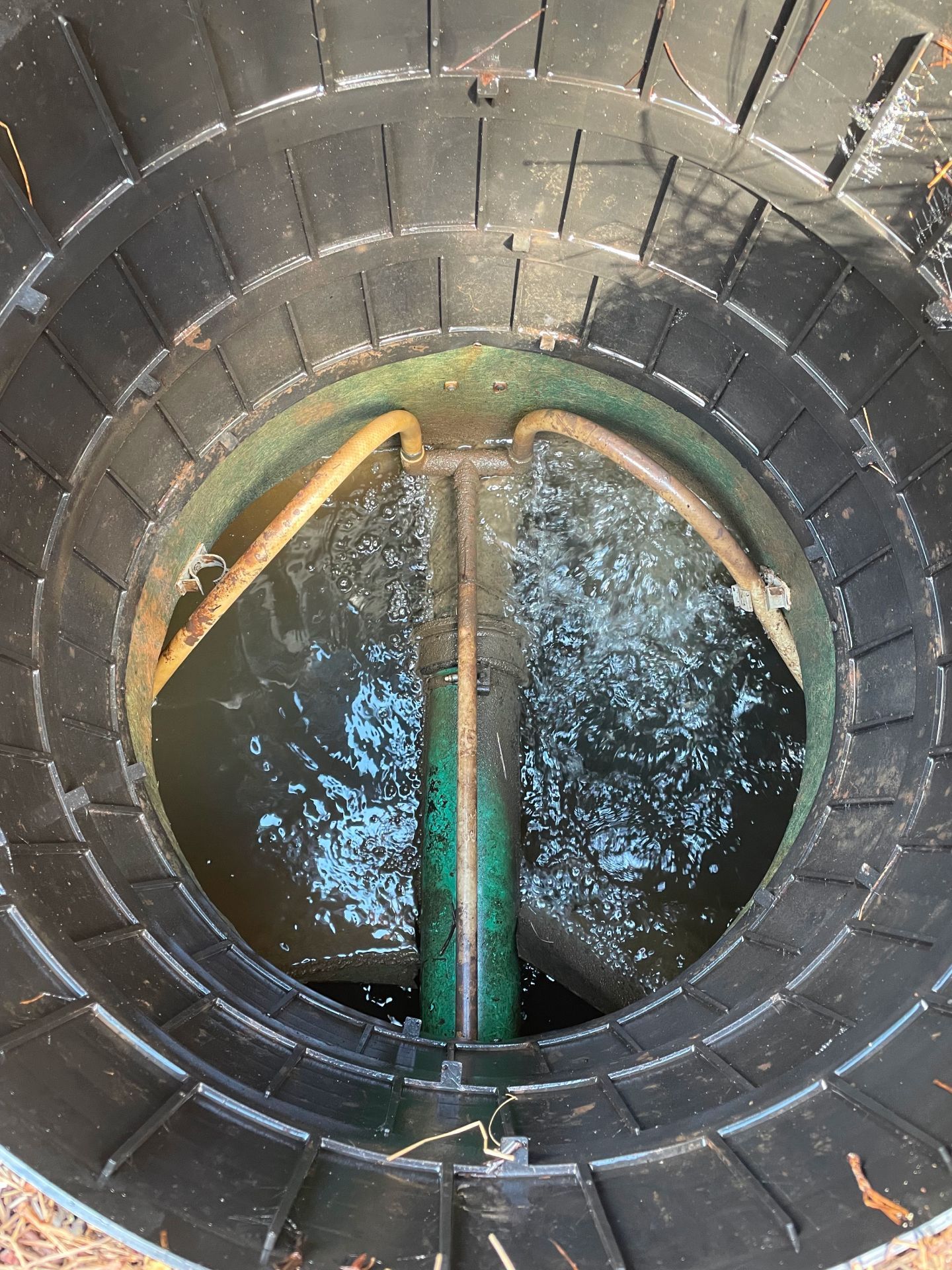
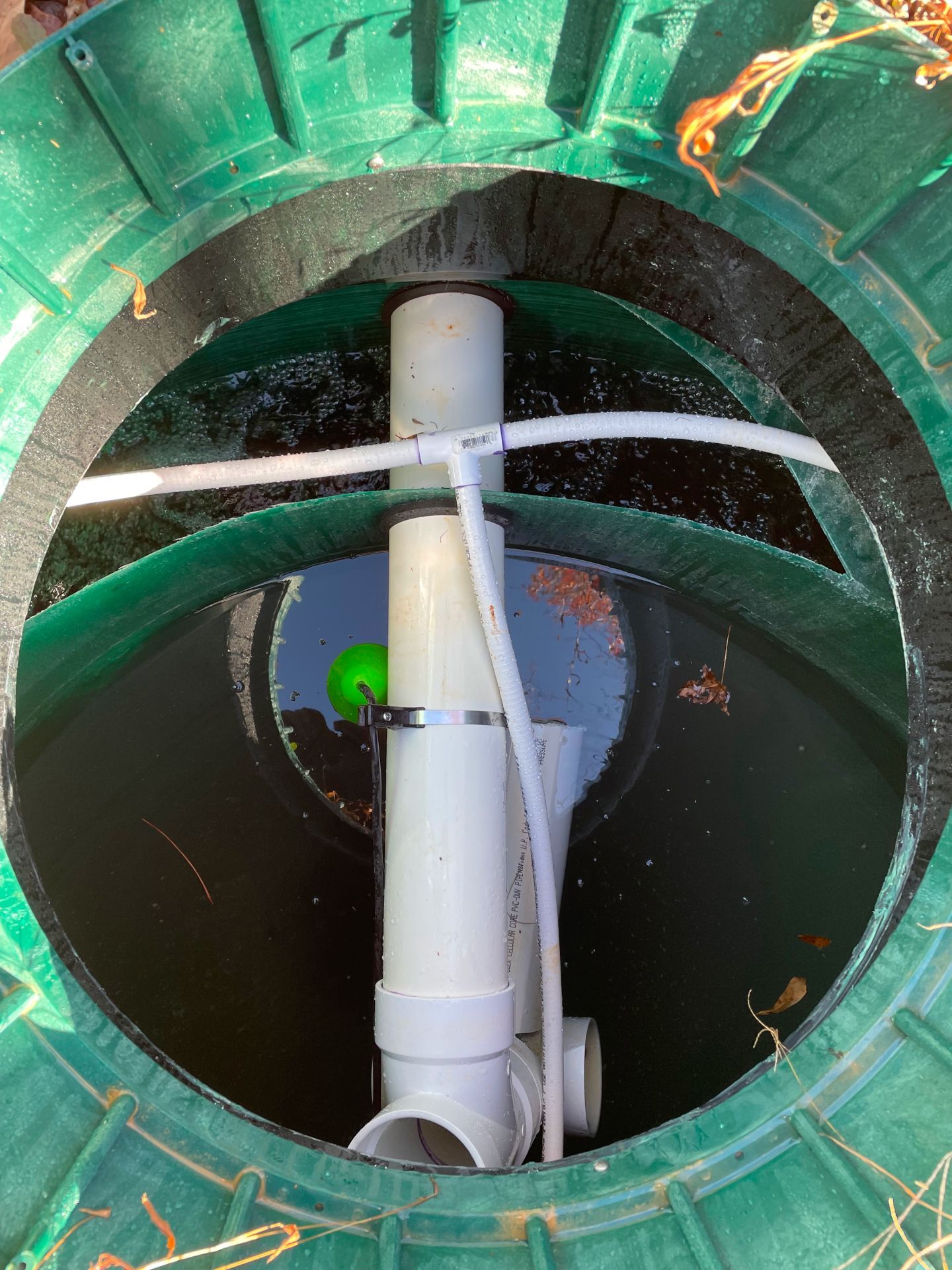
During a routine service visit, a certified technician will evaluate the key components of the system to confirm everything is operating as it should. This typically includes checking the air compressor and pump for proper function, inspecting the aeration and clarification chambers, reviewing the control panel, and confirming that the alarm system is active and responsive.
The goal of each visit is not just to look for obvious problems but to identify early signs of wear or reduced performance before they become noticeable issues. A component that is starting to show wear during a routine visit is a very different situation from one that has already failed.
What to Have Ready as a New Owner
Being prepared for your first service visit makes the process smoother for everyone. If you received documentation when the system was installed, including any manufacturer paperwork or warranty information, have that available. Make sure the technician has clear access to the system, including any lids, access panels, or outdoor equipment. If you have noticed anything unusual since installation, such as sounds, odors, or an alarm, note that ahead of time so you can mention it during the visit.
What New ATU Owners Should Watch for in Year One
Getting Familiar With Your System's Normal Sounds and Behavior
One of the most useful things a new ATU owner can do in the first few months is get familiar with what normal looks and sounds like for their system. The air compressor runs regularly, and it has a fairly consistent sound when it is working as it should. The same goes for the overall behavior of the system. When you know what normal is, anything that changes becomes easier to notice and easier to describe when you call for service.
Alarm Awareness
Most ATUs include an alarm system that alerts owners when something needs attention. If an alarm activates during your first year, do not ignore it or assume it will resolve on its own. Alarms are designed to communicate that something in the system has changed, and addressing them promptly is always the better approach. Note when the alarm went off, whether any lights are active on the control panel, and any other changes you observed around the same time. That information helps a technician diagnose the issue more efficiently.
Household Habits That Support the System
The way a household uses water and manages what goes down the drain directly affects how well an ATU performs. A few habits make a real difference, especially for owners who are new to this type of system.
Spacing out laundry and other water-heavy tasks throughout the week, rather than concentrating them on a single day, reduces the peak load the system has to handle at any one time. Being mindful of what goes into the drains, including grease, food solids, harsh cleaning products, and medications, also protects the bacterial environment the system depends on. These are habits that support the system year-round, but building them early makes the first year go more smoothly.
How We Support New ATU Owners in Georgia
Helping new ATU owners get started on the right foot is a regular part of the work we do at Alternative Septic Management. Our team has the state and manufacturer certifications required to service ATUs and other advanced systems, and we are familiar with the most common questions that arise in that first year of ownership.
Whether you need to set up your required service arrangement, schedule your first visit, or just want to understand what your system needs, we are glad to walk you through it. Our goal is for every ATU owner we work with to feel confident about their system.
New to ATU Ownership? We Are Here to Help.
Text us or give us a call at 404-788-3474, or visit the website to get your service arrangement in place or to
schedule your first visit.