How Commercial Properties in Georgia Can Benefit From Alternative Septic Systems
Choosing a wastewater system is a significant decision for any business owner or commercial property owner. The system has to be appropriate for the site, meet Georgia’s requirements, and continue to work reliably for years. For some properties, an alternative septic system is the right fit; for others, it is an option to consider carefully before committing to a conventional design.
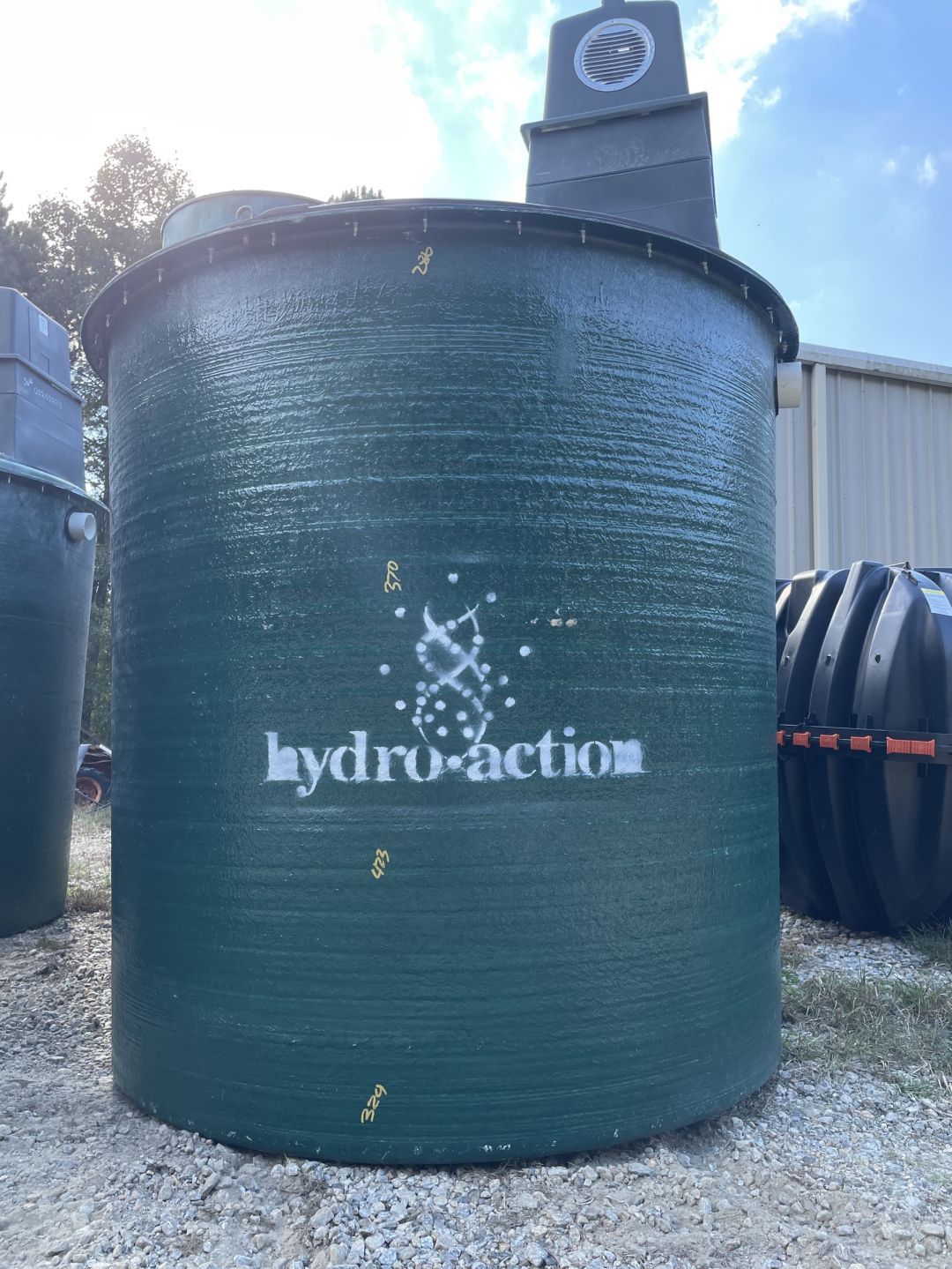
At Alternative Septic Management, we are a family-owned company that has served Georgia since 2009, working with both residential and commercial customers. We are also Georgia's only 100% dedicated Hydro-Action experts. In this overview, we explain where an alternative system can benefit a commercial property and what ongoing care involves. Every site is different and local requirements vary, so we encourage you to treat this as a starting point for your own planning.
What Makes an Alternative Septic System Different
Alternative septic systems treat wastewater differently than conventional septic systems, which rely on a passive process in which anaerobic bacteria work without oxygen, and the surrounding soil does much of the final filtering. The aerobic treatment units (ATUs) we work with take a more active approach, using oxygen and aerobic bacteria to break down waste in several stages.
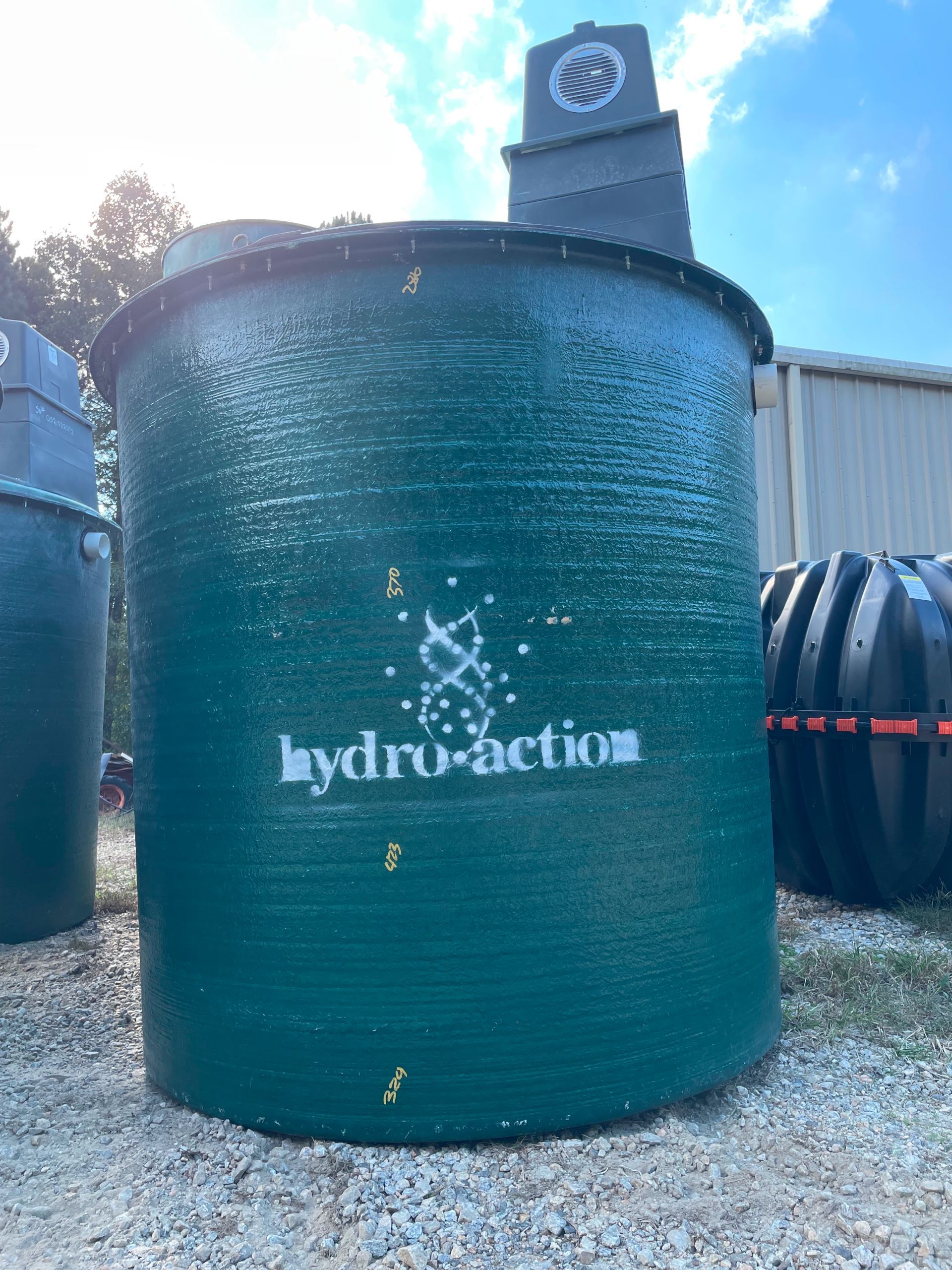
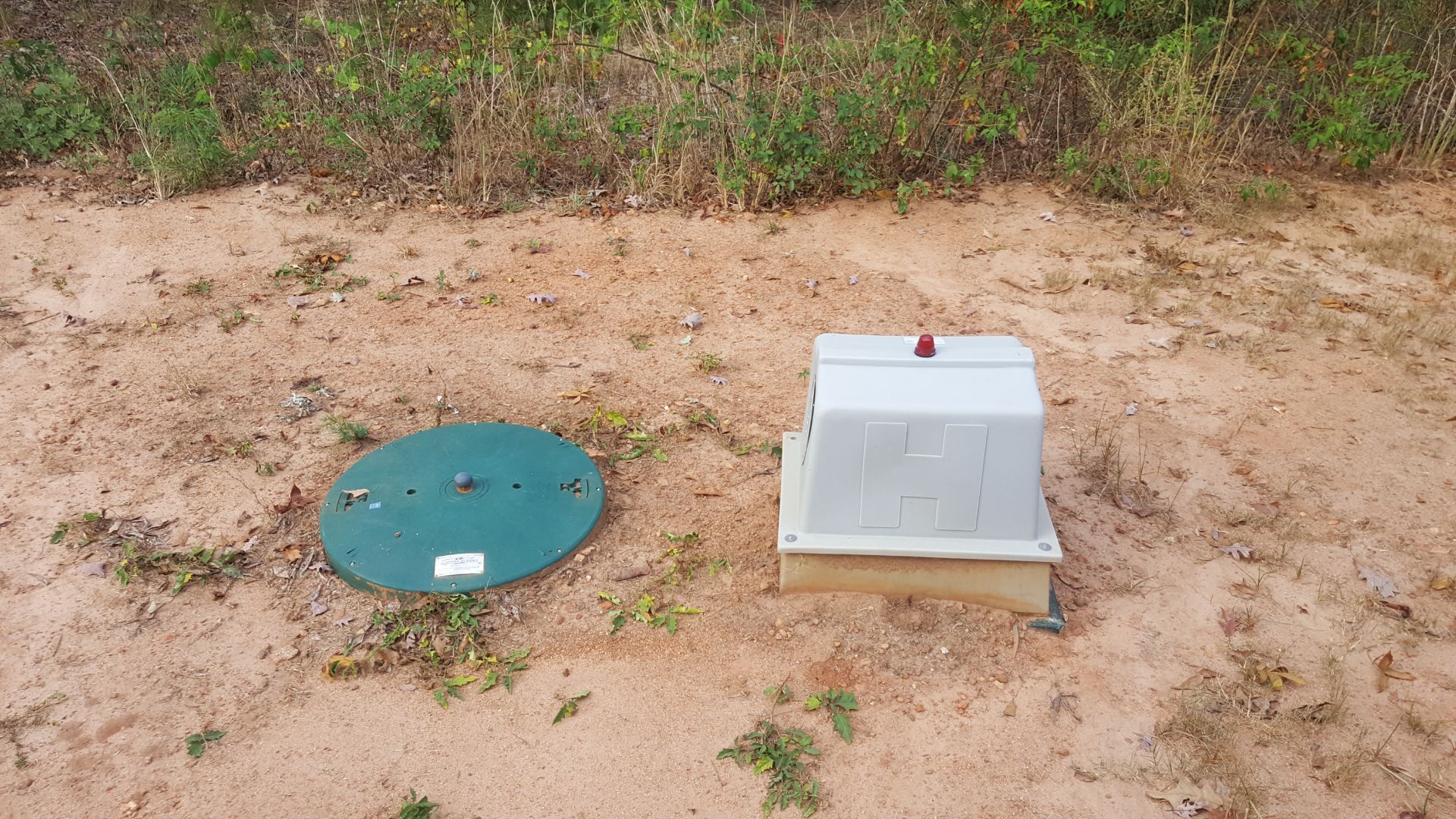
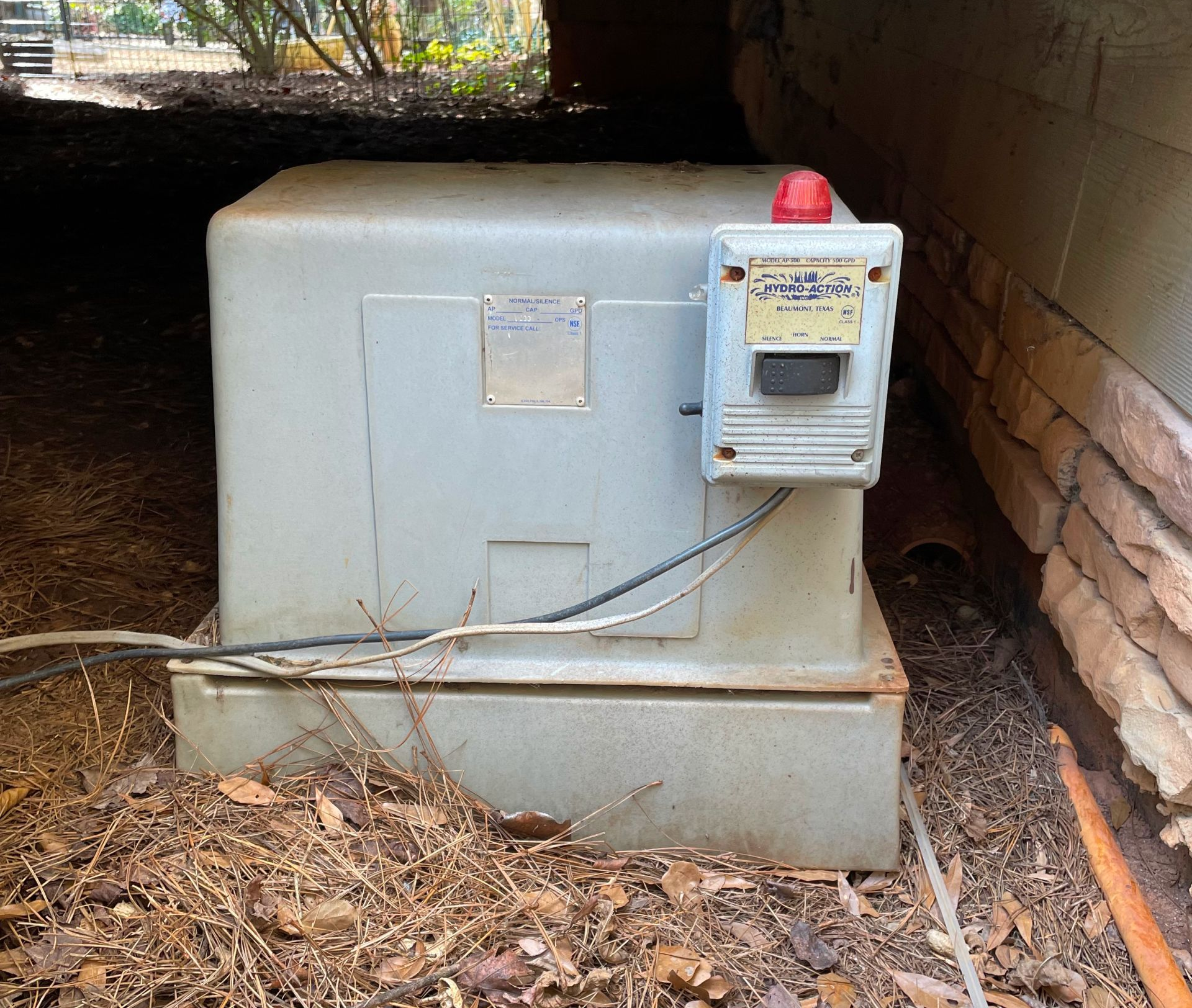
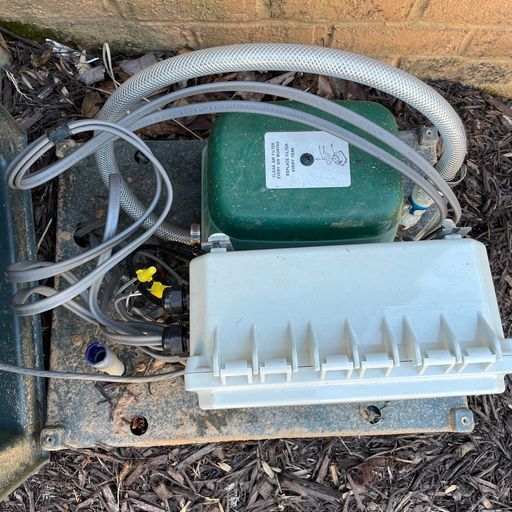
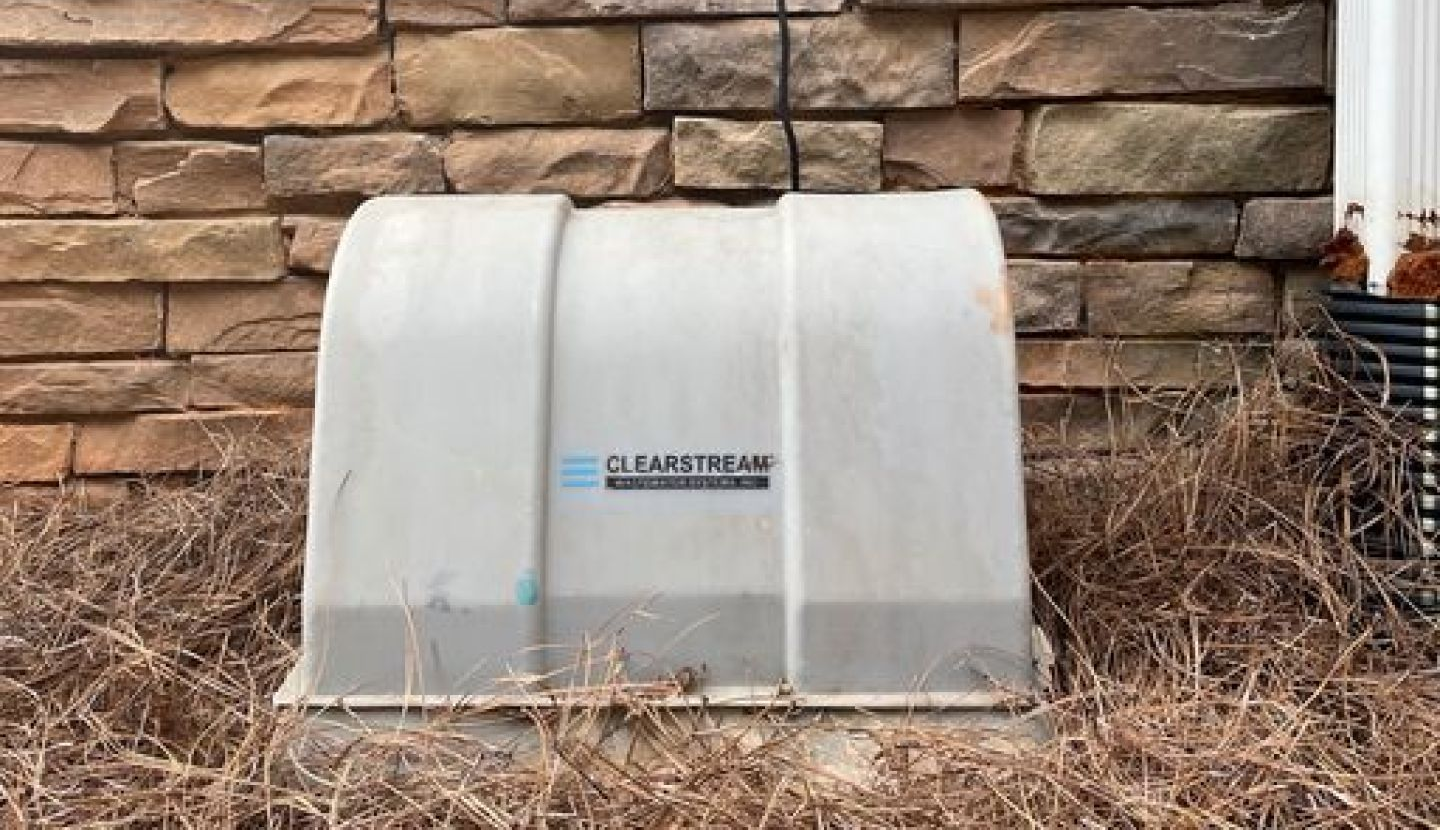
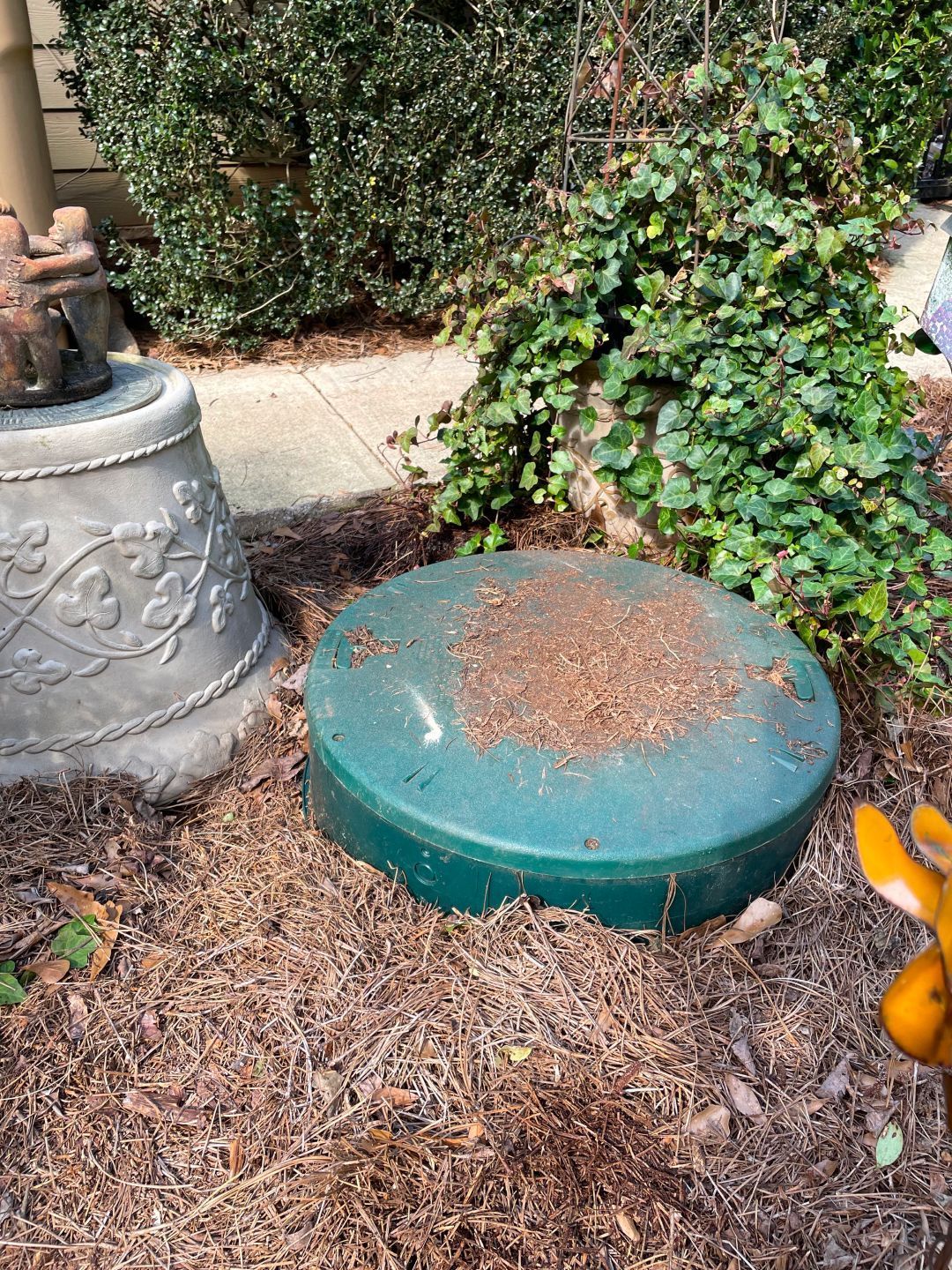
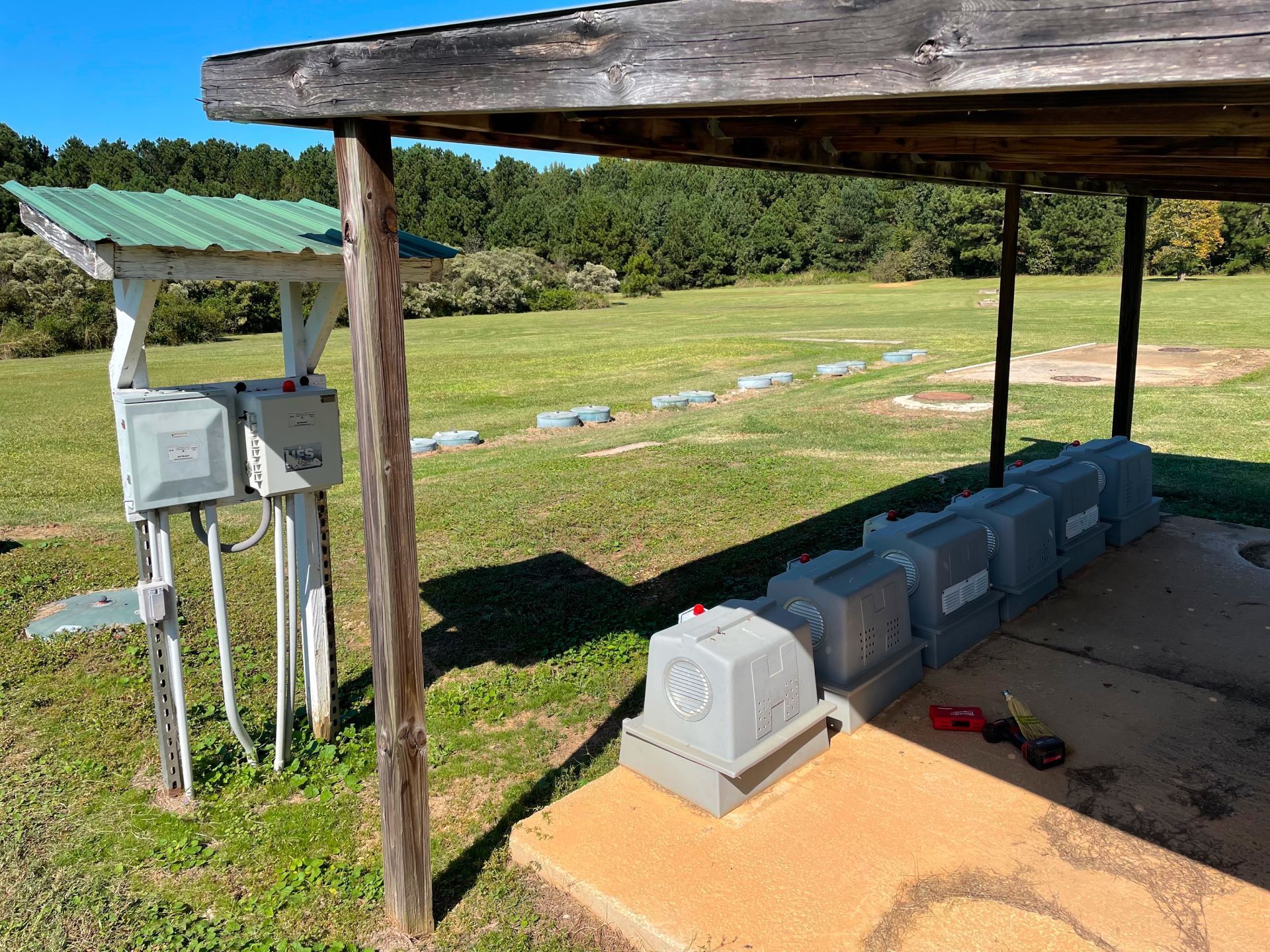
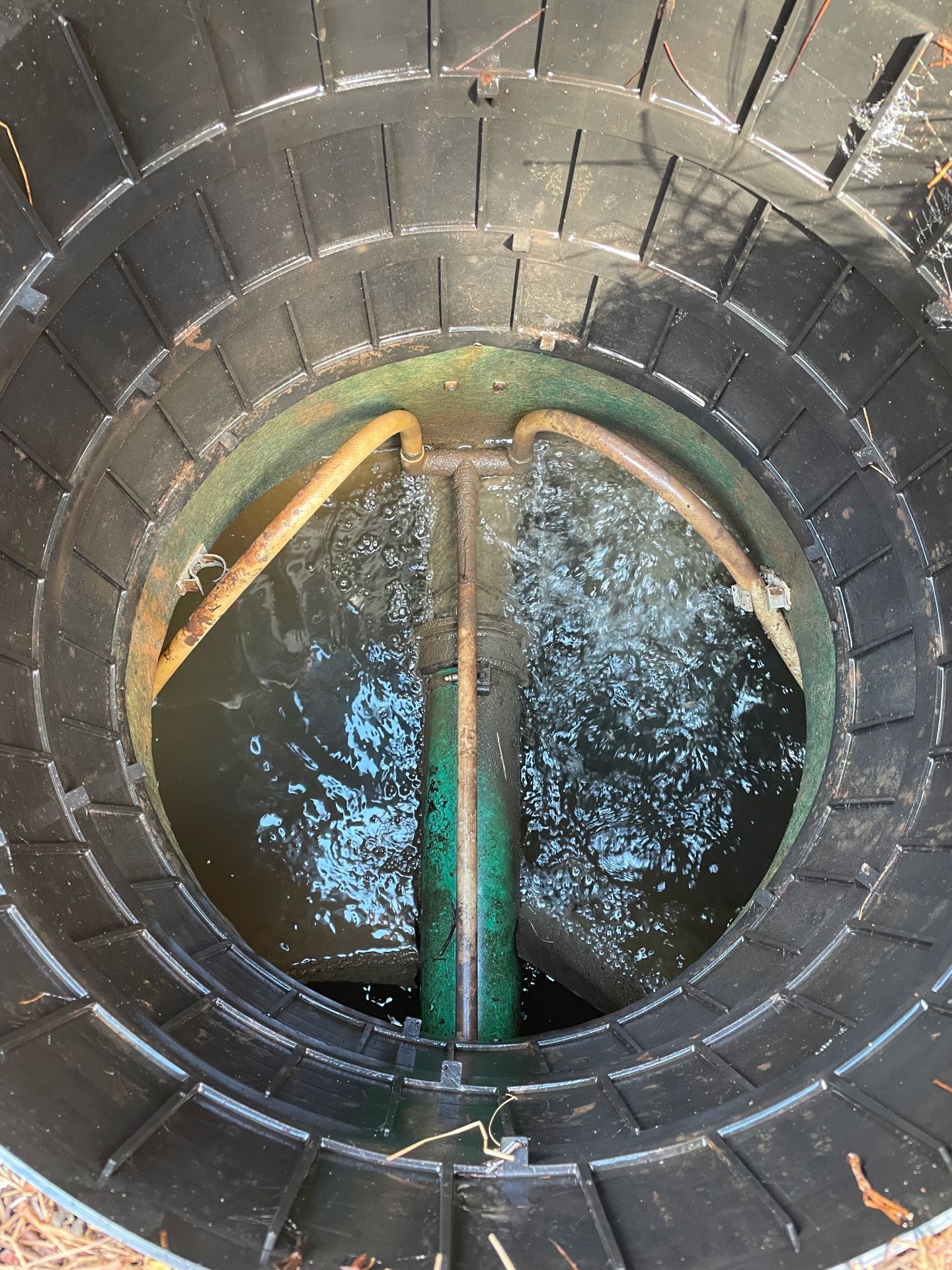
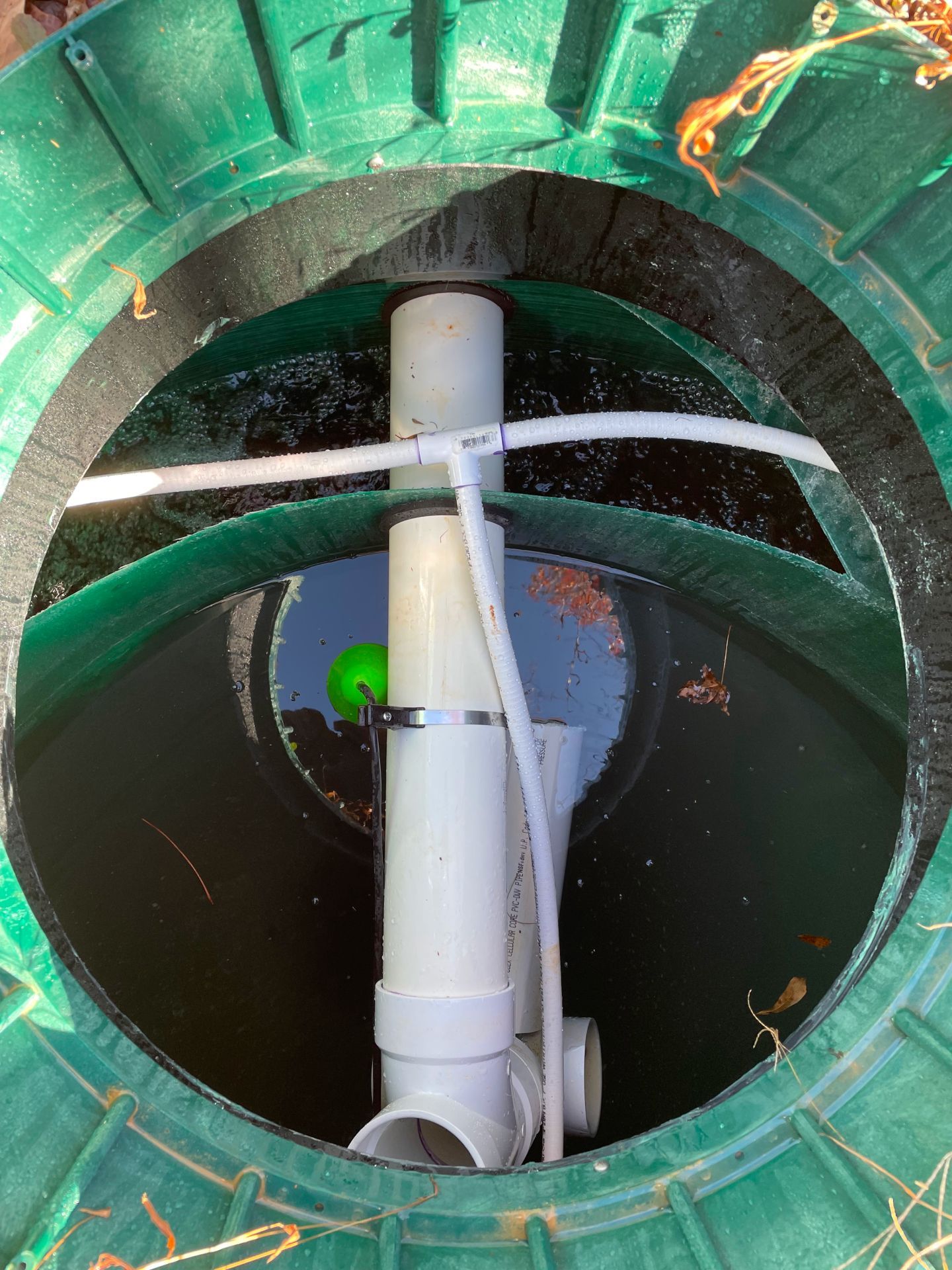
In a Hydro-Action system, wastewater first enters a pretreatment tank, where solids collect and begin to break down. It then moves into an aeration chamber, where an air compressor and pump supply oxygen to speed up and strengthen treatment. A clarification chamber removes remaining solids, and the final stage may include a UV unit or another form of disinfection. Because the treatment is active rather than passive, these systems include mechanical components such as the air compressor, pump, diffusers, and filters, each of which plays a specific role in keeping the process on track. In addition to Hydro-Action, we work with systems from Clearstream and Delta Whitewater.
Benefits Commercial Property Owners Can Weigh
Three potential benefits stand out for commercial property owners who are comparing system options.
A Workable Option When Site Conditions Are Limited
A conventional system needs adequate soil depth, a suitable soil type, and enough space for a drain field. Heavy clay soils, a high groundwater table, a small lot, or a location near wetlands or other water sources can make it difficult. Commercial properties face the same site conditions as any other property, and a site that cannot support a conventional system still needs a dependable way to treat wastewater.
In those situations, an alternative system can offer a path forward. Hydro-Action systems can operate on properties where conventional systems cannot, making them a practical solution for sites with few on-site options. Whether a particular system suits a given location depends on the site and on local requirements, so it helps to raise the question early in planning.
Cleaner Effluent and Less Environmental Impact
Aerobic treatment produces higher-quality effluent than a conventional system, which means the treated water reaching the soil is cleaner. Hydro-Action systems also reduce a septic system's impact on the surrounding environment and the water table.
For a property near a water source or on sensitive soils, that difference is a significant advantage. Because the process involves several treatment stages, each stage contributes to the quality of the water that ultimately reaches the soil. For business owners who want to manage wastewater responsibly, that layered approach is a practical reason to consider an alternative system.
Potential Savings Over Time
An alternative system can look like a larger investment at first, and it is fair to say so. The initial cost is only part of the picture, though. Hydro-Action systems can save a property owner money on repairs, maintenance, chemicals, and more over time. Repairing or replacing major components is generally more expensive than keeping up with scheduled service, so routine care helps protect the investment.
We also believe cost should be clear before anyone commits. Property owners can call us or use our online form to receive an accurate, reasonable quote for any septic service. We work with clients to find options that fit their budget, including payment arrangements as necessary. We aim to do this without hidden fees or unnecessary extra costs.
Keeping a Commercial System Running Reliably
An aerobic system relies on mechanical components, so it needs regular attention to keep performing as designed.
Georgia's Service Requirements for ATUs
Georgia requires that properties with an ATU have a service and maintenance arrangement in place for the first three years after installation. During that period, the system and all of its components must be checked at least once every six months to confirm they are operating properly. The schedule begins in the first year of ATU ownership, so it helps to plan for service from the start.
A routine service visit typically covers the air compressor, pump, clarification chamber, any disinfection stage, and the system's overall condition. After the first three years, service can continue on an as-needed basis, or the property owner can choose an annual service contract. ATU manufacturers and state and county environmental health regulators recommend an annual contract, since regular care helps limit long-term repair costs. Without regular service, filters and diffusers can collect debris over time, which restricts airflow into the treatment chamber. Less oxygen means less aerobic bacterial activity, so waste is not broken down as effectively. A system left unattended will eventually fail, which is exactly what regular service is meant to prevent.
Choosing a Trained, Certified Provider
Because these systems differ from standard septic tanks, they require a provider with the right training. We have completed the advanced training required by the State of Georgia and the manufacturer to obtain the licensing and certification needed to work on ATUs and other advanced systems. Only a small percentage of companies licensed to install septic systems have completed that additional training.
A certified technician understands how the components of a system work together, so a change in one stage can be traced to its actual source. Our services for residential and commercial properties include septic system installation, repair, and inspection, as well as air compressor and pump maintenance. We also offer annual service and maintenance contracts, emergency or as-needed service assistance, and professional recommendations to help optimize system performance.
Questions to Ask Before You Move Forward
Whether you are planning a new system or reviewing one already in place on your property, a few questions can help guide your decision.
- What do the property's soil, space, and water conditions allow?
- Which type of system fits the site and local requirements?
- Who will handle service during the first three years, and afterward?
- What would an annual service contract include?
- Can we get a quote before committing?
Next Steps for Your Commercial Property
Asking these questions early gives you a clearer picture of the site, the system options, and the service plan before any commitment is made. We are glad to talk through them with you and to outline options that fit your property and your budget. Based in Monroe, GA, we work with residential and commercial property owners throughout Georgia, including the greater Metro Atlanta area. Call us at 404-788-3474 or
visit the website to get started.