Winter ATU Checklist for Georgia Homeowners
Georgia winters may not bring prolonged freezes, but cooler temperatures, heavier rain, and changes in household routines can still put extra demand on an aerobic treatment unit (ATU). A short checklist before the season settles in can help you catch small concerns early, while they are still easy to address.
At Alternative Septic Management, we provide septic inspections, repairs, and ongoing service for ATU owners across Georgia. This checklist brings together the steps we recommend for the winter months, from scheduling service to monitoring the drain field. Every system and property is different, so please treat it as a general guide.
What Winter Changes for Your ATU
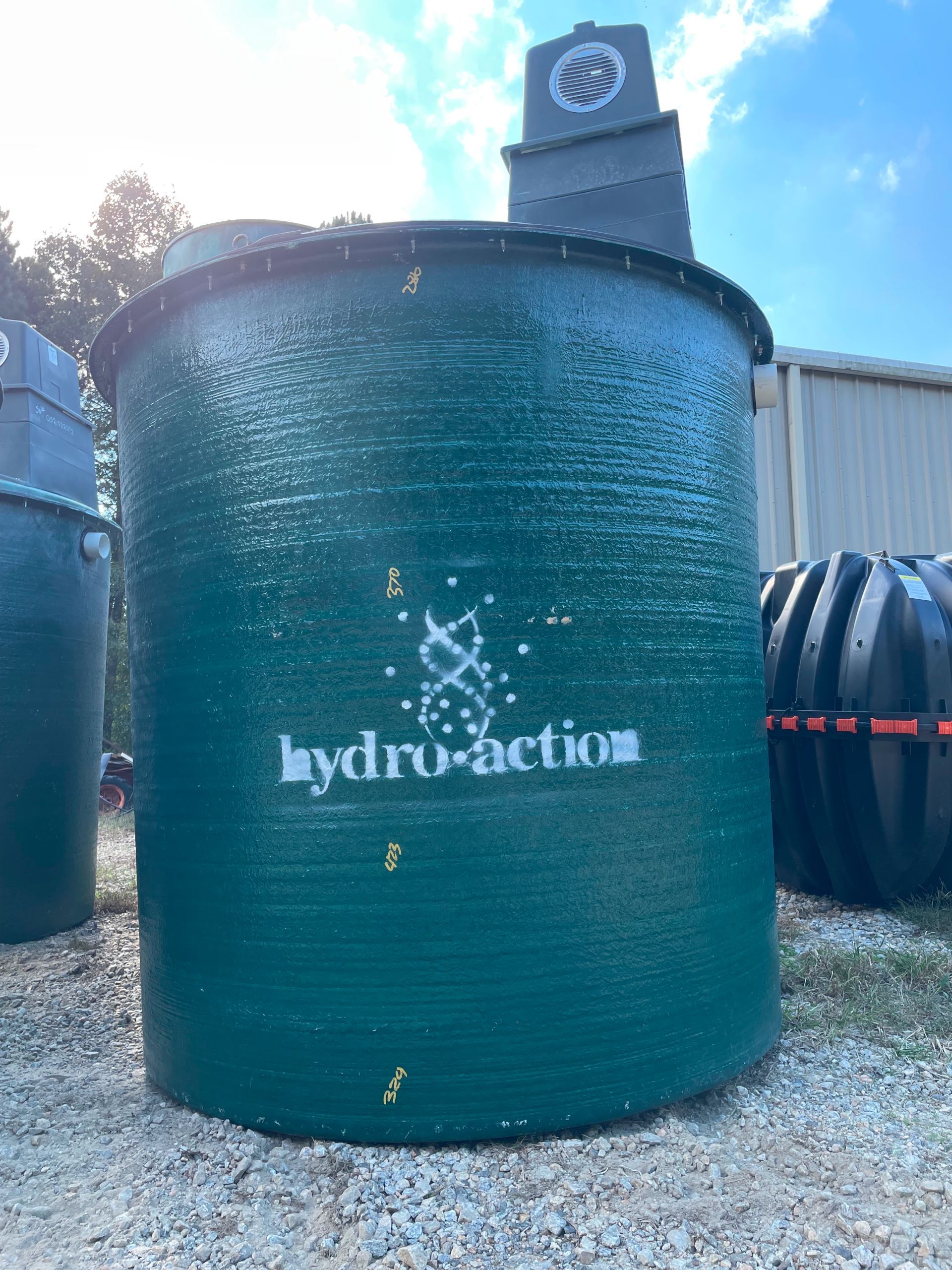
It helps to start with how winter conditions affect an ATU. An ATU relies on aerobic bacteria to break down waste, and those bacteria are sensitive to their surroundings. Cold nights slow their activity, though winter temperatures in Georgia rarely halt treatment altogether. The bacteria stay active; they simply work more slowly, and recovery after a disruption can take longer. Because small disruptions can have a greater impact at lower temperatures, consistent operation becomes especially important during the winter months.
Winter also brings several other changes at once. Steady rain can saturate the soil, short power outages can interrupt aeration and pumping, and more time spent indoors increases water use. Each of these is manageable on its own, but when they overlap, a minor issue can turn into a larger one. The checklist below, written for homeowners across Georgia and the greater Metro Atlanta area, covers each of these changes.
Your Winter Checklist
Work through these five steps early in the season. Most are simple visual checks or scheduling decisions, and anything involving electrical components is best left to a technician.
Schedule a Service Visit or Winter Evaluation
Georgia requires that properties with an ATU have a service and maintenance arrangement in place for the first three years after installation, with the system checked at least once every six months. After that period, service can continue as needed, or the property owner can choose an annual service contract. ATU manufacturers and state and county regulators recommend an annual contract.
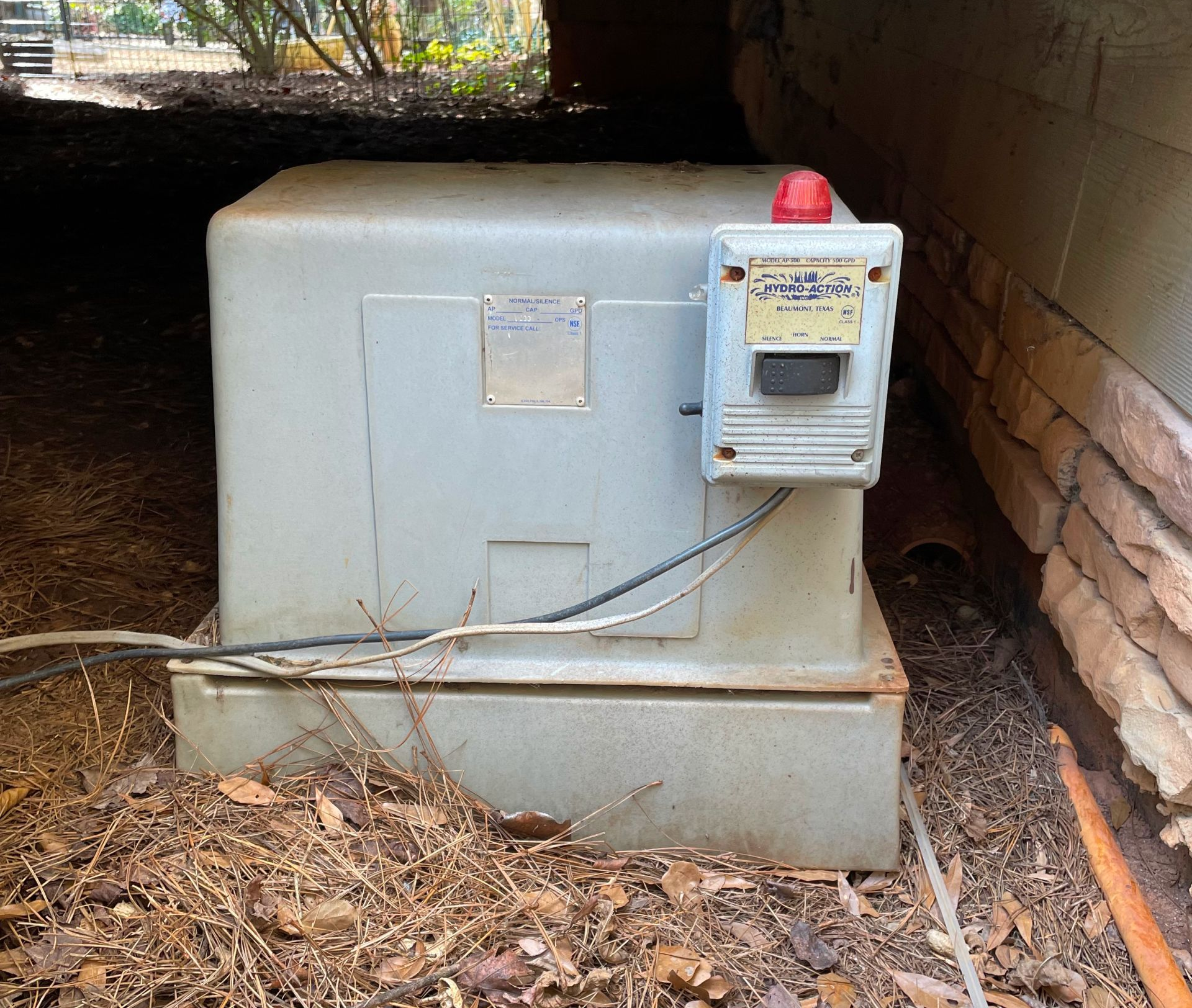
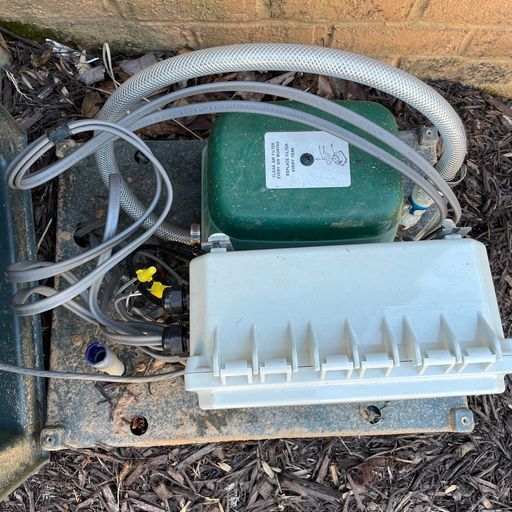
A routine service visit typically covers the air compressor, pump, clarification chamber, control panel, and alarm. A winter evaluation looks at whether the system is processing wastewater as expected and how it behaves under winter conditions. It is preventive, not an emergency response, which makes it a good fit if it has been more than a year since your last inspection. Scheduling service before problems develop gives a technician the chance to address concerns early.
Check Power Connections, Controls, and Alarms
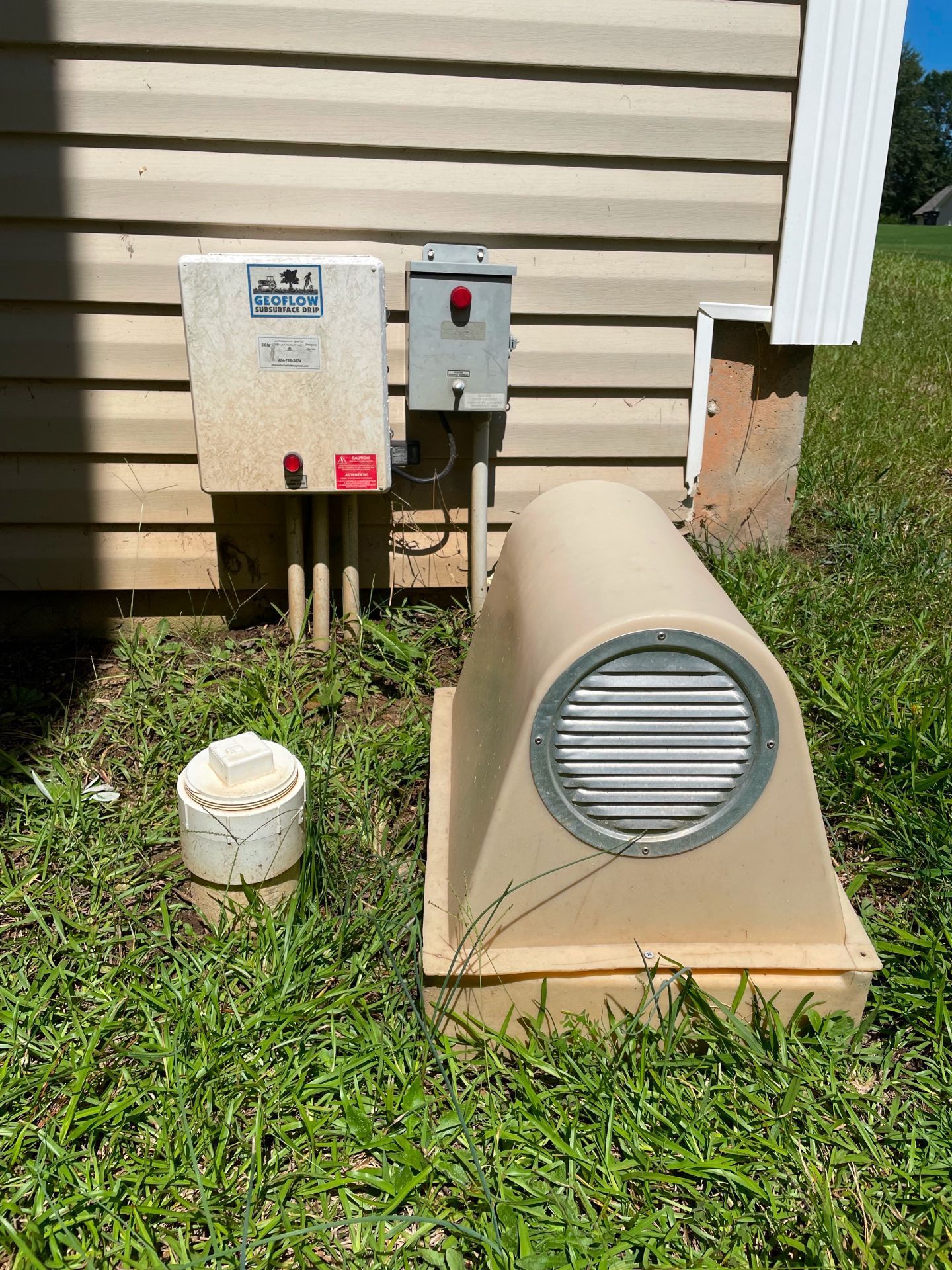
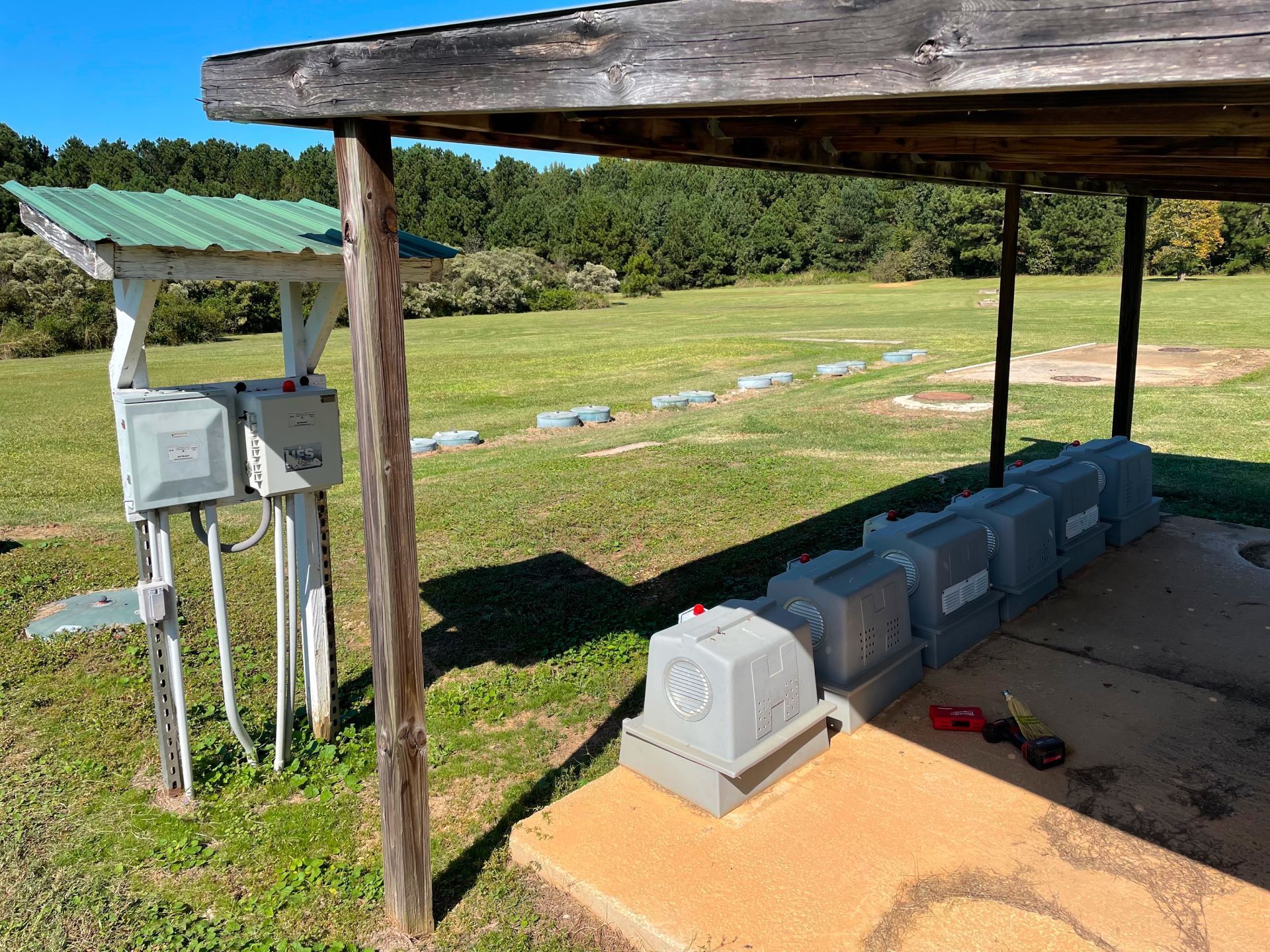
Start with the control panel. Indicator lights typically show green during normal operation, while red or yellow lights may signal a problem. Confirm that power connections look safe, secure, and free of moisture, and that the alarm is operational.
Winter storms can cause brief power outages, and when they do, aeration and pumping stop. If components do not restart properly when power returns, solids can begin to accumulate, and alarms may activate, so it helps to monitor the system's behavior afterward. Recovery can also take longer in winter because biological activity is slower. Electrical irregularities following an outage, a continuous alarm, or an unknown cause are best left to a technician.
Protect Exposed Components and Keep Vents Clear
Even without prolonged freezes, protecting exposed parts is a simple precaution. Insulating exposed piping and access covers can help reduce the chance of freezing, and covering shallow lines or risers with soil or mulch can protect against sudden temperature drops.
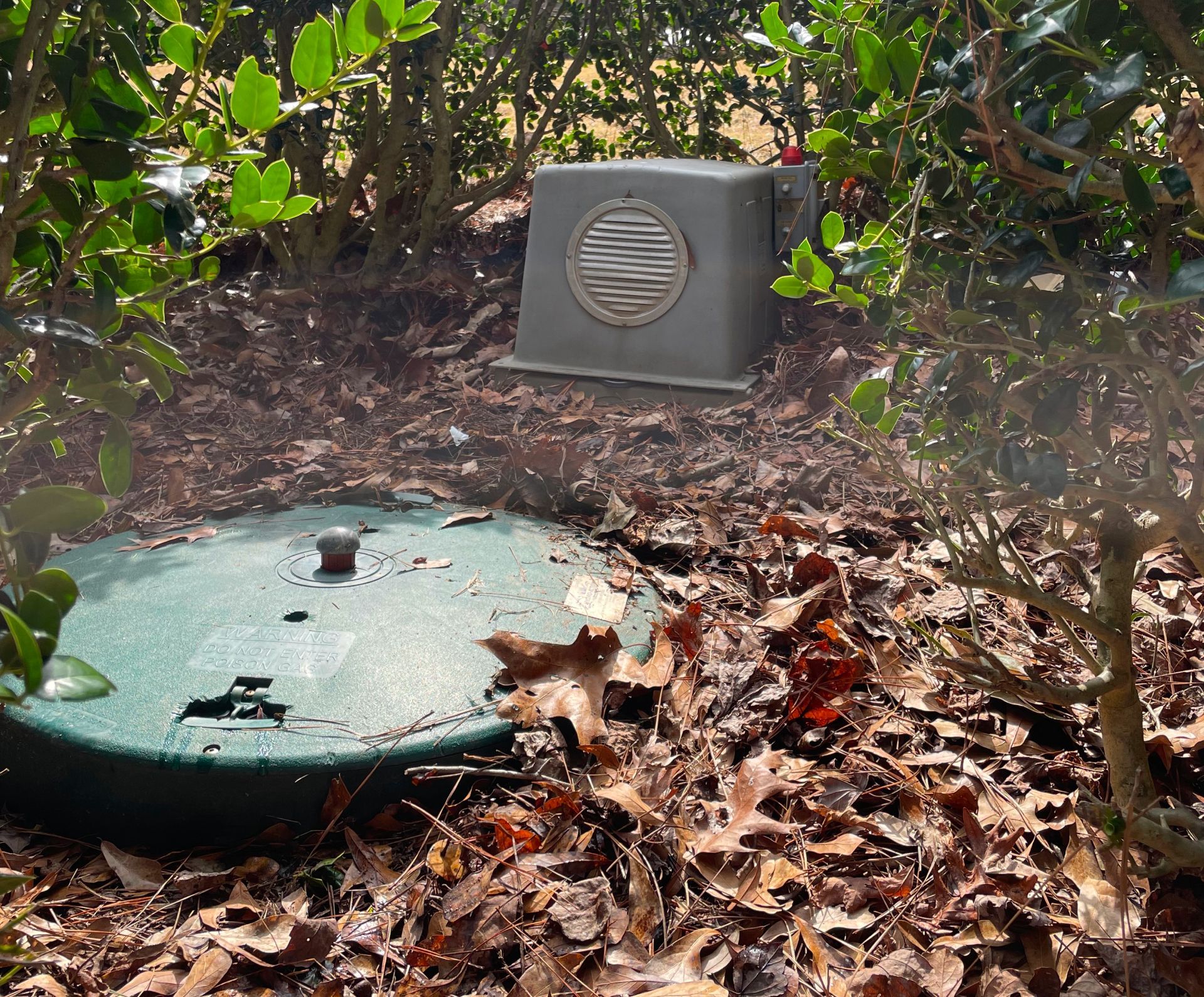
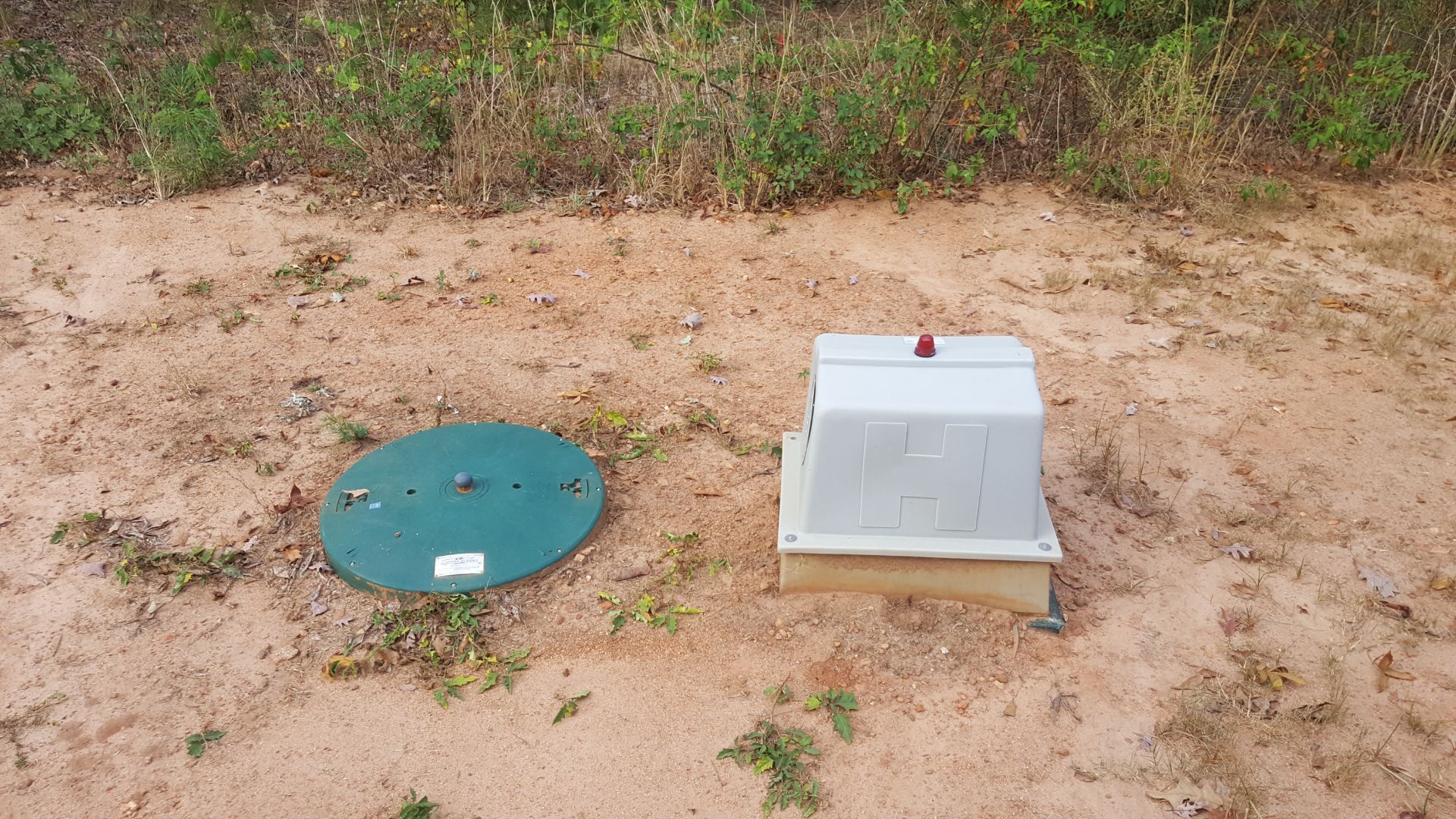
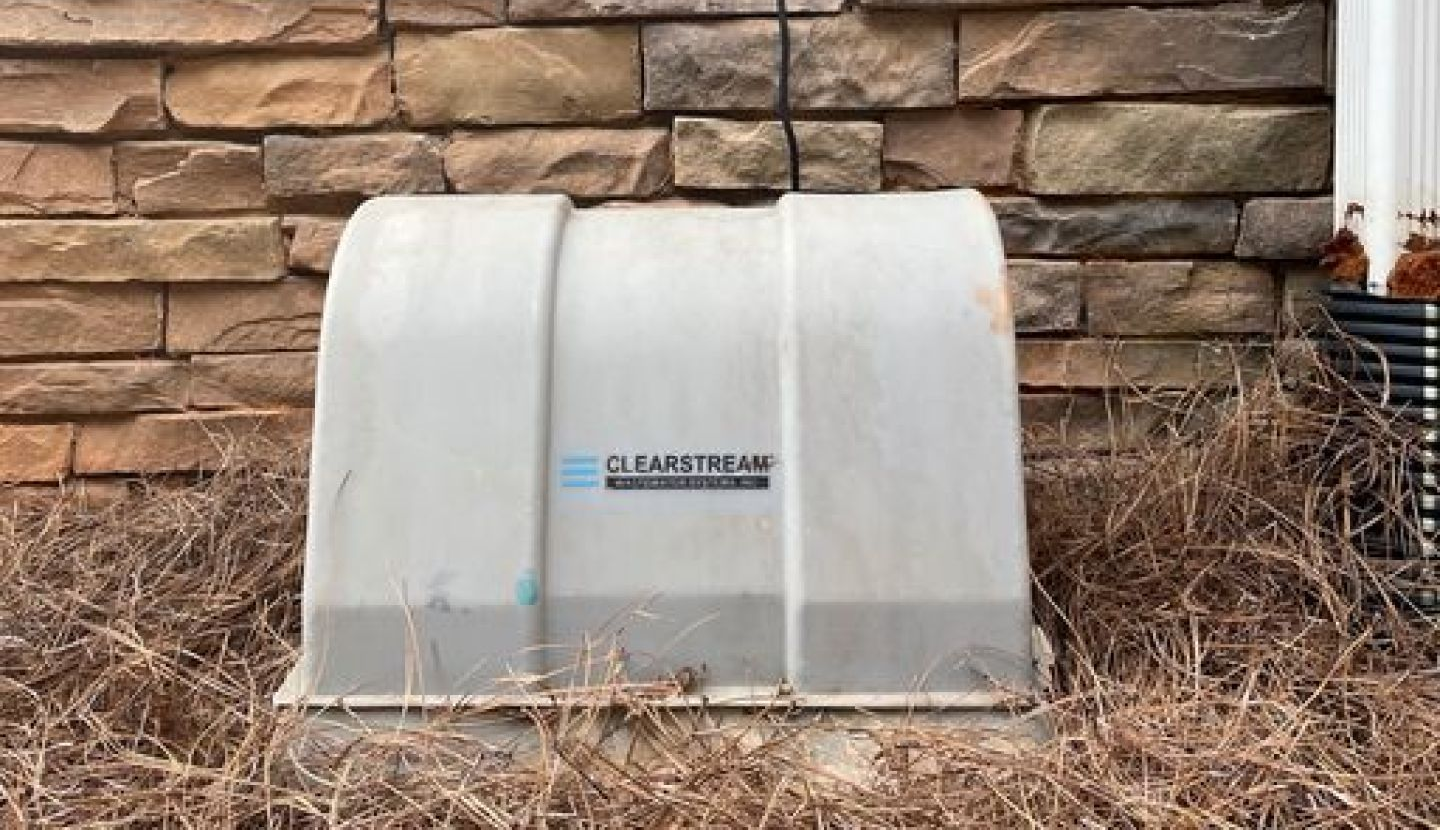
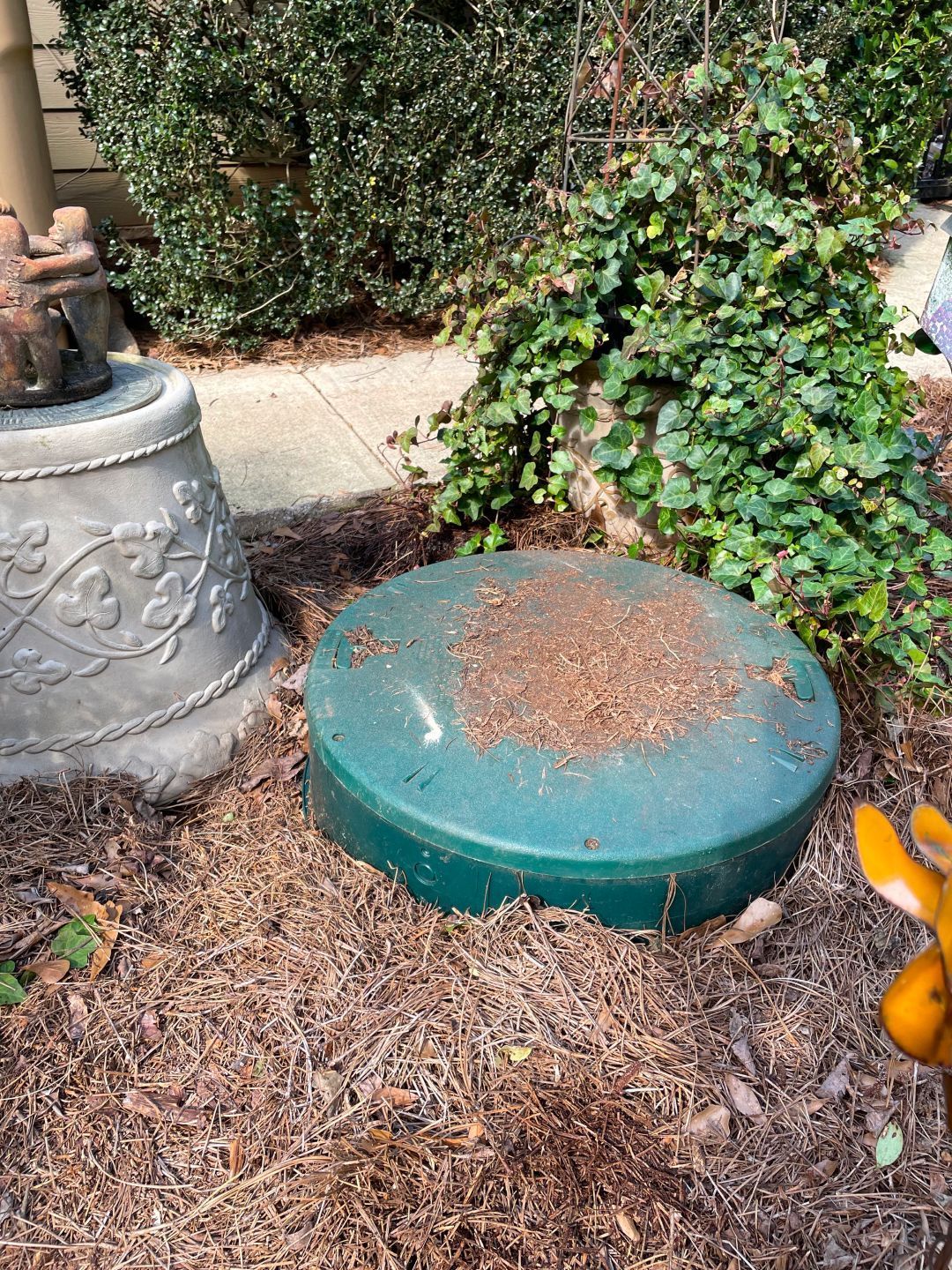
Keep leaves and other debris away from lids, vents, and access points, and avoid covering or sealing any vents that supply oxygen to the bacteria inside the tank. Clear access also makes it easier for a technician to reach the system if service is needed.
Plan Water Use Around Winter Routines
In winter, many households spend more time at home, so showers, laundry, and dishwashing often happen close together. That kind of winter water use can send a large amount of water into the system at once, and sudden spikes in flow can dilute the bacteria and reduce treatment efficiency.
Spreading these tasks across the day and the week gives the system more time to process wastewater and recover between uses. Running several laundry loads back-to-back is the pattern to avoid; alternating laundry with other water-using tasks gives the system time to work through each load.
Look Over the Drain Field After Wet Weather
After a stretch of steady rain, take a look at the ground over and around the drain field. Saturated soil absorbs less, which slows the movement of treated water, and the effects may not appear as an immediate backup or alarm. Clay and dense soils, which are common in Georgia, drain slowly and hold moisture, so drain fields on those soils can be more sensitive to seasonal rain.
Signs to look for include ground that stays soft or damp well after the rain stops, standing water, and unusually green or fast-growing grass over the drain field. Because these changes develop slowly, noting them early gives a technician a clearer picture of what has changed. Spending less time outdoors in winter can also make changes less noticeable, so problems often surface later than they otherwise would.
Signs Your ATU May Need Attention This Winter
Slow drains are among the most common signs that an ATU may need winter maintenance. Others include gurgling sounds in the pipes, indoor or outdoor odors that come and go, an active alarm, or changes around the drain field. Persistent gurgling is often a sign that the system is under stress, and a professional evaluation is recommended. Outdoor odors during winter should always be investigated, even without a visible backup. High-water-level alarms can result from restricted drainage or heavy rain, and ignoring one can lead to overflows or equipment damage.
These observations do not necessarily indicate a system failure. Winter conditions can cause slower drainage or longer recovery on their own, so a brief change is not always a sign of a problem. Persistent or recurring changes, however, are a signal to schedule service.
Next Steps for Winter
Here is a brief recap of the steps to complete before winter sets in:
- Schedule a service visit or winter evaluation.
- Check power connections, controls, and alarms.
- Protect exposed components and keep vents and access points clear.
- Space out laundry, showers, and dishwashing.
- Look over the drain field after wet weather.
If a visit is due or if something about your system seems different, we are glad to help. Based in Monroe, GA, we work with property owners throughout Georgia, including the greater Metro Atlanta area, and our team has completed the state and manufacturer training required to service ATUs. Call or text us at 404-788-3474, or
visit the website to get started.