Everyday Products That Can Harm the Bacteria in Your ATU
At Alternative Septic Management, one of the things we regularly discuss with homeowners is the role bacteria play in keeping an aerobic treatment unit running as it should. The bacteria in your ATU are not a minor detail. They are central to how the system treats waste, and many of the products homeowners use every day can quietly disrupt that bacterial population without anyone realizing it. Understanding which products to watch out for is a practical step that supports long-term system health.
Why the Bacteria in Your ATU Are So Important
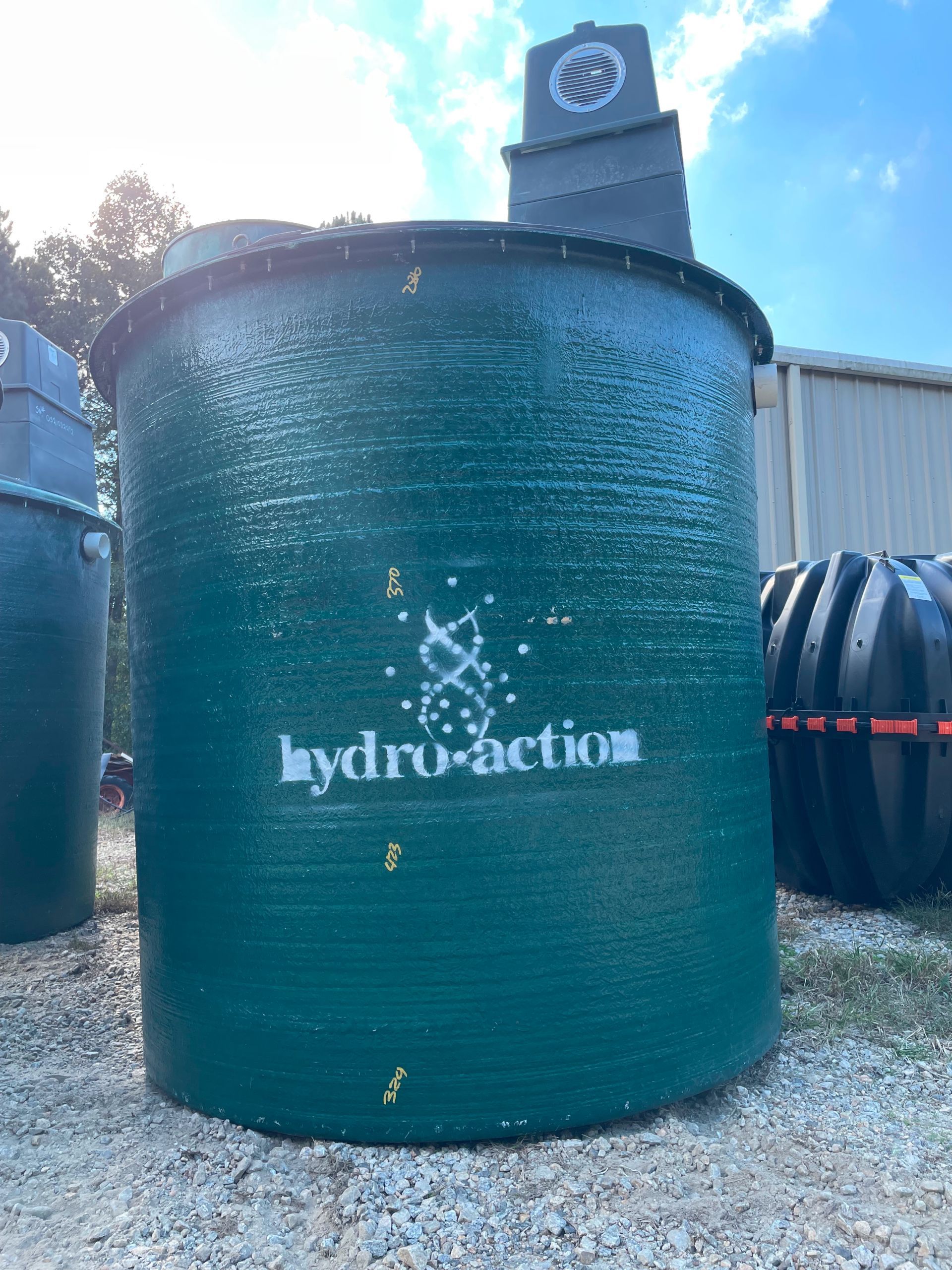
An aerobic treatment unit works by using oxygen to support a population of aerobic bacteria that break down the organic material in wastewater. Without those bacteria functioning at a healthy level, the treatment process loses efficiency. When effluent quality drops, the system has to work harder, and over time, the effects can show up as odor, alarms, or reduced performance across the entire system.
This is why what goes down your drains matters just as much as how well your compressor or pump is running. The bacterial environment inside your ATU requires consistent protection as part of routine care, and understanding which products pose the greatest risk is the first step toward ensuring that.
Cleaning Products to Be Careful With
Bleach and Disinfecting Cleaners
Bleach and disinfecting cleaners are among the most common products that can affect ATU bacteria. These products are designed to kill microorganisms, and they do their job well. The problem is that they do not distinguish between harmful bacteria and the aerobic bacteria your ATU depends on. Regular use of bleach-based cleaners, particularly in larger quantities or on a frequent schedule, can reduce the bacterial population in your system over time.
Drain Cleaners
Chemical drain cleaners work by using caustic or acidic ingredients to dissolve clogs, and those same properties can damage the bacterial environment in your ATU. When a drain cleaner moves through the pipes and into the system, it carries those harsh ingredients with it. Occasional use may not cause significant disruption, but repeated use can contribute to a bacterial imbalance that affects how well your system treats waste.
Antibacterial Soaps and Hand Washes
Antibacterial soaps are easy to overlook because they seem mild compared to something like bleach, but the active ingredients in these products are specifically formulated to reduce bacteria. Used once in a while, the impact on an ATU is minimal. Used daily by multiple people in a household, the cumulative effect on the system's bacterial population can add up over time.
Laundry and Dishwasher Products
Harsh Laundry Detergents and Fabric Softeners
Some laundry detergents contain phosphates and other chemical compounds that can be hard on ATU bacteria. Fabric softeners can present a similar issue. The concern is not just the product's formula but also its volume. Running multiple large loads of laundry in a single day pushes a concentrated amount of detergent and softener through the system in a short period, which can be more disruptive than spreading those loads throughout the week.
Dishwasher Detergents and Rinse Aids
Strong dishwasher detergents, particularly those with sanitizing agents or high concentrations of surfactants, can have a similar effect on the bacterial balance in your ATU as harsh laundry products. Rinse aids, which are designed to reduce water surface tension and prevent spotting on dishes, also contain chemical compounds that pass through the drain water and eventually reach the system. As with laundry products, the concern is less about any single use and more about the cumulative effect of daily use over time.
Personal Care and Bathroom Products
Medications and Antibiotics
Medications that are flushed or rinsed down the drain can pass through the system in ways that affect the bacterial population. Antibiotics are particularly disruptive because they are designed to reduce bacterial activity. Flushing unused medications sends a concentrated dose of those compounds directly into the system, which is why disposing of them through a local take-back program or a pharmacy disposal option is a better practice than putting them down the drain.
Personal Care Products
Certain shampoos, conditioners, and body washes contain preservatives or antimicrobial ingredients that can reach the system in greater quantities over time. No single shower is likely to cause a noticeable problem. Still, products used daily by multiple household members can contribute to a gradual decline in bacterial health, particularly if the system is also regularly exposed to other disruptive products.
What Homeowners Can Do
Look for Septic-Safe Labels
Many cleaning and personal care products are now labeled as septic-safe, which generally means they have been formulated to be less disruptive to the bacterial environment in a septic or ATU system. Choosing these products, where possible, is one of the more practical steps homeowners can take without significantly changing their household routine.
Moderate Use Rather Than Elimination
The goal is not to remove every cleaning product from the home. Most ATU systems can handle reasonable exposure to these products without major disruption. The key is being mindful of quantities and frequency, particularly for products most likely to cause problems. A household that uses bleach occasionally is in a different position than one that uses it heavily several times a week.
Spread Out High-Impact Tasks
Spacing out laundry, heavy cleaning days, and other tasks that involve larger amounts of cleaning products reduces the concentration of those substances entering the system at any one time. When the system receives a smaller, more consistent flow of these products rather than a large volume all at once, the bacterial population has a better chance of maintaining its balance.
Signs It May Be Time to Have Your System Checked
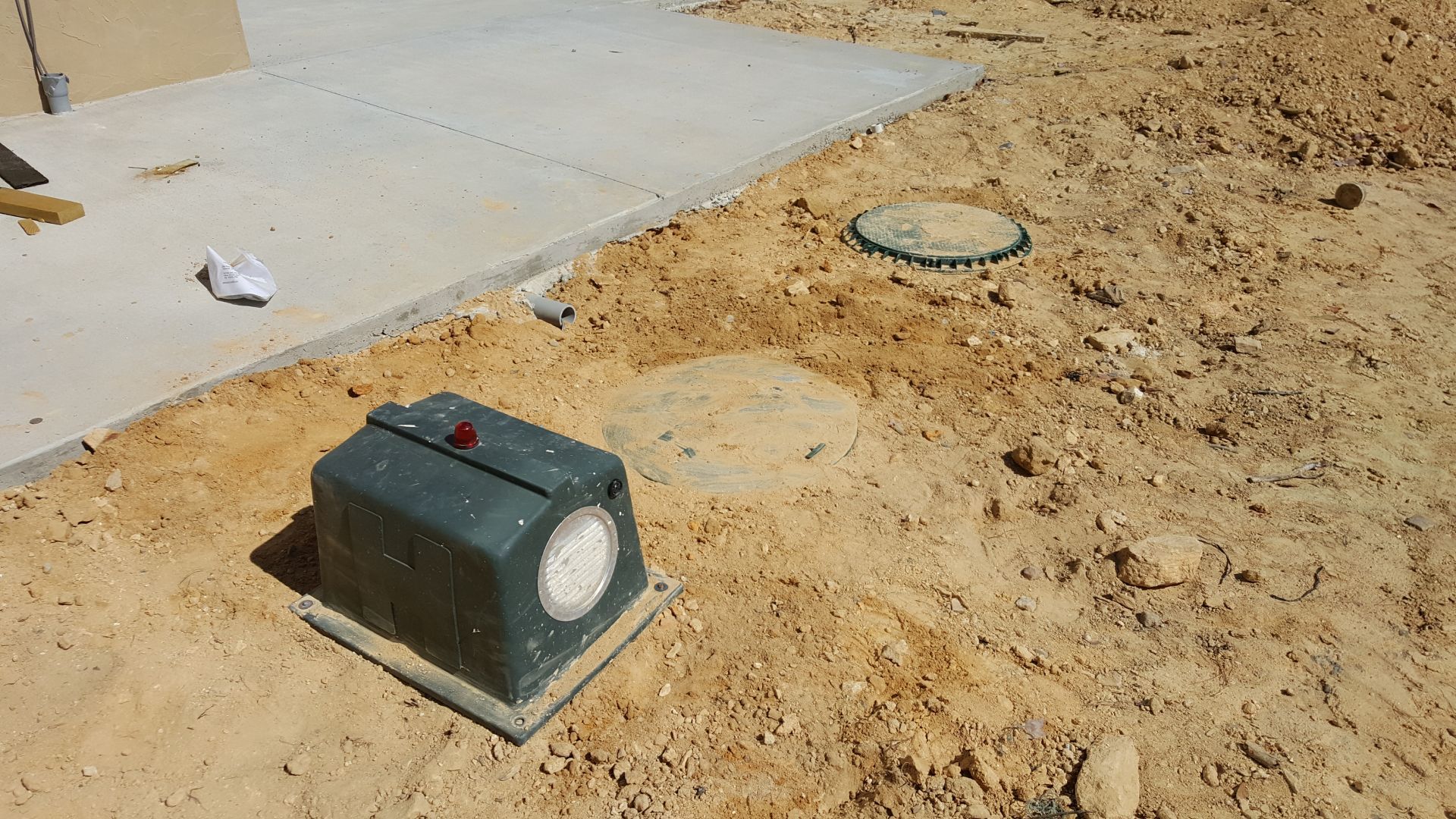
If you have noticed changes in how your ATU is performing, such as unusual odor, an alarm that has triggered, or drainage that seems slower than normal, those can be signs that the bacterial balance in the system has been affected. These symptoms do not always point directly to product exposure, since other factors can cause similar issues, but product exposure is a common and often overlooked contributor. Routine maintenance is the most reliable way to catch these issues early, before they develop into more serious problems.
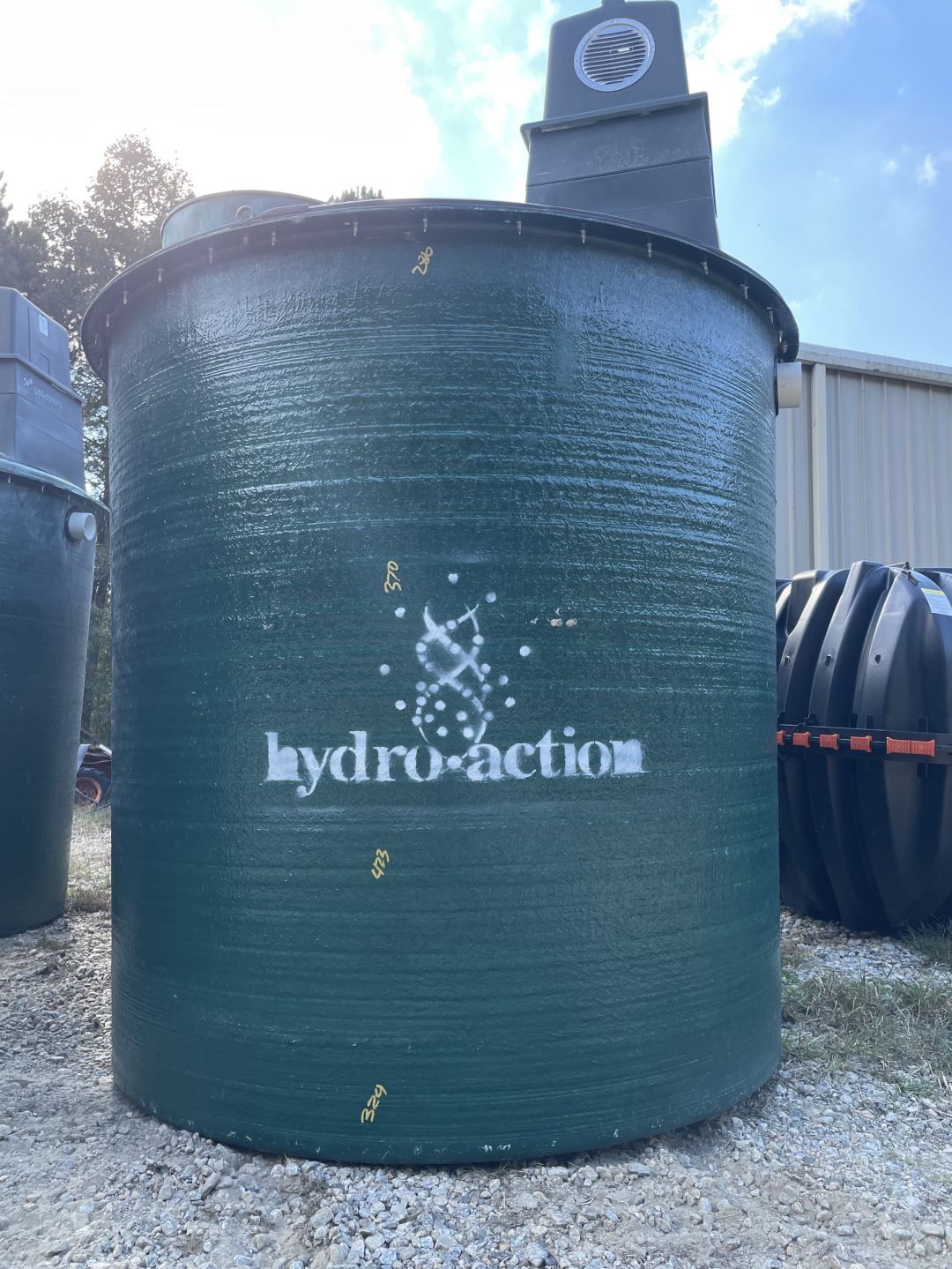
If you suspect your system has been affected by product exposure or it has simply been a while since your last service visit, a checkup is a straightforward next step. Our team is trained specifically in ATUs and hydro-action systems and can assess where things stand and what, if anything, needs attention.
Have Questions About Your ATU?
Whether you have noticed a change in your system or just want to make sure everything is running as it should, we are here to help. Our team works with residential and commercial properties throughout Monroe and the wider Metro Atlanta area. Give us a call or text at 404-788-3474 or
visit the website to schedule a service visit.