What Makes a Hydro-Action System Different From Conventional Septic Systems
If you own property in Georgia and rely on an onsite wastewater system, you may have heard of Hydro-Action and wondered how it compares to a standard septic system. The two systems perform the same basic job, but in very different ways. At Alternative Septic Management, we have specialized exclusively in Hydro-Action systems since 2009, and we are proud to be Georgia's only 100% dedicated Hydro-Action experts. That focus gives us a clear view of what separates these systems and why those differences are important for homeowners and property owners across Georgia and the greater Metro Atlanta area.
Understanding how your system works is the first step toward caring for it well. Whether you are comparing options for a new installation or trying to make sense of a system already in the ground, this breakdown will give you a solid foundation.
How a Conventional Septic System Works
The Anaerobic Process and Its Limitations
A conventional septic system operates through a passive, largely mechanical-free process. Wastewater from the home flows into a buried tank, where solids sink to the bottom and form sludge, while lighter materials float to the surface as scum. The liquid in the middle, called effluent, gradually moves out of the tank and into a drain field, where it filters through the soil.
The bacteria doing the work in this process are anaerobic, meaning they function without oxygen. They break down organic material slowly, and the treatment they provide before the effluent reaches the soil is limited. The soil itself does much of the remaining filtration work.
This approach has served property owners for generations, and it functions well under the right conditions. The problem is that the right conditions are not always present. Properties with heavy clay soils, high groundwater tables, small lot sizes, or sites near wetlands or water sources may not be suitable for a conventional drain field. In those situations, the soil simply cannot handle the volume or quality of effluent produced by a conventional system. That is where alternative systems like Hydro-Action become not just a preference, but a practical necessity.
How the Hydro-Action System Works Differently
Aerobic Treatment and the Multi-Stage Process
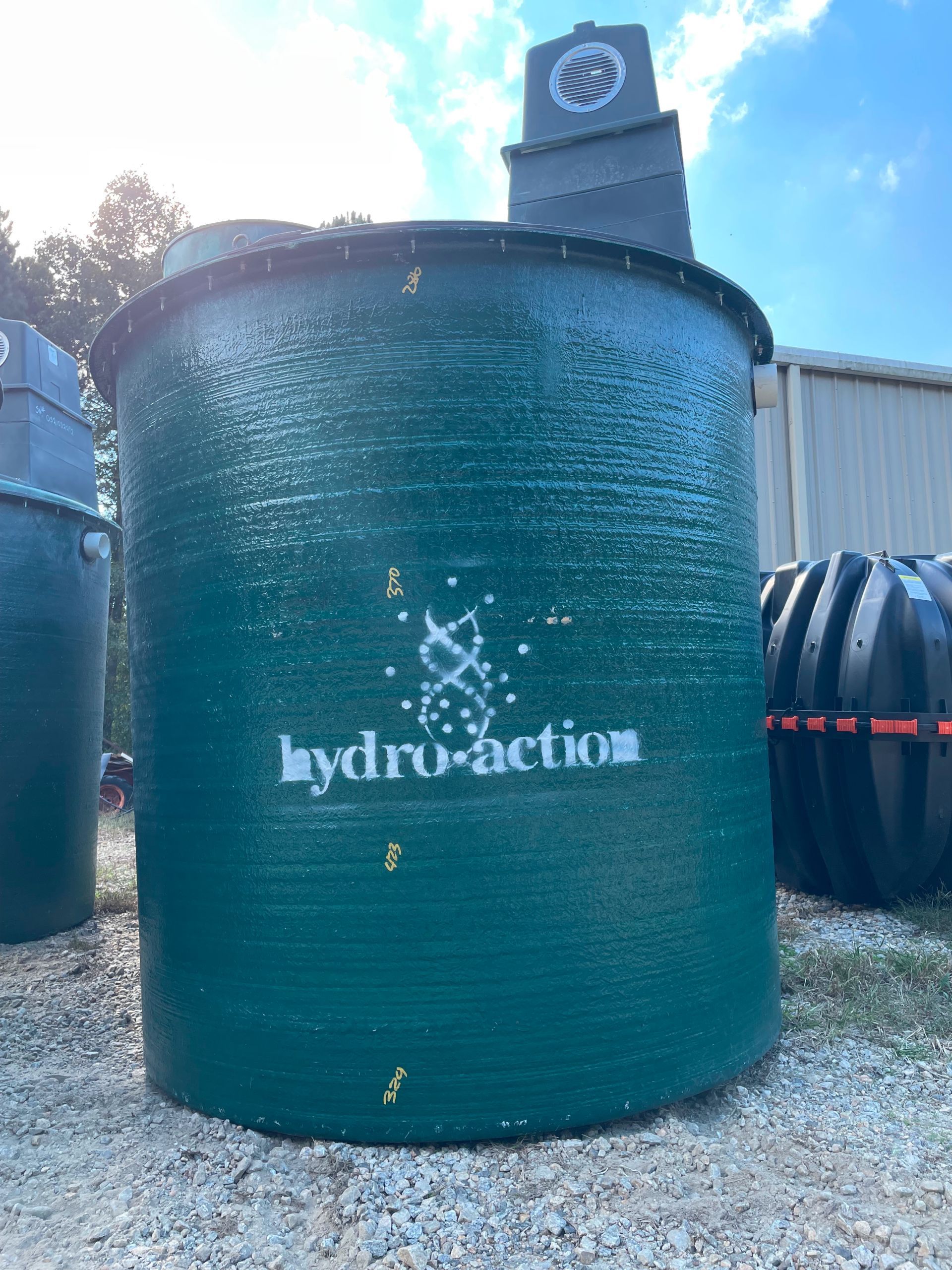
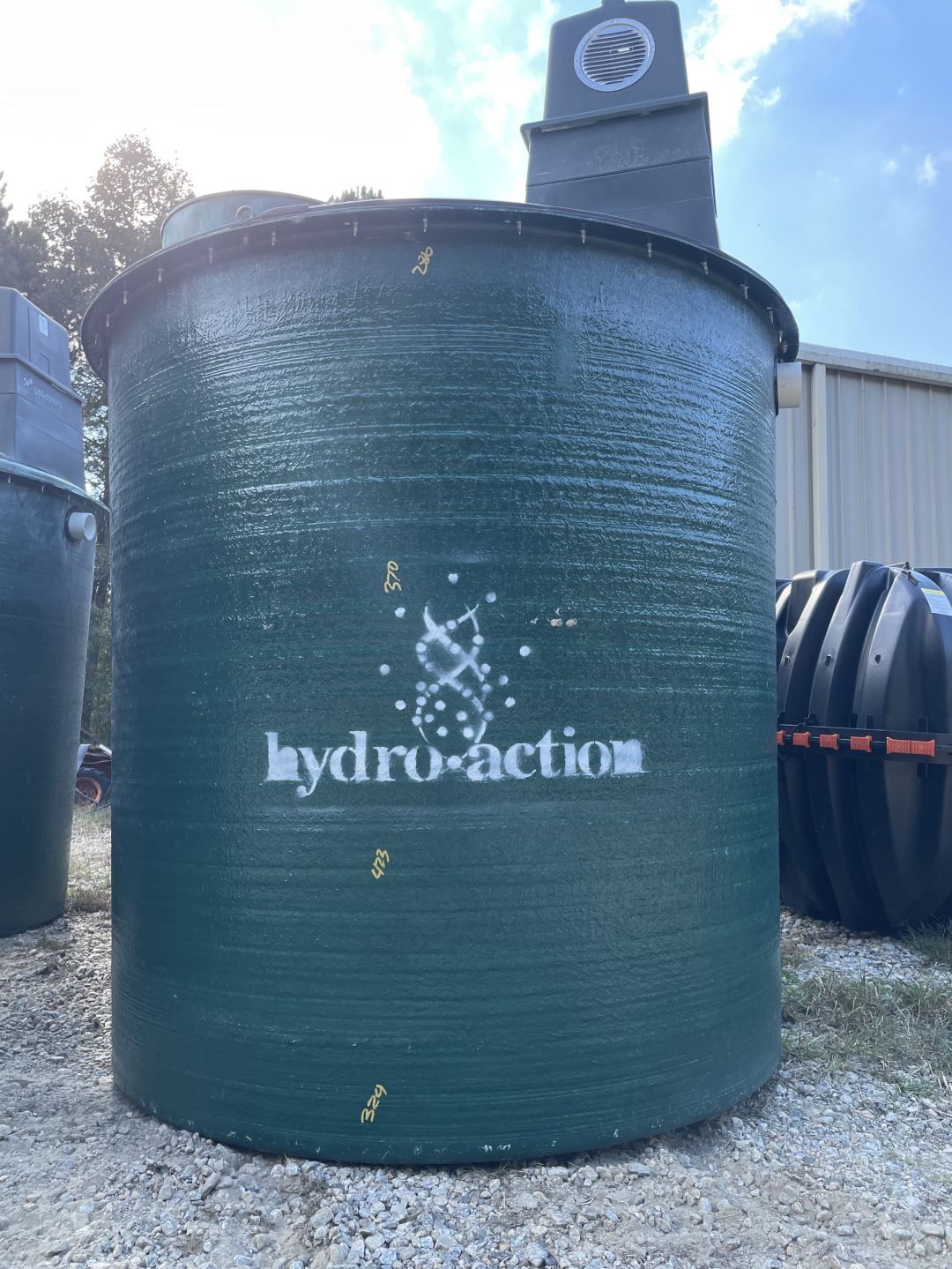
The most fundamental difference between a Hydro-Action system and a conventional one comes down to a single word: oxygen. Where conventional systems rely on anaerobic bacteria working in the absence of oxygen, Hydro-Action systems are aerobic treatment units, meaning they actively introduce oxygen into the treatment process around the clock.
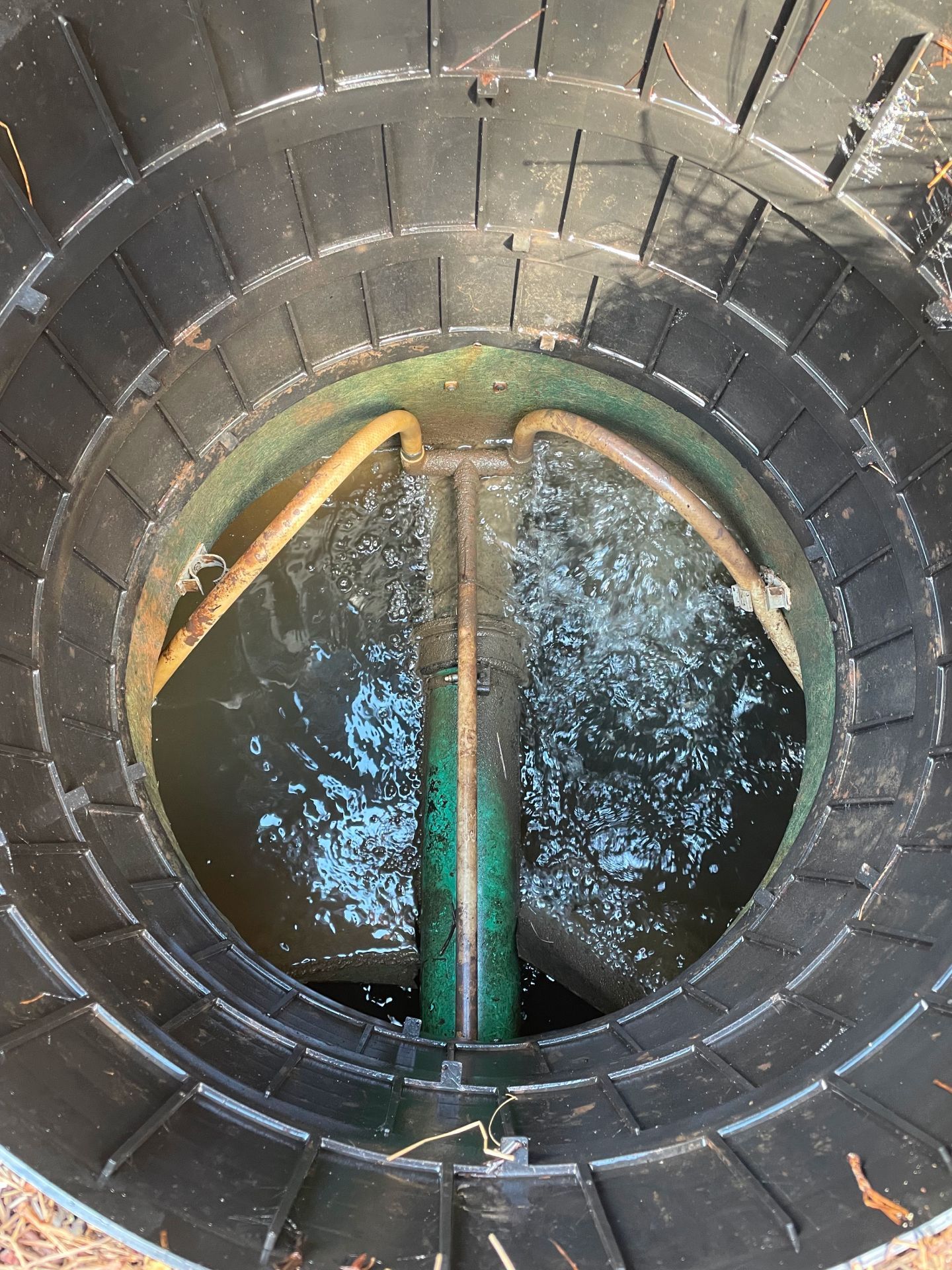
An air compressor runs continuously, pumping oxygen into the aeration chamber inside the unit. This oxygen-rich environment supports aerobic bacteria, which are far more aggressive and efficient at breaking down waste than their anaerobic counterparts. The result is a much higher level of treatment before effluent ever reaches the soil.
The treatment itself moves through several stages. Wastewater enters the system and passes through a pretreatment phase, where larger solids are separated. From there, effluent flows into the aeration chamber, where oxygen and aerobic bacteria perform the primary work of breaking down organic material. Next, effluent passes through a clarification chamber, which removes remaining solids. Finally, depending on the installation and local requirements, the effluent may pass through a UV disinfection unit or another final treatment stage before being dispersed. By the time treated water reaches the soil, it is significantly cleaner than what a conventional system would release.
The Mechanical Components That Drive Performance
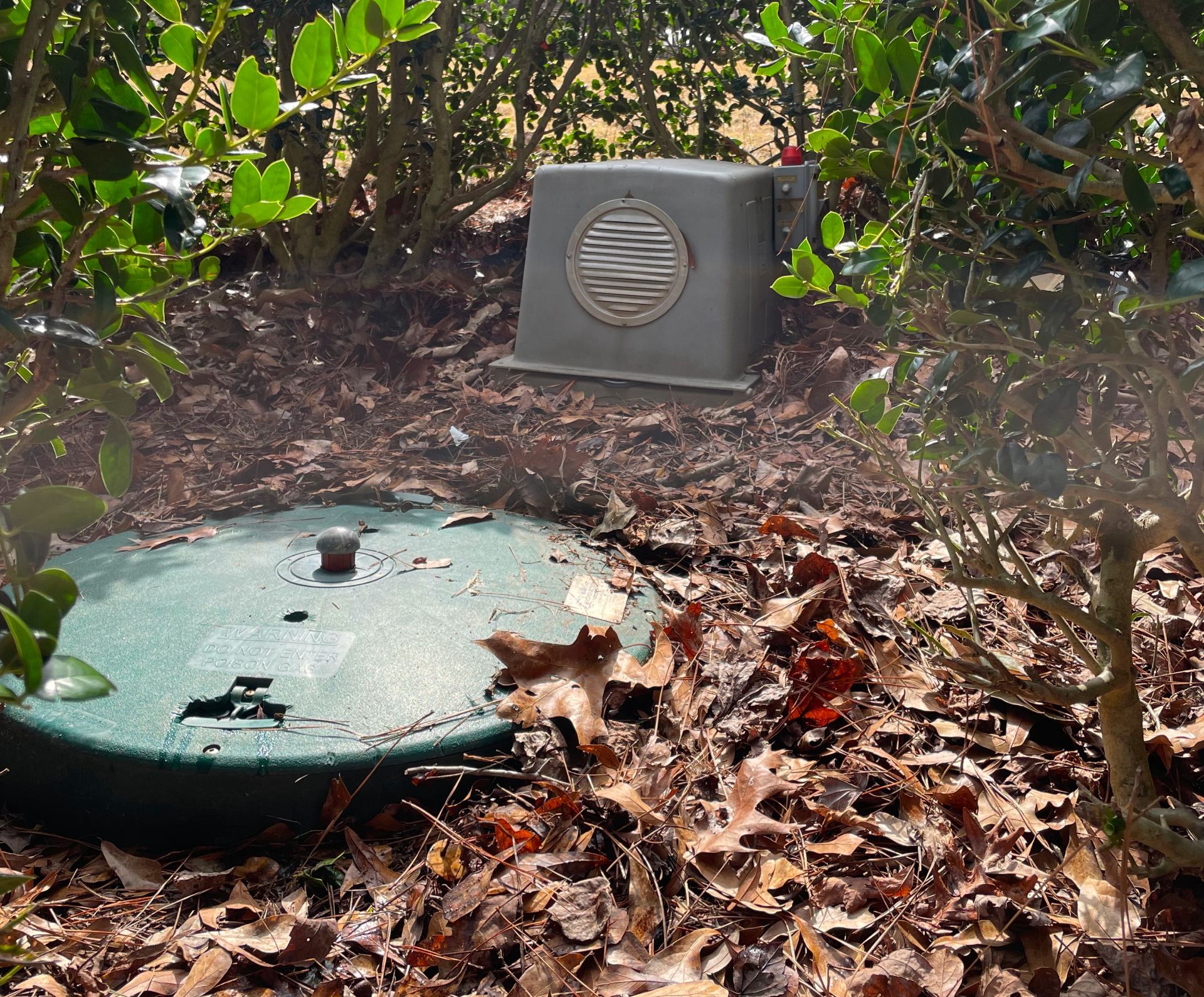
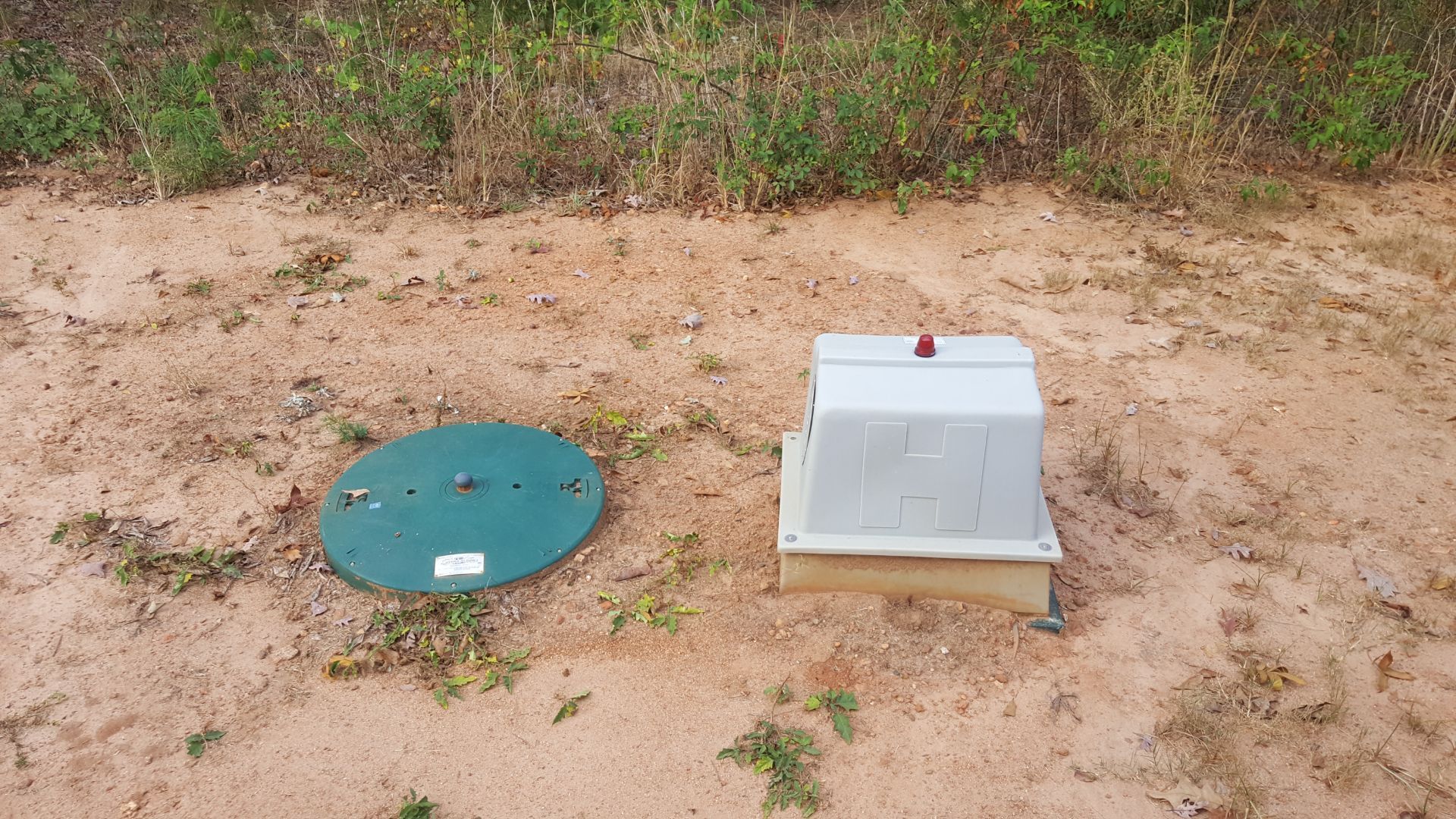
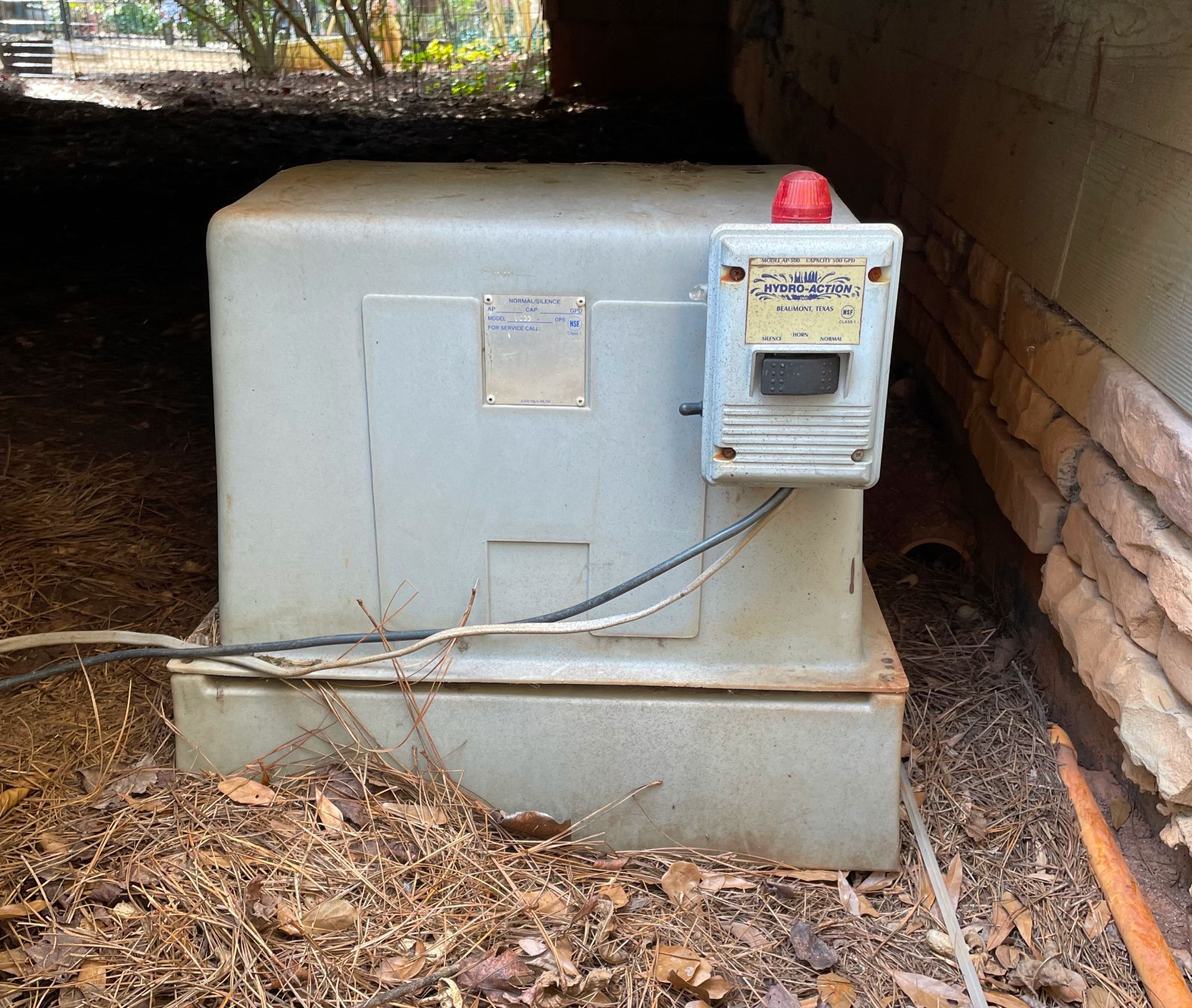
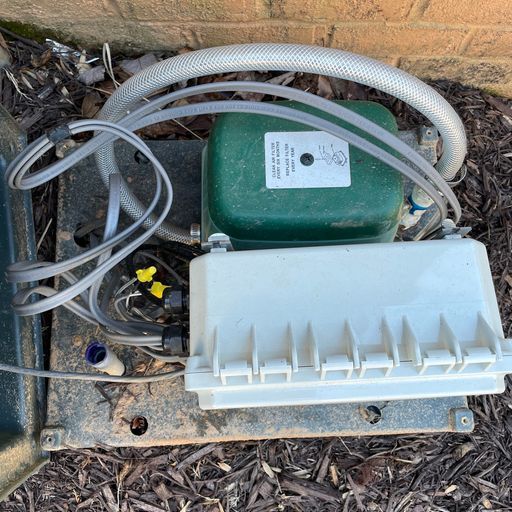
Because Hydro-Action systems actively treat wastewater rather than passively filtering it, they include mechanical components that a conventional system does not. The air compressor, pump, diffusers, and filters all play specific roles in keeping the treatment process running properly.
This mechanical complexity is one reason Hydro-Action systems deliver superior treatment and why they require a different level of care. When any one of these components begins to wear or fail, the system's performance changes. A clogged diffuser restricts oxygen flow. A struggling aerator reduces bacterial activity. A failing pump affects how effluent moves through the system. Catching these issues early requires someone who knows exactly what to look for, which is why working with a certified, trained technician is essential.
Key Differences Homeowners Should Understand
When you place these two systems side by side, several important distinctions come into focus.
The treatment method is the clearest difference. Conventional systems rely on passive, anaerobic breakdown and depend heavily on the drain field and surrounding soil to finish the job. Hydro-Action systems actively treat wastewater through an aerated, multi-stage process, producing cleaner effluent before it ever reaches the ground.
That difference in process leads directly to a difference in effluent quality. The aerobic treatment in a Hydro-Action system produces output that is cleaner and less harmful to the surrounding environment. For properties near water sources or in areas with sensitive soils, this is a significant advantage.
Maintenance requirements also differ considerably. A conventional system, when properly installed on a suitable site, requires relatively minimal ongoing attention, typically periodic pumping every few years. A Hydro-Action system, because of its mechanical components and active treatment process, requires regular scheduled service to keep everything functioning as it should. The State of Georgia actually requires a formal service contract for properties with aerobic treatment units during the first three years after installation.
Finally, site suitability sets these systems apart in a practical way. Conventional systems require adequate soil depth, an appropriate soil type, and sufficient space for a drain field. Hydro-Action systems can work on properties where conventional systems cannot, making them a viable solution for sites that would otherwise have no good on-site wastewater treatment options.
Why Hydro-Action Systems Require Specialized Care
Georgia's ATU Service Requirements
Georgia takes the maintenance of aerobic treatment units seriously, and for good reason. The State of Georgia requires that properties with ATUs have a service and maintenance arrangement in place for the first three years following installation. During that period, the system and all its components must be inspected at least once every six months. After that initial period, property owners can continue with an annual service contract or address maintenance on an as-needed basis, though most professionals recommend staying on a consistent schedule.
These requirements exist because the performance of an aerobic system depends on regular attention, unlike a passive system. Working with a company that holds the proper certification and has completed the state and manufacturer-required advanced training is not just a good idea. Only a small percentage of companies licensed to install septic systems have gone through the additional training required to service ATUs, and Alternative Septic Management is one of them.
What Happens Without Proper Maintenance
When a Hydro-Action system does not receive regular service, the consequences follow a predictable path. Filters and diffusers collect debris over time, and when they become clogged, airflow into the treatment chamber is restricted. Less oxygen means less aerobic bacterial activity, so waste is not being broken down effectively.
If the aerator motor fails entirely, the system essentially ceases to function as an aerobic unit. Without oxygen, the environment in the treatment chamber shifts toward anaerobic conditions, and the treatment quality drops significantly. The system alarm may trigger, drains may slow, and without intervention, full system failure becomes a real possibility. Repairing or replacing major components is considerably more expensive than keeping up with scheduled service visits. Routine care protects the investment and keeps the system functioning as it was designed to do.
Getting the Right Support for Your System
Whether you are already living with a Hydro-Action system or considering one for a property with challenging site conditions, having a knowledgeable team behind you makes all the difference. We work with residential and commercial property owners throughout Georgia, including the greater Metro Atlanta area. Our services include septic inspection, septic repair, air compressor maintenance, pump maintenance, and full ATU service, all focused specifically on the systems we know best.
If you have questions about your current system, want to understand what a Hydro-Action system installation might involve, or are due for a service visit, we are glad to help. Text or call Alternative Septic Management at 404-788-3474, or visit the website. We will make sure you have the information and the service your system needs to keep running well.