Septic Tank Inspection: Everything You Need to Know
What is a Septic System?
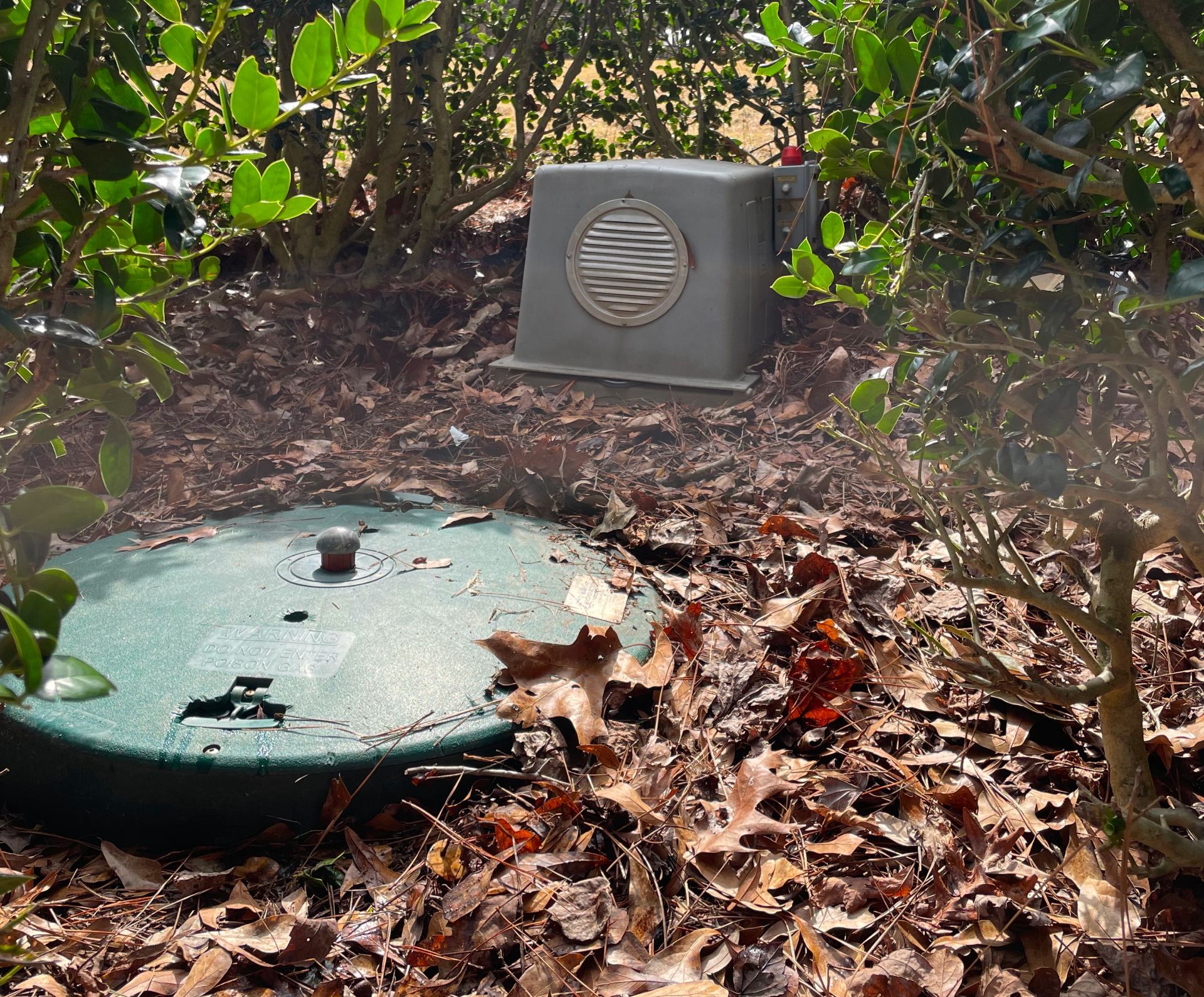
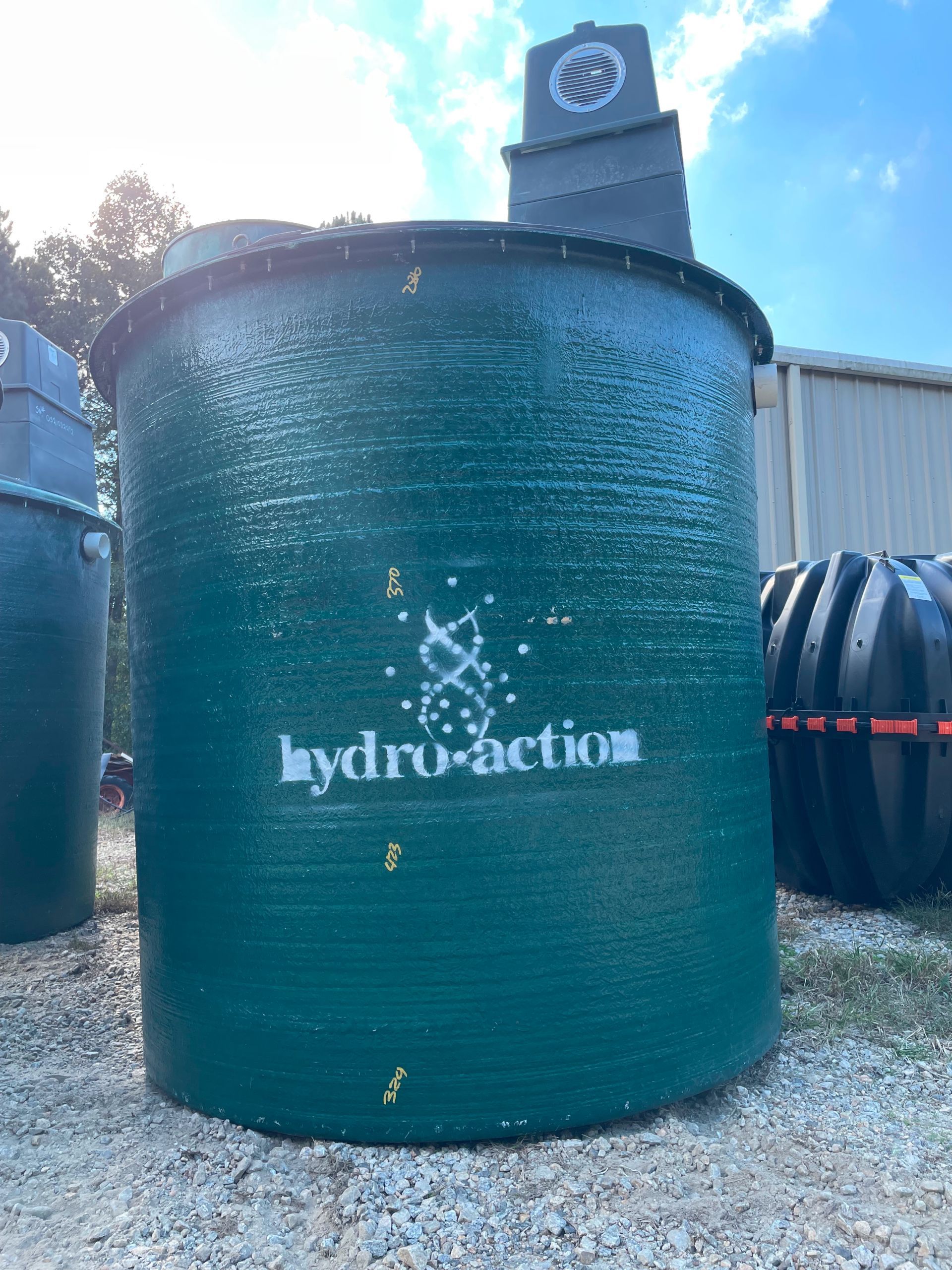
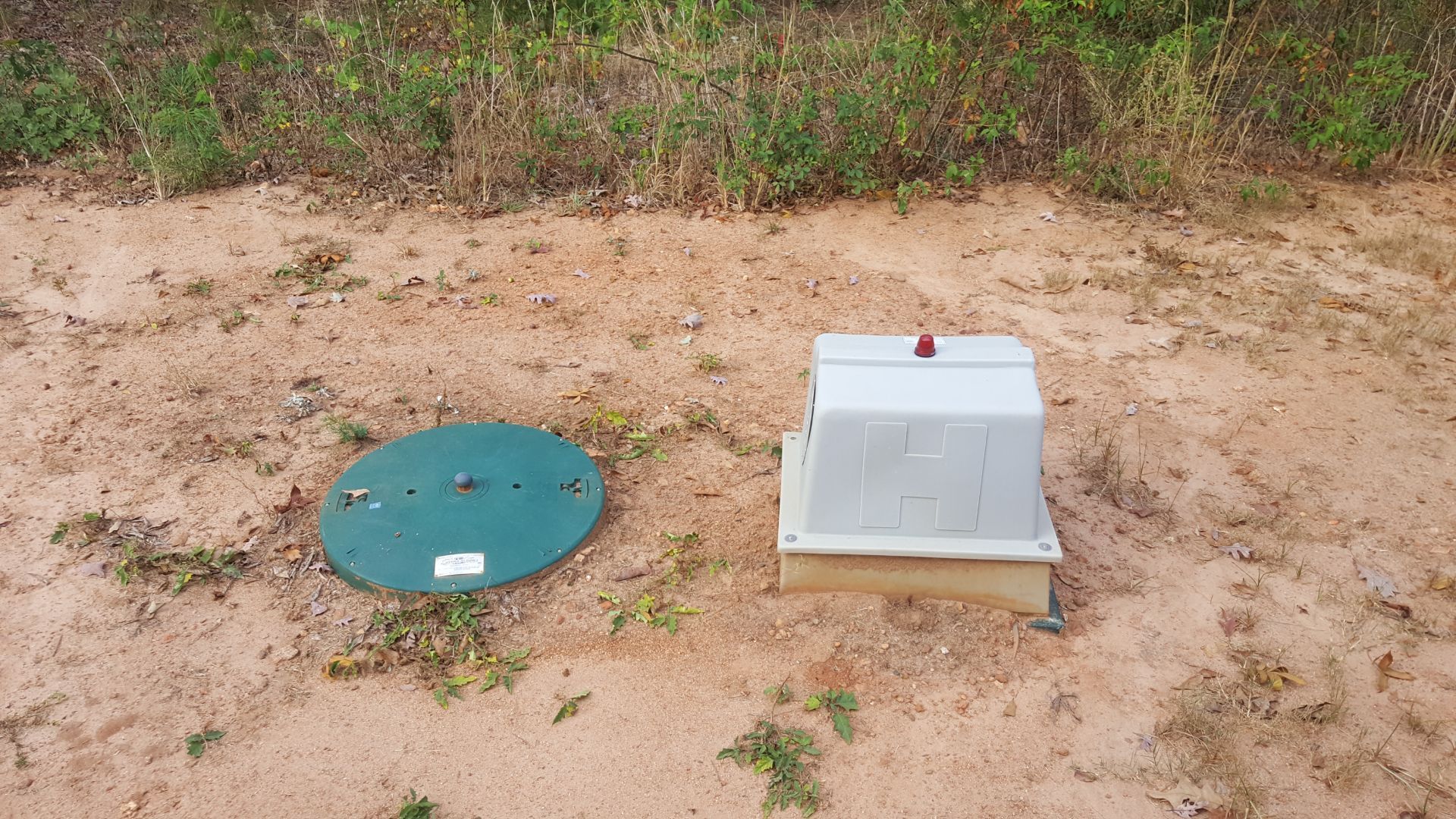
A septic system consists of three main components: the septic tank, the drainage field, and the ground. The septic tank is a large, underground container made of concrete, fiberglass, or plastic, which is responsible for separating solid waste from liquid waste and breaking down the organic matter through bacterial action.
The drainage field is a network of perforated pipes buried in the ground. It allows the liquid waste to percolate through the soil, where it is further treated and filtered before it enters the groundwater. The ground is also an essential component of the septic system, as it provides the necessary space for the drainage field and helps to filter and purify the liquid waste.
The Importance of a Septic Tank Inspection
A
septic tank inspection is essential for several reasons. For one, it helps to ensure that the septic system is functioning correctly and that there are no problems that could lead to costly repairs or environmental damage. If left unchecked, the septic system can malfunction, causing sewage to back into the home, contaminating the groundwater, and posing a severe health risk to the residents and the surrounding community.
In addition, it can help identify potential problems before they become more serious, saving homeowners time, money, and stress in the long run. Many problems can occur in a septic system, such as blockages, leaks, overloading, and structural damage. These issues can cause significant damage, so they can incur high costs.
Above all else, a septic tank inspection is essential for maintaining the health and safety of the homeowners and the environment. A
malfunctioning septic system can lead to the contamination of groundwater, which can be hazardous to human health and the environment. It can also lead to the growth of harmful bacteria and pathogens, which can cause illness and disease.
Septic tanks are an essential part of many households that do not have access to a centralized sewer system. These underground tanks are designed to collect and treat domestic wastewater, including everything from toilets to washing machines, before the treated water seeps back into the ground. The wastewater enters the tank in the primary stage, and the solids settle at the bottom. After this, the liquid waste undergoes further treatment through anaerobic digestion, which involves bacteria breaking down the remaining organic matter and converting it into gases, such as methane, carbon dioxide, and hydrogen sulfide. These gases are then released into the atmosphere, and the treated water is released into the drain field.
Septic tanks are a crucial part of a home’s plumbing system, responsible for safely disposing of household wastewater. However, like any other house component, they require periodic inspections to ensure they function correctly. This article will provide all you need to know about a septic tank inspection.
What to Expect during a Septic Tank Inspection
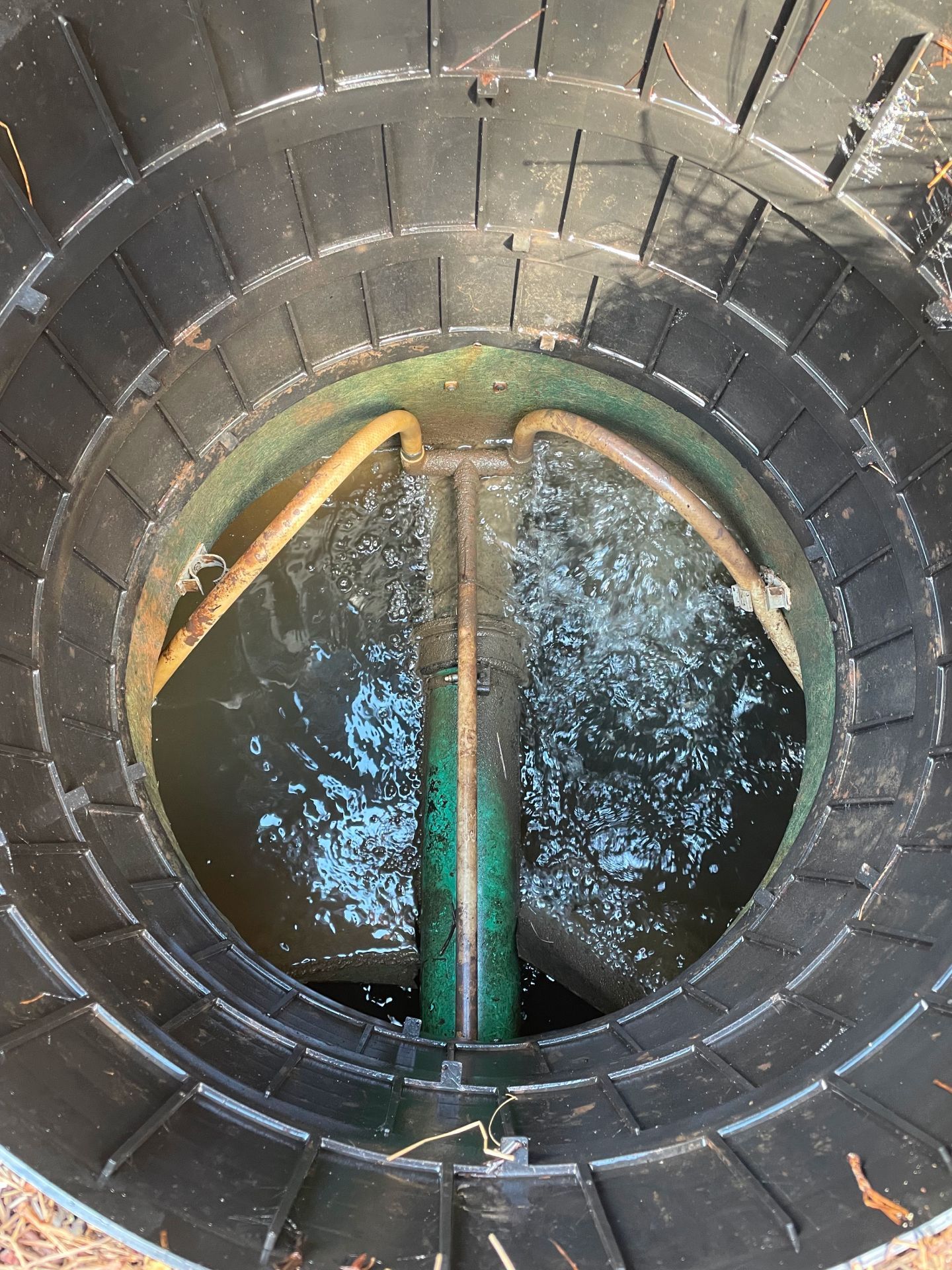
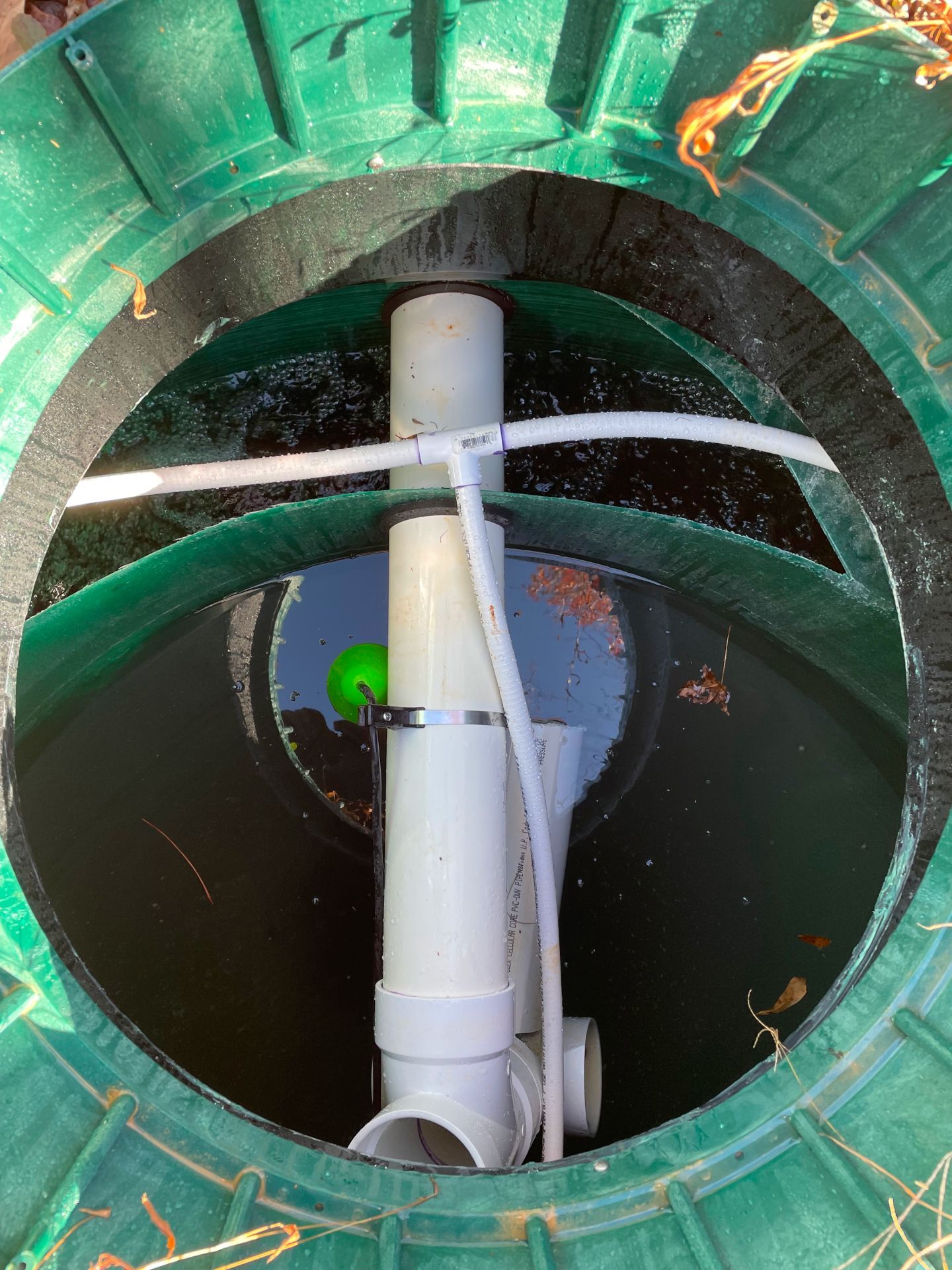
During a septic tank inspection, the inspector will perform a series of tests to determine if the tank is functioning correctly. The inspector will start by checking the physical condition of the tank, including the inlet and outlet pipes, the lid, and the walls of the tank. They will then look for signs of leaks, such as wet spots, odors, or standing water on the ground.
The inspector will also check the liquid level in the tank to ensure it is not too high or too low. If the fluid level is too high, it may indicate a blockage in the drainage field, while a low level may suggest a problem with the inlet or outlet pipes. The inspector will also check the scum and sludge layers in the tank. If these layers are too thick, it may indicate that the tank needs to be pumped.
When to Call a Professional Septic Tank Inspector
Homeowners should have their septic tank inspected every three to five years, depending on the tank size and the number of people living in the house. However, there are several other situations where a septic tank inspection may be necessary.
If the homeowner notices any problem, such as slow drains, gurgling toilets, or odors, they should immediately call a
professional septic tank inspector. Other situations that may require a septic tank inspection include purchasing or selling a property, installing a new septic system, or renovating an existing one.
Conclusion
A septic tank inspection is vital to maintaining a healthy and functional septic system. Homeowners should inspect their septic tank regularly to ensure it functions correctly and identify potential problems before they become more serious. If you require a septic tank inspection, call a professional inspector to ensure the inspection is thorough and accurate.
Alternative Septic Management Inc. provides top-quality services for
aerobic septic system maintenance. Our professional aerobic septic technicians will fix your system’s components without further issues. Call us today at 404-788-3474 to schedule an appointment!