Key Differences: Aerobic & Conventional Septic Systems
A septic system is an essential component of a home's plumbing system that treats and disposes of wastewater from toilets, sinks, and showers. A conventional septic system has been the most popular choice for many homes, but an alternative option has emerged in recent years - the aerobic septic system. This article explores the differences between the two systems and how they function.
Overview of Conventional Septic Systems
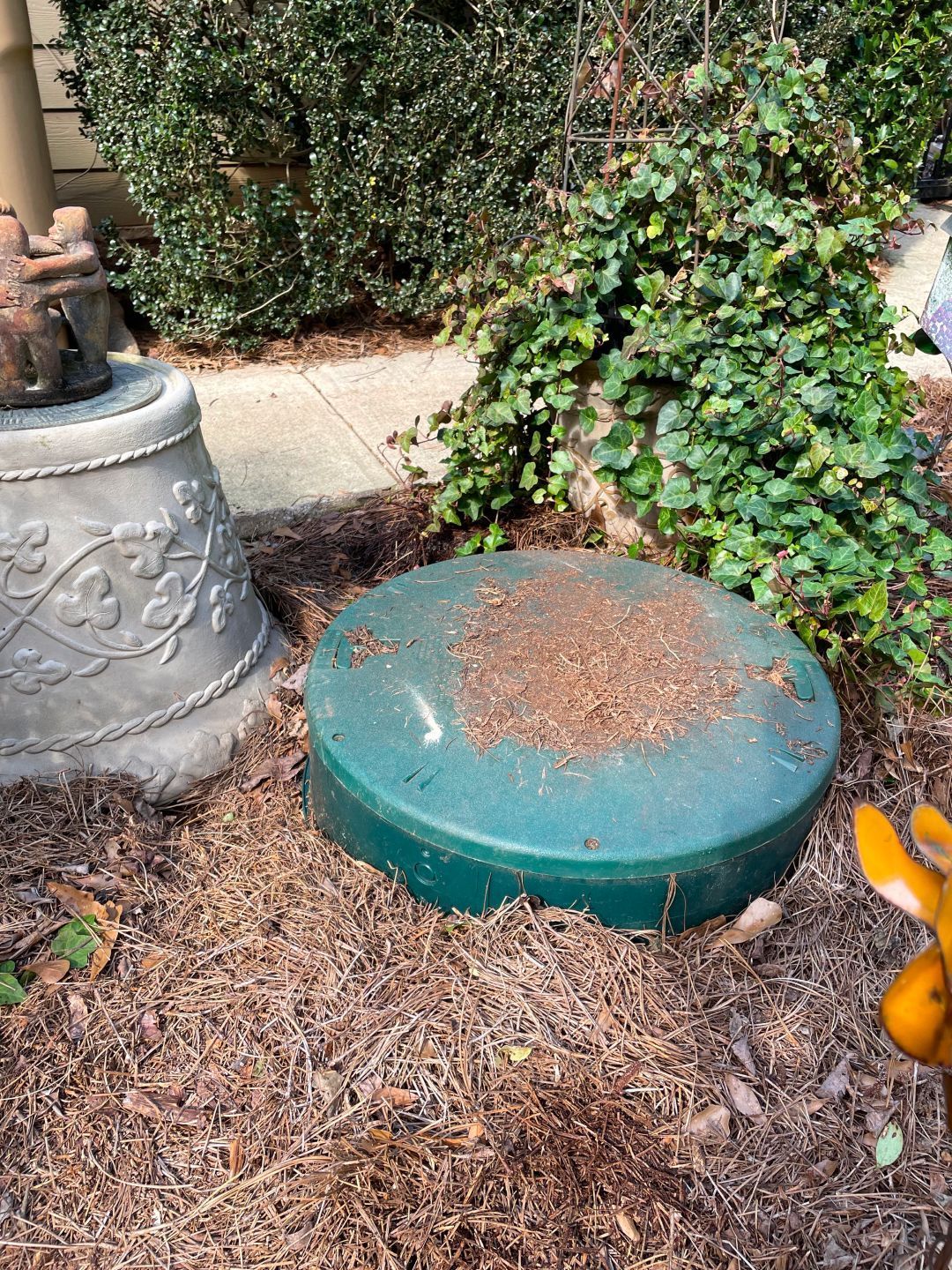
A conventional septic system consists of a septic tank and a drainfield. The septic tank is a large underground tank made of concrete or plastic that collects wastewater from the house. The solids settle to the bottom of the tank, forming a sludge layer, while the liquid flows out of the tank and into the drainfield. The drainfield is a series of perforated pipes buried in gravel that allows the liquid to seep into the soil, where it is naturally treated and filtered.
The conventional septic system relies on anaerobic bacteria to break down the organic matter in the wastewater. These bacteria thrive in an oxygen-free environment, so the septic tank is designed to be airtight. The solids that settle at the bottom of the tank must be pumped out periodically to prevent them from clogging the drainfield and causing system failure.
Overview of Aerobic Septic Systems
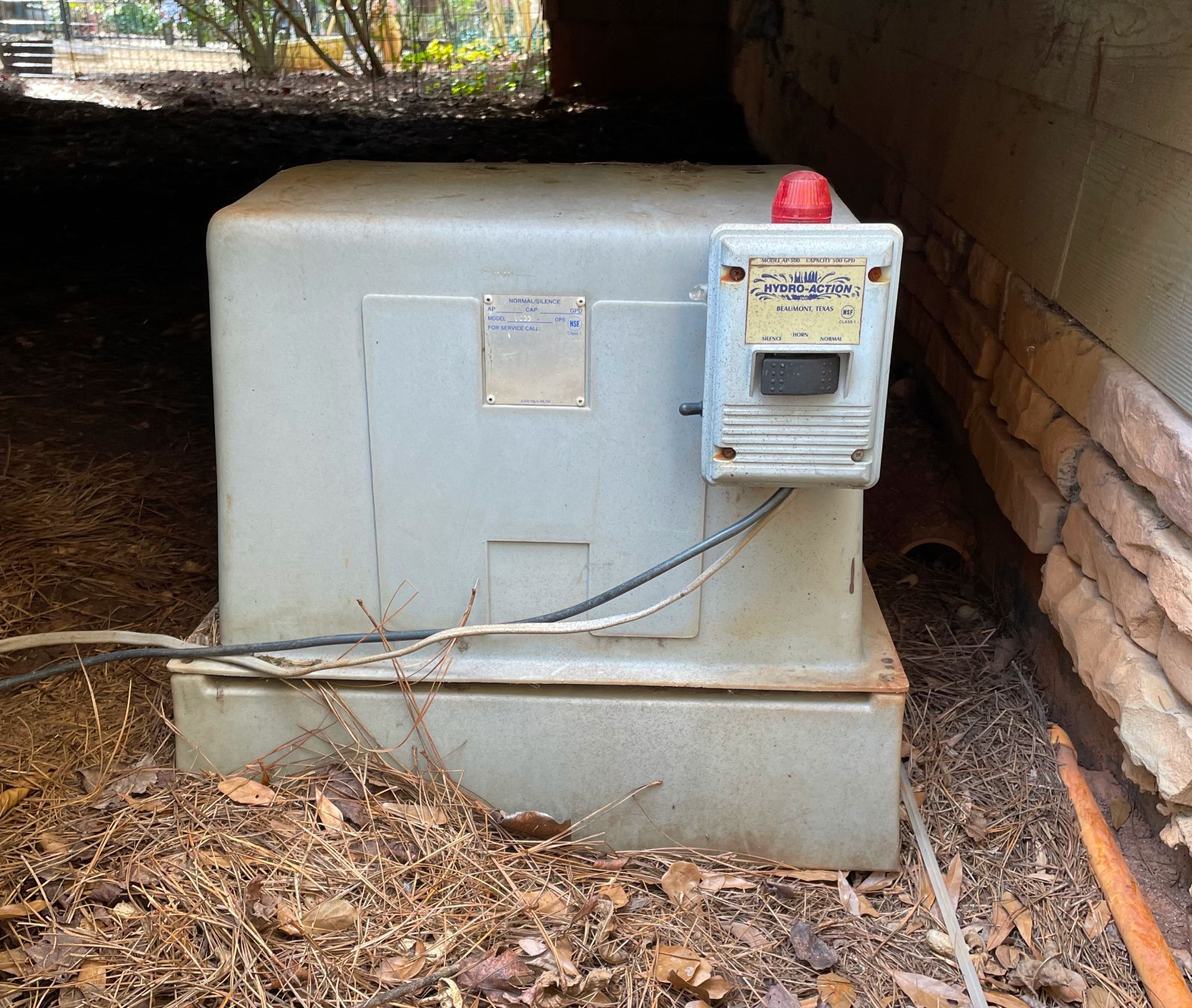
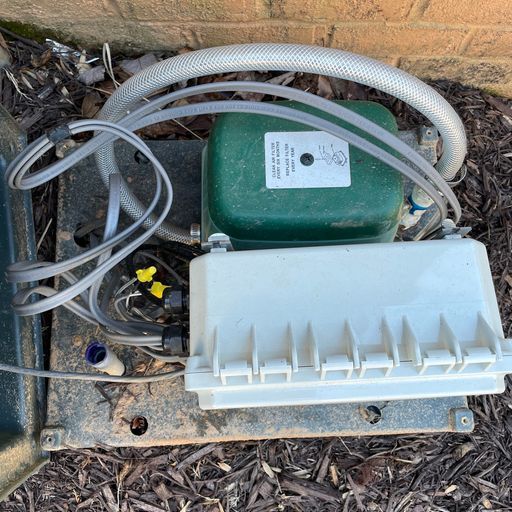
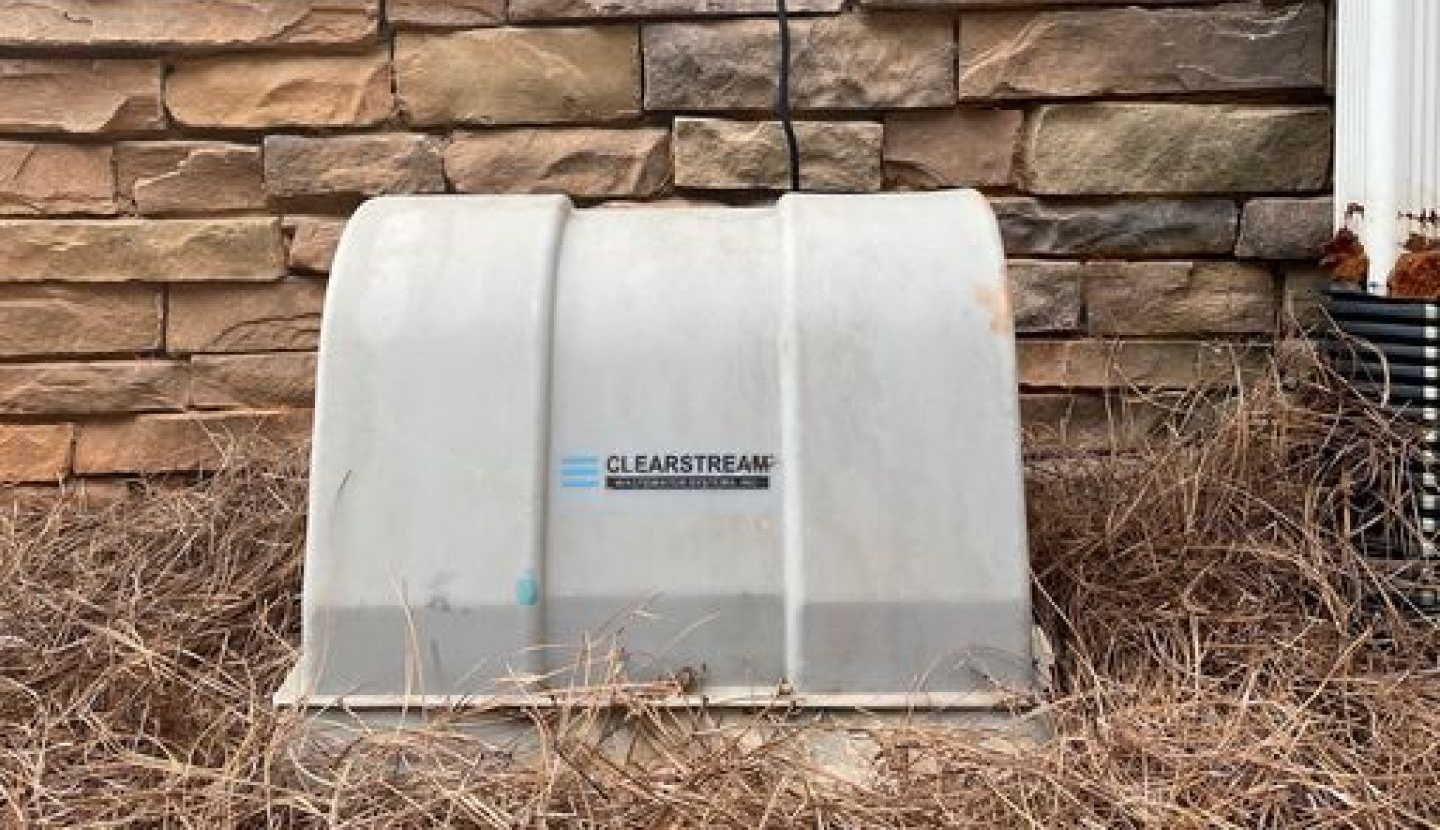
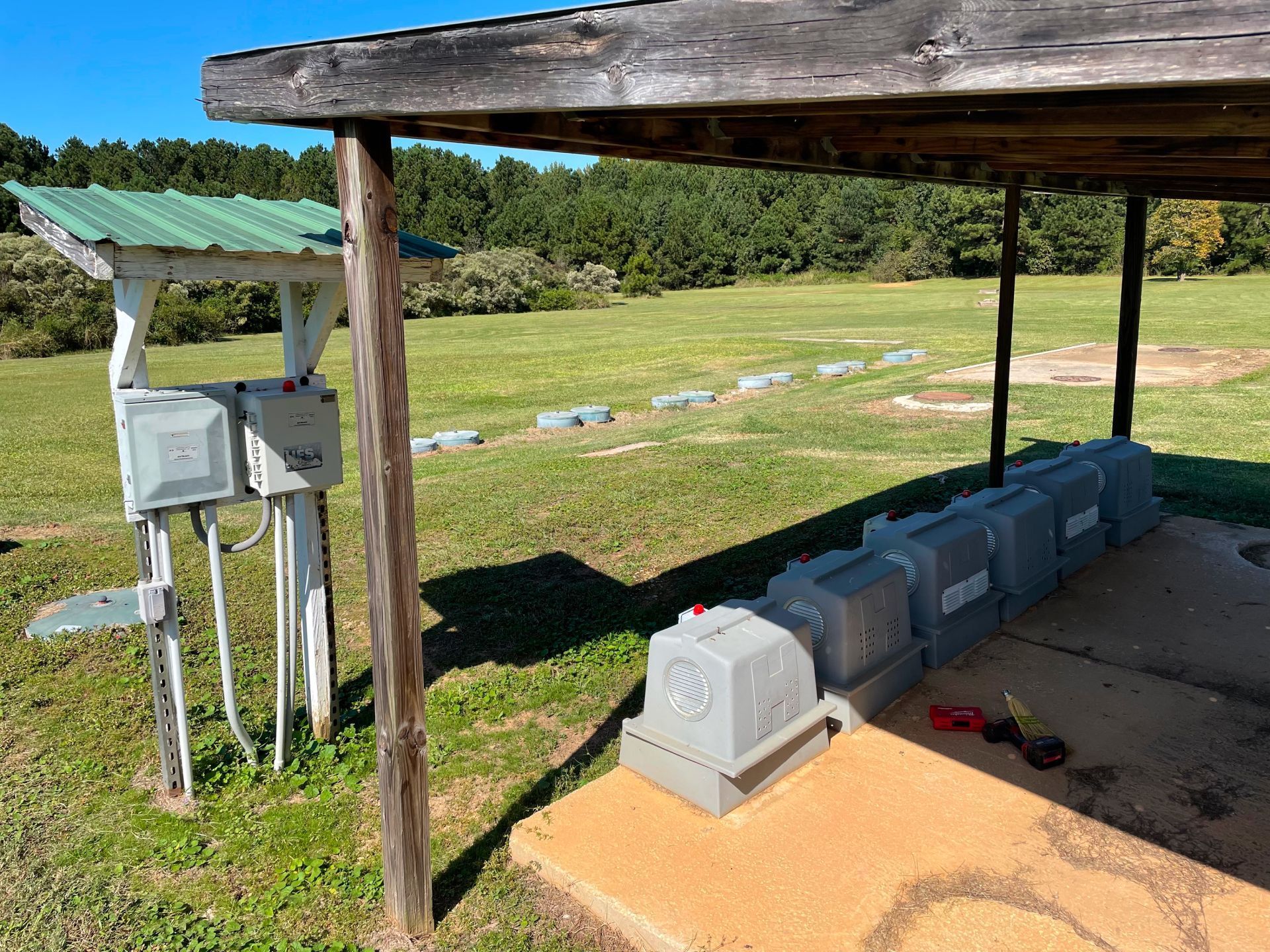
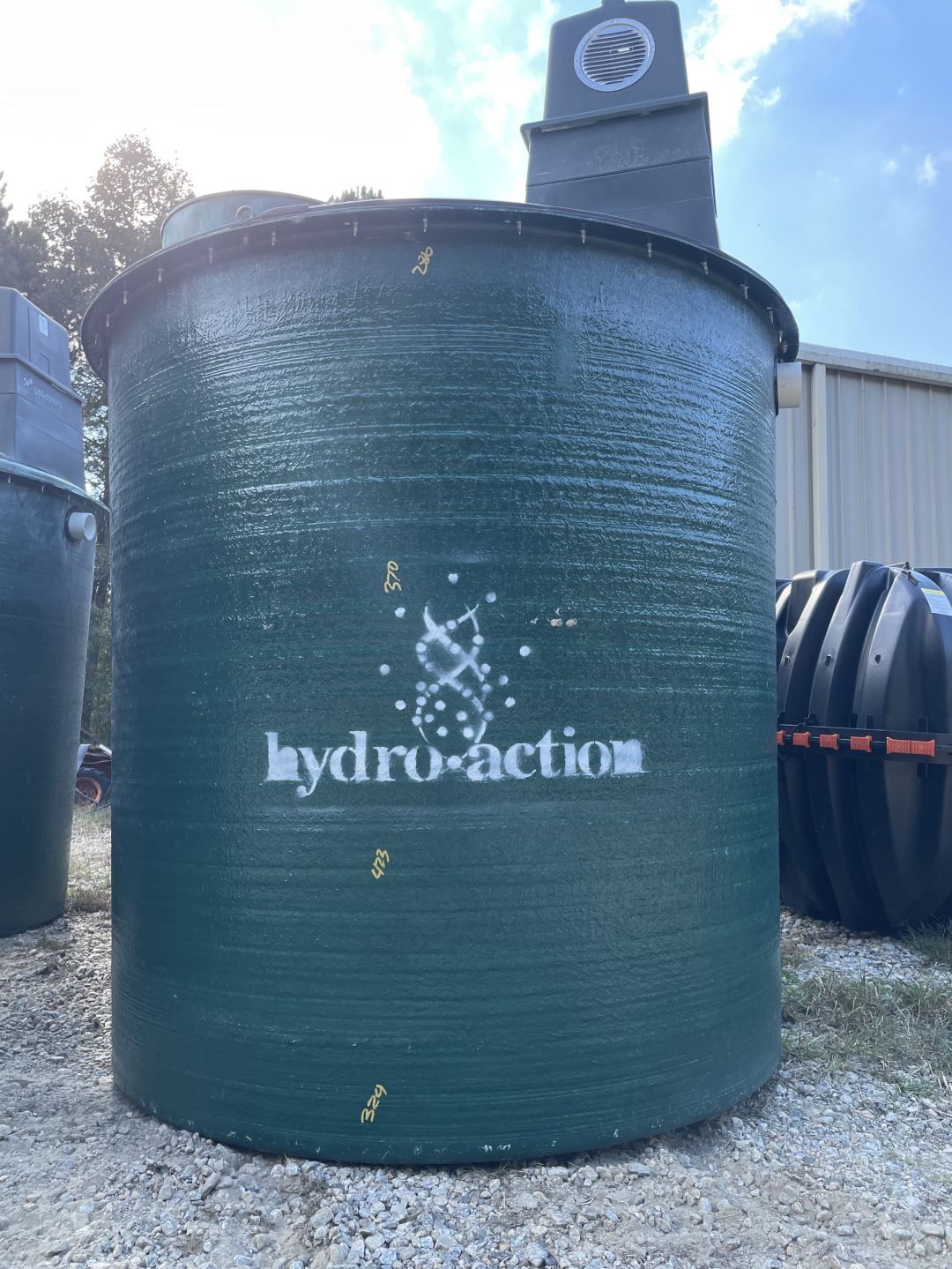
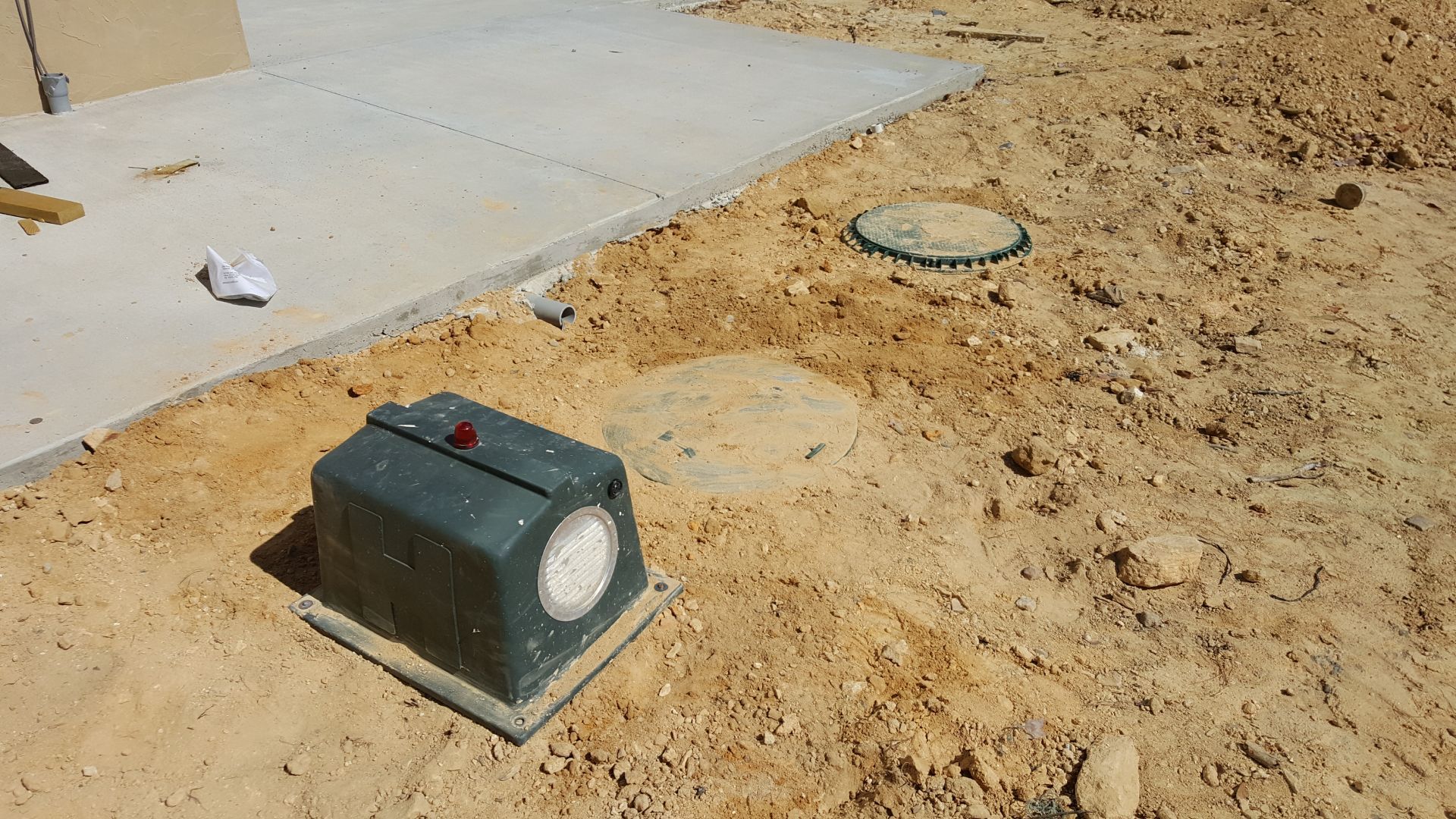
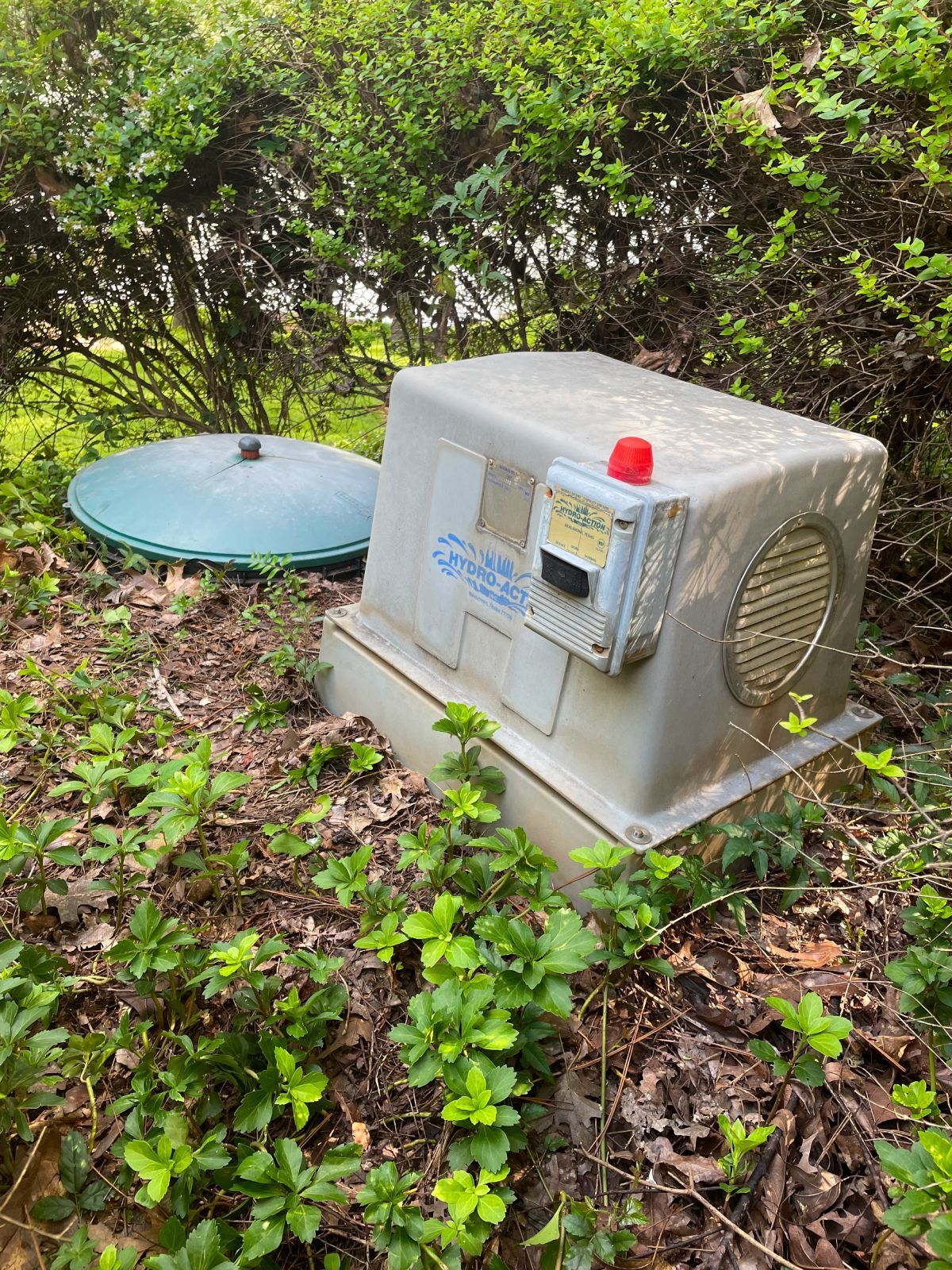
Aerobic septic systems are similar to conventional systems in that they collect and treat wastewater from the home. However, they use a different process to break down the organic matter and treat the water. An aerobic septic system adds oxygen to the wastewater, which allows aerobic bacteria to thrive and digest the waste.
The system consists of four main components: a pretreatment tank, an aeration chamber, a settling chamber, and a disinfection chamber. The pretreatment tank removes large particles and debris from the wastewater before it enters the aeration chamber. A diffuser adds air to the wastewater in the aeration chamber, promoting aerobic bacteria growth. The settling chamber allows the solid waste to settle to the bottom, while the liquid flows into the disinfection chamber, where it is treated with chlorine before it is discharged into the soil.
How Do Aerobic Septic Systems Work?
An aerobic septic system is a type of wastewater treatment system that uses oxygen to break down organic matter in the wastewater. The system consists of four main components: a pretreatment tank, an aeration chamber, a settling chamber, and a disinfection chamber.
1. Pretreatment Tank:
The pretreatment tank is the first component of an aerobic septic system. This tank removes large particles and debris from the wastewater before it enters the aeration chamber. The pretreatment tank helps to prevent clogs and blockages in the system.
2. Aeration Chamber:
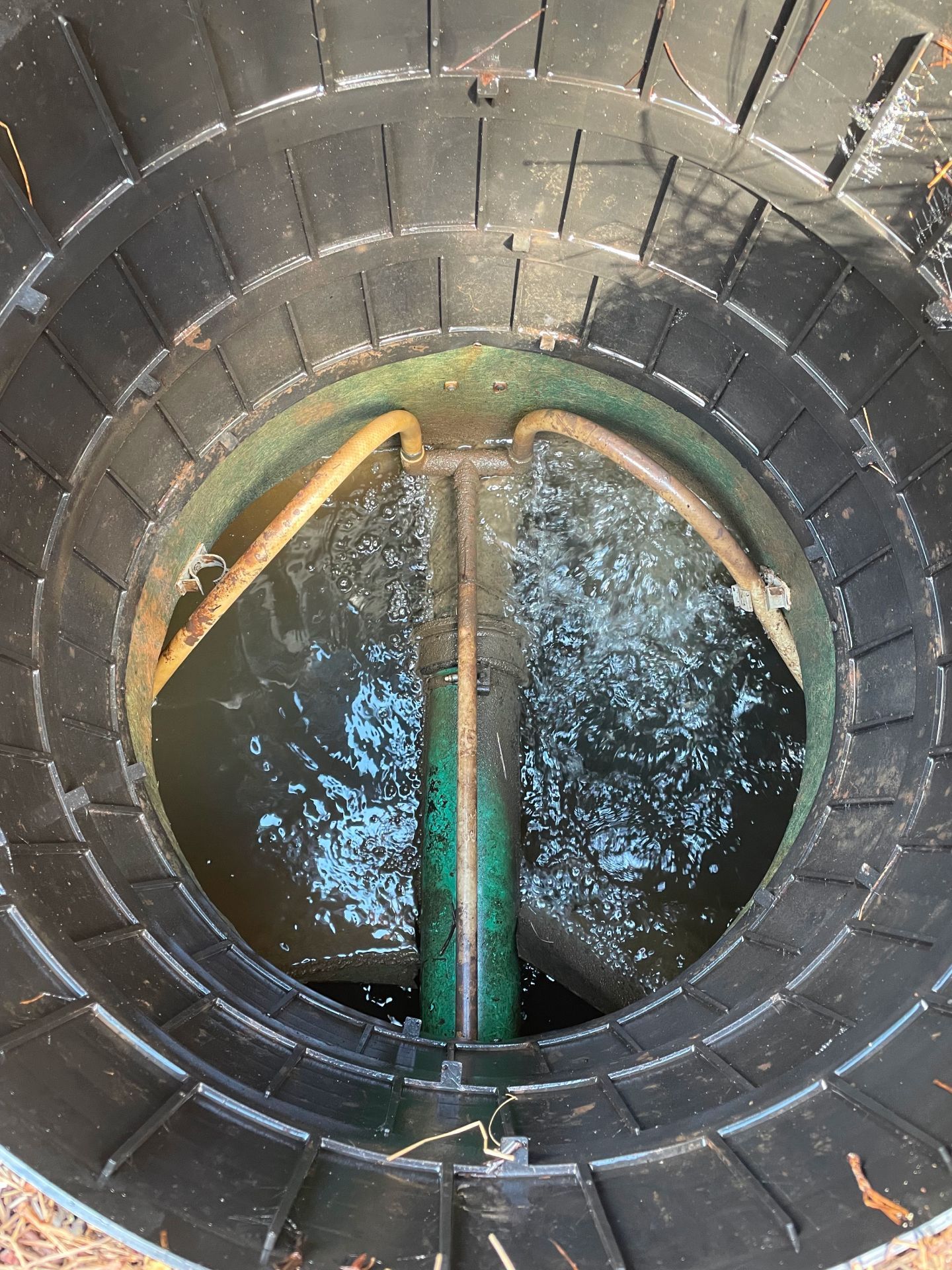
The second component of an aerobic septic system is the aeration chamber. In this chamber, a diffuser adds air to the wastewater, promoting the growth of aerobic bacteria. The aerobic bacteria digest the organic matter in the wastewater more quickly and effectively than anaerobic bacteria, which are used in conventional septic systems.
3. Settling Chamber:
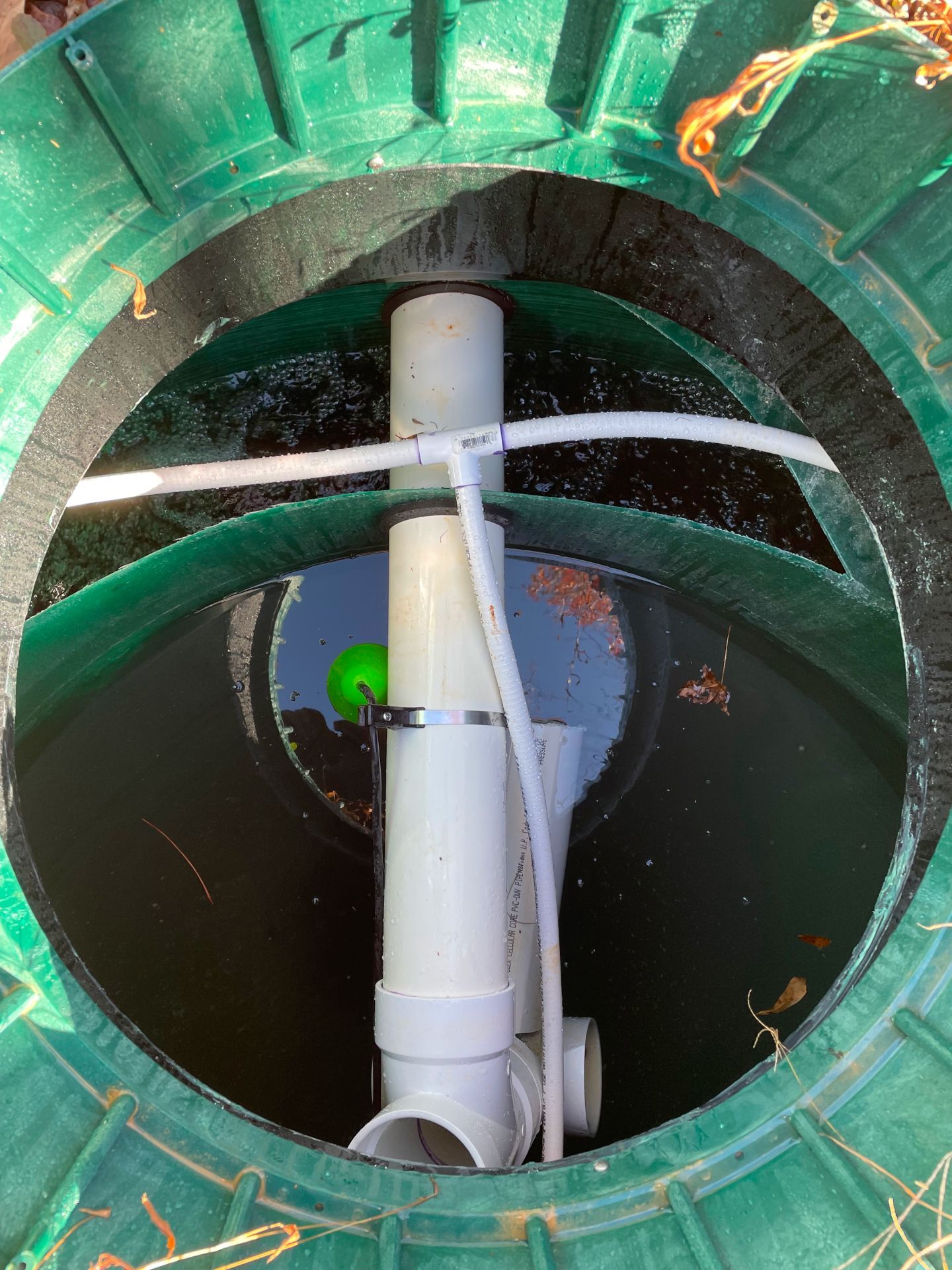
The third component of an aerobic septic system is the settling chamber. This chamber allows the solid waste to settle to the bottom while the liquid flows into the disinfection chamber. The settling chamber helps remove any remaining particles and debris from the wastewater before disinfecting.
4. Disinfection Chamber:
An aerobic septic system's fourth and final component is the disinfection chamber. In this chamber, the liquid from the settling chamber is treated with chlorine before it is discharged into the soil. The chlorine disinfects the water, making it safer for the environment.
Conclusion
In conclusion, an aerobic septic system is a more efficient and effective way of treating wastewater than a conventional one. Although an aerobic septic system is more complex and expensive than a conventional system, its benefits make it a worthwhile investment for homeowners who prioritize environmental sustainability and want a reliable and high-performing septic system. Ultimately, the choice between the two systems depends on the household's specific needs and the local regulations governing septic systems. Consulting with a licensed professional is crucial in determining the best option for your home.
Don't let
aerobic septic system maintenance stress you out. Trust Alternative Septic Management Inc. to keep your system functioning at its optimal level. Contact us today to schedule your maintenance and ensure a long-lasting, efficient septic system.