What Georgia Property Owners Should Know About Septic Inspections When Buying or Selling
At Alternative Septic Management, we work with homeowners and property owners at every stage of ATU ownership, and one situation that comes up regularly is a real estate transaction. Buying or selling a property with an aerobic treatment unit or Hydro-Action system is a different experience from buying or selling one with a conventional septic system, and the inspection process is a big part of that difference. This post walks through what both buyers and sellers need to understand before they get to the closing table.
Why Septic Inspections Come Up in Real Estate Transactions
Georgia does not require a septic inspection for every property sale at the state level, but in practice, inspections are a standard part of due diligence on any property with a septic system. Buyers want to know what they are taking on, and most lenders require confirmation that the system is functioning before approving financing. That makes an inspection effectively necessary in the large majority of transactions involving a property with a septic system, regardless of whether it is formally required.
For properties with ATUs or Hydro-Action systems specifically, the inspection carries more weight. These systems involve more components than a conventional septic system, and the cost of addressing a problem after closing is not something most buyers want to absorb without knowing about it in advance.
Why ATU and Hydro-Action Inspections Are Different
These Systems Have More Components to Evaluate
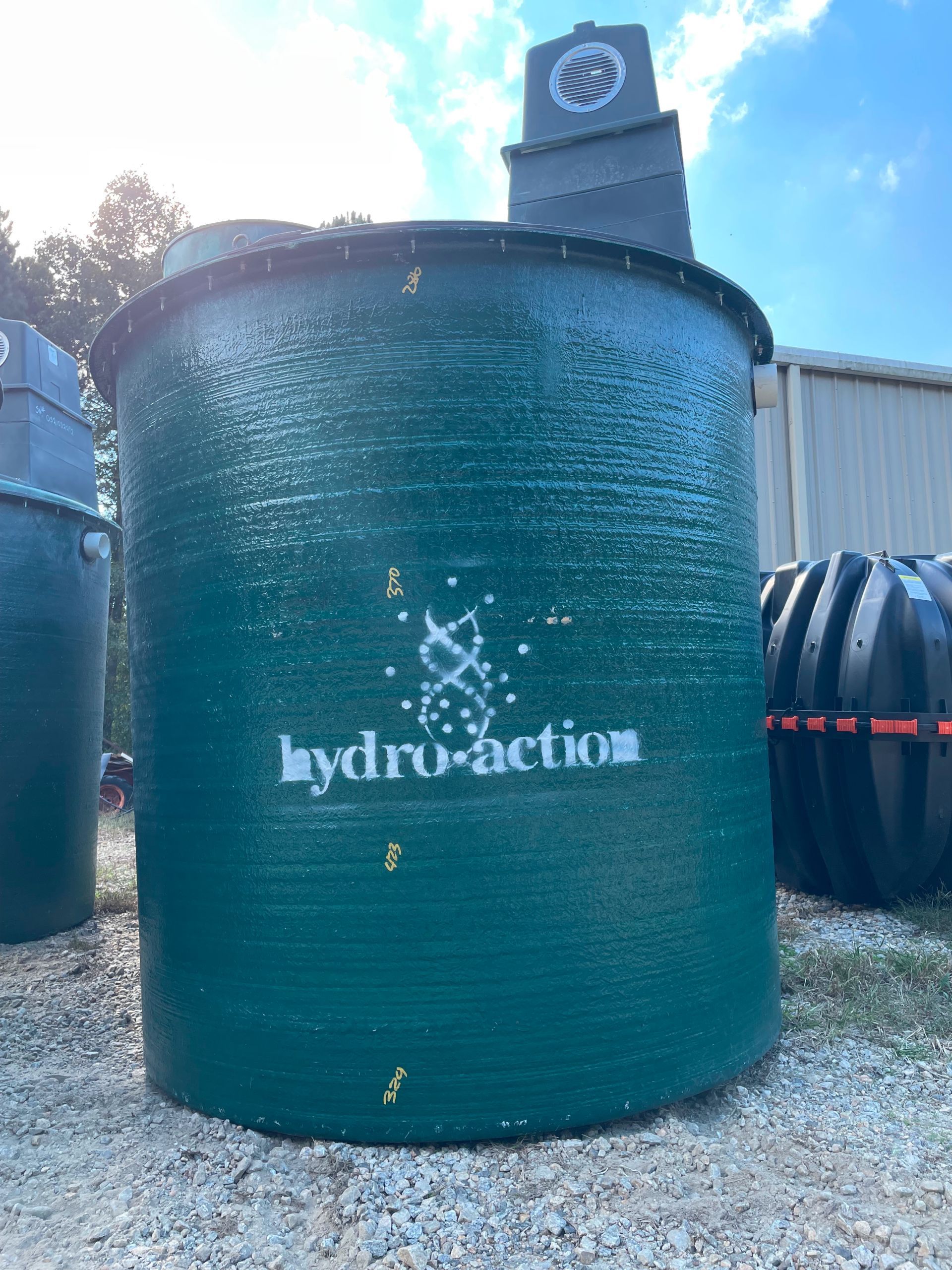
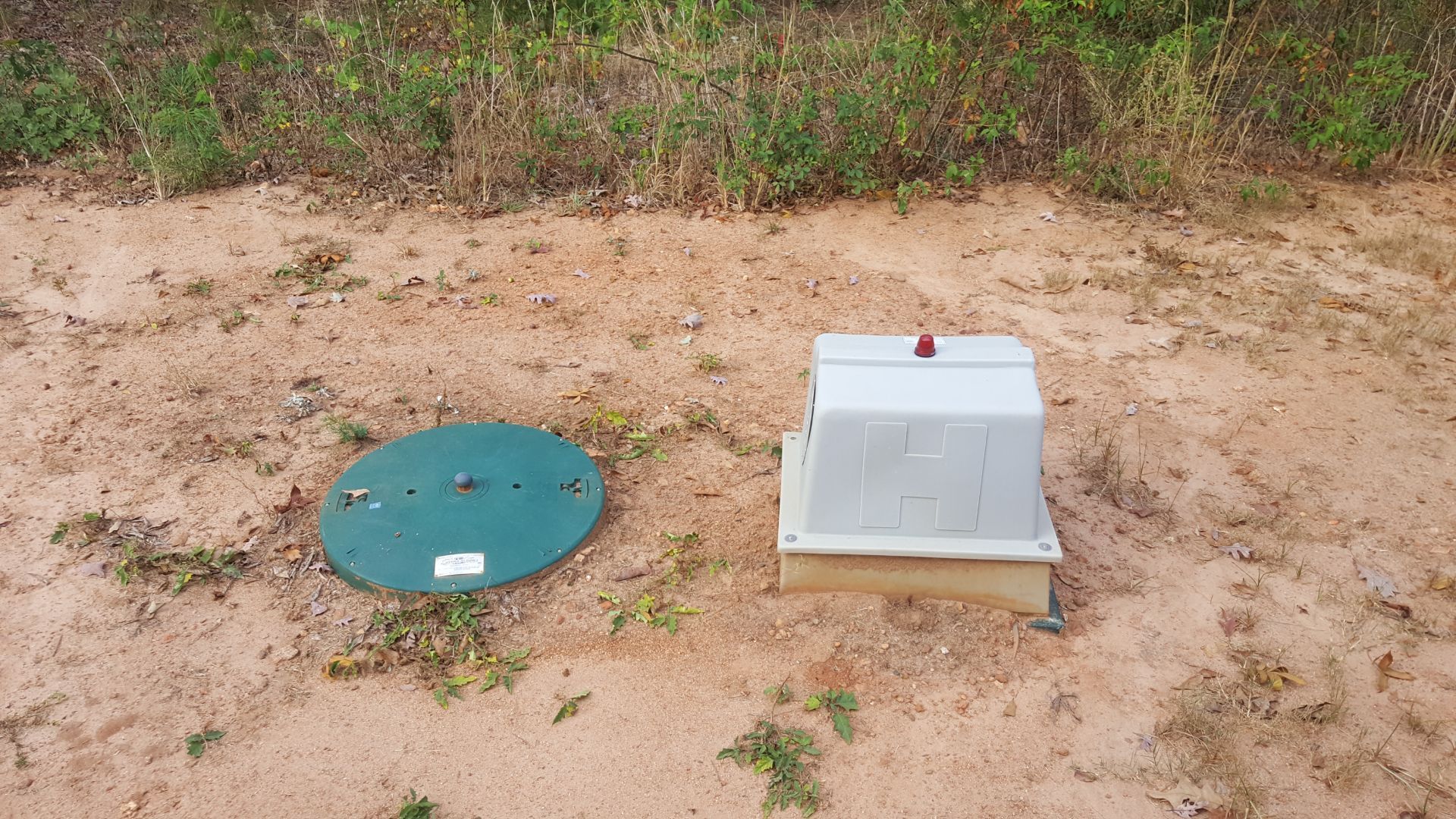
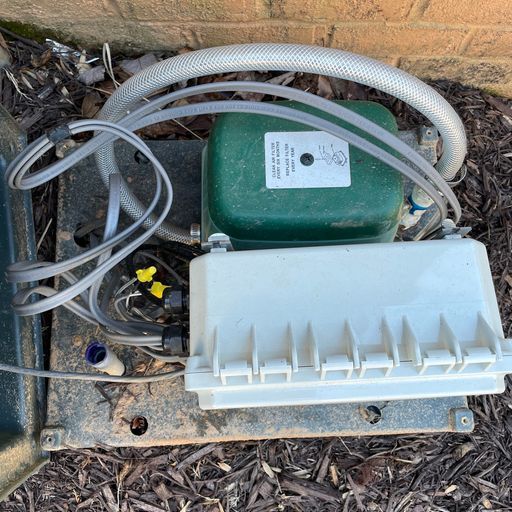
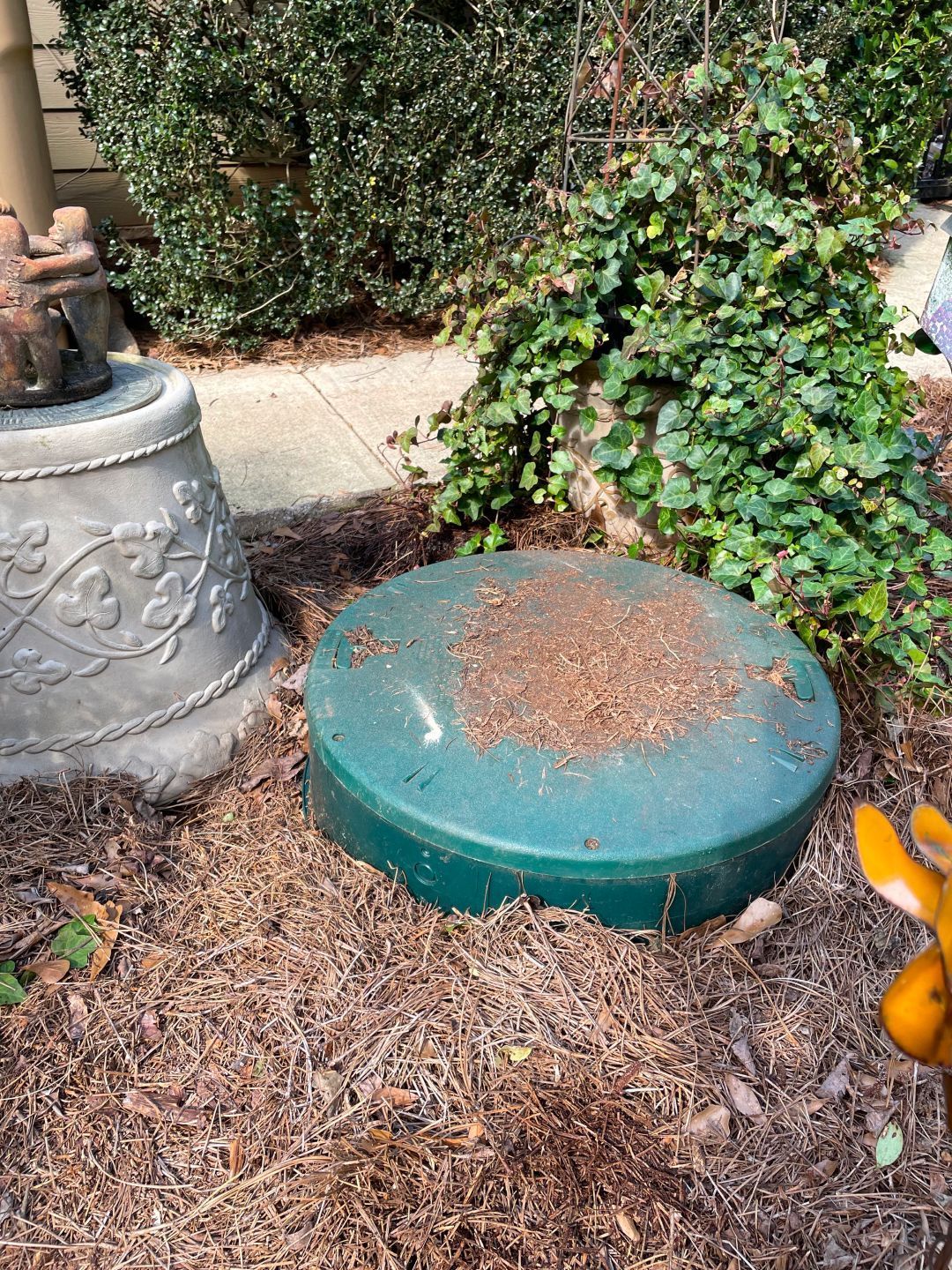
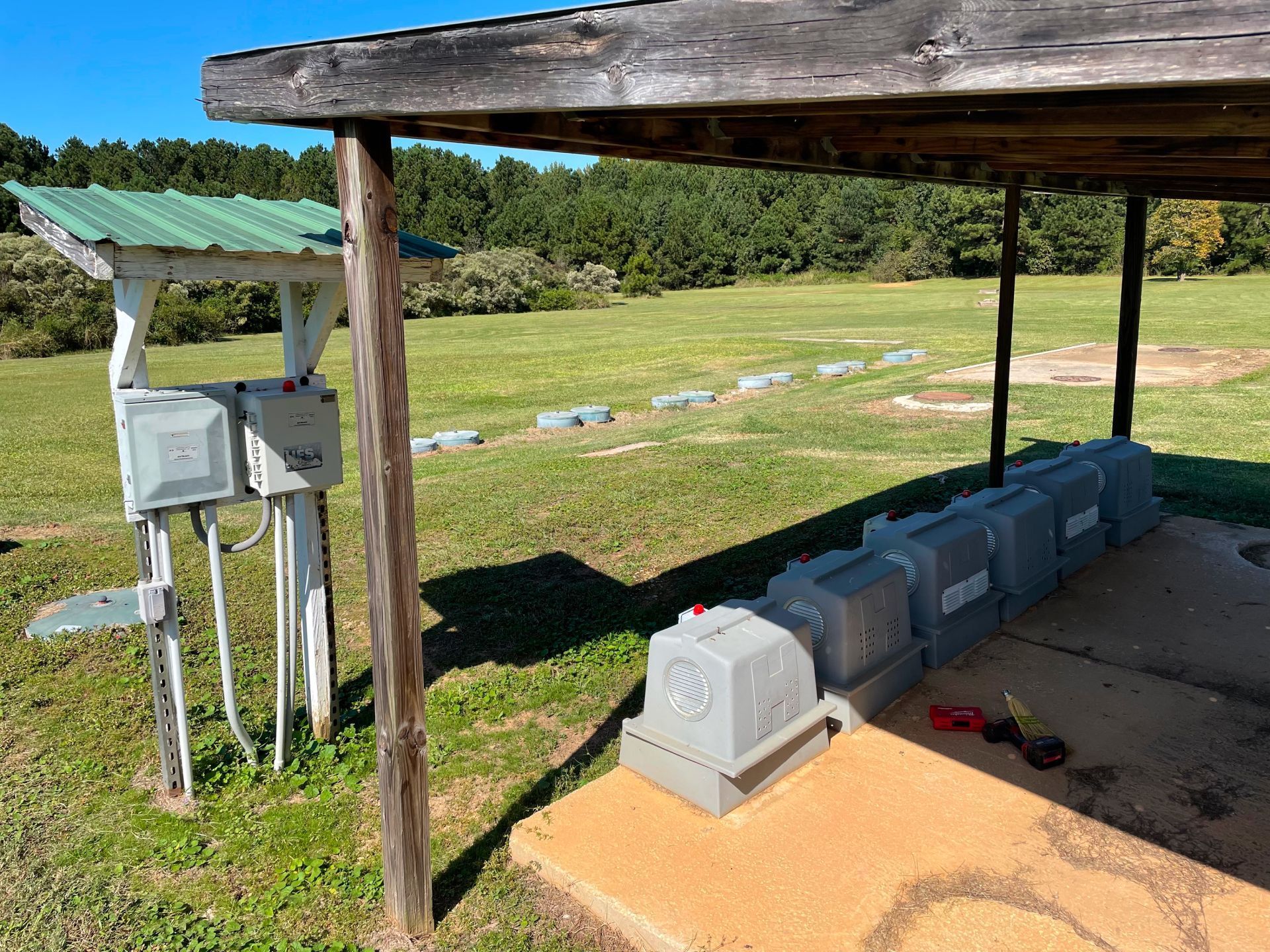
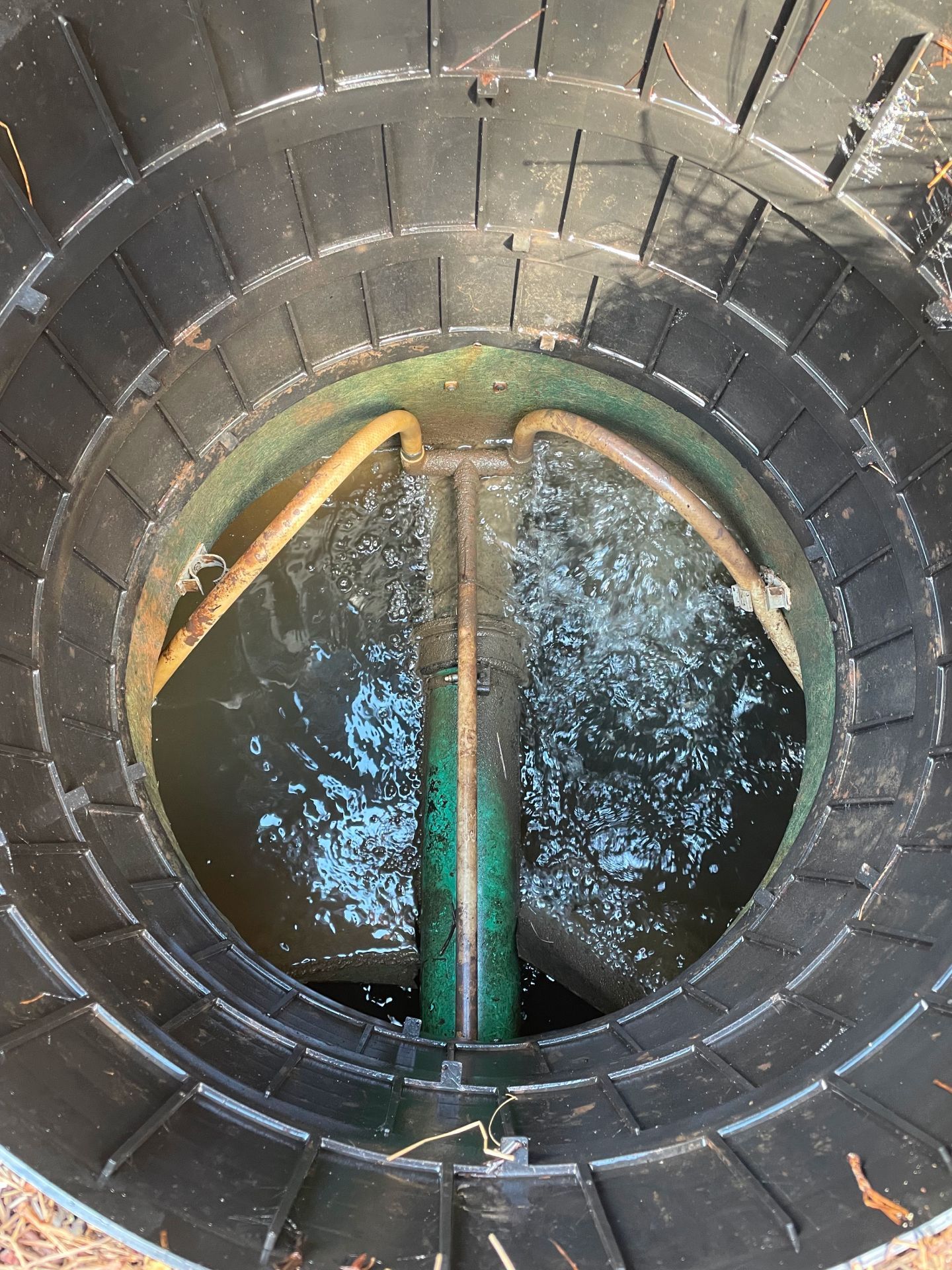
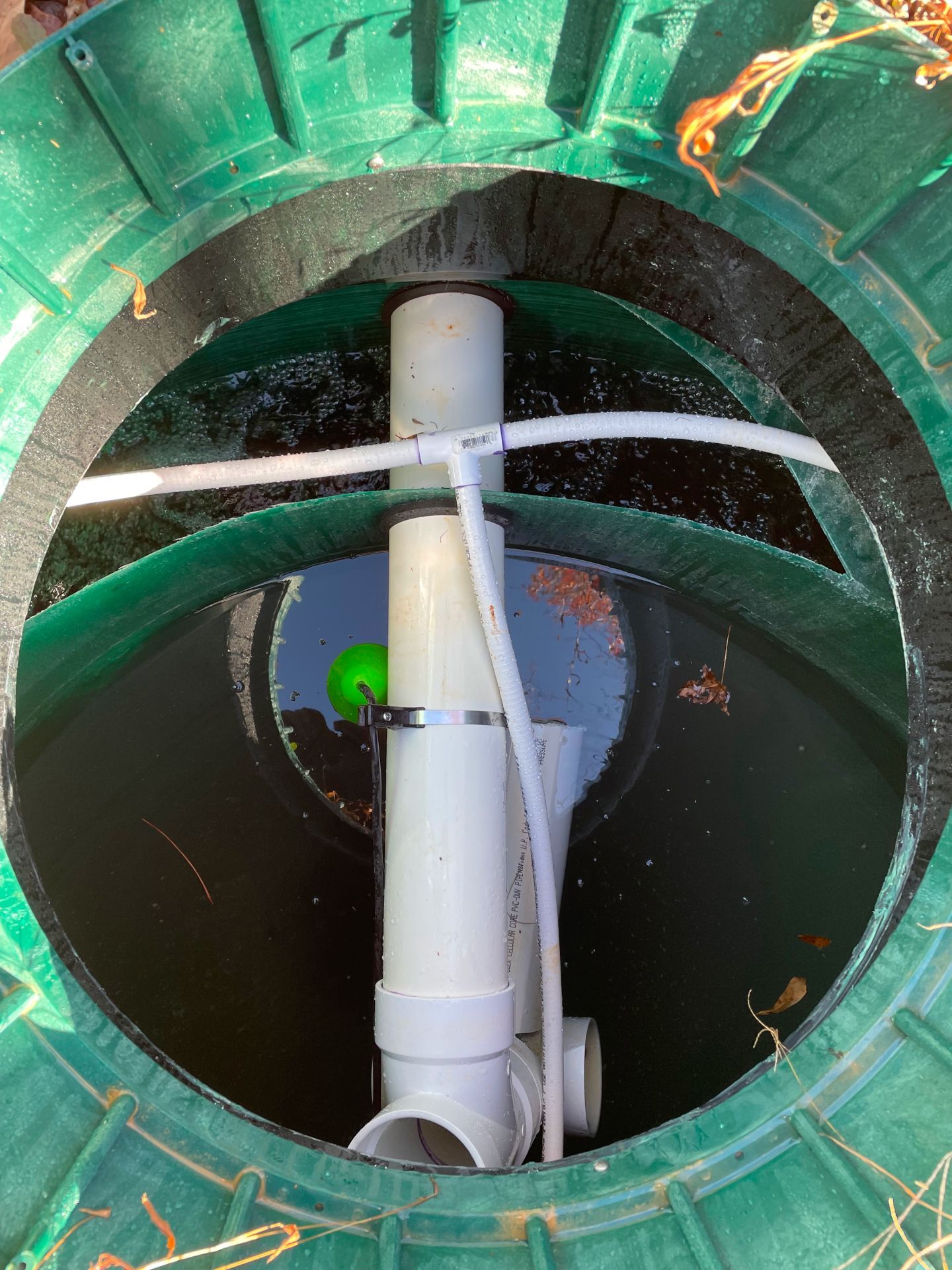
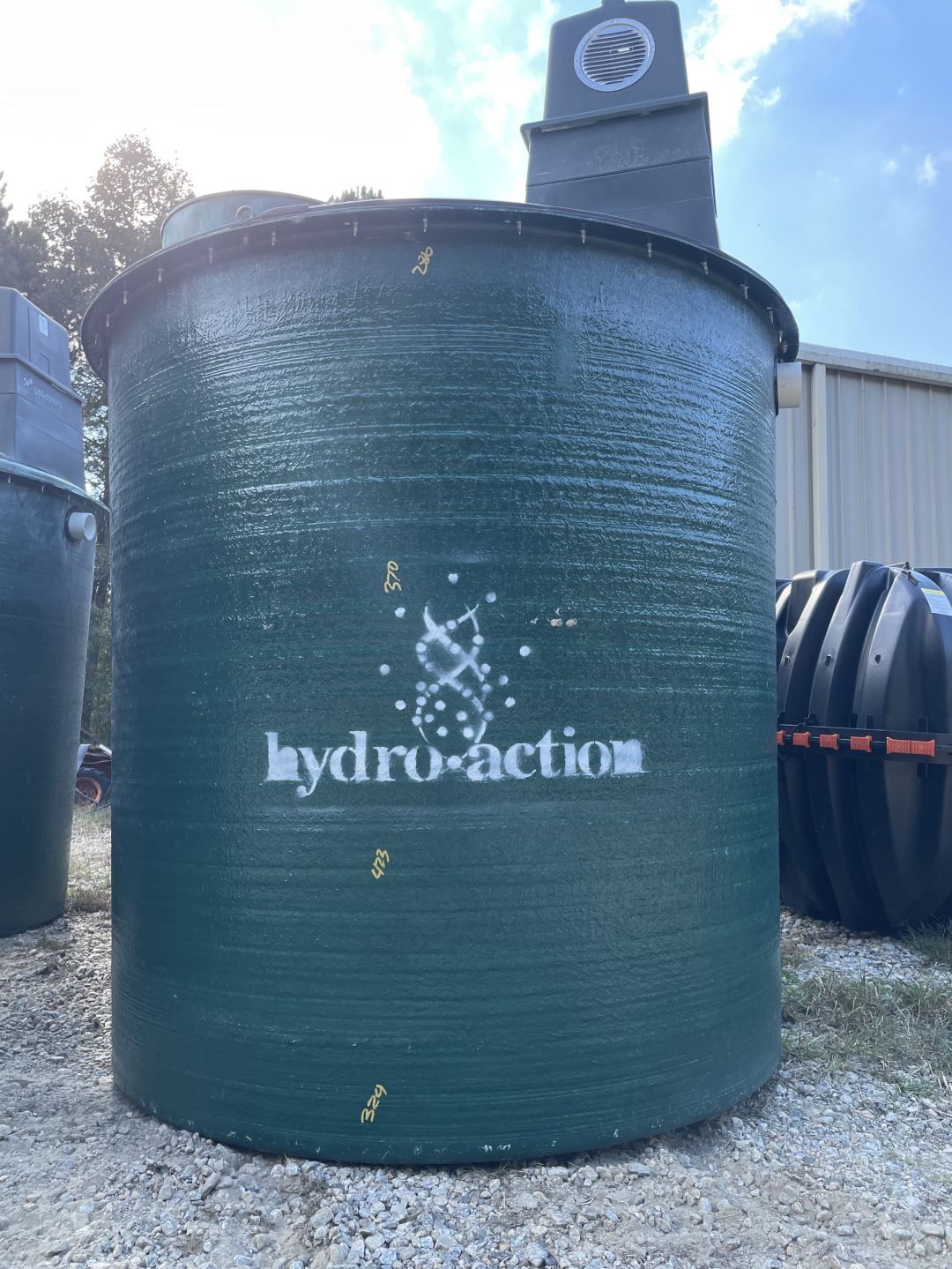
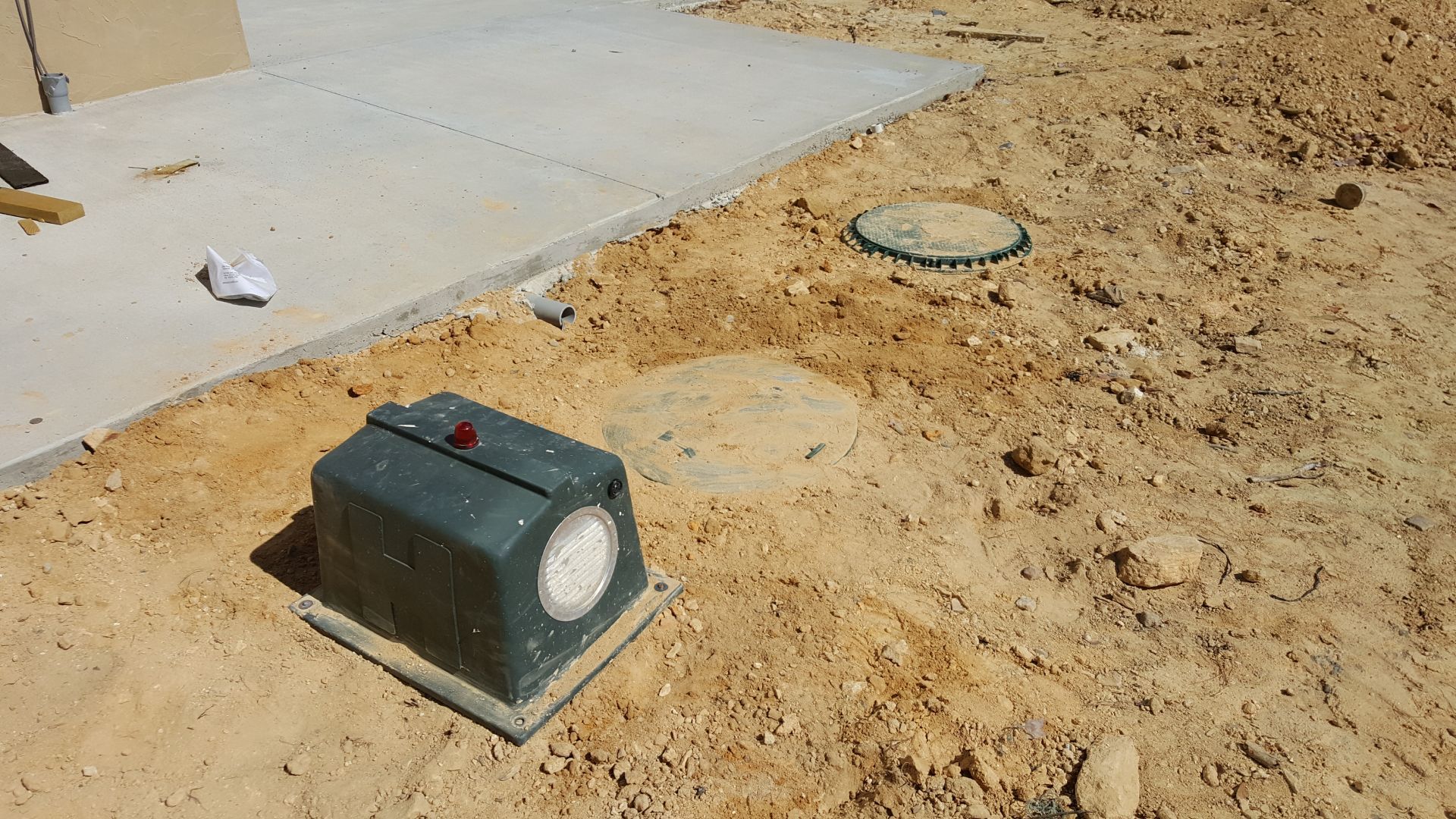
A conventional septic system is relatively straightforward to inspect. An aerobic treatment unit is not. ATUs include mechanical components such as air compressors, pumps, aeration chambers, and control panels, all of which must be evaluated as part of a thorough inspection. Each of those components plays a specific role in how the system treats waste, and a problem with any one of them can affect overall performance in ways that are not always visible on the surface.
A general inspection that does not account for these components is not a complete picture of where the system stands. For a buyer or seller, that incomplete picture can lead to surprises after the transaction closes.
Not Every Inspector Is Qualified to Evaluate an ATU
This is one of the most important things both buyers and sellers should understand. Alternative Septic Management has completed the state of Georgia and the manufacturer required advanced training to obtain the licensing and certification needed to work on ATUs and other advanced systems. Only a small percentage of all companies licensed to install septic systems have completed this additional training. That means qualified ATU inspectors represent a small segment of Georgia's licensed septic industry.
An inspector without ATU-specific training may be able to note obvious issues, but they are not positioned to evaluate the system with the depth and accuracy that ATU-specific certification provides.
What Sellers Should Know Before Listing
Get an Inspection Before You List
One of the more practical steps a seller can take is scheduling an inspection before the property goes on the market. Knowing where the system stands ahead of time gives you the opportunity to address any issues on your own schedule, without the pressure of a transaction timeline or a buyer's inspector surfacing something unexpected. A system in good, well-documented condition is also straightforward to communicate to prospective buyers.
Know Your Maintenance History
Buyers and their lenders will want to see service records, and this is especially relevant for ATU owners. Georgia requires ATU owners to maintain a service agreement that includes system checks at least every six months during the first three years after installation. Documentation of those visits is part of demonstrating that the system has been properly cared for. Gaps in that record can raise questions, so having organized maintenance history ready before listing is a practical step that helps the transaction move more smoothly.
Understand What Inspection Outcomes Mean
Septic inspection results typically fall into one of three categories: pass, conditional pass, or fail. A pass means the system is functioning as it should. A conditional pass usually indicates the system is operational but has one or more items that need attention. A fail means there is a problem significant enough that it needs to be resolved. Understanding these outcomes in advance helps sellers approach the inspection process with realistic expectations and a clearer sense of what their options are if the result is not a clean pass.
What Buyers Should Know Before Closing
Request an ATU-Specific Inspection
If you are purchasing a property with an ATU or Hydro-Action system, confirm before the inspection that the evaluator has the training and certification required to evaluate the system accurately. A general septic inspection is not the same as an inspection conducted by someone with ATU-specific knowledge. Asking about qualifications upfront is a reasonable step, and a qualified inspector should be able to speak directly to what they will be looking at and why.
Ask for the Maintenance and Service History
Before closing, request any available service records for the system. A well-maintained ATU will have documented service visits, and those records give you a clearer picture of how the system has been managed. If records are sparse or unavailable, that information should be factored into the negotiation before the transaction is finalized.
Factor the System's Condition Into the Negotiation
Inspection findings do not always have to derail a transaction. Depending on what is found, there are several paths forward, including asking the seller to address specific issues before closing, negotiating a price adjustment, or establishing an agreement around repairs. Understanding the condition of the system before closing gives buyers the information they need to make those decisions with clarity rather than uncertainty.
How We Help Buyers and Sellers With ATU Inspections
Septic inspections for real estate transactions are among the services we regularly provide at Alternative Septic Management. Our team has the state and manufacturer training required to thoroughly evaluate ATUs and Hydro-Action systems, which means buyers and sellers get an accurate picture of where the system stands, not just a surface-level assessment.
We serve residential and commercial properties throughout Monroe County and the surrounding counties, as well as the wider Metro Atlanta area.
Need an ATU Inspection Before Buying or Selling?
Whether you are preparing to list a property or working through due diligence on a purchase, we are glad to help. Give us a call or text at 404-788-3474 or
visit the website to schedule an inspection.