6 Innovative Alternative Septic Systems Available Today
Septic systems are a crucial part of any property not connected to a public sewer system. However, traditional septic systems are only sometimes practical or feasible, especially in areas with high water tables or poor soil conditions.
Fortunately, several innovative septic alternative systems are available today that offer improved efficiency, lower maintenance requirements, and reduced environmental impact.
This blog post will discuss some of the most innovative septic system alternatives available today.
1. Aerobic Treatment Systems
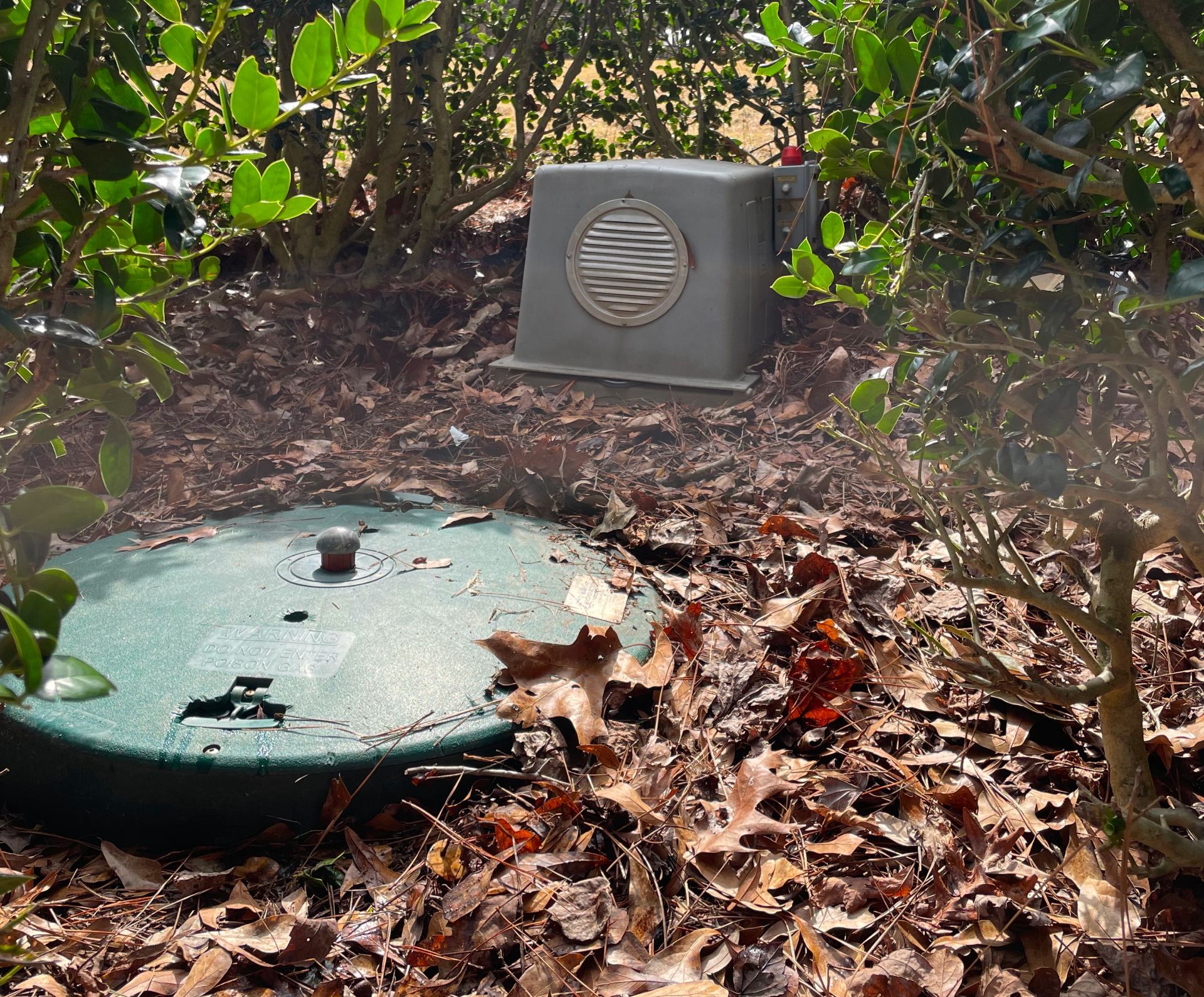
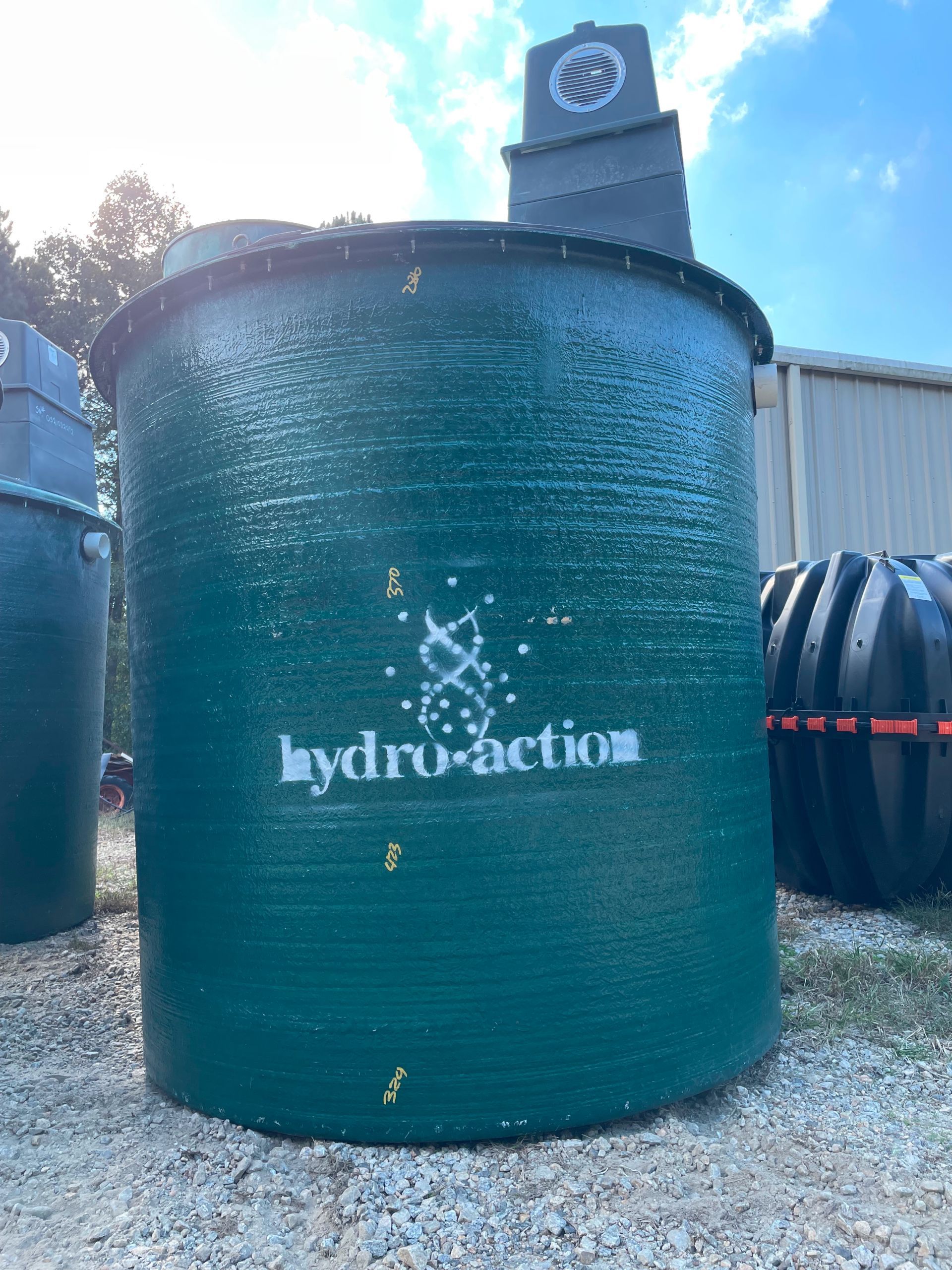
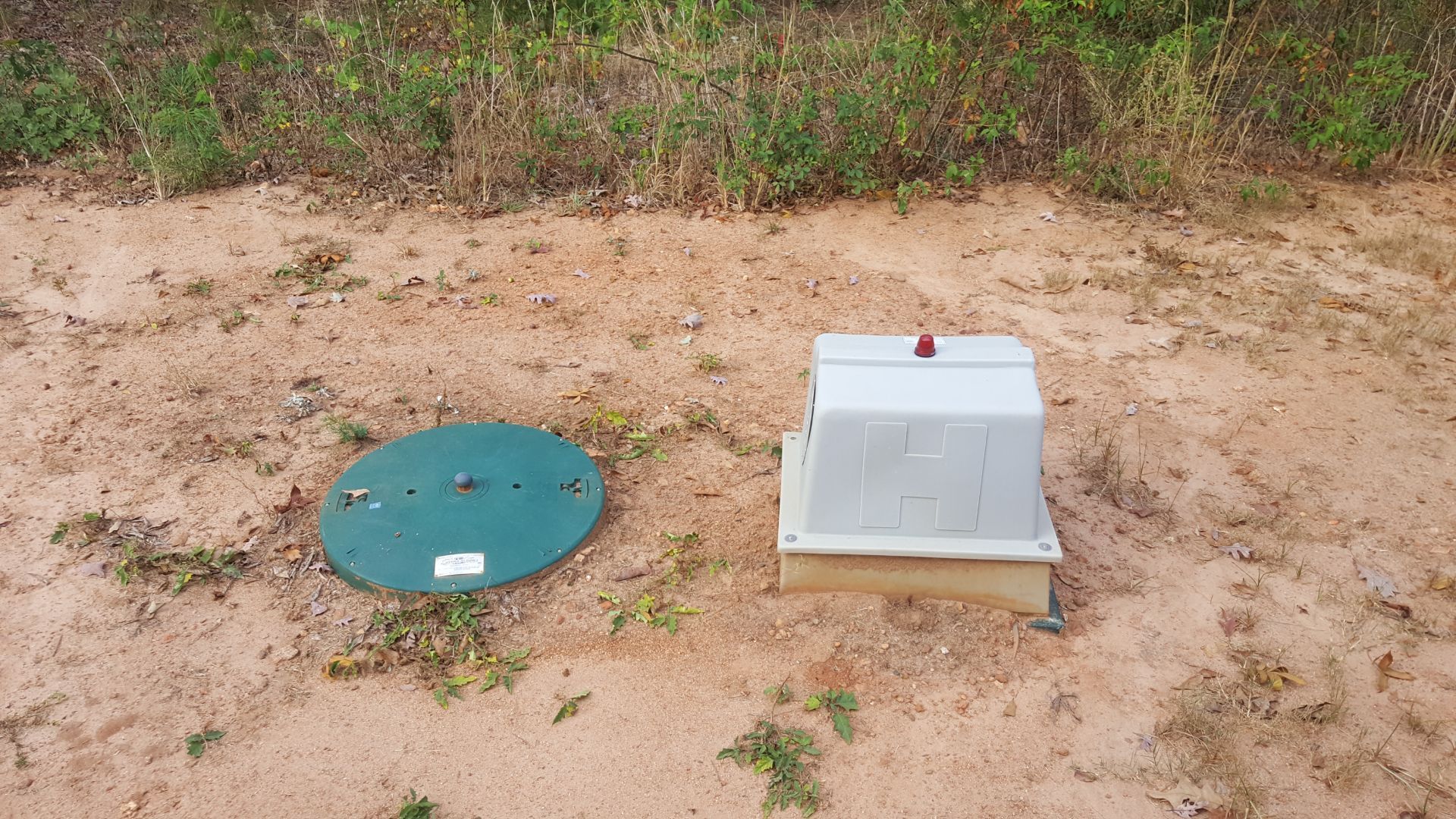
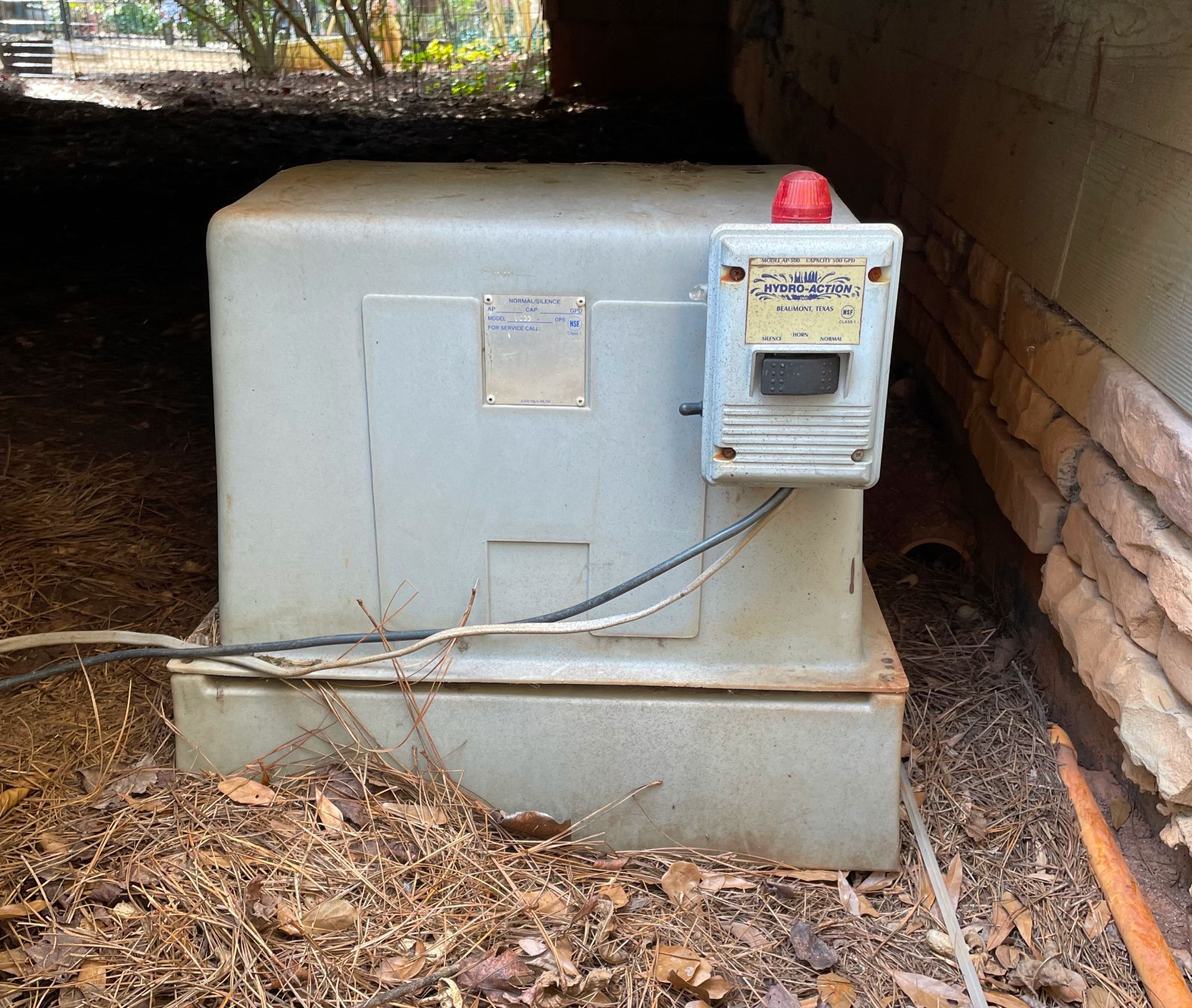
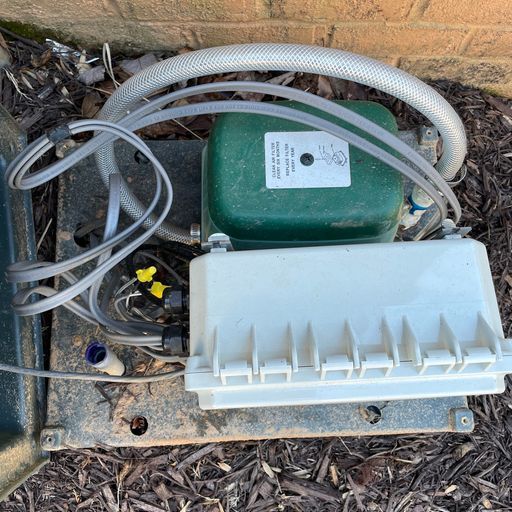
Aerobic treatment systems are an advanced version of traditional septic systems that use oxygen to break down organic material more efficiently. Unlike conventional septic systems, which rely on anaerobic bacteria, aerobic treatment systems use aeration to encourage the production of beneficial bacteria that break down waste more effectively. This results in cleaner effluent and reduced maintenance requirements. Aerobic treatment systems are helpful in areas with poor soil conditions.
2. Recirculating Sand Filters
Recirculating sand filters are alternative septic systems that use sand to filter effluent before it is released into the surrounding soil. The system recirculates the effluent several times through the sand filter to ensure it is thoroughly treated before discharge. This results in cleaner effluent and reduced environmental impact. Recirculating sand filters are an excellent option for areas with high water tables or where traditional septic systems are not workable.
3. Peat Biofilters
Peat biofilters are an eco-friendly alternative septic system that uses peat moss to filter effluent. The system passes the effluent through a bed of peat moss containing beneficial bacteria that break down the waste. The peat moss also acts as a natural filter, removing impurities from the effluent before releasing it into the surrounding soil. Peat biofilters are perfect for areas with poor soil conditions or where you cannot work with traditional septic systems.
4. Constructed Wetlands
Constructed wetlands are an innovative alternative septic system that mimics the natural process of wetland filtration. The system passes effluent through a series of shallow, planted wetland cells, where beneficial bacteria and plants work together to break down the waste. The wetland cells also act as a natural filter, removing impurities from the effluent before it is discharged. Constructed wetlands are considerable, especially in poor soil conditions.
5. Mound Systems
Mound systems are alternative septic systems that use a raised bed of sand, gravel, and soil to filter effluent. The system works by pumping effluent from the septic tank to the top of the mound, distributed through a network of perforated pipes. The effluent then filters through the sand and gravel, where beneficial bacteria and plants work together to break down the waste. This option is better for high water tables or where traditional septic systems are not feasible.
6. Evapotranspiration Systems
Evapotranspiration systems are alternative septic systems that use plants to filter effluent. The system distributes effluent through a network of perforated pipes in a planted area. The plants then absorb the effluent and release it into the air through transpiration. The system is handy in areas with poor soil conditions or whenever traditional septic systems are not applicable.
Conclusion
Alternative septic systems offer improved efficiency, lower maintenance requirements, and reduced environmental impact compared to traditional septic systems. Aerobic treatment systems, recirculating sand filters, peat biofilters, constructed wetlands, mound systems, and evapotranspiration systems are some of the innovative alternative septic systems available today. When selecting an alternative septic system, it is essential to consider factors such as soil conditions, water tables, and local regulations to ensure the system is effective and compliant.
Alternative Septic Management, Inc. is a reliable and professional company providing top-notch alternative septic services for residential and commercial properties. Our team of experts offers exceptional services that cater to your unique needs, ensuring that your septic system functions optimally. Contact our team today for
septic system alternatives, repairs, and maintenance, and let us help you with having an appropriately functioning septic system. We strive to provide the best possible solutions.