Comprehensive Guide to Drain Field Repair

May 7, 2024

When it comes to maintaining the health and efficiency of your septic system, understanding the intricacies of drain field repair is crucial. The drain field, an essential component of any septic system, is responsible for removing contaminants from the liquid that emerges from your septic tank. Over time, however, these fields can experience problems due to clogging, system aging, or improper usage, which can compromise their functionality. This can lead to unsanitary conditions and significant repair costs if not addressed promptly. In this article, we dive deep into everything you need to know about drain field repair, from recognizing early warning signs to exploring repair options and preventive measures. With insights from Alternative Septic Management, Inc. in Georgia, discover how to manage, maintain, and repair your drain field effectively, ensuring your septic system's longevity and reliability.


Recognizing Signs of Drain Field Failure


Detecting early signs of a failing drain field is crucial to avoid more significant problems down the line. One of the first signs to look out for is slow drainage in your home. If you notice that sinks and toilets drain slower than usual, it could indicate a problem. Additionally, water pooling in the yard, particularly around the drain field area, often signifies saturation due to clogs or failure in the system. Another alarming sign is an unpleasant odor. If you detect sewage smells in your yard or near the drainage area, it's essential to act quickly.


Grass around the drain field area that looks unusually healthy compared to other parts of your yard can also signal an issue. While it may seem beneficial at first, lush grass here often results from an excessive amount of moisture, which is neither normal nor desirable. Moreover, if your water tests show a high level of nitrates, it could be due to improper filtration by a failing drain field.


Understanding Septic Tank Drain Field Repair


When it comes to septic tank drain field repair, it's essential to understand what this process entails to recognize the steps that professionals take. Typically, the repair process begins with an assessment by experienced technicians who will examine the extent of the damage. They might conduct dye tests or employ video inspections to pinpoint the exact locations of the issues.


Depending on the detected problems, several repair methods can be applied. One common approach is the flushing and cleaning of drain pipes, often enhanced by high-pressure water jetting, which can clear minor clogs and accumulated debris effectively. Another solution might involve repairing or replacing damaged pipes, particularly if they are crushed or broken. In more severe cases, part or the entirety of the drain field might need to be reconstructed or rerouted, which is typically more expensive and time-consuming.


Septic Drain Field Repair Near Me: Finding the Right Help


Finding the right professional for septic drain field repair is crucial as attempting DIY repairs without proper knowledge can further harm your system. To locate a reputable service provider, start by searching for "septic drain field repair near me" online and review the companies that come up. Check their credentials, look for customer reviews, and ensure they have experience with drain field issues similar to yours.


It is also advisable to verify that the service provider is licensed and insured, which protects your property and investment. Considering a service provider who offers a detailed assessment and upfront pricing is beneficial as well. This transparency helps you understand what the repair might involve and estimate the overall cost ahead of time.


Costs Associated With Septic Tank Drain Field Repair


Understanding the costs involved in septic tank drain field repair is important for planning and decision-making. The repair cost can vary significantly depending on the extent of the damage and the required repair type. Minor repairs such as unclogging or jetting might cost a few hundred dollars, whereas more extensive repairs like pipe replacement or new drain field installation can escalate into several thousand.


Variables that influence repair costs include the size of your septic system, the extent of damage, the soil type, and the region where you live. Some geographic locations might have higher labor costs or specific soil types may require more extensive excavation efforts, which adds to the overall price. Always obtain quotes from multiple providers to ensure you get a fair price for the services required. Transparency in pricing, as previously mentioned, is also crucial to avoid unexpected expenses.


Understanding these aspects of drain field repair enriches your knowledge about your septic system and prepares you for effective management of potential issues. Remember, proactive maintenance and timely repair are crucial to extending the life of your septic system and avoiding more expensive and extensive repairs down the road. Each aspect of recognizing problems, understanding repair mechanisms, finding reliable professionals, and budgeting for repairs is integral to maintaining a well-functioning drain field and, by extension, a healthy, efficient septic system.


Safeguarding Your Septic System


Maintaining the health and efficiency of your septic system, particularly the drain field, is crucial for preventing costly repairs and environmental damage. Recognizing early warning signs, understanding the repair process, choosing the right professionals, and being aware of associated costs are all key aspects to effectively managing potential issues. By taking proactive measures and partnering with trusted professionals like Alternative Septic Management, Inc., you can ensure that your septic system operates smoothly and continues to meet your needs sustainably.


For expert maintenance and
septic tank drain field repair services in Georgia that extend the life and efficiency of your septic system, don't hesitate to contact Alternative Septic Management Inc. Let us help you manage your septic needs with reliability and expert care. Schedule a consultation or learn more about our comprehensive septic services tailored to your unique needs.e.
December 3, 2025
Holiday gatherings can overload aerobic treatment units. Alternative Septic Management helps Georgia homeowners prevent ATU strain with maintenance, inspections, and smart water-use tips for a trouble-free season.
November 11, 2025
Cold weather can impact ATU performance. Alternative Septic Management helps Georgia homeowners protect aerobic treatment units from freezing, power loss, and rain with expert inspections, maintenance, and winter care services.
October 19, 2025
Heavy rain can overwhelm aerobic treatment units in Georgia. Learn how Alternative Septic Management helps homeowners prevent flooding, oversaturation, and system damage through expert inspection and maintenance.
October 3, 2025
Learn how to detect and prevent early root intrusion in aerobic treatment units. Alternative Septic Management helps Georgia homeowners protect septic systems with expert inspections and reliable service.
September 30, 2025
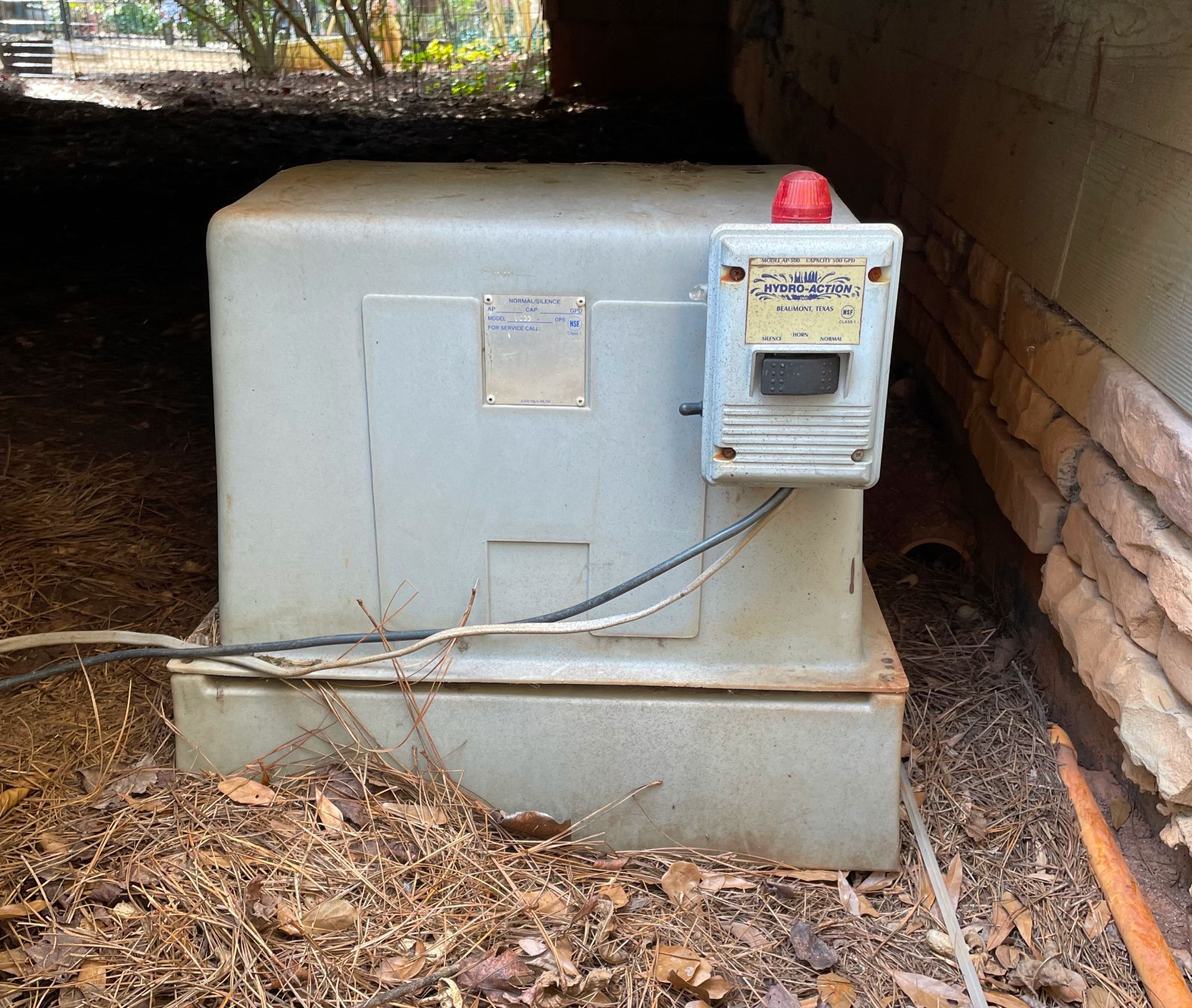
Get your Hydro-Action aerobic treatment unit ready for fall and winter with expert service from Alternative Septic Management. We help Georgia homeowners protect their systems from freezing, heavy rains, and holiday overuse.
September 8, 2025
Prepare your septic system this fall with expert service from Alternative Septic Management. Serving Georgia homeowners, we provide inspections, pumping coordination, and Hydro-Action ATU care to prevent problems before winter and holiday gatherings.
August 20, 2025
Protect your home and avoid costly repairs with expert septic inspections from Alternative Septic Management. Serving Georgia homeowners, we detect issues early, extend system life, and ensure compliance with local regulations.
August 6, 2025
Why Environmentally Responsible Systems Matter in Georgia Water Resource Protection In Georgia, protecting natural water resources is critical. Our state depends on groundwater, lakes, rivers, and wetlands for drinking water, recreation, and agriculture. Improperly managed wastewater from septic systems can introduce contaminants such as nitrates, phosphates, and harmful bacteria into the soil and water supply. This not only threatens human health but can also degrade entire ecosystems. At Alternative Septic Management, we believe that responsible wastewater treatment begins with choosing systems that support long-term water quality. Growing Local Regulations Georgia counties are increasingly tightening their environmental standards regarding septic systems. Many areas now require more advanced wastewater treatment solutions, particularly in locations near wetlands, flood zones, or community wells. These changes are driven by the need to control pollution and minimize health risks. Hydro‑Action systems meet or exceed these regulatory expectations. As specialists in advanced septic technologies, we help Georgia homeowners stay compliant by installing systems that align with state and local standards. How Hydro‑Action Systems Support Long-Term Sustainability Aerobic Treatment Reduces Contamination Hydro‑Action systems use aerobic treatment processes that infuse oxygen into wastewater to support aerobic bacteria, which are more efficient than anaerobic organisms in breaking down organic waste. This technology produces effluent that is significantly cleaner than that from traditional septic tanks. The result is wastewater that poses less risk to the surrounding environment and water supply. Cleaner Effluent Helps Preserve Ecosystems When effluent enters the soil at a higher quality, it requires less natural filtration and is less likely to pollute water sources. This is particularly important in Georgia, where many homes are located near lakes, streams, and protected land. Advanced treatment systems help preserve these ecosystems by reducing nutrient loads and limiting bacterial contamination that can harm wildlife and aquatic environments. Smart Habits for Efficient and Safe Septic System Operation Use Septic-Safe Cleaning Products Many household cleaners contain harsh chemicals that can damage the delicate bacterial balance inside your septic system. These include bleach, ammonia, and chemical drain cleaners. When introduced into a Hydro‑Action aerobic system, these substances can kill off the beneficial bacteria that are critical to waste breakdown. We advise using biodegradable and septic-safe products to help maintain bacterial health and prevent system malfunctions. Avoid Flushing or Draining Harmful Materials Proper septic care also means being mindful of what goes down your drains. Items like grease, oils, disposable wipes, feminine hygiene products, coffee grounds, and prescription medications can create clogs, kill bacteria, or damage mechanical components. Even in advanced systems like Hydro‑Action systems, introducing the wrong materials can lead to costly repairs and premature system failure. Maintain Bacterial Balance Through Scheduled Maintenance Routine service is not optional for aerobic treatment systems; it’s essential. Hydro‑Action systems rely on an optimal environment within the treatment chamber to keep bacteria levels healthy and effective. Regular maintenance includes checking the aerator, cleaning filters, and making sure the system isn’t overloaded. At Alternative Septic Management, we offer recurring service plans that help homeowners stay on schedule and avoid performance issues. What Sets Alternative Septic Management Apart Commitment to Environmental Responsibility Our company is built on a foundation of environmental stewardship. Every Hydro‑Action system we install is an opportunity to reduce the environmental impact of wastewater treatment in Georgia. From day one, our goal is to help homeowners make smart, sustainable choices that benefit both their properties and the wider community. We don’t cut corners, and we never recommend a system that doesn’t suit your land or meet your goals for performance and safety. Custom Systems for Maximum Efficiency No two properties are the same. That’s why our Hydro‑Action installations begin with a thorough site evaluation. We assess slope, water table level, soil type, and regulatory constraints before designing a system. Our customized approach ensures that your septic solution is both effective and efficient, regardless of whether your property is urban, rural, hilly, or close to water. Why Proactive Septic Choices Make a Lasting Difference Many homeowners wait until a problem arises before considering an upgrade or new installation. But taking a proactive approach is often more affordable and environmentally sound. Investing in an advanced treatment system like the Hydro‑Action system early on prevents future issues, protects local resources, and gives homeowners peace of mind. These systems are not just for regulatory compliance. They’re long-term investments in your home’s value and functionality. In Georgia’s growing residential areas, responsible wastewater treatment is no longer optional. It’s a necessary part of being a good neighbor, protecting public health, and preserving the natural beauty of the state. At Alternative Septic Management, we believe every household can contribute to cleaner water and better living conditions by choosing the right system and keeping it properly maintained. Take the Smarter Step Toward Sustainable Septic Solutions If you’re planning to install a new septic system or want to upgrade an aging one, consider how your choice can impact the land and water around you. A Hydro‑Action system offers more than performance. It supports long-term environmental quality, regulatory compliance, and peace of mind. When you partner with Alternative Septic Management, you gain access to decades of experience, state-of-the-art technology, and a team that prioritizes your needs and Georgia’s future. Call us today at (404) 788-3474 or visit our website to learn more about Hydro‑Action systems and schedule a consultation . Let’s build a cleaner, safer future together, starting with your septic system.
July 20, 2025
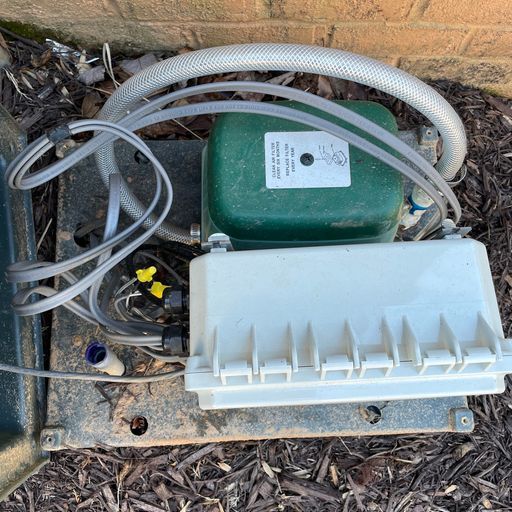
At Alternative Septic Management, we specialize in maintaining Hydro‑Action aerobic treatment systems for homeowners throughout Georgia. These advanced septic systems provide excellent wastewater treatment, but only when they’re properly maintained. Ignoring scheduled maintenance can lead to serious and expensive issues. In this blog post, we’ll walk through how routine care protects your investment and helps prevent costly repairs. The Role of Hydro‑Action Systems in Georgia Homes Hydro‑Action systems are aerobic treatment units (ATUs), which treat wastewater using oxygen and beneficial bacteria. Why Aerobic Systems Need Regular Maintenance Unlike conventional anaerobic systems, Hydro‑Action units rely on a delicate balance of mechanical components and microbial processes. Oxygen is pumped into the system to support aerobic bacteria, which break down waste more effectively than anaerobic bacteria. For the system to function properly, airflow, component cleanliness, and bacterial health must all be monitored and maintained consistently. What Happens Without Regular Maintenance Even a well-designed system like Hydro‑Action can develop serious problems if regular care is neglected. Bacteria Imbalance When the aerobic bacteria inside your system are not supported with enough oxygen or become overrun by anaerobic organisms, treatment efficiency drops. You may notice unpleasant odors or a decline in effluent quality. This imbalance increases the risk of environmental contamination and system failure. Filter and Diffuser Blockages Over time, filters and diffusers collect debris and biological buildup. When these components clog, airflow is restricted, starving the aerobic bacteria of oxygen. This reduces treatment efficiency and may activate your system's alarm. Clogged filters are one of the most common causes of minor failures that become major if ignored. Motor or Aerator Failure The aerator is a crucial component that delivers oxygen into the treatment chamber. If it fails, the system essentially reverts to an anaerobic state. These motors can burn out from overuse or become damaged due to exposure or clogging. Replacing a motor is far more expensive than regular service visits to inspect and clean the system. Key Maintenance Tasks for Peak Performance At Alternative Septic Management, we follow a detailed maintenance protocol specifically for Hydro‑Action systems. Inspections Our technicians perform a thorough system inspection every service visit. We check aerator operation, effluent levels, system alarms, and the condition of each treatment chamber. These routine checks help us spot wear on components and early signs of trouble before they become costly repairs or replacements. Cleaning Diffusers and Filters Clean filters and diffusers ensure consistent oxygen flow to aerobic bacteria. If these components become clogged, the entire treatment process slows down or stops. During maintenance, we remove, clean, and if needed, replace filters and diffusers to keep the system running efficiently. Testing Air Output We use professional equipment to test the air pressure produced by your aerator. If the air output falls below specifications, we investigate further to ensure that the motor, tubing, and diffusers are all working correctly. Low airflow is often the first sign of mechanical failure, so regular pressure checks are essential. Signs Your Hydro‑Action System Is Due for Service Routine maintenance is ideal, but certain warning signs may indicate that your system needs immediate attention. Alarm Activation Most Hydro‑Action systems are equipped with an alarm that alerts you to operational problems such as electrical failure, motor issues, or abnormal water levels. If your alarm sounds, do not ignore it. Checking and taking care of any issue quickly may prevent a serious backup or failure. Odors Around the System Foul or persistent odors near your septic system are a strong indication that the system is not processing waste properly. This could be due to a clogged filter, bacterial imbalance, or a failed aerator. Sluggish Drains or Backups If drains in your home begin to slow down or you experience minor backups, the issue may be connected to septic system performance. Early intervention through inspection and maintenance can often resolve the issue without expensive repairs. Alternative Septic Management’s Maintenance Services We offer full-service Hydro‑Action maintenance throughout Georgia to keep your system in top condition. Scheduled Service Plans We offer recurring maintenance plans tailored to your system’s needs. These plans typically include two service visits per year, ensuring your system remains compliant with Georgia health regulations and functions at its best year-round. Trained Technicians and Fast Response Times Our experienced technicians are fully trained in Hydro‑Action systems and other aerobic treatment units. We use manufacturer-approved methods and diagnostics to identify and correct issues quickly. In the event of a system alarm or performance issue, we’re ready to respond promptly to avoid damage. Local Knowledge and Customer Care As a Georgia-based company, we understand the unique challenges posed by the region’s soil types, rainfall patterns, and regulatory requirements. You can count on us for honest recommendations, reliable service, and long-term care of your aerobic treatment system. Extend the Life of Your System With Expert Care When it comes to Hydro‑Action ATUs, proactive care is far more cost-effective than reactive repairs. At Alternative Septic Management, we help homeowners protect their systems, preserve property value, and avoid stressful emergencies. Routine maintenance keeps your system efficient, compliant, and built to last. Call us today at (404) 788-3474 or visit the website to schedule your next Hydro‑Action service visit or to learn more about our ongoing maintenance plans. We’ll inspect your system, clean essential components, and keep everything running smoothly.
July 7, 2025
At Alternative Septic Management, we specialize in supporting Georgia homeowners with aerobic treatment units (ATUs) . One of the most critical components of an ATU is the pump. It plays a key role in transporting treated effluent to the drain field. When the pump starts to fail, system-wide problems can follow. Recognizing the warning signs early helps prevent serious damage, system backups, and costly repairs. 1. Slow Drains and Backups in the Home What It Looks Like One of the earliest signs of septic pump trouble is slow drainage in your sinks, tubs, or toilets. You might also notice wastewater backing up into household fixtures. These problems typically indicate that the pump is no longer moving effluent efficiently out of the tank. Why It Happens When the pump isn’t functioning properly, effluent builds up in the tank and has nowhere to go. This can cause pressure to build in the pipes and slow or reverse drainage. Ignoring this issue can lead to backups and unsanitary conditions. 2. Alarm Activation or Warning Lights Understanding Your System’s Alerts Most aerobic systems come equipped with alarms or indicator lights designed to alert homeowners to system malfunctions. If your alarm sounds or a warning light appears on the control panel, it’s your system telling you something is wrong, often with the pump. What It Could Mean High water levels in the tank Electrical problems preventing the pump from running Mechanical failure of the pump motor Even if everything else seems to be working, always take alarm signals seriously. A quick inspection can save you from a system failure later. 3. Unpleasant Odors Around the Tank or Drain Field Why Odors Matter Foul smells near your septic tank or drain field often signal trouble. In an aerobic system, odors suggest that wastewater isn’t being treated or moved out of the system correctly. When the Pump Is To Blame If the pump fails, partially treated effluent can accumulate in the tank. This creates an anaerobic environment, leading to odors similar to rotten eggs (hydrogen sulfide). These odors are not just unpleasant—they indicate incomplete treatment and potential health risks. 4. Standing Water or Wet Spots in the Drain Field Spotting the Problem During dry weather, your drain field should not have pooling water or overly wet soil. If it does, this may indicate that the pump isn’t properly dosing the drain field, allowing too much effluent to accumulate in one area. Possible Pump-Related Causes Uneven or infrequent dispersal of effluent Total pump failure causing overflow High-volume discharge overwhelming the field Standing water poses environmental concerns and can lead to long-term damage to your drain field infrastructure. 5. High Water Levels in the Septic Tank How To Check the Water Level Many aerobic systems are built with risers that allow visual inspection of the tank’s water level. If you observe water near the top or spilling into components it shouldn't reach, this is a sign the pump isn’t moving effluent as designed. Why It Happens When the pump stops working or is not operating on schedule, effluent builds up in the treatment tank. Continued water use in the home causes the tank to overfill, which may eventually trigger the high-water alarm or backflow into the house. What Causes Aerobic Pump Failure? Common Mechanical and Environmental Factors Understanding the source of pump failure can help prevent future problems. Here are some of the most frequent causes: Age and general wear over time Clogs caused by debris or a lack of filter maintenance Electrical issues, such as damaged wiring or failed float switches Overuse or increased water demand Poor system design or installation Routine inspections help identify these issues before they escalate into emergencies. How Alternative Septic Management Handles Pump Repairs Our Expert Diagnostic Approach At Alternative Septic Management, we bring years of experience diagnosing and resolving ATU issues. When we respond to a pump problem, we: Inspect the pump chamber and electrical connections. Evaluate the control panel and float switches. Test pump cycling and flow. Recommend repair or replacement based on condition and system age. Reliable Repair and Replacement Services If your pump can be repaired, we carry out the work using parts approved for your system. If a replacement is necessary, we install a high-efficiency, durable pump that meets Georgia regulations and your household needs. Maintenance To Prevent Recurrence We offer ongoing service plans that include scheduled inspections, cleaning, and system adjustments. Preventive maintenance is the key to long-term performance and avoiding repeated pump failures. Keep Your System Flowing With Alternative Septic Management A failing septic pump can bring your entire aerobic system to a halt, but with the right care and quick action, it doesn’t have to. At Alternative Septic Management, we provide fast, thorough service for Georgia homeowners to keep their ATUs operating reliably year-round. If you’ve noticed slow drains, alarm signals, foul odors, or standing water near your system, it may be time to have your pump inspected or repaired. Don’t delay—addressing problems early can prevent more serious (and expensive) system failures. Call or text Alternative Septic Management at (404) 788-3474 or visit our website to schedule your service today. We’re ready to help you restore confidence in your septic system and protect your property from costly damage.