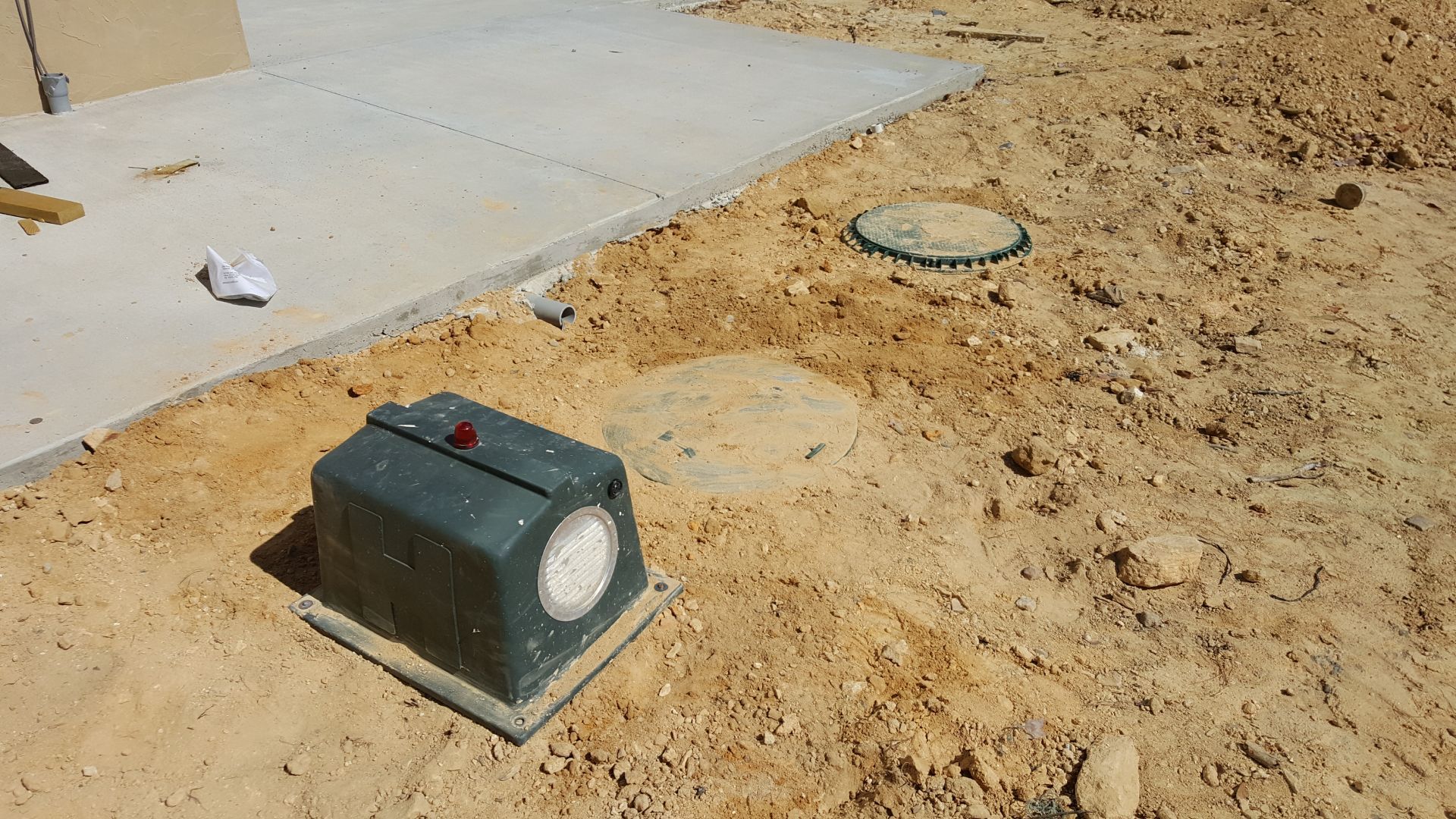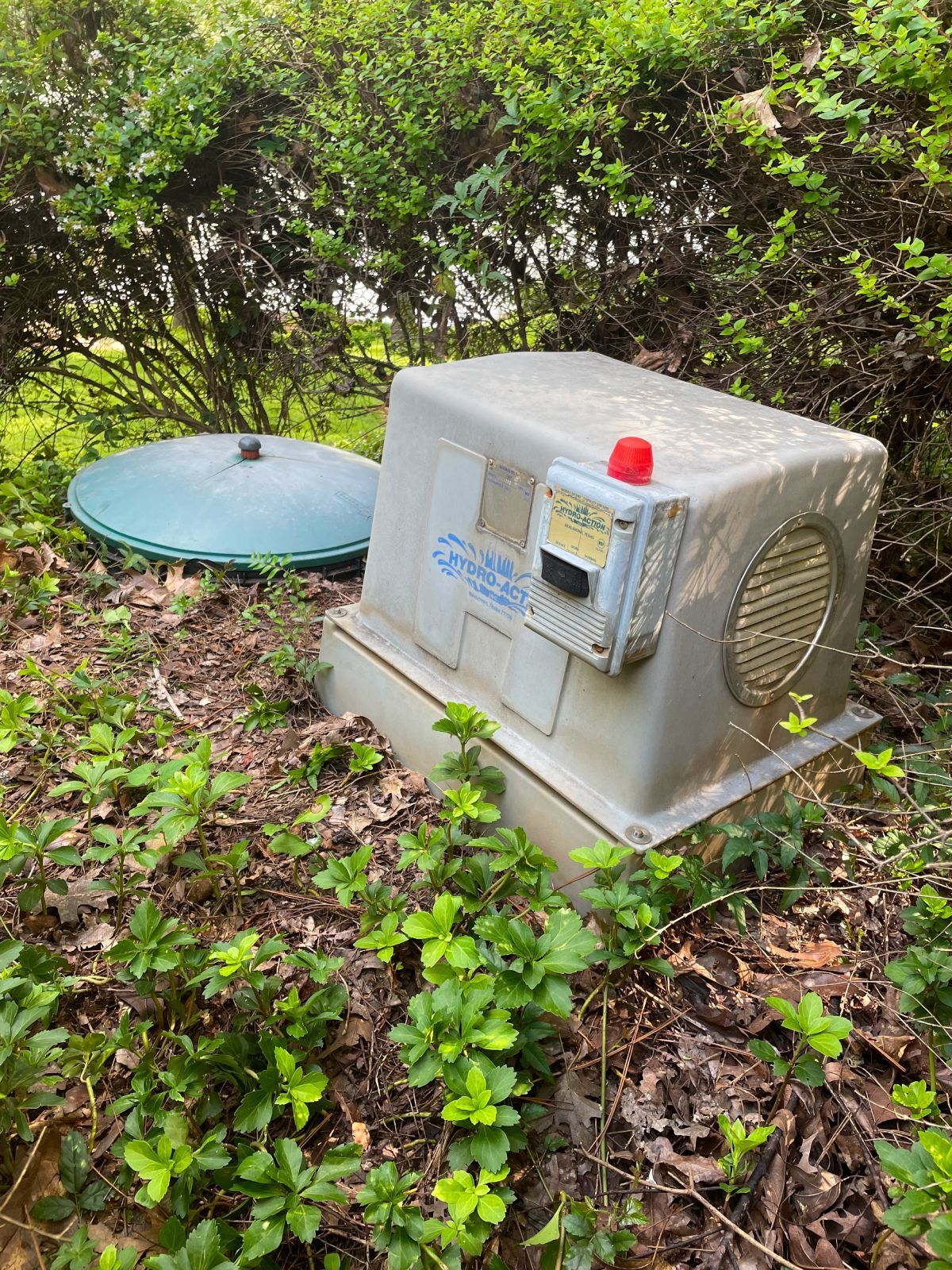
A Comprehensive Guide To Resolving Aerobic Treatment Unit Problems
As a cornerstone of modern wastewater treatment, Aerobic Treatment Units (ATUs) are prevalent in both residential and commercial settings. Yet, like any complex system, they can fall prey to a range of issues that can hinder their performance and, if left unchecked, cause significant environmental harm. Within the intricate realm of ATU, the line between a smooth operating system and a costly, malfunctioning one can often be blurred by a myriad of potential concerns.
Our comprehensive guide provides a deep dive into the common issues that plague ATUs, arming you with the knowledge and strategies needed to tackle these problems head-on. We unravel the complexities of troubleshooting, illustrating how to pinpoint the root of the issue, whether it be a mechanical failure, process imbalance, or design flaw. By understanding these indicators, you can prevent minor issues from escalating into major, costly repairs.
Warning Signs: Recognizing Potential ATU Problems
The first step in addressing any ATU issue is to recognize the warning signs of a malfunction or impending problem. By keeping an eye out for these red flags, you can quickly identify potential issues and take the necessary steps to remedy them. Common warning signs include:
1. Unpleasant odors: A foul smell around the ATU or near the drain field may indicate a malfunction in the treatment process or a blockage within the system.
2. Standing water: Puddles or standing water around the ATU, the drain field, or related components may signal poor drainage or system failure.
3. Fluctuating system performance: Changes in your ATU's noise levels or inconsistent performance can reveal potential problems with its aeration, circulation, or other processes.
4. High water levels in the ATU tank: If the water level in your ATU tank is consistently higher than normal, your system could be struggling to treat and discharge wastewater efficiently.
Taking note of any unusual behavior or signs of a problem can enable prompt intervention, ensuring that your ATU remains in good working order and minimizing the risk of costly repairs.
Troubleshooting Techniques for Common ATU Issues
Before contacting a professional service, there are a few troubleshooting steps you can take to identify the underlying cause of your ATU issues. Familiarizing yourself with these methods can help you better understand your system and make more informed decisions regarding its maintenance and repair. Basic troubleshooting techniques include:
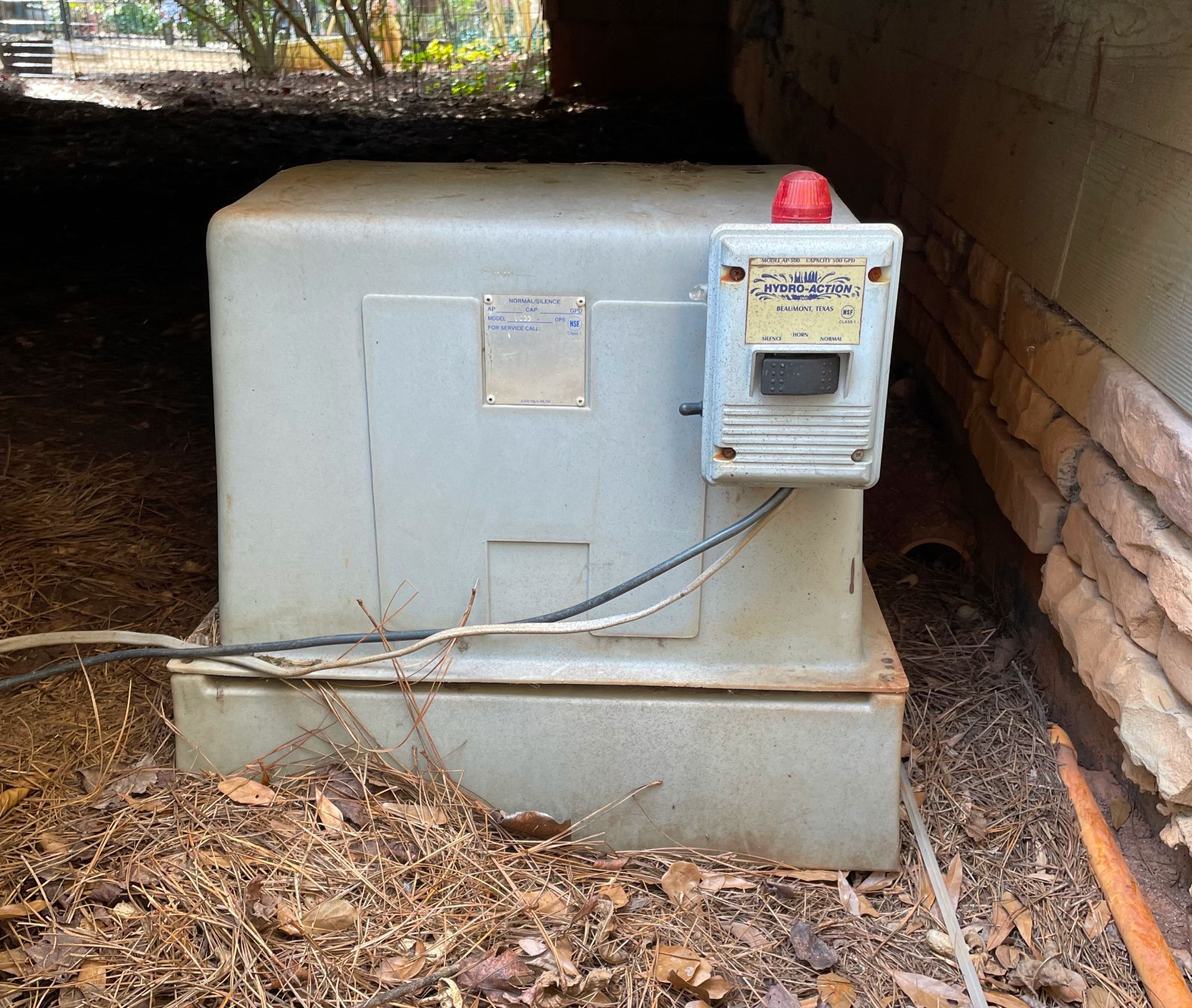
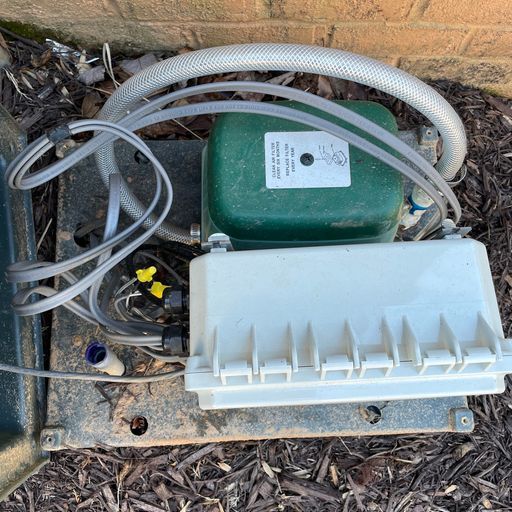
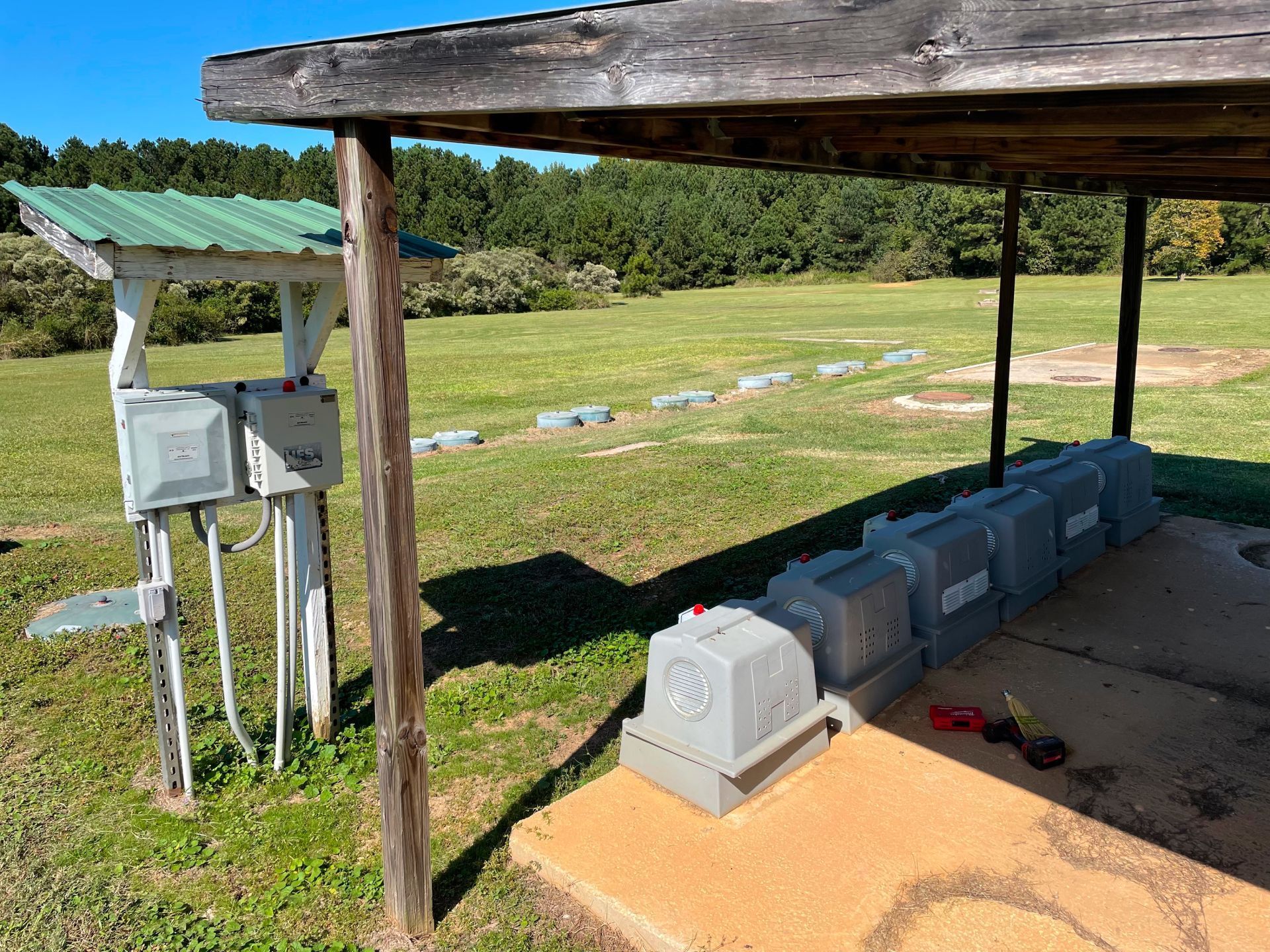
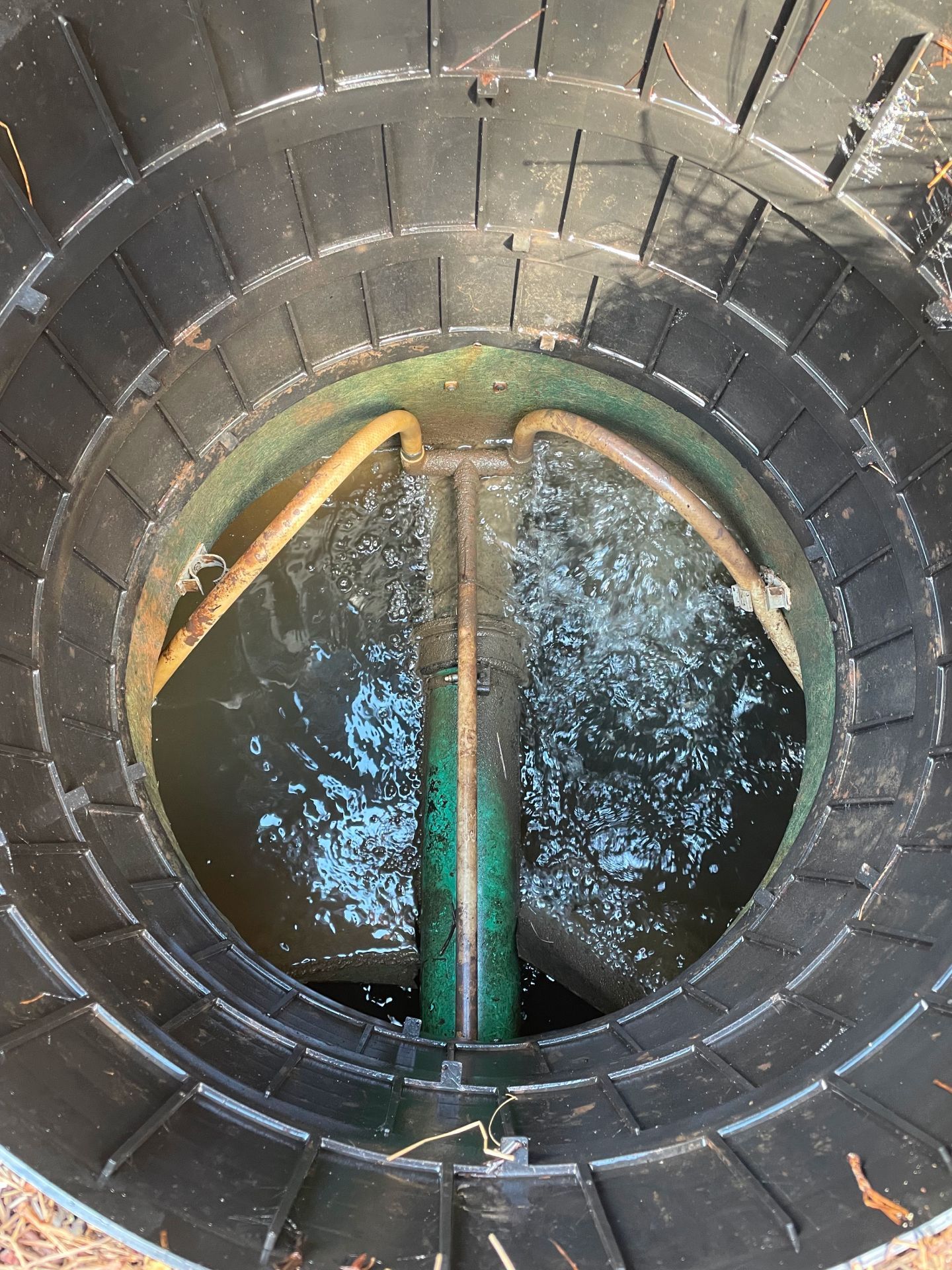
1. Inspecting the aeration systems: Check for any obstructions or damage to the airlines, diffusers, or aerators, as these issues can significantly impact your ATU's performance.
2. Evaluating the electrical components: Verify that all electrical connections, circuits, and switches are functioning properly to ensure your system is receiving the power it needs.
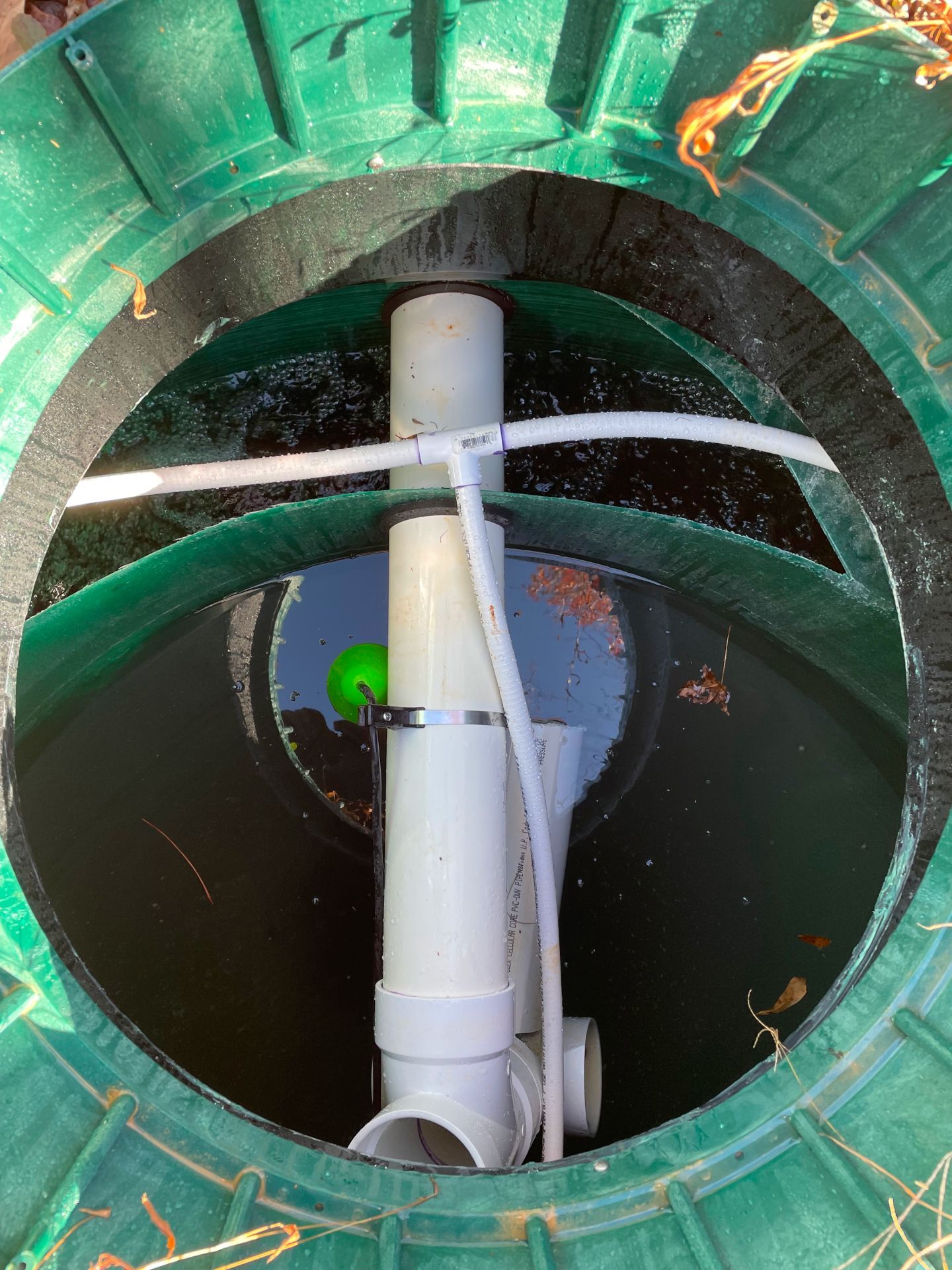
3. Checking the sludge level: Regularly evaluate the sludge level in your ATU tank to determine if it's time for professional servicing to prevent system overloading or failure.
Remember that troubleshooting should never replace the need for professional service and maintenance. Instead, it serves as an essential tool in identifying issues that may require expert attention.
The Importance of Regular Service and Maintenance
Routine service and maintenance play a significant role in maintaining the efficiency, longevity, and environmental compliance of your ATU. These professional services can help you avoid potential problems, identify issues early, and prolong the life of your system. Key maintenance tasks include:
1. Sludge removal and tank cleaning: Over time, solids accumulate in your ATU tank, which can lead to system overloading or failure if not removed periodically.
2. Inspection and repair of mechanical components: Regular assessment of moving parts, such as pumps and motors, ensures they are functioning correctly and maintained accordingly.
3. Evaluation of the aeration system: Ensuring proper airflow is critical to the optimal performance of your ATU. Regular inspection and maintenance of the aeration system can help you avoid potential problems and maintain system efficiency.
4. Testing and adjusting system controls: An evaluation of your ATU's control system can help identify calibration issues, sensor problems, or other control-related concerns that may impact overall system function.
The Value of Expert ATU Service, Maintenance, and Repair
By following the insights and advice provided, you will be well-equipped to tackle any issue that comes your way, ensuring the longevity and efficiency of your unit. To that end, we pride ourselves on our expertise in servicing and maintaining aerobic treatment units, offering comprehensive solutions to keep your system operating at peak performance.
If you're experiencing issues with your ATU or are seeking a reliable partner for
routine maintenance and repair of aerobic treatment systems, don't hesitate to reach out to us at Alternative Septic Management, Inc.
Let us help you maintain your ATU's efficiency and longevity, ensuring you can continue to rely on this valuable wastewater treatment solution for years to come!