How Soil Composition Affects Septic System Performance in Georgia
At Alternative Septic Management, we understand that choosing the right septic system for your property in Georgia involves more than just picking a model. One of the most critical factors in determining system performance is soil composition. Different soil types impact drainage, wastewater treatment, and overall system efficiency. Understanding how soil affects your septic system can help ensure long-term functionality and compliance with environmental regulations.
The Connection Between Soil and Septic System Efficiency
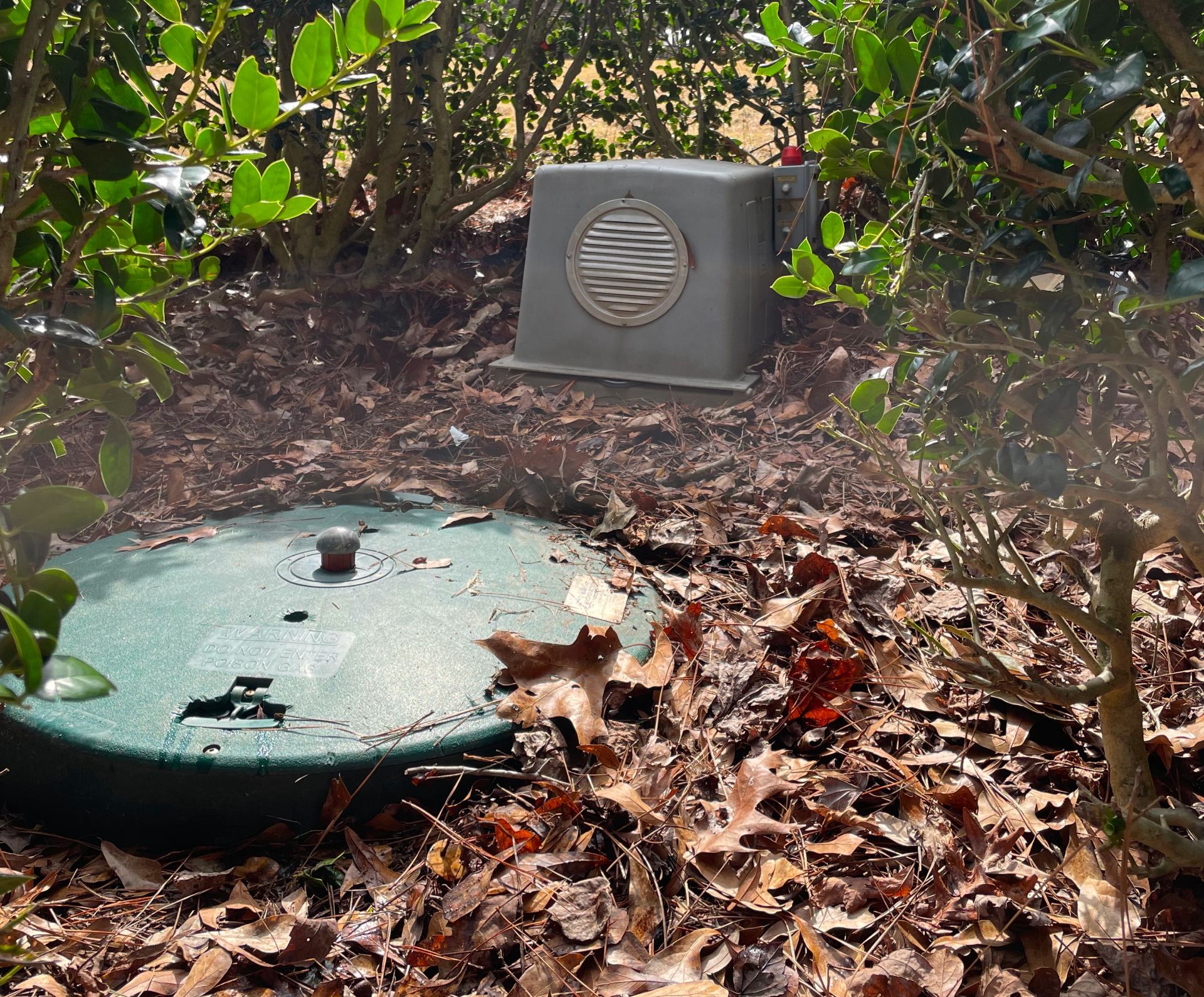
Soil plays a crucial role in wastewater treatment by filtering contaminants and allowing effluent to percolate properly. Both traditional septic systems and aerobic treatment units (ATUs) rely on soil conditions to function correctly. In Georgia, soil types vary widely, affecting how well a septic system can process and disperse wastewater. Proper soil assessment is essential for selecting the best system for your property.
Common Soil Types in Georgia and Their Impact on Septic Performance
Clay-Rich Soils: Challenges and Solutions
Clay-heavy soils, common in parts of Georgia, present significant challenges for septic systems. These soils have poor drainage and low permeability, which can cause wastewater to back up and create oversaturated drain fields.
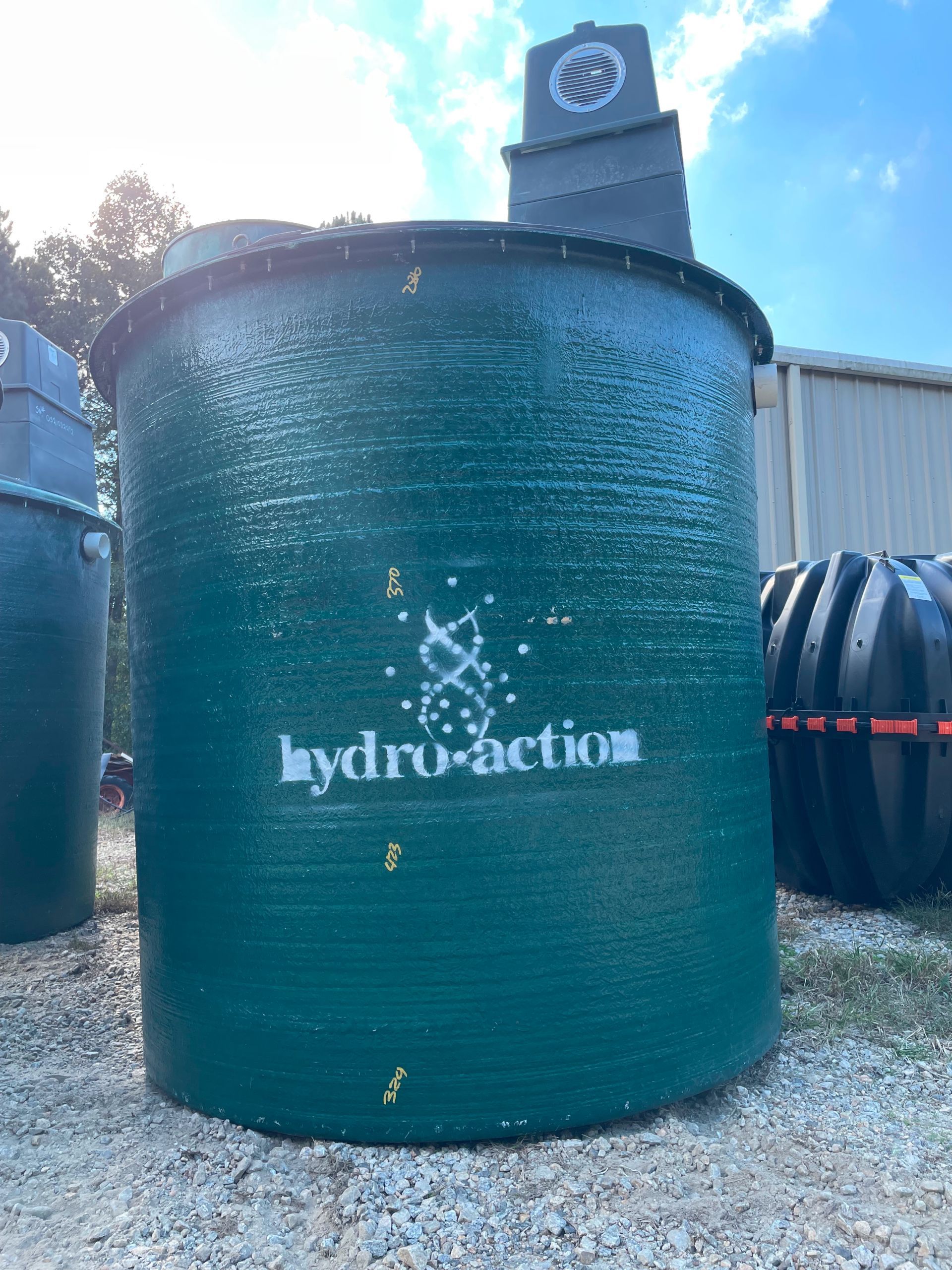
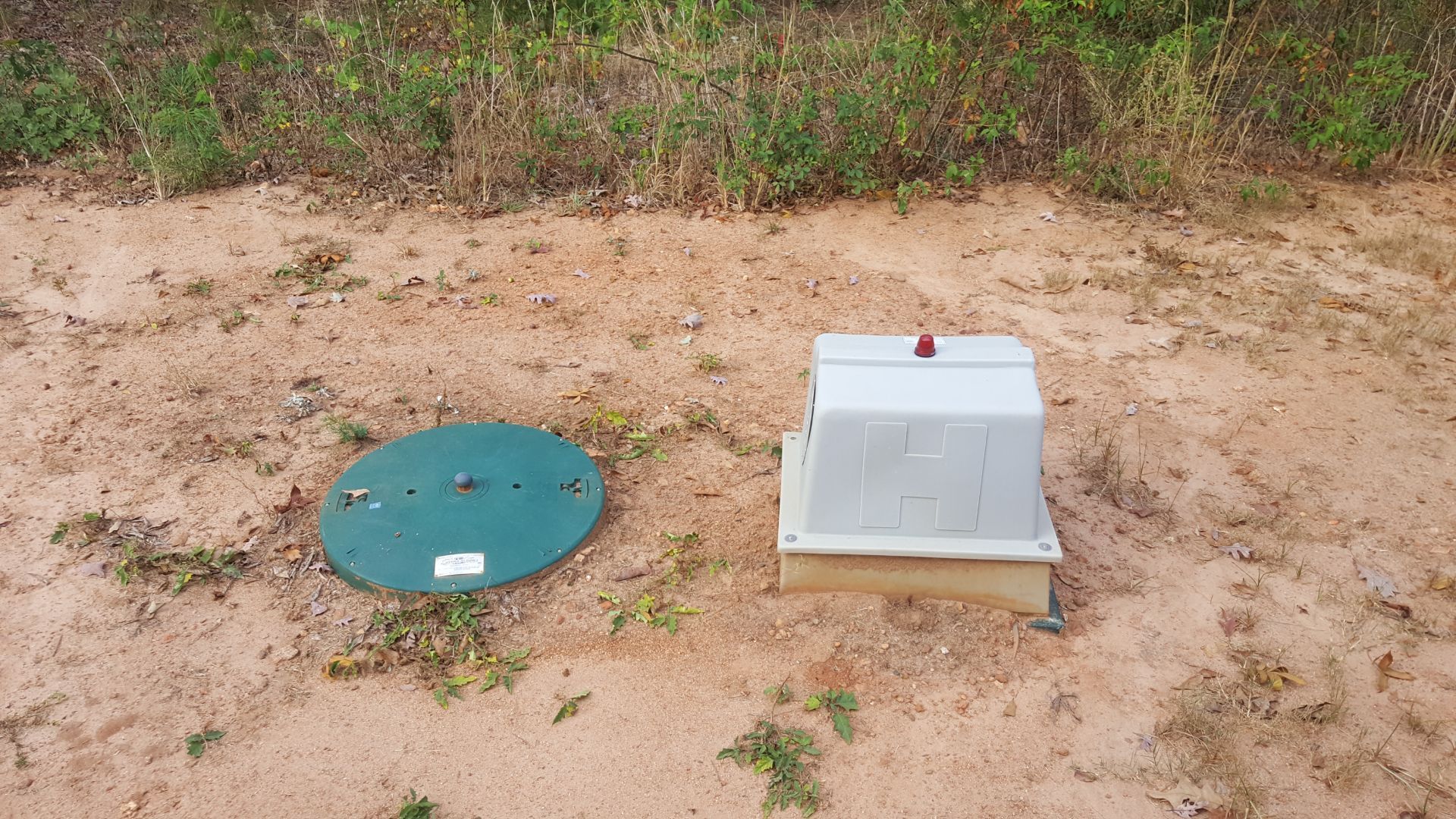
To address these issues, ATUs are often a better choice than traditional septic systems. ATUs introduce oxygen into the treatment process, promoting bacterial activity that helps break down waste more efficiently. Additionally, designing a larger drain field or incorporating alternative drain field materials can improve wastewater absorption in clay-rich areas.
Sandy Soils: Rapid Drainage Concerns
Sandy soils, found in coastal and southern regions of Georgia, drain quickly. While this may seem beneficial, it poses risks of groundwater contamination since wastewater may pass through too rapidly for proper treatment.
To counteract this, incorporating additional filtration methods, such as sand filters or advanced ATU technology, can enhance effluent quality. These systems ensure that contaminants are removed before reaching the groundwater, making them a safer option for sandy soil environments.
Loamy Soils: The Ideal Balance
Loamy soils, composed of a mix of sand, silt, and clay, provide the best natural conditions for septic systems. These soils offer excellent drainage while retaining enough moisture to facilitate effective wastewater treatment.
Both traditional septic systems and ATUs can perform efficiently for homeowners with loamy soil. Regular maintenance and soil health monitoring help sustain optimal performance.
Optimizing Septic Systems for Different Soil Conditions
Site Evaluation and Soil Testing
Before installing a septic system, conducting a professional soil test is essential. This evaluation determines soil permeability, absorption capacity, and overall suitability for a septic system. At Alternative Septic Management, we conduct thorough site assessments to recommend the best wastewater treatment solution tailored to your property’s soil conditions.
Choosing the Right Septic System for Your Soil Type
Selecting the appropriate system depends on soil composition and property layout. Conventional septic systems work well in loamy soil but may struggle in clay-heavy or sandy environments. ATUs provide a more versatile solution, offering efficient wastewater treatment in a variety of soil conditions. Our team specializes in designing systems that maximize performance based on your soil type.
Drain Field Adjustments to Enhance Performance
Drain field modifications can improve wastewater absorption and treatment efficiency. In areas with poor drainage, options such as raised bed systems, chambered drain fields, or engineered soil amendments can enhance percolation and prevent oversaturation. For properties with fast-draining soil, incorporating additional filtration layers ensures proper wastewater treatment before reaching groundwater sources.
The Role of Soil in ATU Efficiency
Aerobic Bacteria and Soil Permeability
Aerobic treatment units rely on oxygen to support bacterial activity, breaking down waste more effectively than traditional anaerobic systems. Soil permeability plays a significant role in maintaining these bacteria. Dense, compacted soils may limit oxygen flow, reducing bacterial efficiency. Ensuring proper aeration and periodic system maintenance helps sustain bacterial activity for optimal treatment results.
Preventing Soil Saturation and System Failure
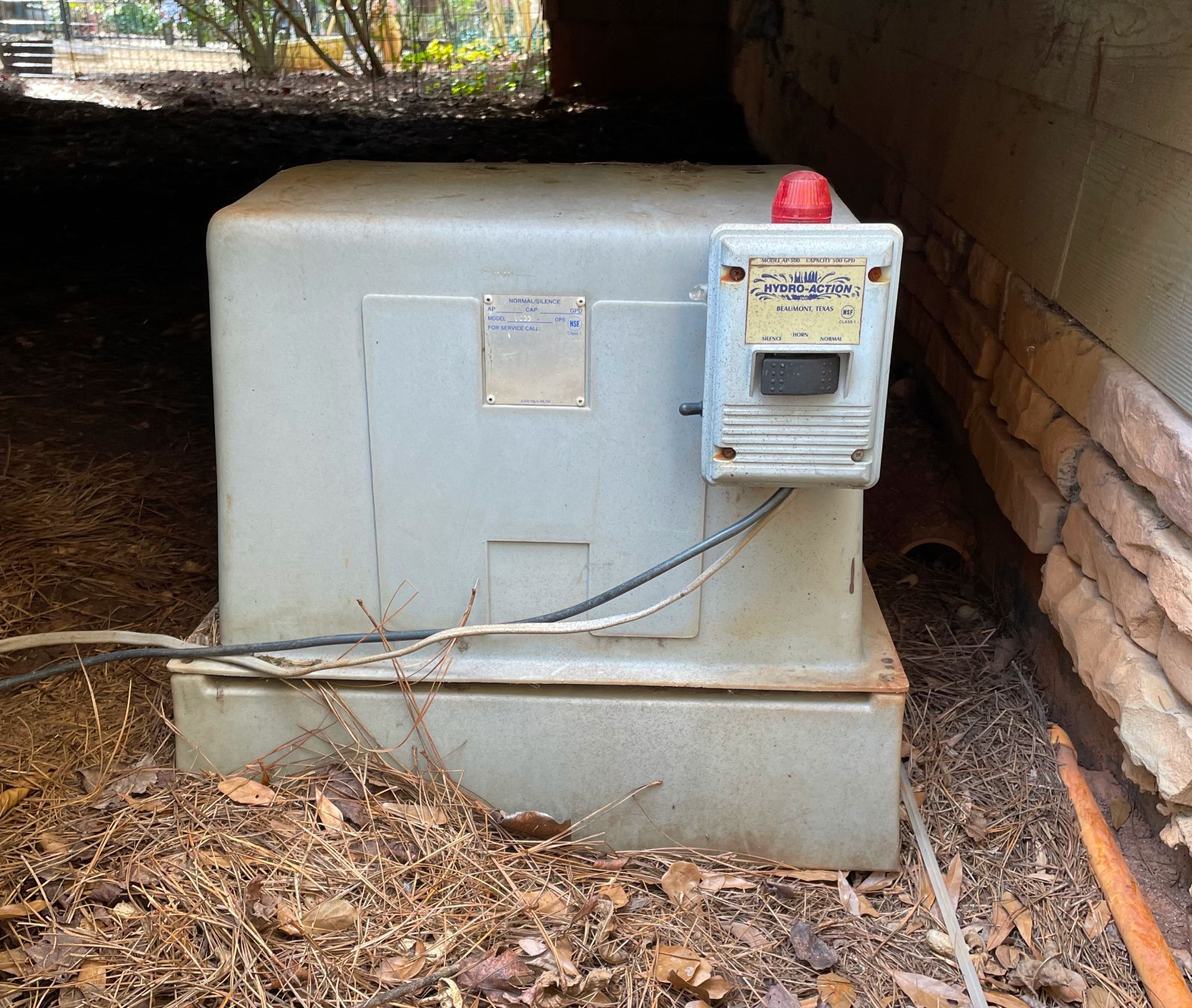
Oversaturated soil conditions can lead to septic system failure, causing backups and environmental contamination. Homeowners should watch for warning signs such as slow drainage, pooling water near the drain field, or strong odors. Regular inspections and preventive maintenance, including adjusting water usage and improving drainage solutions, help maintain system performance.
Why Work With Alternative Septic Management for Soil-Compatible Septic Solutions
At Alternative Septic Management, we specialize in tailoring septic solutions to Georgia’s diverse soil conditions. Our expertise ensures that homeowners receive systems optimized for efficiency, environmental sustainability, and regulatory compliance.
Our team provides comprehensive services, including:
- Professional soil assessments to determine the best system for your property
- Expert installation of ATUs and advanced septic solutions suited to challenging soil conditions
- Routine maintenance and troubleshooting to keep your system operating efficiently
Understanding your property’s soil composition is key to selecting the right septic system. Whether you need a new installation or maintenance for an existing system, we are here to help. Contact Alternative Septic Management at 404-788-3474 (call or text) or visit their website today to schedule a consultation and ensure your hydro-action and aerobic septic system is performing for long-term success.