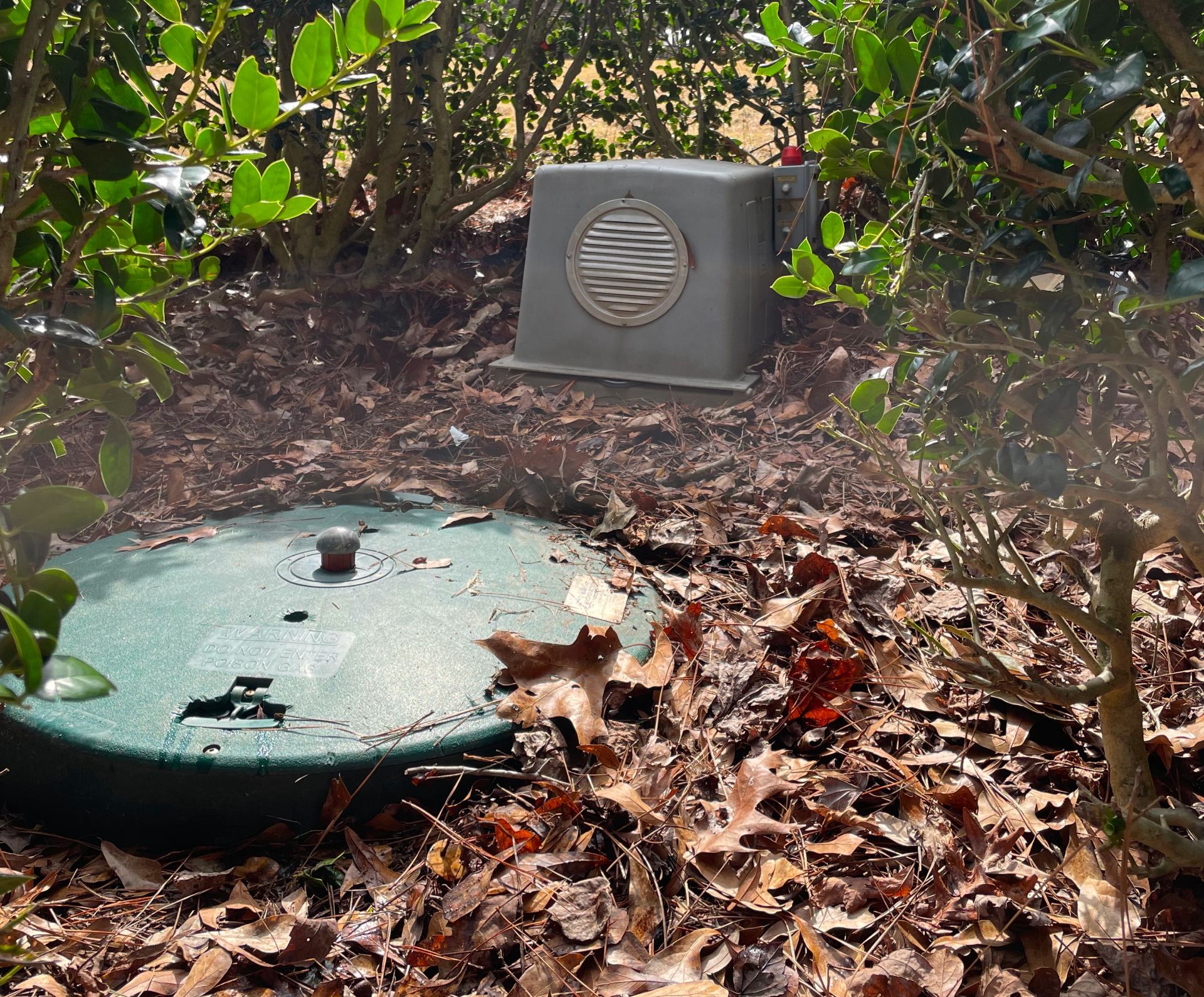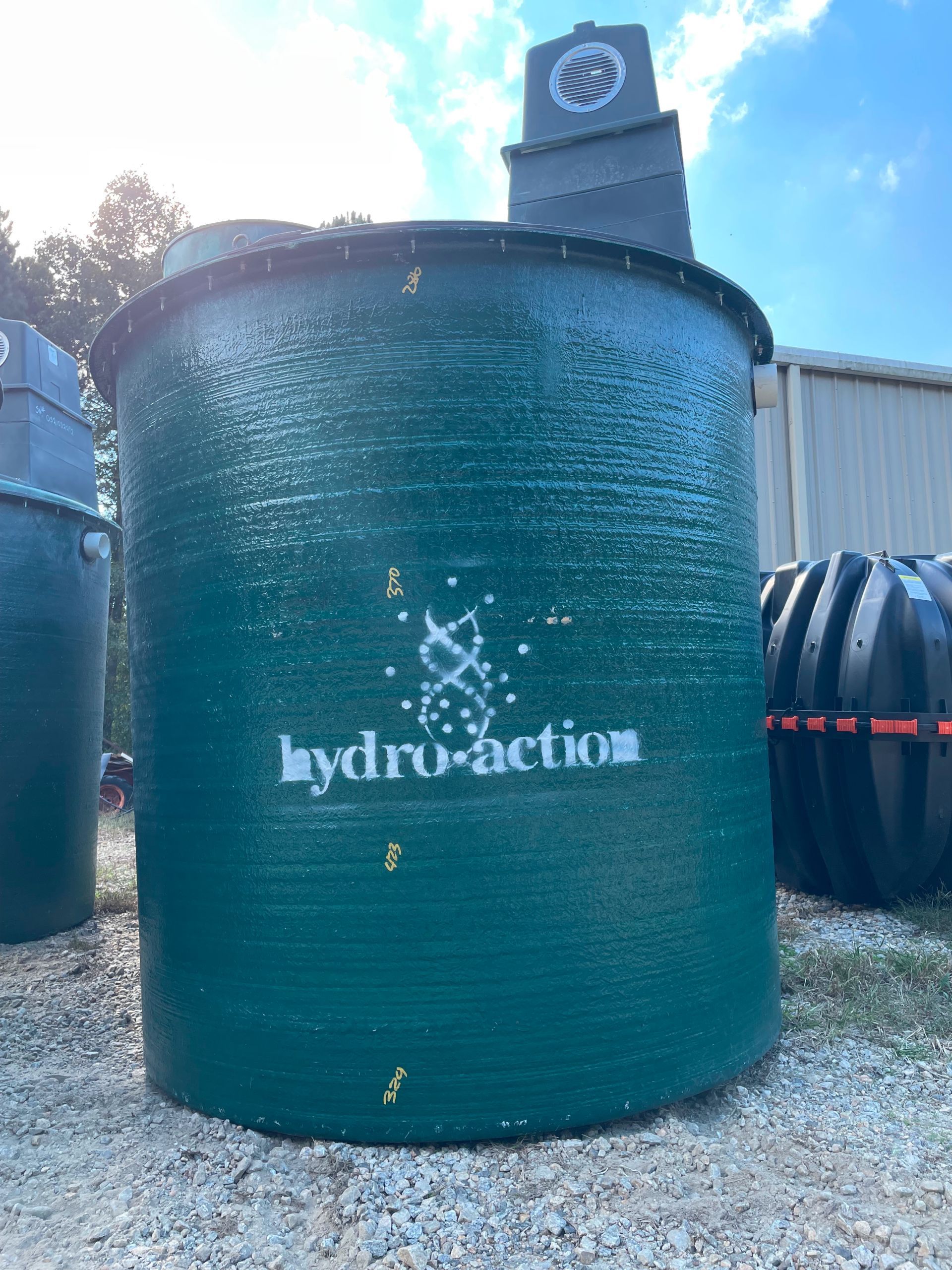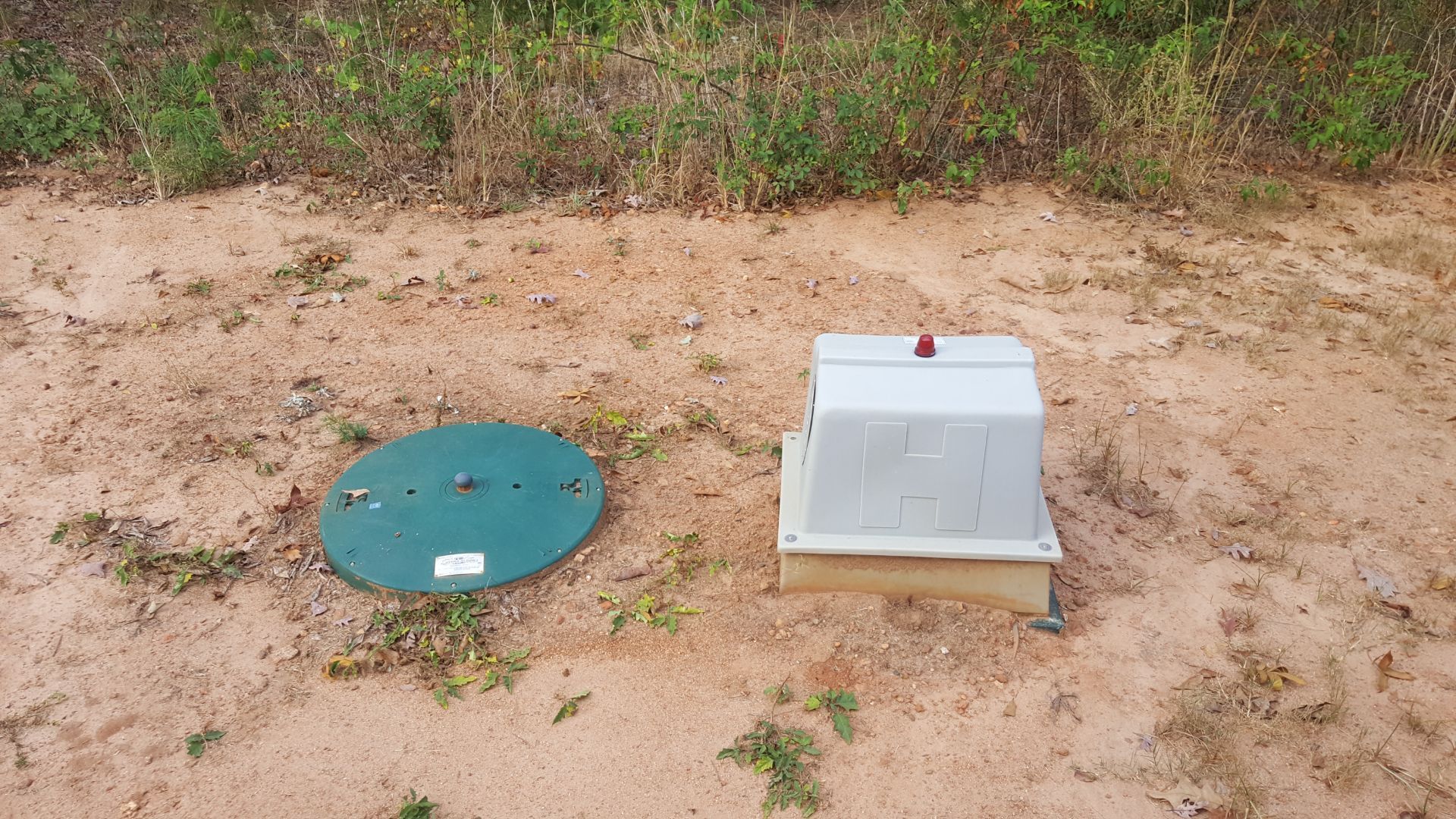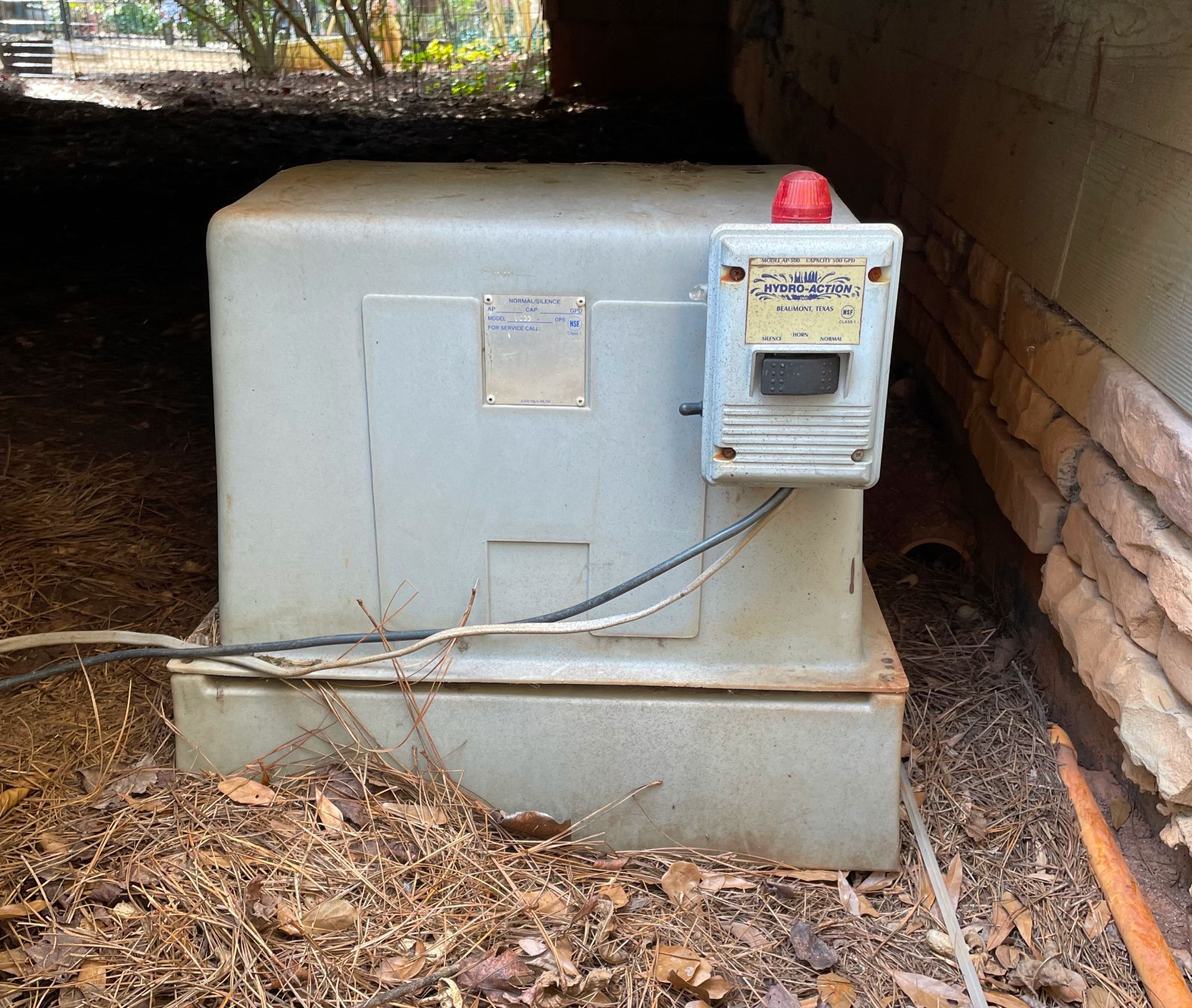
Understanding the Role of ATU Alarms in Aerobic Treatments
Aerobic treatment units (ATUs) are advanced septic systems that provide efficient wastewater treatment for residential and commercial properties. One crucial aspect of these systems is an integrated alarm mechanism, designed to alert property owners of potential issues, malfunctions, or required maintenance. These alarms ensure system performance, enabling timely interventions and preventing costly damage to your ATU system.
Decoding ATU alarms is not just about knowing what the alarm is signaling; it's also about understanding the urgency of the situation, the potential risks, and the necessary steps to take in response. This understanding is essential for maintaining the efficiency and lifespan of the ATU and averting possible environmental hazards.
So, a comprehensive understanding of ATU alarms is not just beneficial—it’s critical. This awareness prevents unnecessary service disruptions, costly repairs, and potential public health risks.
ATU Alarm Types: Understanding the Difference
To effectively manage your ATU alarm system, it's essential to comprehend the variety of alarms and their corresponding meanings. Generally, ATU alarm systems feature two primary alert types:
1. High water level alarm: This alarm is often triggered by excessive water levels within the ATU tank, indicating an issue with pumping, processing, or waste management. A high water level alarm requires immediate attention to prevent potential damage to your system and potential water back up into your property.
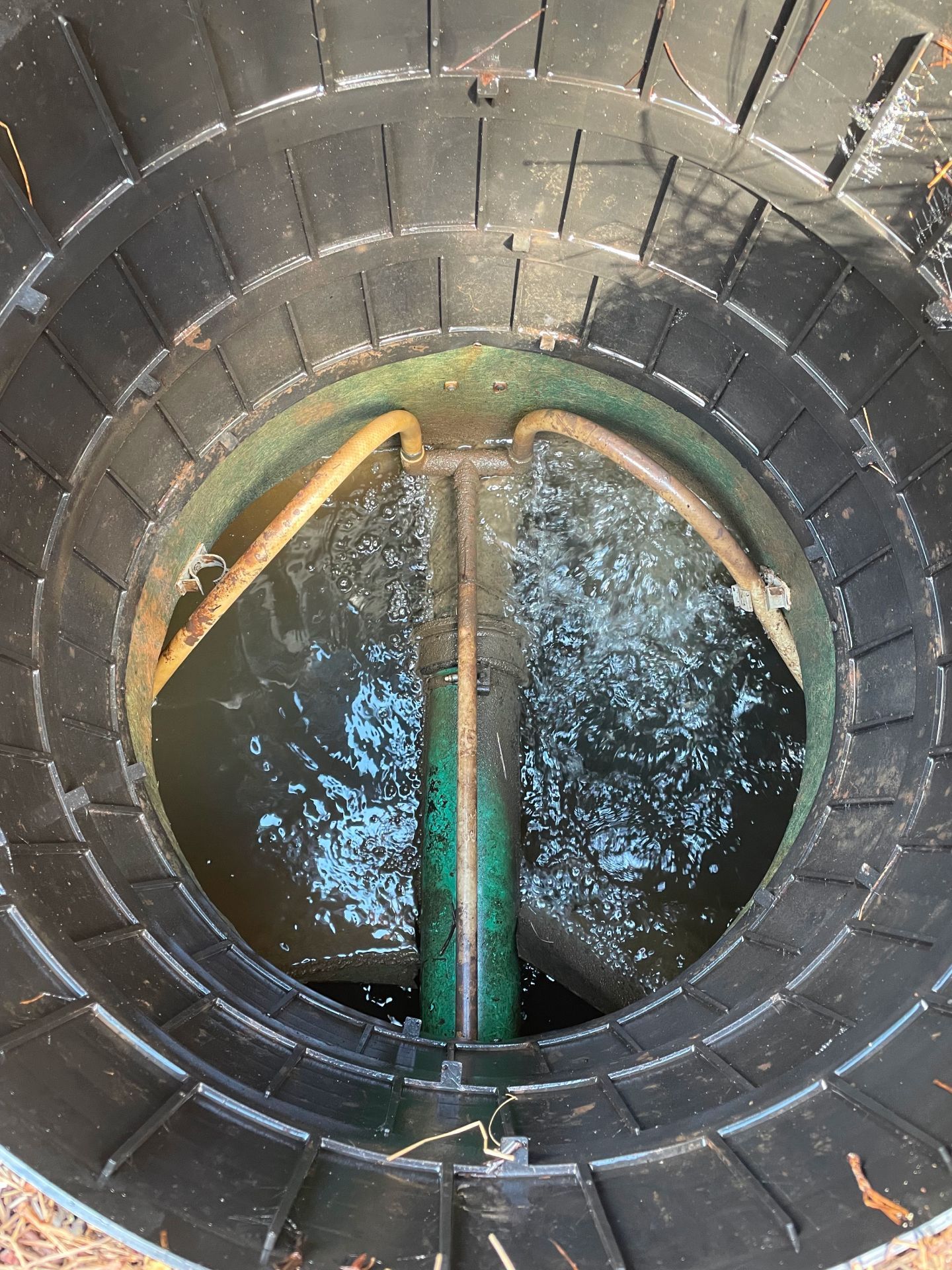
2. Aerator failure alarm: This alert signalizes a malfunction within the air pump, diffuser system, or related components that facilitate the oxygenation of wastewater within the ATU tank. Timely response to an aerator failure alarm is crucial for maintaining system efficiency and preventing an unhealthy accumulation of waste materials.
Decoding Common ATU Alarm Triggers
Once you understand the various alarm types, further investigation into the common triggers for each alarm will enable you to better manage your ATU system. Some prevalent causes for ATU alarm signals include:
1. Power outage: A temporary loss of power to your system can cause your ATU alarm to trigger, as the unit requires a continuous power supply to maintain optimal performance.
2. Mechanical malfunction: Issues with essential components such as air pumps, control panels, or diffusers can lead to ATU alarm activation.
3. Clogged filters or pipes: Blocked filters or pipes can disrupt the wastewater flow within your ATU system, leading to increased water levels and subsequent alarm alerts.
4. Excessive water usage: Sudden surges in water usage can flood your ATU tank, triggering a high water level alarm.
Troubleshooting ATU Alarm Signals: Responding Appropriately
When faced with an ATU alarm signal, consider the following troubleshooting steps to address the issue promptly and effectively:
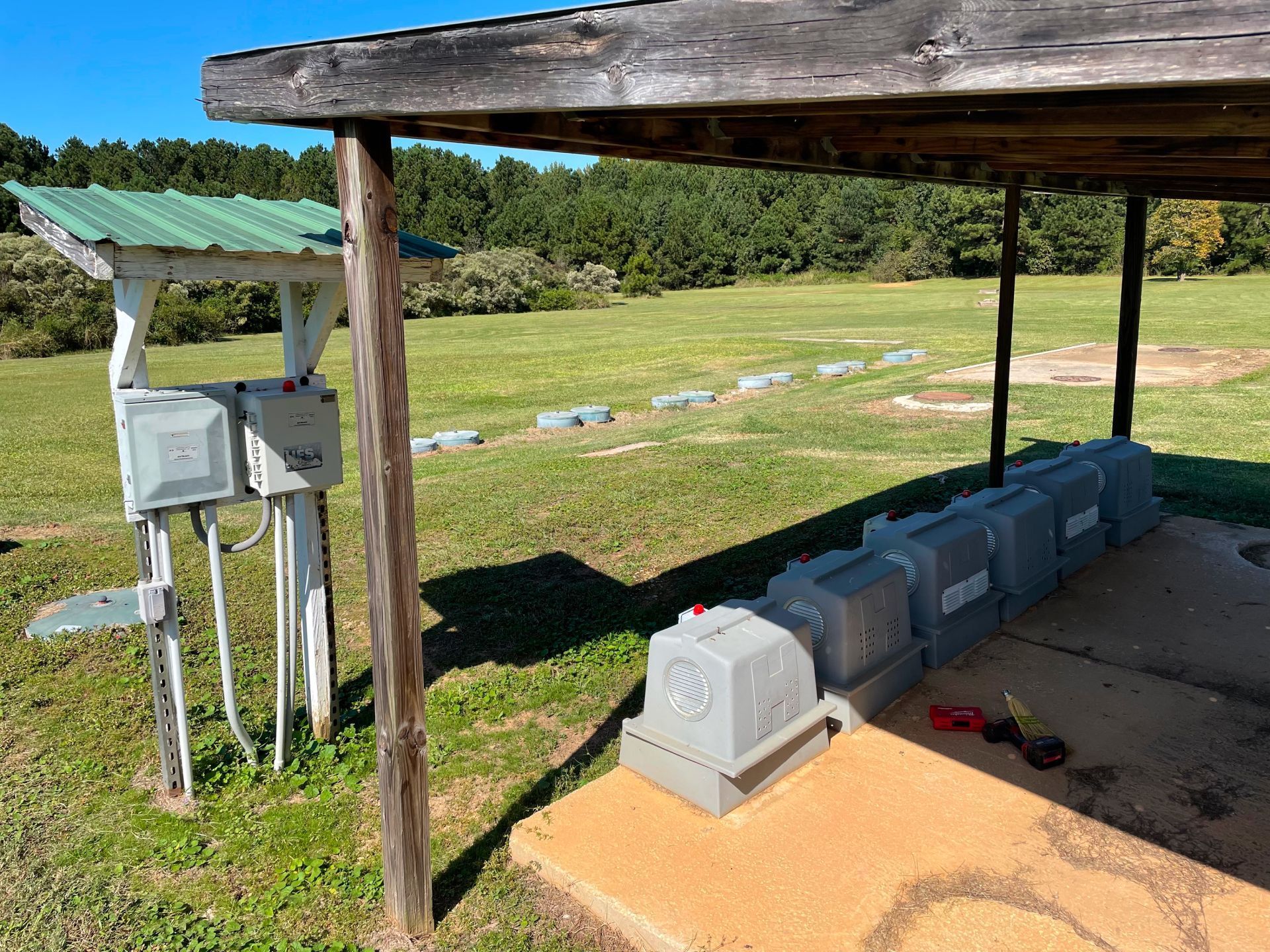
1. Verify the power supply: Check your ATU's electrical connections, circuit breakers, and control panels to ensure an uninterrupted power supply is being provided to the system.
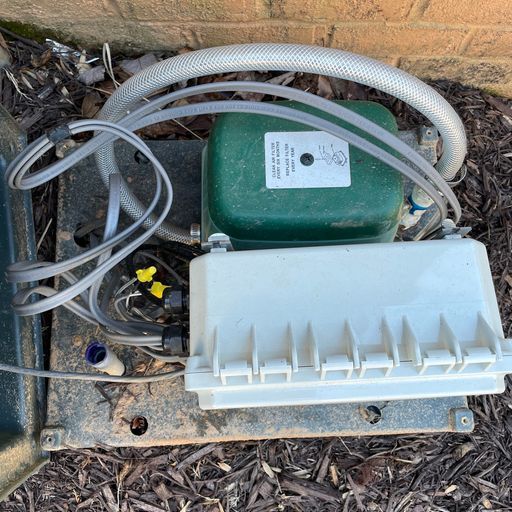
2. Inspect system components: Examine essential elements such as the air pump, diffuser, and filters for visible signs of wear, damage, or blockages. Schedule a professional inspection if required to assess and repair the issue.
3. Monitor water usage: Be mindful of your water consumption habits, and avoid overloading your ATU system with excess wastewater.
4. Consult professional service providers: In cases where a swift resolution is not achieved through these troubleshooting steps, enlist the support of qualified ATU technicians from Alternative Septic Management, Inc. to diagnose and rectify the issue.
Routine Maintenance: Minimizing ATU Alarm Occurrences
Adopting a proactive approach to ATU system care can help minimize the likelihood of alarm-triggering incidents. Incorporate these maintenance practices to maintain an efficient, well-functioning ATU system:
1. Schedule regular inspections: Arrange routine assessments of your ATU system by professional technicians to preemptively detect and address any potential issues.
2. Filter and pipe cleaning: Periodically clean or replace your ATU's filters and pipes to prevent blockages or obstructions that could contribute to alarm occurrences.
3. Calibrate control panels: Ensure your ATU's control panels and alarm systems are correctly calibrated and functioning smoothly by seeking assistance from experienced service providers like Alternative Septic Management, Inc.
4. Educate yourself: Stay informed about your ATU system's components, alarm signals, and maintenance requirements, allowing you to address issues as they arise effectively.
Navigating ATU Alarm Management With Confidence
Understanding the importance, functions, and triggers of the various ATU alarm systems empowers you to address and resolve issues with confidence, ensuring your advanced wastewater treatment system operates efficiently and effectively.
By practicing routine maintenance, employing troubleshooting techniques, and partnering with professional ATU service providers like Alternative Septic Management, Inc., you can effectively minimize alarm occurrences and safeguard your investment in eco-friendly wastewater management.
Armed with this knowledge, you can enjoy the benefits of a reliable and high-performing ATU system, providing efficient and environmentally responsible wastewater treatment for your property. For more information about our
alternative septic services in Georgia, get in touch with us today!